Pope Francis visited the female penitentiary of Rebibbia in Rome on Thursday (March 28) to celebrate the Holy Thursday ritual of feet washing, continuing the pontiff's tradition of visiting marginalized groups on the Thursday before Easter.
It's the first time a pope has washed the feet of a group made up solely of women.
The penitentiary is among the largest in Europe and houses 360 women and one child. The inmates have looked forward to the pope's arrival with excitement, according to prison chaplain Don Andrea Carosella. "For them it's a symbol of great attention, a symbol that shows that the pope thinks about them and is close to them," Carosella told the news agency of the Italian bishops, SIR.
"They need the kind of support that brings hope, a sign, caring, a gesture by someone who can help them have faith and courage to go forward," Carosella said. "I think the pope's visit offers inspiration for finding strength, finding courage."
The pope said Mass outside, in a large tent where the women and employees of the penitentiary gathered. "Always, all of us, face small failures, big failures, it doesn't matter, everyone has their own story," he said, "but the Lord always waits for us with open arms, and he never tires of forgiving us."
While the Vatican had stated that the pope might not perform the ritual himself due to pain in his legs, Francis washed the feet of the inmates while sitting in a wheelchair. The women were placed on elevated chairs to allow the pope to wash their feet without bending too much. The event took place in private with no access for the public. Pictures show women weeping with emotion during the ritual. They hailed from Italy, Ukraine, Russia, Peru, Nigeria, Venezuela and the Roma community, among others.
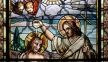
The Catholic Mass in Coena Domini and the washing of the feet are inspired by Jesus' last supper, when he washed the feet of his disciples. Twelve inmates acted as the apostles, but the other inmates also had a chance to see the pope. They prepared for the event by singing songs, doing catechesis with the prison chaplain and reflecting on the spiritual significance of the papal visit. All the women in the penitentiary were invited to meet the pope regardless of their prison sentence or background.
Pope Francis started the practice of visiting marginalized groups on Holy Thursday instead of performing the ceremony in St. Peter's Basilica immediately after his election in 2013. He has visited juvenile prisons and centers for people living with physical and mental disabilities and has washed and kissed the feet of migrants and refugees. In 2016, Pope Francis issued a liturgical reform allowing women to act as the apostles in the foot washing ritual.
In 2015, the pope visited the Rebibbia women's prison and washed the feet of several inmates, including some women.
The pope has dedicated the prayer intention for the month of April to "the role of women," asking that they "be recognized in every culture, and for the end of discrimination that they experience in different parts of the world." On April 28, he will visit another women's prison during a day trip to Venice, where the Vatican has set up a pavilion for the Venice Biennale contemporary art exhibit.
"I would like to say thank you on behalf of all those who live in this place and suffer the privation of their freedom," said the director of the penitentiary, Nadia Fontana, in her address to the pope. "Your presence here today is like a ray of sun for each of them, which warms the hearts and restores hope of being able to start again, even when it means starting from scratch."
Pope Francis gifted the women a painting of the Virgin Mary and Child. He also gifted a giant chocolate egg and a smaller one to Jairo Massimo, a 3-year-old boy who has been living in the penitentiary with his mother for the past nine months.
© Religion News Service