
The head of the World Council of Churches, the Rev Dr Samuel Kobia, has expressed his support for full communion among all denominations by the middle of the 21st century.
In a front page interview with the Vatican newspaper L'Osservatore Romano published on Friday, Kenyan Methodist Dr Kobia said that he expected the world's Christian denominations to be united enough by that time to be able to join in Holy Communion together.
"My vision for the ecumenical movement is that by the mid-21st century we will have reached a level of unity such that Christians everywhere regardless of their confessional affiliations, can pray and worship together and feel welcome to share in the Lord's Table at every church," said Kobia.
His comments came ahead of a key meeting with Pope Benedict on Friday and an ecumenical prayer service in the afternoon to mark the end of the annual Week of Prayer for Christian Unity.
At present, the Roman Catholic Church and Eastern Orthodox Churches do not permit members of other denominations to join in their celebrations of the Eucharist. Intercommunion would be a significant symbol of unity among Christians.
Kobia went on to express his belief that sharing communion was the foundation for reconciling divisions across the world.
He told the Vatican daily: "By this example, the church can help humanity to overcome all divisions and people of the world be able to live together in peace and harmony regardless of their backgrounds and identities."
Dr Kobia, whose WCC brings together 347 churches, denominations and church fellowships, added that efforts among Christians to find unity had been crucial to building a peaceful Europe in the aftermath of two world wars.
"Ecumenical cooperation and the search for unity among the churches has definitely played a role in overcoming the heritage of two world wars and building peaceful relationships in Europe," said Dr Kobia.
"Who would have thought at the beginning of the last century that only some decades later Orthodox, Anglicans, Lutherans, Reformed, Methodists, Baptists and churches of other traditions would be working together in the World Council of Churches?
"Surely, the Second Vatican Council was a watershed and opened the door to meaningful ecumenical co-operation between the Roman Catholic Church and many of the member churches of the WCC."
Catholics, however, are skeptical that shared communion will become a reality any time soon. Despite Kobia's article hitting the Vatican broadsheet's front page, the Pope made no reference to it in his address, saying simply that he hoped Christian unity "will be ever more fully realised in our time".
-

How to make the most of the quiet period between Christmas and New Year
-

US carries out strikes on Islamic State in Nigeria over violence against Christians
-
Who was St Stephen and why is he remembered on December 26?
-
2 Timothy 3:16 is Logos' Bible verse of the year, Matthew was the most studied book
News
-
Who was St Stephen and why is he remembered on December 26?
-

The mystery of the Wise Men
-
7 symbolic details we often miss about Jesus’ birth
-

What we don’t know about Christmas
-
Over 320,000 people sign petition opposing Macron's '21st century mark' on Notre-Dame
-
Richard Moth appointed as new Archbishop of Westminster
Most Popular
News
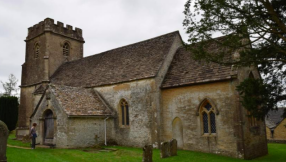
Over £900,000 awarded to help UK churches stay open amid growing funding pressures
Hundreds of churches across the UK are receiving vital financial support to remain open and safe, as rising repair costs and shrinking funding streams place historic buildings under increasing strain.

How to make the most of the quiet period between Christmas and New Year
Make the most of these last days of the year to slow down, reflect, and reconnect with God.

US carries out strikes on Islamic State in Nigeria over violence against Christians
The US military has conducted airstrikes against Islamic State (IS) militants in Nigeria over the violent "targeting" of Christians.
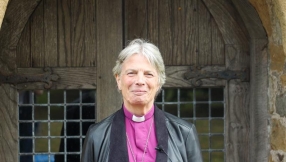
Gay Archbishop of Wales says some people have left Church over her appointment
The first openly gay Archbishop of Wales says her appointment has caused some people to leave the Church in Wales.