The Free Church of Scotland is set to have more opportunities to be part of the conversation on contentious issues affecting faith and society in Scotland after being invited to become a member of the Scottish Government Faith and Belief Representatives Group.
Members of the group are able to meet with the Scottish Government's Faith and Belief Team, which is made up of civil servants tasked with the responsibility of increasing engagement between faith organisations and the government.
Members can also engage directly with other civil servants and government ministers regarding proposed legislation, often before formal consultations are launched.
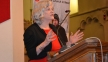
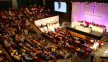
Rev Stephen Allison, Public Engagement Coordinator, announced the news of the invitation as part of his report to the Church's General Assembly on the activities of its Public Engagement Group (PEG). Rev Allison also discussed the ongoing work of the group and the opportunities it has provided to work with other churches and organisations.
"The main work of the Public Engagement Group has been responding to consultations since the last General Assembly and we are grateful to the support received from many members of the Free Church of Scotland with specialist knowledge and expertise in a variety of areas," he said.
One of the Free Church's most pressing concerns is a proposed ban on 'conversion practices', with the minister writing a number of letters to newspapers. including one co-written with the Parliamentary Representative of the Bishops Conference of Scotland, and meeting with several MSPs to express the Church's concerns.
"Issues around a proposed ban on conversion practices represents one of the biggest threats to the spiritual independence of the Church that we have faced since the Disruption," Rev Allison said.
"The Scottish Government's Expert Group Report suggests that simply teaching on the goodness of marriage could amount to conversion practices and that the Government should have the right to remove the licence of ministers if they fall foul of the proposed legislation."
He made it clear that the church opposed abusive and coercive conversion practices, but pointed out that these were already prohibited under existing laws, and that the proposed ban risked having a disproportionate impact on the ordinary activity of churches and parents.
The PEG has provided a response to the Gender Recognition Reform (Scotland) Bill consultation, saying that it is concerned that a move away from a medical approach to the issue has the potential to cause greater harm to those who were most vulnerable.
"Whilst we recognise the difficulties experienced by people with gender dysphoria, and seek to care for them within our Church, we made clear that we believe that gender is neither a choice nor a social construct.
"We are, therefore, not convinced that automatically affirming someone's understanding of themselves is the best way to care for them," said Rev Allison.
The group has also expressed its concerns over the Abortion Services (Safe Access Zones) (Scotland) Bill.
"We do not advocate pro-life vigils as a wise or appropriate way to engage with this issue," said the minister.
"However, we oppose buffer zones as a disproportionate interference with freedom of expression, which sets a dangerous precedent of the state being able to ban both protests and efforts to persuade individuals to change their mind on controversial issues.
"A democratic society should allow free and open debate."