CofE takes next step towards redress scheme for abuse victims

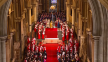
The Church of England General Synod has approved ongoing work to introduce a national redress scheme for victims and survivors of Church-related abuse.

Synod members considered a draft of the Redress Scheme on Tuesday and cleared the way for the proposals to move to the revision stage, which will take into consideration their feedback.

A written update will be made at the next meeting of Synod in February 2024. It is expected that rules for the scheme's implementation and the revised Measure will be brought back before Synod at the July group of sessions next year. This will then be followed by final drafting and final approval stages. 

In June it was announced that £150m in funding was being allocated for the scheme by the Church Commissioners' board.

The Church of England said Tuesday's vote was "a tangible way of saying sorry to victims and survivors for past failings in safeguarding". 

The Bishop of Winchester and chair of the Redress Project Board, Philip Mounstephen, said, "I hope we will continue to work constructively across Synod and the wider church – and, crucially, with survivors, to put in place a Redress Scheme that is robust, fit for purpose and, above all else, provides survivors of Church-based abuse with the redress they most certainly deserve."


News
People view religious education positively, study finds

The government is consulting on plans to add RE to the national curriculum.

Archbishop of Canterbury withdraws award given to Muslim cleric who praised Bin Laden

Reform leader Nigel Farage said the decision to award Hafiz Muhammad Tahir Mehmood Ashrafi was "astonishing". 

How the new General Synod could move beyond the present disagreement over same-sex relationships

How might the next Synod make progress in the next five years based on a recognition that there are those in the Church of England who hold fundamentally opposed positions on the matter? Is there a way of allowing both sides to achieve what they want? Martin Davie argues that the answer to this question is ‘Yes.’

No part of London should become a free speech, gospel exclusion zone

Soho is not exempt from freedom of speech and Christian expression. And Christians do not lose their fundamental freedoms when they cross an invisible boundary into a neighbourhood associated with a different worldview. The streets of London belong to all of us, writes Andrea Williams.