Most Catholic marriages are not valid because couples do not have a proper understanding of permanence and commitment, according to Pope Francis.
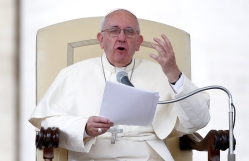
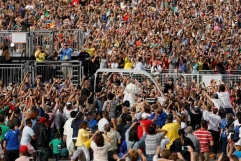
"We live in a culture of the provisional," the Pope said in a question-and-answer session at Rome's pastoral congress, according to EWTN.
Pope Francis was asked about the crisis of marriage and how to help young Catholics learn about sacramental marriage.
The Pope said: "I heard a bishop say some months ago that he met a boy that had finished his university studies, and said 'I want to become a priest, but only for 10 years.' It's the culture of the provisional. And this happens everywhere, also in priestly life, in religious life.
"It's provisional, and because of this the great majority of our sacramental marriages are null. Because they say, 'Yes, for the rest of my life,' but they don't know what they are saying. Because they have a different culture. They say it, they have good will, but they don't know."
He said he had been reproached by a woman in Buenos Aires about priests who are allowed laicisation in order to marry and have a family. The woman told him: "We have to do the sacrament for our entire lives, and indissolubly."
He also described meeting a man looking for a church to get married in that would complement his fiancée's dress and near a restaurant.
"It's social issue, and how do we change this? I don't know," the Pope said.
He also explained that when he was Archbishop of Buenos Aires he banned "shotgun weddings" where the bride was pregnant, on the grounds there was a question over whether the spouse had given free consent to marry.
"Maybe they love each other, and I've seen there are beautiful cases where, after two or three years they got married. And I saw them entering the church, father, mother and child in hand. But they knew well they did."
Pope Francis said the crisis in marriage was down to people who did not understand the sacrament, nor its beauty.
"They don't know that it's indissoluble, they don't know that it's for your entire life. It's hard," he said. "Marriage is the most difficult area of pastoral work."