Are most pastors really good at preaching? You'd hope so, and 57 per cent of American pastors in a recent Barna survey believe they are. It would be interesting to see what their congregations think. Preaching is quite a subjective thing, anyway: a sermon that speaks straight to the heart of one person might be as dull as ditchwater to another.
What's more interesting about this survey, however, is what these pastors most enjoy. Only six per cent of them chose evangelising and only five per cent pastoral care, against 66 per cent who enjoy preaching.
Admittedly, we should be wary of drawing too many conclusions from a snapshot of a larger survey, and in any case questionnaire-based studies are not terribly good at delving deep into people's motivations and characters. And the US is not the UK; it may be different here. But the differences here are stark, and may say something rather worrying about the kind of people who wind up in ministry – and they paint a picture that is uncomfortably recognisable on whichever side of the Atlantic we find ourselves.
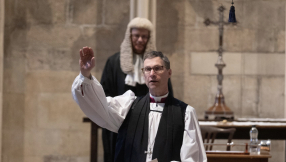
Preaching is a very specialised kind of activity. In its traditional model, it requires hours of preparation, with the preacher spending much time in his or her head. It all comes to a point on Sunday when, in anything from 10 minutes to an hour, all this distilled wisdom is poured out for the benefit of the congregation. It's a solitary activity culminating in a dramatic performance in which preachers are also isolated, connecting with the congregation on their own terms. If they use a pulpit, the symbolism is clear: they're fenced off and defended from criticism. But even if they don't, that's what's happening.
In evangelistic relationships, where we open ourselves to challenge and question from those who don't share our faith, and in pastoral care, where we're immersed in the messiness and complexity of human life, it's quite different. We aren't in control. We are face to face with people on their terms, not on ours. We have to respond instantly, from a Christ-like character rather than from an hour spent with commentaries comparing the options. We are undefended.
Compared with all that, preaching is frankly easier.
So does ministry attract people who prefer the solitary life of the study over interacting with real people? Or does the preference for preaching reflect a retreat into an area they can control, when they're faced with so much that they can't?
There's perhaps a clue in another of the survey's findings. Asked what they found frustrating about ministry, 35 per cent cited apathetic congregations, with 27 per cent citing low spiritual maturity among churchgoers. Add those together and it's pretty close to the figure for pastors who enjoy preaching most – 66 per cent – though there's no way of telling whether they're the same people.
And here, too, there's a worry. Just who has the right to pronounce that a congregation is apathetic or of low spiritual maturity? How on earth do you measure something like that? Attendance at meetings? Frequency of Bible readings? Length of prayer sessions? Amount of offerings? These things are far more complicated than that. Anyone who ventures to pronounce on a congregation's spiritual maturity needs to do more than count heads. They need to sit down with them in their homes, talk to them, gain their confidence and know them – the pastoral care, in other words, that only five per cent of pastors say they enjoy.
So are pastors sitting in their studies concocting a picture of the perfect church and blaming their congregations for not measuring up? It looks uncomfortably like it.
A saying of my college principal from when I was training for Baptist ministry has stuck in my mind: 'Your congregation will forgive any number of bad sermons, but they'll never forgive you if you don't visit them when they're ill.' I think there's a lot of wisdom there. It's a philosophy that challenges how many pastors see themselves today. It's not glamorous, but it's real ministry.
Follow Mark Woods on Twitter: @RevMarkWoods