
Last week in Monterrey, Mexico, government leaders and environmental experts from the world's top 20 polluting nations gathered to assess the international climate change problem and the potential for a common strategy.
The event ended in an upbeat mood, with observers commenting on the unusual accord between the countries over the need to cut greenhouse gas emissions.
The summit, which brought G8 member nations together with developing countries including Brazil, China, India, Mexico and South Africa, focussed particularly on a new strategy to deal with climate change after the Kyoto Protocol expires in 2012.
The various leading government figures heard the findings of a UK-commissioned study on the economics of climate change presented by economist and study author Nicolas Stern who advised that it was better and cheaper for action to be taken now or else governments would have to pay much more later.
The World Bank meanwhile presented its framework for investment in clean technology that would help developing countries to use environmentally friendly models to expand their energy supplies in stark contrast to the dirty methods used by the West.
The country representatives met as climate experts at the Met Office's Hadley Centre for Climate Prediction and Research issued a dire warning that drought will hit half of the land surface of the Earth in the coming century as a result of global warming - a "death sentence for many millions", said Christian Aid's Andrew Pendleton.
One unpublished Met Office study found that when carbon cycle effects are taken into consideration future drought is even worse and predicted a massive rise in the Palmer Drought Severity Index (PDSI) figure for extreme drought from its current 3 per cent to 30 per cent.
Christian development agency Tearfund welcomed the unanimous conclusion of the 20 top polluting nations at this week's summit that the climate change problem was now beyond doubt. It urged, however, that much more needed to be done.
The agency also warned last week that thousands of lives, as well as tens of billions of dollars in development work, would be lost in poor countries if more urgent action was not taken now.
Christian Today spoke to Rachel Roach, Climate Change Policy Advisor at Tearfund, on the outcome of last week's climate change summit and the prospects for a genuinely international-level effort to tackle the issue.
CT: Tearfund said that the summit had taken only "modest steps". Was the outcome what you were hoping for or do you think more could have been achieved?
RR: We definitely hoped that more would be achieved. At the very least we were hoping that the ministers from all the different countries wouldn't just agree that climate change a problem and we need to do something about it, which seems to really be what they've agreed - again. We were hoping more that they'd actually recognise that we therefore need to set a global cap on emissions and set a temperature that it should not rise above. These kinds of things are being talked about everywhere else and we really need governments to take the lead and start making political decisions on those. For them to just come out and say 'Yeah, we all agree it's really urgent', we already know that!
What kind of steps do you want them to take then? What were you hoping for?
Under the UN process there is a whole discussion going on about what will happen when the Kyoto Protocol runs out in 2012. There's a whole set of discussions happening within the UN on that and we'd hoped within the G8 they could at least come to an agreement. What we are looking for is to agree that we need to stop global temperature rising two degrees above pre-industrial temperatures, which is what all the scientific research is telling us. And from that the next logical step is what concentration targets do we need and actually get into the details. It seems we are still skirting round the edges and still trying to get agreement that we even need to get that.
We would have loved to see the G8 say, 'Look, we agree we need to come up with a global target, let's get on with it within the UN.' Because the G8 is a really key place, especially to get the U.S. on board, and often in the bigger political negotiations they have more reticence.
Why do you think there has been skirting around the edges and why do you think there hasn't been urgent action until now?
It is really hard and frustrating sometimes when for us it seems so obvious. You hear all the rhetoric and you hear David Miliband and the UK Government saying how urgent it is. At the end of the day I think it does come down to each country's economics and politics and what they are willing to get on and make some quite serious decisions about, recognising that it probably will have some impact on their economies.
One of the significant things that did happen in the last few days was the Stern Review. It's really clear they are saying if we don't act now we will pay more later and I think that argument is going to become increasingly powerful. If you can speak to finance ministers and the economists in the country and say, 'Look guys, this is economically ridiculous,' then hopefully that might help move the argument along.
How do you feel about that attitude as a development agency: if it is in their economic advantage to do it then it seems they would do it?
Yeah, it is really hard and it can be quite frustrating. My heart just sank when I heard the reports this morning of what they had agreed. But at the end of the day you have to persevere within the realities that are. And if that is what it's going to take to move them then let's go for it. It is pretty demoralising, especially for us. You see how climate change is already starting to affect people. And it's not like we are a lone voice. There's so much out there now, everyone is talking about it. Practically every day there are news articles. There's scientific research coming out.
You represent a sizeable voice. Do you feel governments don't take Tearfund and organisations like Tearfund seriously with what they are saying on the issue of climate change?
I think so and I think that you often get a very supportive message coming back. They are saying 'Without further action carbon emissions are going to rapidly increase'; 'There is action we can take now'. Well that's great but what are we actually going to do. I guess it's not a new problem in a sense as in all the other issues that we campaign on we face similar issues; whether it's been debt or aid it's very similar. And I guess we just have to learn from these experiences and keep going. Sometimes it does feel you are repeating the same message again and again but you just have to do it.
Tearfund's call is for more urgent action to be taken now. How realistic is it, with all the different countries and all the different agendas, that multilateral action on a global scale can be put into place on this?
After summits like this one you question that. But I think what we are seeing with climate change, it feels we have been saying this for a long time and it's just the same message coming out, but I do think momentum is growing on the issue. Whether it's, for example, through the formation of Stop Climate Chaos which is also part of the Up in Smoke coalition, which has produced reports, and we are seeing that kind of model of environmental organisations and NGOs together being replicated in other countries. Even in developing countries, in Bangladesh a similar coalition is being established.
In Australia on Monday they are releasing a report looking at the impact climate change in the Pacific.
We are certainly getting the impression that momentum is coming within the churches, among Christians, recognising the need to get behind the climate change campaigning. And we are hearing similar voices in America. So it does feel momentum is growing and certainly as we lead into this climate change conference in November, whilst there is perhaps no specific decision they are going to make, there is definitely a lot more interest in it and a lot more people are going to go. And we just hope that momentum will keep growing and the increase in press coverage will keep growing. And all of that and the economics will create the momentum. At the end of the day, we hope that that overwhelming support and actually highlighting the issue will lead to the necessary action being taken.
This week just shows we have just go to keep being persistent and it might take a while and unfortunately as more and more people get affected that will have to make more people stop and think.
Dudley Coates, the Vice President of the Methodist Conference, said recently that he didn't think churches were doing enough to get behind the climate change issue. Is that how you feel as well?
We certainly feel there is a lot more we could be doing and a lot more Christians who need to find out more about the issue and be a lot more informed. But I think that it is certainly growing, certainly the interest and involvement. But certainly something Tearfund is trying to do is produce resources for churches whether it is campaigning resources or guides that give people their own practical things that they can do. So it is certainly something that we are trying to promote.
We have heard how the developing world has done least to contribute to this problem and yet is paying the most for the climate change damage. What do you want to see the UK government and world governments do to support these developing communities?
One thing that has happened under the UN and the Kyoto Protocol us that they did establish some specific funds called adaptation funds to help them adapt to climate change but what's happened to some of them is that they have become bogged down in political negotiations and how they are going to work. A reasonable amount of money was pledged for the funds but actually not a lot has gone into them. So they are kind of trundling along but not a lot is happening. So one of the things is we want to see the UK government really take a lead and get those moving.
But also separately from that, for the UK Government and all other governments and especially donors like the World Bank within their own development work and what they are funding like water projects, is to think long term and think how is climate change going to affect this project and what do we need to do to account for that.
And that is something Tearfund and other development agencies are having to consider as well. So we really want them to make that a priority as well and it's something they've said they are going to do.
In the Commission for Africa report there was a recommendation that all donors consider climate risks within their climate funding. So that commitment is there again but we'd like to see more action in that perspective in terms of how they are doing it.
One representative of the World Economic Forum said action should have been taken 10 to 15 years ago. Is it all too little too late?
I think no. The thing with climate change is that we talk about tipping points and the point of return. And I think the truth is that we actually don't really know when that will be and what is going to happen. But we do know that the change is gradual and we've seen the number of disasters increase and we've seen a change in rainfall patterns. And I think that just shows us that to a certain extent there is stuff already happening that we can't do anything about. But because it is gradual and as more momentum builds in the climate system then the more we do now the less that will happen in the future.
To just throw our hands up in the air and say 'Well, that's it' would go against what most scientific evidence shows us and what most of the climate models say, that actually if we take strong action now then we can prevent the worst case scenario. So I definitely don't think we have gotten to that point where there is no hope.
49% OFF

MANSPOT Electric Pubic Hair Trimmer - Waterproof Body and Groin Shaver for Men and Women (Black)
$20.39 $40
25% OFF

Lick-Safe Dog Paw and Nose Balm Stick - All-Natural Moisturizer with Coconut Oil for Dry, Cracked Pads and Snout
$11.69 $15.59
77% OFF
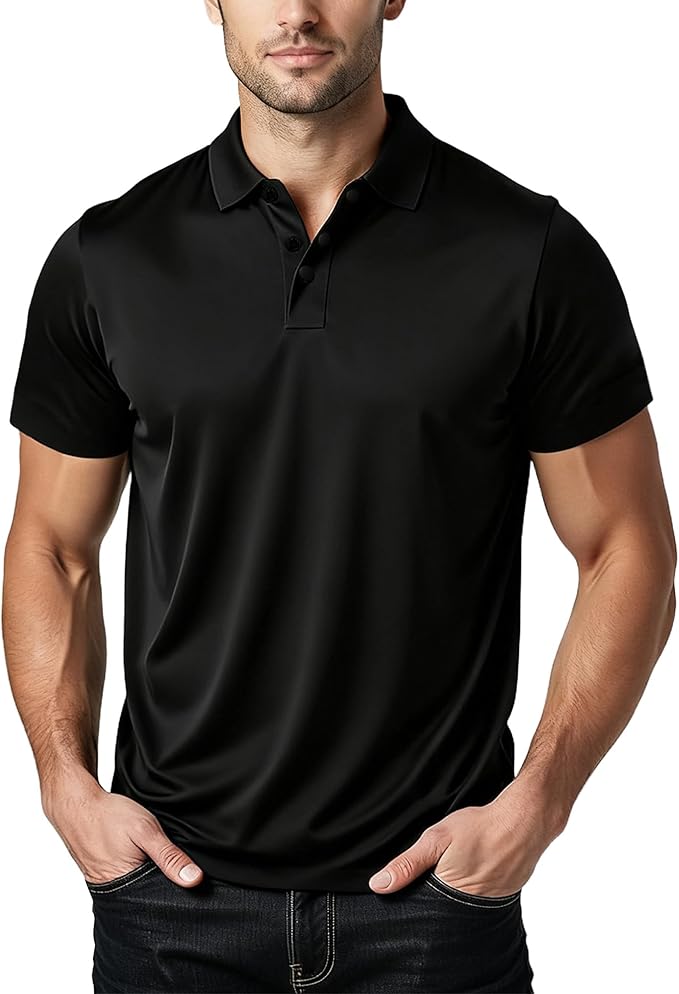
Men's Quick Dry Moisture Wicking Polo Shirt - High Elasticity Slim Fit Athletic Top (Runs Small)
$6.99 $29.99
46% OFF
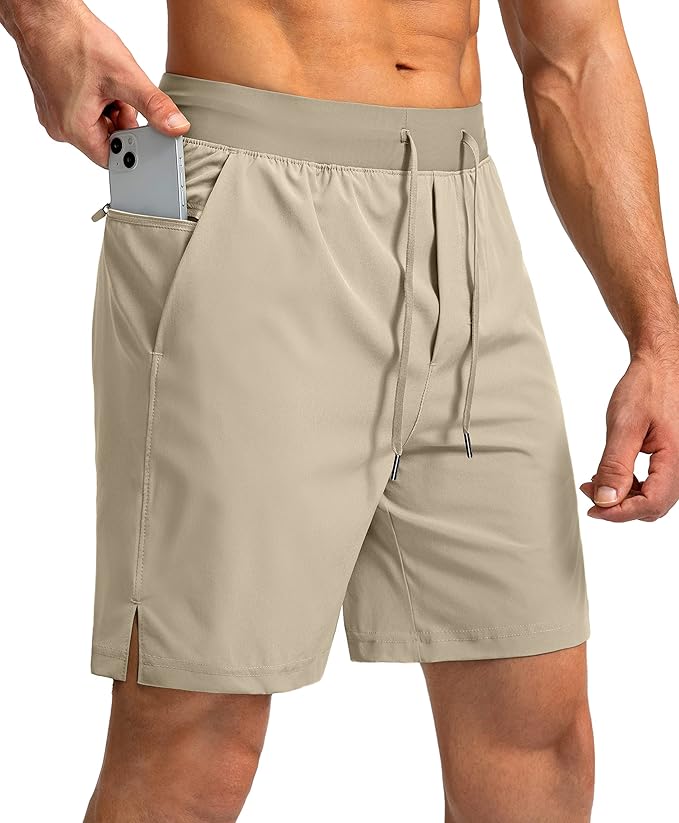
Men's Running Shorts with Zipper Pockets - Lightweight, Quick-Dry, Multi-Sport
$12.95 $23.99
50% OFF

NEWFAST NF-RE523 AC1200 WiFi Extender - 1200Mbps Dual Band Signal Booster & Internet Repeater
$18.5 $36.99
48% OFF

G Gradual Men's 7-inch Workout Running Shorts - Lightweight, Quick-Dry, Comfort
$12.91 $24.99
30% OFF
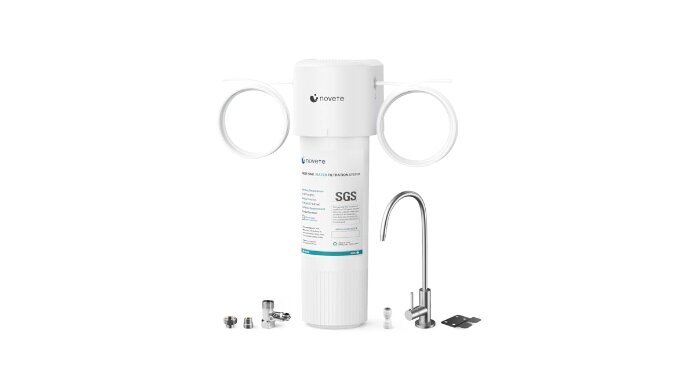
NOVETE Under Sink Water Filter - 3 Years, 30,000 Gallons, High-Efficiency Filtration
$41.99 $59.99
50% OFF

HDPE All-Weather Adirondack Chair with Built-In Cup Holder - Tool-Free Assembly (Grey)
$69.99 $139.99
60% OFF

HOMETUK Clear Plastic Storage Bins with Dividers - 3-Pack Stackable Acrylic Organizer Containers for Fridge and Pantry
$19.99 $49.99
58% OFF

G Gradual Men's Fishing Shirt - UPF 50+ Lightweight Short Sleeve Button Down with Zipper Pockets
$14.99 $35.99
55% OFF

Everyfun 60" Rectangular Platform Tree Swing - 700lbs Heavy Duty Adjustable Outdoor Swing (Colorful)
$49.99 $110.99
61% OFF

Ekouaer Women's Casual Loose Jumpsuit - One-Piece Printed Sleeveless Wide Leg Romper with Pockets
$14.99 $37.99
36% OFF

Men's Athletic Running Shorts with Zipper Pockets - Lightweight & Quick Dry
$12.74 $19.99
61% OFF

Modern Ceiling Fan with Light and Remote - Reversible Quiet DC Motor
$69.3 $179.99
50% OFF

MOOKA H13 True HEPA Air Purifier for Home Large Room - 1076 sq ft Odor Eliminator
$39.97 $79.95
40% OFF

X-Sense XS01-WX Smart Smoke Alarm - 2.4 GHz Wi-Fi Photoelectric Fire Detector with Mobile App Alerts
$65.99 $109.99
11% OFF

VitaUp Beet Root Gummies with CoQ10 & Grape Seed - Nitric Oxide Circulation Support (60 Count)
$24.91 $27.91

Sealy 2-Pack Tritech 16" Twin Inflatable Air Mattress with Built-in AC Pump
$0 $113.99
20% OFF

INTEX Prism Frame 20ft x 52in Above Ground Pool Set - Round Steel Frame Swimming Pool
$695.99 $869.99

Gardner Pet 43" Heavy Duty Dog Crate with Wheels - Indestructible Folding Metal Cage (Black)
$0 $149.99




-

Diary of a CEO’s Steven Bartlett and John Lennox discuss AI, faith and the search for meaning
-

Belfast churches 'heartbroken' over unrest
-

Is there a two-tier Britain?
-

Churches must disciple well and listen well in response to rise of Christian nationalism
-

Biblical models and the creation of King Arthur
-

Welsh reverend speaks of culture of fear over LGBT issues
Most Popular
News
Gloucester churches come together to bless River Avon amid pollution concerns
It is part of a broader campaign against river pollution as concerns remain about the amount of untreated sewage in the Avon.

Life beyond burnout: how Christians can grow in the desert seasons
Christian Today speaks to author and Anglican priest Tish Harrison Warren about growth in desert seasons and why the Church shouldn’t treat all spiritual weariness as a problem to fix.
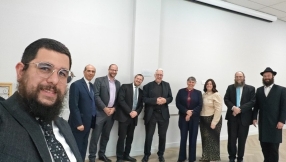
Iranian-born bishop stands in solidarity with Britain's Jews
2025 had the second highest number of antisemitic incidents on record.

Bishops protest Israeli arrest of another Palestinian Christian
An Evangelical Lutheran has been accused of "promoting terrorist activities".
MANSPOT Electric Pubic Hair Trimmer - Waterproof Body and Groin Shaver for Men and Women (Black)
$20.39
Lick-Safe Dog Paw and Nose Balm Stick - All-Natural Moisturizer with Coconut Oil for Dry, Cracked Pads and Snout
$11.69
Men's Quick Dry Moisture Wicking Polo Shirt - High Elasticity Slim Fit Athletic Top (Runs Small)
$6.99
Men's Running Shorts with Zipper Pockets - Lightweight, Quick-Dry, Multi-Sport
$12.95
NEWFAST NF-RE523 AC1200 WiFi Extender - 1200Mbps Dual Band Signal Booster & Internet Repeater
$18.5
G Gradual Men's 7-inch Workout Running Shorts - Lightweight, Quick-Dry, Comfort
$12.91
NOVETE Under Sink Water Filter - 3 Years, 30,000 Gallons, High-Efficiency Filtration
$41.99
HDPE All-Weather Adirondack Chair with Built-In Cup Holder - Tool-Free Assembly (Grey)
$69.99
HOMETUK Clear Plastic Storage Bins with Dividers - 3-Pack Stackable Acrylic Organizer Containers for Fridge and Pantry
$19.99
G Gradual Men's Fishing Shirt - UPF 50+ Lightweight Short Sleeve Button Down with Zipper Pockets
$14.99
Everyfun 60" Rectangular Platform Tree Swing - 700lbs Heavy Duty Adjustable Outdoor Swing (Colorful)
$49.99
Ekouaer Women's Casual Loose Jumpsuit - One-Piece Printed Sleeveless Wide Leg Romper with Pockets
$14.99
Men's Athletic Running Shorts with Zipper Pockets - Lightweight & Quick Dry
$12.74
Modern Ceiling Fan with Light and Remote - Reversible Quiet DC Motor
$69.3
MOOKA H13 True HEPA Air Purifier for Home Large Room - 1076 sq ft Odor Eliminator
$39.97
X-Sense XS01-WX Smart Smoke Alarm - 2.4 GHz Wi-Fi Photoelectric Fire Detector with Mobile App Alerts
$65.99
VitaUp Beet Root Gummies with CoQ10 & Grape Seed - Nitric Oxide Circulation Support (60 Count)
$24.91
Sealy 2-Pack Tritech 16" Twin Inflatable Air Mattress with Built-in AC Pump
$0
INTEX Prism Frame 20ft x 52in Above Ground Pool Set - Round Steel Frame Swimming Pool
$695.99
Gardner Pet 43" Heavy Duty Dog Crate with Wheels - Indestructible Folding Metal Cage (Black)
$0