
The prime minister of Turkey inaugurated a church, a synagogue, and a mosque, just days before the European Union is to decide on whether to start membership talks with the predominantly Muslim nation, the Associated Press reported Thursday.
"Beyond its symbolic importance, this project gives the message of peace and brotherhood to whole world," Prime Minister Recep Tayyip Erdogan said Wednesday at the inauguration ceremony, as reported by AP.
Erdogan, a devout Muslim, is reportedly keen to project a positive image of the country's treatment of minorities as the European Union decides whether to open membership talks with Ankara. Along with many other nations and organizations, the 25-member bloc has expressed concern about Turkey's treatment of religious and ethnic minorities, adding that improved rights for minorities are a condition for Turkish membership.
Mission Network News (MNN), which reported last month that pressure from the EU and human rights' watchers may push Turkey to action, stated that authorities have been slowly changing its treatment of religious minorities—a giant step of renovation—undoing over eight decades of 'state' interference.
"Turkey is wanting to become part of the European Union and have gone through some of the early processes in seeing that happen," International Needs Network's Rody Rodeheaver told MNN.
According to AP, Wednesday's inauguration of the houses of worship was a bid to showcase Turkey as a country that respects religion and was made possible only after Turkey changed laws that restricted the opening of houses of worship other than mosques to boost its chances of EU membership.
However, according to a report by New York-based Human Rights Watch (HRW) released earlier this year, though there had undeniably been "constant improvements" in Turkey, the "present situation concerning press freedom, religious freedom and respect of minority rights is far from perfect."
Problems still remain.
"Turkey's Catholic citizens cannot claim a title of ownership on the churches they use, let alone request permission for new ones when there is need," a Vatican representative in Turkey told AP.
Turkey also is under pressure to reopen an Orthodox theology school on an island outside Istanbul that trained generations of church leaders, including Ecumenical Patriarch Bartholomew I, until Turkish authorities closed it in 1971.
With EU membership at stake for Turkey, Bartholomew has been heightening his criticism of the Turkish government; increasing calls for the reopening of the theology school.
Most recently, a furor in Turkey ignited by the title of Bartholomew on a U.S. embassy invitation underscored concerns about the predominantly Muslim nation's treatment of minorities.
The invitation, which referred to Bartholomew as "ecumenical patriarch," was not well received by Turkey as it rejects the patriarch's use of the title "ecumenical," or universal and has long refused to accept any international role for the patriarch. The title "ecumenical" has long been accepted by the United States and Europe.
Though Bartholomew is the spiritual leader of the world's Orthodox Christians, is considered "first among equals" of the world's Orthodox patriarchs, and directly controls several Greek Orthodox Churches around the world; Turkey argues the patriarch is merely spiritual leader of Istanbul's dwindling Orthodox community of less than 3,000.
"Turkey's desire to contain Bartholomew's influence to Istanbul stems from a deep mistrust many Turks feel toward the patriarchate because of its traditional ties with Greece—Turkey's historical regional rival," AP reported
In a statement issued by the EU, the bloc specifically noted that "the ecclesiastical title of Ecumenical Patriarch is still banned."
It also said that in Turkey, "religious freedom is subject to serious limitations as compared with European standards."
European leaders will decide in a Dec. 16-17 summit whether to begin EU accession talks with Turkey.
Kenneth Chan
Ecumenical Press
-
Church of England faces ‘financial disaster’ without radical cuts, academics warn
-

‘The UK is a mission field’ - churches encouraged to embrace cross-cultural mission on their doorstep
-

Hillsong’s Joel Houston opens up about season of 'soul-searching' after difficult few years
-
The Conversion Practices Bill is weaponised vagueness
News
-
Priest dies after cross falls on him during livestreamed Mass
-

Hillsong’s Joel Houston opens up about season of 'soul-searching' after difficult few years
-

The Conversion Practices Bill is weaponised vagueness
-
Afghanistan's first dedicated Christian TV channel launches despite Taliban restrictions
-

The Christian candidate who lost the election but won my respect
-

Christians remember Aberfan disaster 60 years on
Most Popular
News
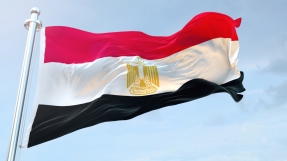
Arrest of Christians in Egypt over TikTok comedy video condemned
The arrest of six young Christians in Egypt over a TikTok video recreating a scene from a comedy film has been condemned by religious freedom and human rights organisations.

Churches urged to tackle loneliness by making friendship a priority
Churches are being encouraged to put friendship at the heart of their ministry as concerns grow over rising loneliness in society and within congregations themselves.

Micah 6:8: Walking humbly with God in the ordinary everyday life
God is already present. The question is: will we live conscious of His presence?
Christians calls on British Medical Association to drop opposition to NHS trans guidance
The BMA is “deeply concerned" the guidance is "exclusionary to trans and non-binary staff and patients”. Christian Concern says guidance should be determined by biological sex.








