Hungry children are 'ripping the bags open to get at the food', says Burnley pastor

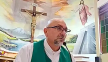
Pastor Mick Fleming delivering food to a home in Burnley. (Photo: BBC News)

A pastor in Burnley distributing food to the local community has spoken of "unprecedented and upsetting" levels of need after nearly a year of coronavirus.

Mick Fleming, of Church on the Street, wept as he told the BBC that in some homes he has visited, hungry children have been "ripping the bags open to get at the food".

"It's not all right, that. That's not all right," he said. 

Fleming has been distributing hot meals for poor members of the local community throughout the pandemic. He echoed what many church leaders have been saying - that the crisis is hitting the poorest the hardest. 

"Politicians say it was a leveller, this coronavirus; it's a lie because if you're poor you've got no chance," he said.

The pastor said that some of the people who turn up to the food distribution at night have jobs but still cannot make ends meet. 

"The need's massive, absolutely colossal," he said. 

"The level of need here in Burnley I think is unprecedented and it's upsetting," he added. 

News
Churches need to support marriage, says Les Isaac 

The Street Pastors founder said that Christian marriages are in need of serious help and repair.

How digital technology is bringing the Welsh Bible to more people

The digital age is making the Welsh Bible even more accessible.

The story of St David’s Day

Every year on March 1, people across Wales and Welsh communities around the world mark St David’s Day - a celebration of the country’s patron saint, its culture, and its proud heritage. But who was St David and why is he Wales’ patron saint?

What a recent doctor's visit taught me about modern Britain

Attention is one of the purest forms of love but so many people are going unnoticed, writes J John.