The Church in Hong Kong is being increasingly squeezed into the "cracks", a high profile Church leader has said.
The Bishop of Hong Kong, Stephen Sau-yan Chow, wrote in the local Catholic magazine, the Sunday Examiner, that the existence of the Church in the former British colony could be likened to plants growing up through the cracks in paving.
He suggested that there is not so much freedom for people to say what they think as there was before.
"I can feel that Hong Kong, including our Church, is becoming more like an existence within cracks," Chow said.
"We used to enjoy much space and freedom of expression when we could express our opinions in any way we like."
After years of increasingly tight restrictions under the controversial National Security Law, Bishop Chow said that the freedom once "taken for granted" in Hong Kong "seems diminishing".
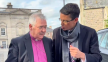
He was writing after the recent arrest and detention of Catholic Cardinal Joseph Zen. The 90-year-old and several others were accused of "collusion" with foreign forces.
The Cardinal's arrest in May was connected to his work at the former entity, the 612 Humanitarian Relief Fund, which used to provide financial assistance to pro-democracy campaigners to help cover their legal costs and medical bills. The organisation was wound down last year.
Cardinal Zen was released on bail but his arrest sparked international outcry from governments and human rights groups.
Not long after the National Security Law came into force in 2020, the retired Church leader said he was ready to endure trials and arrests if necessary.
The National Security Law criminalises secession, subversion, terrorism, and collusion with foreign or external forces.