Joel Hunter, an evangelical pastor who backed Joe Biden for president, says white evangelicals have been "sent to the time out chair" over their vocal support for Trump.
The retired megachurch pastor, who has counselled presidents including Barack Obama, made the comments after white evangelicals were noticeably absent from the list of special guests at Thursday's presidential inaugural prayer service.
The service is a tradition for new presidents and dates back to the first inauguration of President George Washington in 1789.
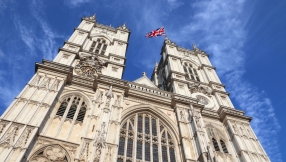
The interfaith service, livestreamed online, was hosted by the Washington National Cathedral with other contributors joining virtually.
It was the first service to be attended by President Biden following his inauguration on Wednesday.
The homily was delivered by Bishop William J Barber II, with musical performances from Josh Groban, Patti LaBelle and The Clark Sisters.
Other guest contributors included the Most Rev Michael Curry, Primate of the liberal US Episcopal Church, Sojourners founder Jim Wallis, Obama's former pastor the Rev Dr Otis Moss III, and liberal Christian author and speaker Jen Hatmaker.
Organiser Dr Tony Allen said the service would "honour the role of faith in our country, and provide a moment to reflect on the unprecedented challenges we face, as we enter this new American chapter of healing to beat the pandemic, build back our economy better, and unify our country."
Commenting on the absence of white evangelical leaders from the guest list, Hunter suggested they had been snubbed because of their support for Trump.
"This morning's Interfaith Prayer Service was beautiful," he said on Twitter.
"So many religions represented...except for conservative white evangelicals, who it seems have been sent to the Time Out chair.
"I get it. When we fail to speak up for inclusion, we reap what we've sown."