
The Incitement of Religious Hatred Bill has been outlined again in the Queen's Speech this week, and although the government claims that the revised bill will not affect 'criticism, commentary or ridicule of faiths', religious groups and Christian organisations have spoken out very openly against the bill. They have emphasised that it could lead towards restrictions on freedom of speech.
"The announcement of the Government's intention to re-introduce this controversial legislation that was successfully opposed during the last Parliament is no surprise, given Labour's manifesto commitment and election pact with the Muslim Council of Britain," expressed Dr. Don Horrocks, Head of Public Affairs for the Evangelical Alliance.
Similar proposals appeared prior to the election, and ministers as well as the government expressed that under the current rules for offences of incitement to racial hatred in the Public Order Act 1986, members of some religions are protected against religious hatred, but some are still not. They defended proposals saying that "the offence would not be an assault on people's rights to simply disapprove of the beliefs, teachings or practices of a religion."
According to the Government, the offence applies to "members of extremist organisations who stir up hatred against members of minority faiths and to individuals who seek to stir up hatred against those who do not share their faith."
However, with the penalties imposed being up to seven years in jail for those deemed to incite religious hatred, there is concern that this legislation could serve to even criminalise certain preachers.
"Despite its noble intention, we still consider that this legislation, unless significantly altered, is likely to undermine freedom of speech, damage community relations and usher in a new climate of illiberalism and repression," added Dr. Horrocks
"Whilst we are opposed to hatred being whipped up against any section of the community, we believe there are sufficient laws already in place through the criminal law to ensure that such behaviour can be dealt with. The Incitement to Religious Hatred Bill will in fact and in law, curb freedom of speech about which every Christian should care passionately," protested Andrea Minichiello Williams, the Public Policy Officer for the Lawyer's Christian Fellowship.
"Every member and minister of the Church of England should fight for this great freedom. With the proposed new offence we will see a chilling effect on how people talk about their faith in the public square and our opportunities to share the Gospel will suffer," emphasised Mrs. Minichiello Williams.
-

Sharing your faith: practical tips for evangelism
-

‘The UK is a mission field’ - churches encouraged to embrace cross-cultural mission on their doorstep
-

Hillsong’s Joel Houston opens up about season of 'soul-searching' after difficult few years
-
The Conversion Practices Bill is weaponised vagueness
News
-

Priest dies after cross falls on him during livestreamed Mass
-
The Conversion Practices Bill is weaponised vagueness
-

Hillsong’s Joel Houston opens up about season of 'soul-searching' after difficult few years
-

Christians remember Aberfan disaster 60 years on
-

Afghanistan's first dedicated Christian TV channel launches despite Taliban restrictions
-

The Christian candidate who lost the election but won my respect
Most Popular
News

Fresh violence in Manipur leaves four dead as security is tightened
Security forces have stepped up operations in affected areas amid fears of further unrest.
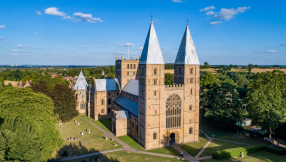
Southwell Minster faces closure amid £20m funding crisis
Southwell Minster is seeking urgent financial support to keep its doors open after decades of underinvestment that has left it needing around £20m to safeguard its historic building and grounds.
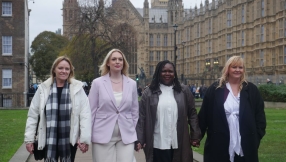
Christians welcome NHS changing room policy reversal after nurses' legal victory
The Christian Legal Centre has welcomed a decision by County Durham and Darlington NHS Foundation Trust to change its staff changing-room policy following a three-year legal battle with female nurses.

Three arrests after deadly Jordan church attack
Jordan has made three arrests following a deadly shooting at a church during a funeral.








