Eritrea has freed 21 female Christian prisoners but the country's forces stands accused of attacking churches in the troubled Tigray region of neighbouring Ethiopia.
The women, all reportedly young mothers, had been held in an island prison on the Red Sea since last August.
They were arrested in 2017 after a series of raids on underground churches by the Eritrean authorities. Many of their husbands were conscripts, leaving their children without anyone to care for them, human rights group Release International Reports.
They are the latest Christians to be freed from prison in a string of unexpected prisoner releases over the past half year.
Last month, 70 Christians from evangelical and orthodox backgrounds were freed, and another 27 last September. In total, 171 Christians have been freed since last August.
There are still around 130 Christians in Eritrean prisons and an unknown number of army conscripts locked up for practising their faith. A further 150 Christian prisoners are believed to be detained by the army, but little is known about them, Release said.
Although the charity has given a cautious welcome to the prisoner releases, it warns that this good news is being overshadowed by attacks on churches in Tigray by Eritrean forces.
A massacre in the sacred city of Axum killed an estimated 800 people, including many priests and church members.
The attack involved the Church of St Mary of Zion in Axum, which Ethiopians traditionally believe is home to the Ark of the Covenant, which held the Ten Commandments.
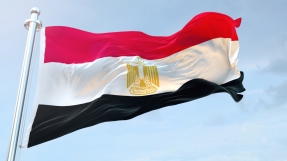
Eritrea has denied involvement in the fighting in Tigray, but local witnesses have reported troops in Axum identifying themselves as Eritrean. They also claim to have seen Eritrean forces hoisting their flag and distributing Eritrean identity cards to Ethiopians under their control.
"Despite the prisoner releases in Eritrea, these horrific church attacks suggest it's far too soon to suggest a change of heart towards Christianity," said Release CEO Paul Robinson.
"The attacks on churches in Tigray are appalling, and Eritrea continues to hold many senior pastors who have been detained indefinitely – some for up to 17 years.
"Until all are set free and the killing of Christians stops it's too soon to talk of lasting change.
"Any such change would have to be proven by giving full freedom of religion to all Eritrea's citizens."
Local Release partners believe the prisoner releases may have been carried out in order to curry favour with Ethiopia's prime minister, who is a Christian.
"Our partners believe Eritrea is trying to extend its influence in the Horn of Africa," said Robinson.
Release International partner Dr Berhane Asmelash believes the assault on Tigray churches is more about power than religion.
"Religion is power. Every village has a church. The church is the centre of the community. Remove the church and the community will be left without leaders," he said.
"The Eritreans believe if they kill the priests and leaders, they can easily manipulate the people. So wherever they go, if they see a priest they will kill him."