The Church of England may institute a quota on black and minority ethnic clergy within its ranks as well as institute anti-racism training, according to a report leaked Saturday.
The Spectator obtained a copy of a report set to be turned into the Archbishops' Council by the Church of England's anti-racism task force, which was established after Archbishop of Canterbury Justin Welby apologized for the denomination's racist past last year.
The British magazine reports that the title of the document, slated to be released to the public on April 22, is "From Lament to Action: Report of the Archbishops' Anti-Racism Taskforce."
The report is understood to include a recommendation for a quota for black and minority ethnic clergy, revamping education in schools run by the denomination and dealing with controversial statues and monuments.
The task force was formed last year after Welby called for statues and memorials in churches and cathedrals linked to the slave trade to be brought down. The call came in the wake of Black Lives Matter protests in the United States following George Floyd's death.
Of the 42 diocesan bishops across the country, only one is from a black or minority ethnic background. That person is Guli Francis-Dehqani, the bishop of Chelmsford.
In 2012, 96% of the Church of England senior staff — bishops, archdeacons and cathedral clergy — were white British. That figure dropped down to nearly 94% in 2019, according to The Telegraph.
The task force has suggested that at least "one UK minority ethnic clergy (is) elected from each region." Additionally, all shortlists for clergy recruitment should include "at least one appointable UK minority ethnic candidate."
The task force reportedly calls for "programme cohorts" to have a minimum of 30% "UKME participation" to "build up pipeline supply." The report also states that the denomination will develop an "online module for anti-racist learning programme."
The task force recommends that church-affiliated primary and secondary schools "develop a broad RE curriculum with specific reference to the promotion of racial justice." The report encourages schools to celebrate Black History Month.
The reforms will be funded and overseen by a proposed Racial Justice Unit, which will have a five-year fixed-term.
The draft document recommends that church officials "acknowledge, repent and take decisive action to address the (CoE's) shameful history and legacy," referring to the Church's involvement in the transatlantic slave trade.
Church Officials should also "deal with any part of the church building that may cause pain or offence" to ensure spaces are "welcoming spaces for all."
"The BLM movement and in particular the dumping of the Colston statue in Bristol docks shed new light and brought needed urgency to the C of E's consideration of its own contested heritage," the report is quoted as saying.
Last June, Welby told BBC Radio 4 that the controversial statues "need to be put in context."
"Some will have to come down. Some names will have to change," he added. "The church, goodness me, you just go round Canterbury Cathedral, and there are monuments everywhere or Westminster Abbey. We are looking at all that, and some will have to come down."
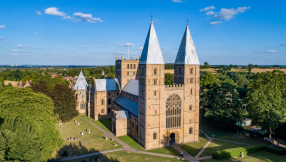
The Times reported at the time that many Church of England dioceses were conducting audits to document who is memorialized in the denomination's 16,000 churches and 42 cathedrals after leaders showed their willingness to alter or remove some monuments.
But "if only the sinless can be remembered, we're only going to have memorials to Christ," a London priest, who was not named, told The Times in response to Welby's comments.
"We have bucket-loads of saints, martyrs, heroes and heroines, buildings acquired and built with dubious money, but no one is unblemished, all have sinned," the Rev. Andy Bawtree, a vicar at River Parish Church near Dover, was quoted as saying. So "where do you stop?"
Courtesy of The Christian Post