Christians brutally slain in suspected terrorist attack

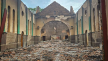
Three Christians had their throats slit and a fourth was beheaded in a horrific attack in Indonesia on Friday.

A Salvation Army post and the homes of Christians were also burned down in the attack in Central Sulawesi, International Christian Concern reports.

National police spokesman Awi Setiyono said the attack was carried out by around 10 people belonging to a "terrorist" group, according to Reuters.

Gina Goh, ICC's Regional Manager for Southeast Asia, called on the Indonesian government to hold the perpetrators to account. 

"Such senseless act cannot be tolerated in the country that boasts 'Pancasila,' the state ideology which promotes religious harmony and tolerance," she said. 

Human Rights Watch researcher Andreas Harsono told Reuters, "This attack is another serious escalation against the Christian minority in Indonesia."

The attack comes two years after 15 people were killed and another 57 injured in suicide bombing attacks on three churches in Surabaya, East Java. 

The perpetrators of that attack were suspected to be affiliated with the Islamic State. 

 

News
Christians urged to speak out against 'conversion practices' bill

The call comes amid warnings from The Christian Institute that the proposals could threaten parental guidance and pastoral ministry.

Churches challenged to make single Christians feel fully part of church life

Churches need to move beyond assumptions that marriage and family are the normal markers of a fulfilled Christian life and create communities where single people are fully valued, speakers at the inaugural Single Friendly Church Network conference have said. 

Liechtenstein Prince blocks abortion law reform, advocates greater support for mothers

Liechtenstein’s Hereditary Prince Alois has refused to approve legislation that would have eased the country’s abortion restrictions, arguing that greater efforts should instead be made to support pregnant women.