
If the finding is found to be authentic, it would be constitute the earliest known Christian writings.
The text is in the form of codices written onto credit-card-sized sheets of lead and bound with lead rings.
The fragments of text that have been translated so far and the images and symbols on the “books” indicate that they are Christian.
Many of the 70 books are sealed, leading to speculation that they contain secret writings.
The haul was discovered five years ago after a flash flood exposed two niches inside a cave in remote northern Jordan.
Experts believe the books could date back to the first decades after Jesus’s crucifixion and Resurrection.
Jordan’s Department of Antiquities, Ziad al-Saad, was quoted by the BBC as saying that the find may be more significant than the Dead Sea Scrolls.
He said: “Maybe it will lead to further interpretation and authenticity checks of the material, but the initial information is very encouraging, and it seems that we are looking at a very important and significant discovery, maybe the most important discovery in the history of archaeology.”
-

Sharing your faith: practical tips for evangelism
-

‘The UK is a mission field’ - churches encouraged to embrace cross-cultural mission on their doorstep
-

Hillsong’s Joel Houston opens up about season of 'soul-searching' after difficult few years
-
The Conversion Practices Bill is weaponised vagueness
News
-
Priest dies after cross falls on him during livestreamed Mass
-

John Lennox urges Christians to overcome fear of sharing their faith
-
The Conversion Practices Bill is weaponised vagueness
-

Hillsong’s Joel Houston opens up about season of 'soul-searching' after difficult few years
-
Anti-Christian harassment continues to rise in Jerusalem
-

Young people are finding their way to the Christian faith through media, says bishop
Most Popular
News
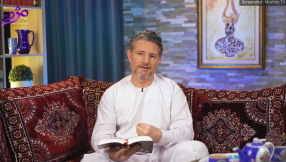
Afghanistan's first dedicated Christian TV channel launches despite Taliban restrictions
Mozhda TV, which its founders describe as the first Afghan Christian television channel, began broadcasting Saturday, Oct. 24, as church leaders, mission partners and Afghan believers gathered to mark its launch.
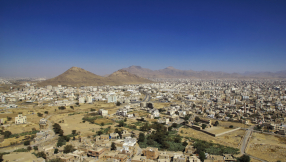
Yemen is key funding hub for Islamic State attacks on Christians - report
The report warns that Christians are seen as a particular target by the Islamic State.
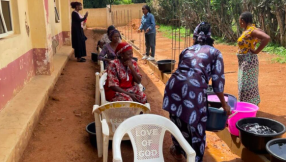
Christian widows in Nigeria hold fast to faith as they rebuild lives after violence
Hundreds of Christian widows in Nigeria’s Plateau State are putting their lives back together after losing husbands, homes and livelihoods to violence.
8 killed in attack on church in Jordan
In response to the shooting, Church leaders vowed that Christians will not be driven from their homeland.








