Despite intense persecution, the tiny Christian community in Afghanistan is growing, according to Voice of the Martyrs (VoM).
In its new annual Global Prayer Guide, Afghanistan has been designated a "restricted" country because of the severity of the persecution being experienced by Christians.
It attributes this to radical Islam and "violent tribal political activity", which it says has made Afghanistan "a difficult and dangerous place" for Christians to practise their faith.
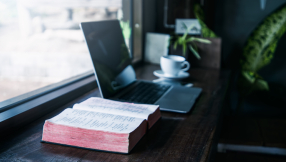
Owning a Bible is "extremely dangerous" but online and other digital versions are available to believers there, the ministry says.
"Both local and national governments are highly antagonistic toward Christians," the prayer guide says.
"Extremist groups, including the Taliban and the self-proclaimed Islamic State (ISIS), are active, and believers are also persecuted by their families, friends and communities."
It is a year since the US and other Western countries pulled out of Afghanistan, plunging the country back into oppressive Taliban rule.
According to VoM, some Christians have fled abroad while those still inside Afghanistan must be "highly secretive" about their faith, meeting only in homes or other small venues because there are no church buildings.
Despite the risk to their life, house churches are reportedly growing.
"Although waves of Christians have moved to neighboring countries to worship openly, Afghan house churches continue to grow," it said.
"A small number of Christians are martyred every year in Afghanistan, but their deaths generally occur without public knowledge. A few are also in prison, but imprisonment is not common.
"Christian converts from Islam are often killed by family members or other radicalized Muslims before any legal proceedings can begin."