
Ministers have recently confirmed that a world-leading centre in stem cell science and regenerative medicine is to be built in Edinburgh and is expected to be completed by 2010.
Additional Scottish Executive funding of £24m will allow Edinburgh University to develop the £59m centre in collaboration with Scottish Enterprise.
Directed by Prof Ian Wilmut, formerly of the Roslin Institute, the Scottish Centre for Regenerative Medicine (SCRM) is thought to be equalled only by one in Kobe, Japan.
The state-of -the-art facilities are expected to house 220 academic researchers and will include a centre for "scale-up" development and manufacture of cells. Space will also be made available for commercial regenerative medicine.
Supporters expect that the SCRM, which will be part of the new Centre for Biomedical Research at Edinburgh's Little France, will create about 560 jobs and generate £18.2m per year for the Scottish economy.
"This will be a fantastic development for Edinburgh, a significant boost to the Scottish economy and will be at the forefront of improving the lives of people right around the world for decades to come," said First Minister Jack McConnell during a visit to the site.
Mr McConnell said the project will draw on the country's well-established strengths in regenerative medicine using stem cell technologies and allow Scotland to become a European leader in medical research.
"The technologies and potential health treatments based on stem cell research have tremendous potential for both health and economic development, with the prospect of delivering significant breakthroughs in the clinical treatment of some of the most degenerative diseases," he added.
The announcement comes as the Human Fertilisation and Embryology Authority is expected to make an announcement about research into hybrid embryos.
The research, which involves the creation of part-animal, part-
human embryos, has sparked controversy but leading scientists believe its use could help patients with serious diseases such as Alzheimer's and motor-neurone disease.
Prof Wilmut, who joined other experts earlier this week in urging the fertility watchdog not to bar research into hybrid embryos, stressed his belief that it was necessary and claimed the procedure would be carried out using transplanting cells at the new centre, if allowed.
The centre would make a significant contribution to the health of many people across the world, said Prof Timothy O'Shea, University of Edinburgh principal.
"Scotland has a world lead in fundamental stem cell sciences," he added. "The most important area of application is regenerative medicine, particularly in relation to degenerative diseases such as multiple sclerosis and Parkinson's disease."
As well as the £24m package announced by the executive, the university will put in £19m and a further £16m will be provided by the Scottish Enterprise, subject to its board's approval later this month.
"My colleagues within the Scottish Enterprise Network have been working extremely closely with our partners to bring this project to fruition and position Scotland as a global leader in stem cell research and development," said Jack Perry, chief executive of Scottish Enterprise.
Anne Glover, chief scientific adviser for Scotland, added: "Scotland is internationally renowned for the breadth and depth of its stem cell expertise.
"This initiative has the potential to significantly expand areas for research and development and further strengthens Scotland's international profile in this area."
Meanwhile, the Church of England remains "profoundly uneasy" about the use of human genetic material, "no matter how it is packaged," according to spokesman Steve Jenkins.
And the Church of Scotland spoke out strongly against the use of hybrid embryos earlier in the week.
"It is hard to see what respect is being shown in creating an embryo, purely to extract cells from it, which is both a hybrid of human and animal, and which is thereby so disrupted that it could never be viable."
The Church of Scotland added that creating mixed status embryos was "a line not to be crossed".
"We also hold that humans and animals, though having many similarities, are nonetheless different in more than just the biological distinctions among species," it said.
11% OFF

VitaUp Beet Root Gummies with CoQ10 & Grape Seed - Nitric Oxide Circulation Support (60 Count)
$24.91 $27.91
50% OFF
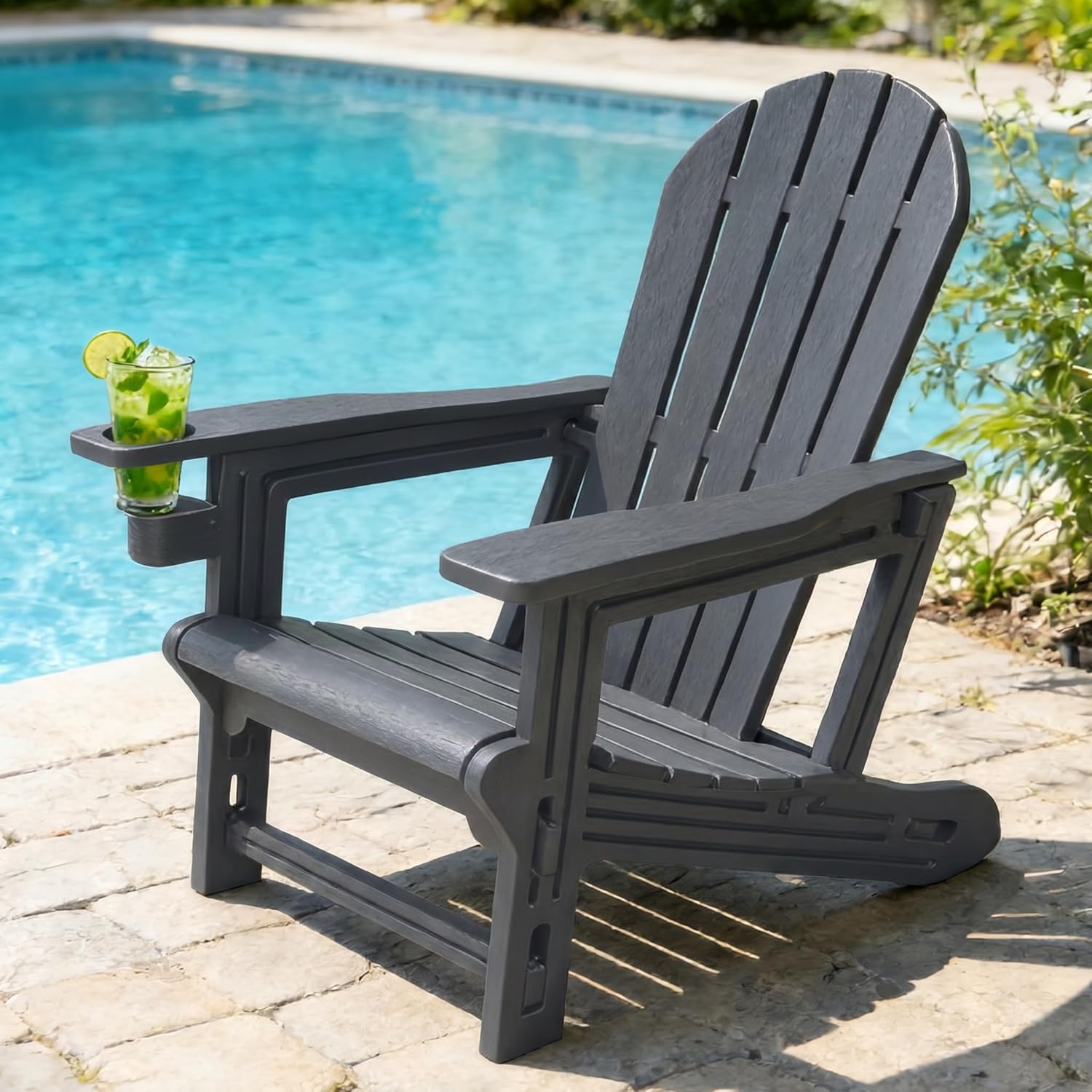
HDPE All-Weather Adirondack Chair with Built-In Cup Holder - Tool-Free Assembly (Grey)
$69.99 $139.99
60% OFF

HOMETUK Clear Plastic Storage Bins with Dividers - 3-Pack Stackable Acrylic Organizer Containers for Fridge and Pantry
$19.99 $49.99
58% OFF
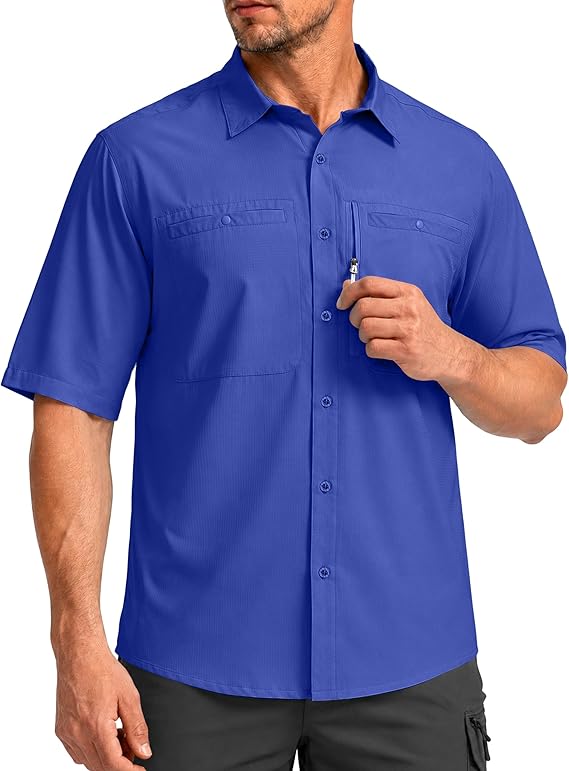
G Gradual Men's Fishing Shirt - UPF 50+ Lightweight Short Sleeve Button Down with Zipper Pockets
$14.99 $35.99
55% OFF

Everyfun 60" Rectangular Platform Tree Swing - 700lbs Heavy Duty Adjustable Outdoor Swing (Colorful)
$49.99 $110.99
61% OFF
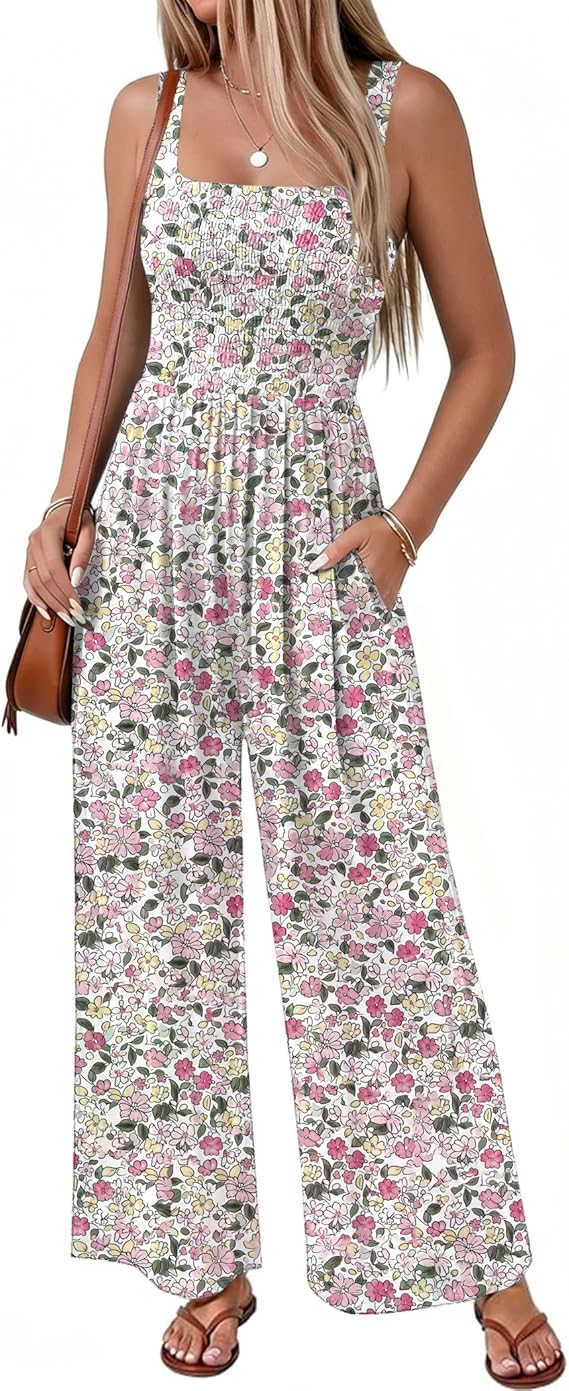
Ekouaer Women's Casual Loose Jumpsuit - One-Piece Printed Sleeveless Wide Leg Romper with Pockets
$14.99 $37.99
40% OFF

ROTAKE TB3 20V Heavy Duty 1/2" Cordless Impact Wrench Kit - 1380 Ft-Lbs Torque
$132 $219.99
36% OFF

Men's Athletic Running Shorts with Zipper Pockets - Lightweight & Quick Dry
$12.74 $19.99
61% OFF
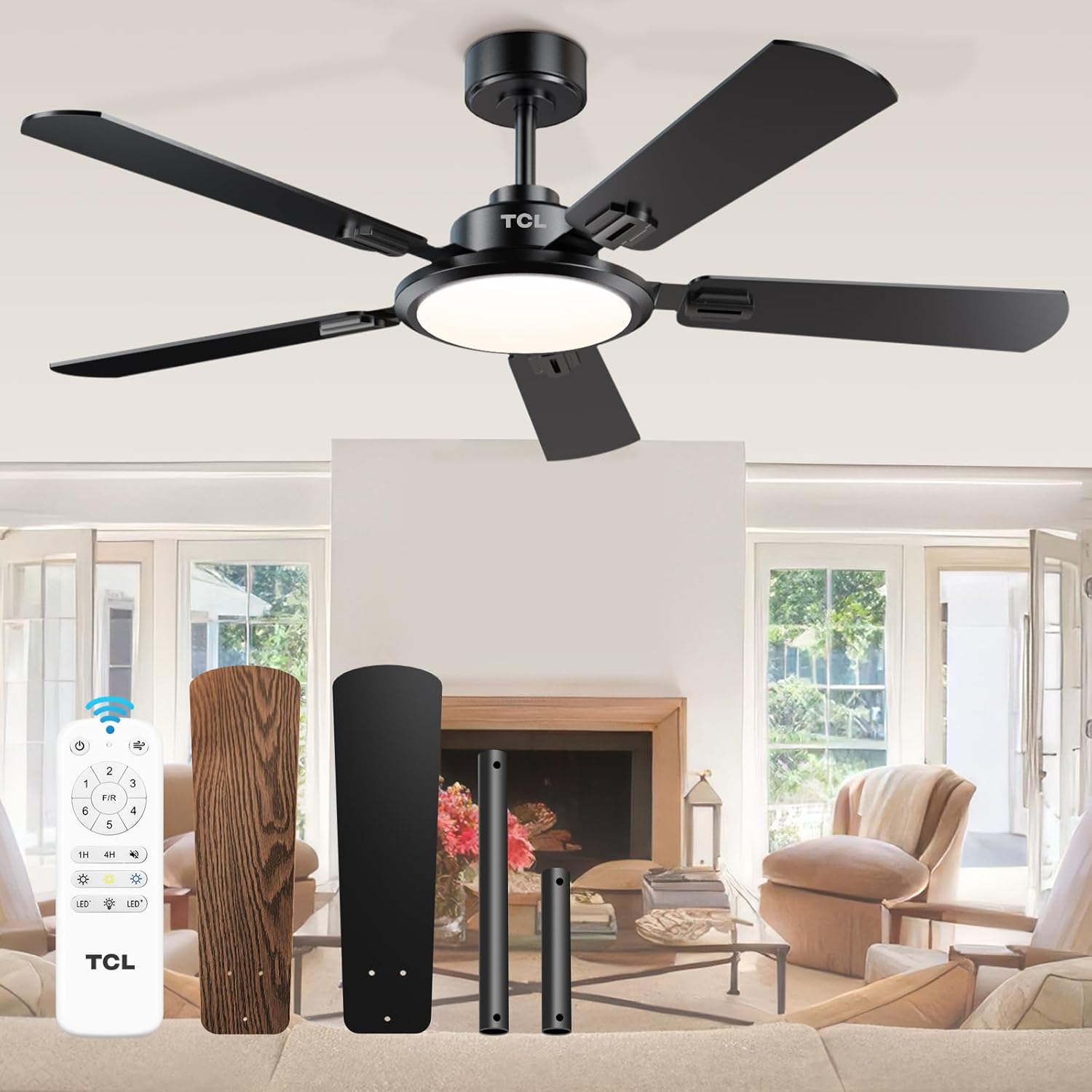
Modern Ceiling Fan with Light and Remote - Reversible Quiet DC Motor
$69.3 $179.99
50% OFF

MOOKA H13 True HEPA Air Purifier for Home Large Room - 1076 sq ft Odor Eliminator
$39.97 $79.95
60% OFF

Ekouaer Women's Satin Silky Pajama Set - Short Sleeve Pullover Top & Wide-Leg Pants
$13.99 $34.99
55% OFF

Ekouaer 3-Piece Maternity & Nursing Pajamas Set - Short Sleeve Top with Shorts and Pants
$14.99 $32.99
Sealy 2-Pack Tritech 16" Twin Inflatable Air Mattress with Built-in AC Pump
$0 $113.99
20% OFF
INTEX Prism Frame 20ft x 52in Above Ground Pool Set - Round Steel Frame Swimming Pool
$695.99 $869.99

Gardner Pet 43" Heavy Duty Dog Crate with Wheels - Indestructible Folding Metal Cage (Black)
$0 $149.99
12% OFF

Elegant Mid-Century Modern Bar Stools - Set of 4
$395.99 $449.99
23% OFF
Ergonomic Office Chair - Big and Tall Desk Chair with Adjustable Lumbar Support
$279.99 $363.99
26% OFF

Magnelex American Flag Windshield Sun Shade - High-Resolution UV Reflective Heat Shield (X-Large)
$19.9 $26.9
20% OFF
EVIQO 48 Amp NACS Level 2 EV Charger - Hardwired Smart WiFi Wall Charger for Tesla
$368.51 $458.55
50% OFF

DBFIT Air Purifier for Home Large Room
$29.99 $59.99




-

Historic Lancashire church secures £250,000 National Lottery grant for major roof repairs
-

Sunderland Minster PCC was right to push back over trans toilet sign
-

Bethel Church distances itself from Todd Bentley and Mike Bickle
-

Christian police officer reaches settlement over diversity training discrimination claim
-

Turkey's hidden Christian past: Extraordinary discoveries are rewriting the story of early Christianity
-

Washington Archdiocese parts ways with exorcist priest over UFO remarks
Most Popular
related articles
Christians Anxious after EU Decision to Continue Stem Cell Funding
Christians Anxious after EU Decision to Continue Stem Cell Funding
SPUC Criticises Blair's Endorsement of Embryonic Stem Cell Research
SPUC Criticises Blair's Endorsement of Embryonic Stem Cell Research
Scotland to Open Controversial £2m Stem Cell Factory
Scotland to Open Controversial £2m Stem Cell Factory
Church of England 'Profoundly Uneasy' About Stem Cell Research
Church of England 'Profoundly Uneasy' About Stem Cell Research
News

A Christian response to the crisis facing young people
The Church has a wonderful message of hope to share with young people increasingly feeling a sense of nihilism and hopelessness at the state of the world, writes Tim Farron.

Tributes paid to Operation Mobilisation co-founder Dale Rhoton
Tributes have been paid to Dale Rhoton, one of the co-founders of international mission organisation Operation Mobilisation (OM), after his death at the age of 88.

Doctors should work for good of the patient, not facilitate suicide, says Christian Medical Fellowship
Suicide is always a tragedy that should be resisted, the CMF suggested.

Parents play decisive role in passing faith to the next generation, study finds
Parents who actively practise and discuss their faith at home are significantly more likely to see their children remain committed Christians into adulthood, according to a major new study.
VitaUp Beet Root Gummies with CoQ10 & Grape Seed - Nitric Oxide Circulation Support (60 Count)
$24.91
HDPE All-Weather Adirondack Chair with Built-In Cup Holder - Tool-Free Assembly (Grey)
$69.99
HOMETUK Clear Plastic Storage Bins with Dividers - 3-Pack Stackable Acrylic Organizer Containers for Fridge and Pantry
$19.99
G Gradual Men's Fishing Shirt - UPF 50+ Lightweight Short Sleeve Button Down with Zipper Pockets
$14.99
Everyfun 60" Rectangular Platform Tree Swing - 700lbs Heavy Duty Adjustable Outdoor Swing (Colorful)
$49.99
Ekouaer Women's Casual Loose Jumpsuit - One-Piece Printed Sleeveless Wide Leg Romper with Pockets
$14.99
ROTAKE TB3 20V Heavy Duty 1/2" Cordless Impact Wrench Kit - 1380 Ft-Lbs Torque
$132
Men's Athletic Running Shorts with Zipper Pockets - Lightweight & Quick Dry
$12.74
Modern Ceiling Fan with Light and Remote - Reversible Quiet DC Motor
$69.3
MOOKA H13 True HEPA Air Purifier for Home Large Room - 1076 sq ft Odor Eliminator
$39.97
Ekouaer Women's Satin Silky Pajama Set - Short Sleeve Pullover Top & Wide-Leg Pants
$13.99
Ekouaer 3-Piece Maternity & Nursing Pajamas Set - Short Sleeve Top with Shorts and Pants
$14.99
Sealy 2-Pack Tritech 16" Twin Inflatable Air Mattress with Built-in AC Pump
$0
INTEX Prism Frame 20ft x 52in Above Ground Pool Set - Round Steel Frame Swimming Pool
$695.99
Gardner Pet 43" Heavy Duty Dog Crate with Wheels - Indestructible Folding Metal Cage (Black)
$0
Elegant Mid-Century Modern Bar Stools - Set of 4
$395.99
Ergonomic Office Chair - Big and Tall Desk Chair with Adjustable Lumbar Support
$279.99
Magnelex American Flag Windshield Sun Shade - High-Resolution UV Reflective Heat Shield (X-Large)
$19.9
EVIQO 48 Amp NACS Level 2 EV Charger - Hardwired Smart WiFi Wall Charger for Tesla
$368.51
DBFIT Air Purifier for Home Large Room
$29.99