
While Korean Christianity has been making headlines because of the hostage crisis in Afghanistan, another dimension of the life and work of the Korean churches, which has gone largely unnoticed, is being recognised this week.
In recent years South Korean churches have come to be known for their spectacular growth rate, which is the fastest of any nation in Asia. Lesser-known is the role Korea's mainline churches have played in working for peace and reunification of their divided country.
In two conferences this week and next, the churches in Korea will be celebrating 100 years since the great revival of 1907 and, in a second meeting, the churches' continuing role in the reunification of Korea.
At both meetings, the WCC general secretary, Rev. Dr. Samuel Kobia, will be delivering keynote addresses.
A history of peacemaking
For Geo-Sung Kim, chairperson of Transparency International Korea and a pastor of the Presbyterian Church of the Republic of Korea, the most serious obstacles to achieving the country's reunification are the "barbed wire entanglements within our hearts".
After World War II and liberation from Japanese rule, Korea was partitioned into two military occupation zones, with the Soviet Union governing the north and the United States the south. This separation not only split the country politically and ideologically, but separated millions of families and divided the churches.
The Korean War, 1950 to 1953, deepened the division between what would become communist North Korea (the Democratic People's Republic of Korea) and capitalist South Korea (the Republic of Korea). The war ended with the signing of an armistice agreement which meant fighting stopped but the two countries remained technically at war.
To this day a peace treaty has never replaced the armistice. However, in 1991 the two Koreas did sign a non-aggression pact and joined the United Nations.
From the early days of the separation the churches of South Korea have pioneered in peace-making efforts and addressed the issue of reunification at a time when the subject was seldom openly discussed in their country.
The churches were reacting to what the Korean church leader Jae-Woong Ahn, former general secretary of the Christian Conference of Asia, called "a tragedy and a painful reality for people living on both sides". While the two Koreas were technically still at war, about ten million families remained separated and paid a huge human cost for division between North and South.
A landmark in the history of the Korean churches' struggle for reunification was the 1984 "Peace and Justice in North-East Asia" consultation held in Tozanso, Japan. Convened by the World Council of Churches (WCC) the event set the stage for face to face talks between Christians from north and south Korea two years later in Glion, Switzerland.
Held in a context of high tensions and efforts on all sides to demonize "the other", these consultations started what was called the Tozanso process, later regarded by many as the precursor of Korean rapprochement.
At the time, the meetings were viewed not only as a new chapter in the ecumenical movement in the Koreas and around the world, but served as examples of how being a witness for peace is integral to Christian faith.
The wider ecumenical family supported this process by working to break down "enemy images" and "ideological walls" while at the same time advocating for an end to the arms race, the denuclearization of the peninsula and reunification by peaceful means based on the democratic participation of all Koreans.
Still seeking peace today
Two decades later, the situation has significantly changed in both Koreas.
South Korea is a democracy - an achievement to which the country's churches contributed - and a number of factors have brought the South and the North closer. Notable among these was former president Kim Dae Jung's "sunshine policy" of engagement with the North in the 1990's which led to a historic inter-Korean summit in 2000.
But the events of September 11, 2001 marked a setback to positive developments on the Korean peninsula. Included by U.S. president George W. Bush in his "axis of evil" speech in 2002, North Korea withdrew from the Nuclear Non-Proliferation Treaty in 2003.
Only in February 2007, in the context of the Six Party Talks - launched in 2003 and comprising both Koreas, Russia, Japan, China and the U.S. - has North Korea committed itself to some steps towards denuclearization in return for energy and economic aid.
This week South Korea officials announced that a second summit with leaders from the North was set for Aug. 29-30 to aid in discussions about the international efforts to resolve the North Korean nuclear issue.
"We have come a long way since the epoch when discussion of reunification was considered an offence, and time has proved that the churches' principled stand on this issue was prophetic," says WCC general secretary Samuel Kobia in his address today in Seoul at the International Consultation on the Role of Churches in Peace and Unification. "But today the struggle for peace and reunification has to continue in a much more complex geopolitical landscape." (See the WCC website for full text of Kobia's speech.)
Sponsored by an ad-hoc group of 24 churches, the consultation was part of a wider commemoration of the 100th anniversary of Korea's great evangelical revival of 1907.
The trauma of the Korean War together with the anti-communism prevalent in society and the churches create a "social atmosphere of antagonism" regarding the North. This leads many to promote "reunification through absorption" as well as an "aggressive missionary work", Geo-Sung Kim said.
The obstacles to reunification are of both a political and spiritual nature. The 1907 revival was - in a bit of historical irony - centred in Pyongyang, now the capital of North Korea.
Among the political challenges facing Korea are the geopolitical interests of powerful neighbours like Japan, China and Russia, as well as the US, according to Soo-il Chai, professor of missiology and ecumenics at the Hanshin University and member of the WCC's Commission of Churches on International Affairs. "The longer Korea remains divided, the better for the strategic and economic goals of the superpowers," he says.
Both Kim and Chai believe that achieving reunification will take several decades. They both think it will be the result of a "step by step" process of building mutual trust and a culture of peace, as well as of strengthening economic cooperation, which should improve the quality of life in North Korea.
International ecumenical advocacy should include helping North Korea move beyond its isolation and being better integrated into the international community, says Chai. He would also like to see greater support for North Korean Christians in order to help them improve their standing in society.
Meanwhile, churches in the South - and the wider ecumenical family - have pledged to continue helping the North with humanitarian aid and by praying for peace and reunification, as many have been doing for decades.
11% OFF

VitaUp Beet Root Gummies with CoQ10 & Grape Seed - Nitric Oxide Circulation Support (60 Count)
$24.91 $27.91
50% OFF

HDPE All-Weather Adirondack Chair with Built-In Cup Holder - Tool-Free Assembly (Grey)
$69.99 $139.99
60% OFF

HOMETUK Clear Plastic Storage Bins with Dividers - 3-Pack Stackable Acrylic Organizer Containers for Fridge and Pantry
$19.99 $49.99
58% OFF

G Gradual Men's Fishing Shirt - UPF 50+ Lightweight Short Sleeve Button Down with Zipper Pockets
$14.99 $35.99
55% OFF

Everyfun 60" Rectangular Platform Tree Swing - 700lbs Heavy Duty Adjustable Outdoor Swing (Colorful)
$49.99 $110.99
61% OFF

Ekouaer Women's Casual Loose Jumpsuit - One-Piece Printed Sleeveless Wide Leg Romper with Pockets
$14.99 $37.99
40% OFF
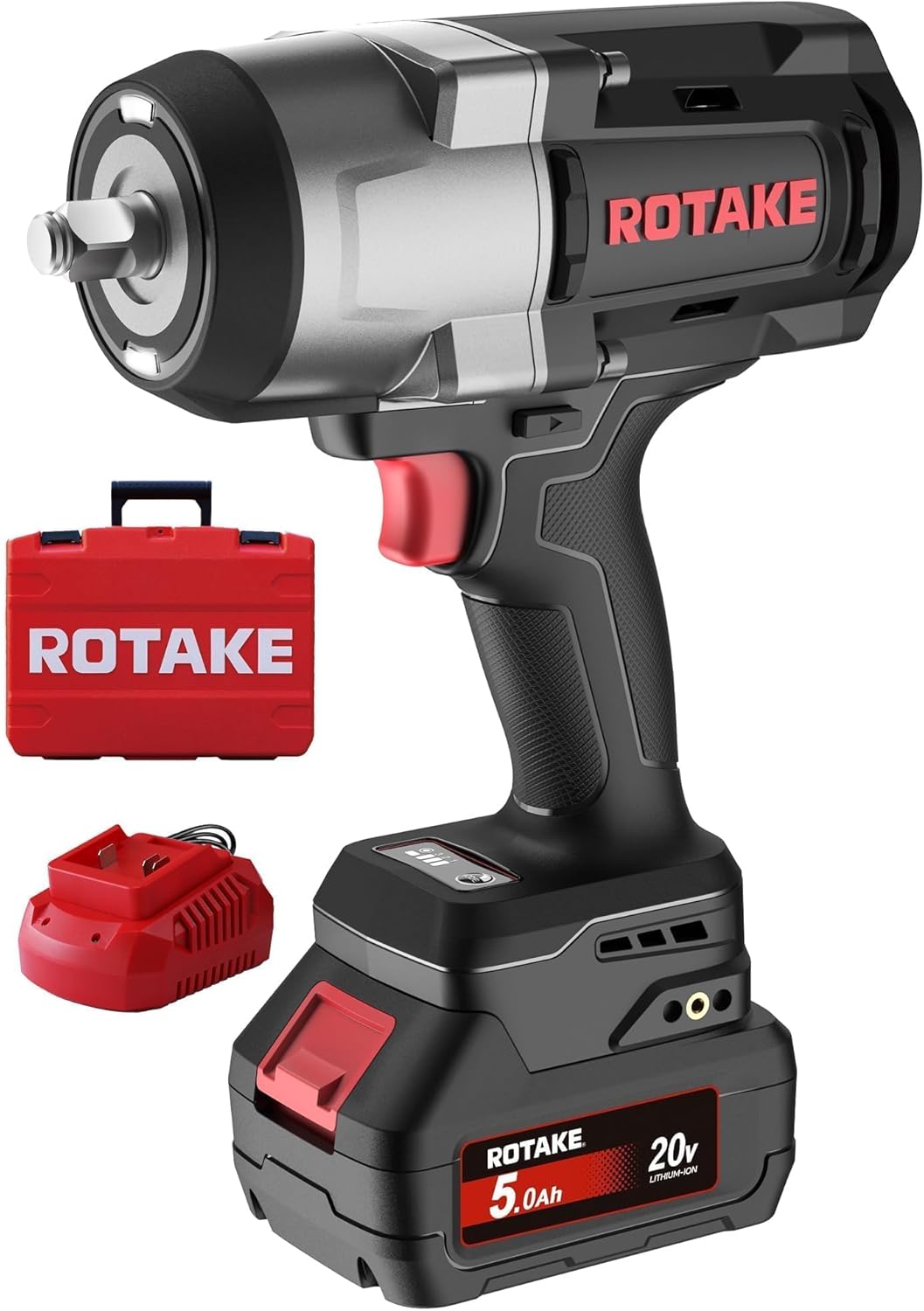
ROTAKE TB3 20V Heavy Duty 1/2" Cordless Impact Wrench Kit - 1380 Ft-Lbs Torque
$132 $219.99
36% OFF

Men's Athletic Running Shorts with Zipper Pockets - Lightweight & Quick Dry
$12.74 $19.99
61% OFF

Modern Ceiling Fan with Light and Remote - Reversible Quiet DC Motor
$69.3 $179.99
50% OFF

MOOKA H13 True HEPA Air Purifier for Home Large Room - 1076 sq ft Odor Eliminator
$39.97 $79.95
60% OFF

Ekouaer Women's Satin Silky Pajama Set - Short Sleeve Pullover Top & Wide-Leg Pants
$13.99 $34.99
55% OFF

Ekouaer 3-Piece Maternity & Nursing Pajamas Set - Short Sleeve Top with Shorts and Pants
$14.99 $32.99

Sealy 2-Pack Tritech 16" Twin Inflatable Air Mattress with Built-in AC Pump
$0 $113.99
20% OFF

INTEX Prism Frame 20ft x 52in Above Ground Pool Set - Round Steel Frame Swimming Pool
$695.99 $869.99

Gardner Pet 43" Heavy Duty Dog Crate with Wheels - Indestructible Folding Metal Cage (Black)
$0 $149.99
12% OFF

Elegant Mid-Century Modern Bar Stools - Set of 4
$395.99 $449.99
23% OFF

Ergonomic Office Chair - Big and Tall Desk Chair with Adjustable Lumbar Support
$279.99 $363.99
26% OFF

Magnelex American Flag Windshield Sun Shade - High-Resolution UV Reflective Heat Shield (X-Large)
$19.9 $26.9
20% OFF
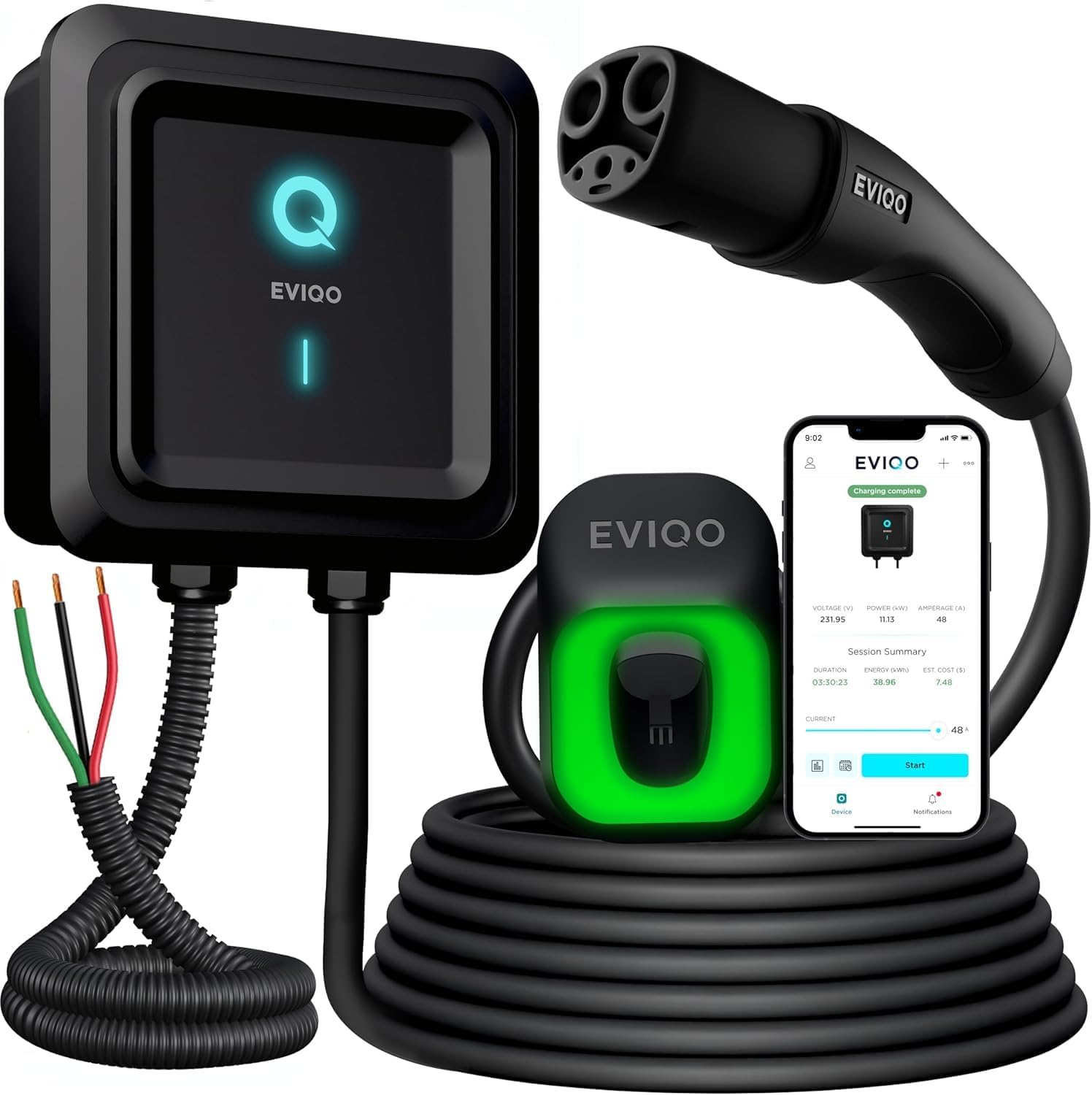
EVIQO 48 Amp NACS Level 2 EV Charger - Hardwired Smart WiFi Wall Charger for Tesla
$368.51 $458.55
50% OFF

DBFIT Air Purifier for Home Large Room
$29.99 $59.99


-
Historic Lancashire church secures £250,000 National Lottery grant for major roof repairs
-
Sunderland Minster PCC was right to push back over trans toilet sign
-
Secular group targets church over online preaching
-
Bethel Church distances itself from Todd Bentley and Mike Bickle
-

Christian police officer reaches settlement over diversity training discrimination claim
-

Christian loses case to remove LGBT symbols from workplace
Most Popular
News
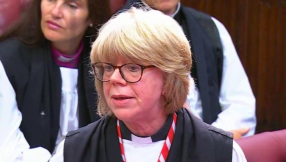
Archbishop of Canterbury highlights benefits and risks of AI
Archbishop Sarah Mullally joined the Pope in raising concerns about AI.
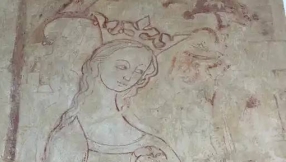
Church of England more than doubles conservation grants
The significant rise in funding was attributed partly to support from the National Lottery Heritage Fund.

Male silence has helped shape UK abortion culture
“Men and abortion is an area that is even more silenced than many of the other areas connected with women and abortion, which are silenced," says bioethicist Dr Anthony McCarthy.
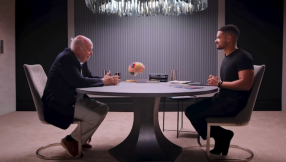
Diary of a CEO’s Steven Bartlett and John Lennox discuss AI, faith and the search for meaning
The Oxford professor shared fears of a “colossal power grab” as AI continues to evolve.
VitaUp Beet Root Gummies with CoQ10 & Grape Seed - Nitric Oxide Circulation Support (60 Count)
$24.91
HDPE All-Weather Adirondack Chair with Built-In Cup Holder - Tool-Free Assembly (Grey)
$69.99
HOMETUK Clear Plastic Storage Bins with Dividers - 3-Pack Stackable Acrylic Organizer Containers for Fridge and Pantry
$19.99
G Gradual Men's Fishing Shirt - UPF 50+ Lightweight Short Sleeve Button Down with Zipper Pockets
$14.99
Everyfun 60" Rectangular Platform Tree Swing - 700lbs Heavy Duty Adjustable Outdoor Swing (Colorful)
$49.99
Ekouaer Women's Casual Loose Jumpsuit - One-Piece Printed Sleeveless Wide Leg Romper with Pockets
$14.99
ROTAKE TB3 20V Heavy Duty 1/2" Cordless Impact Wrench Kit - 1380 Ft-Lbs Torque
$132
Men's Athletic Running Shorts with Zipper Pockets - Lightweight & Quick Dry
$12.74
Modern Ceiling Fan with Light and Remote - Reversible Quiet DC Motor
$69.3
MOOKA H13 True HEPA Air Purifier for Home Large Room - 1076 sq ft Odor Eliminator
$39.97
Ekouaer Women's Satin Silky Pajama Set - Short Sleeve Pullover Top & Wide-Leg Pants
$13.99
Ekouaer 3-Piece Maternity & Nursing Pajamas Set - Short Sleeve Top with Shorts and Pants
$14.99
Sealy 2-Pack Tritech 16" Twin Inflatable Air Mattress with Built-in AC Pump
$0
INTEX Prism Frame 20ft x 52in Above Ground Pool Set - Round Steel Frame Swimming Pool
$695.99
Gardner Pet 43" Heavy Duty Dog Crate with Wheels - Indestructible Folding Metal Cage (Black)
$0
Elegant Mid-Century Modern Bar Stools - Set of 4
$395.99
Ergonomic Office Chair - Big and Tall Desk Chair with Adjustable Lumbar Support
$279.99
Magnelex American Flag Windshield Sun Shade - High-Resolution UV Reflective Heat Shield (X-Large)
$19.9
EVIQO 48 Amp NACS Level 2 EV Charger - Hardwired Smart WiFi Wall Charger for Tesla
$368.51
DBFIT Air Purifier for Home Large Room
$29.99