
A growing number of Pakistani militants who earlier operated only inside Pakistan and Kashmir are joining the intensifying insurgency against U.S. and NATO forces in Afghanistan, U.S. officials say.
The fighters, who are taking part in increasingly sophisticated attacks on Western troops, include guerrillas hardened by years of combat against Indian forces and others from outside the Taliban strongholds in Pakistan's Federally Administered Tribal Areas, or FATA, the officials say.
They say the influx far outstrips the flow of other foreign fighters such as Arabs, Uzbeks and Chechens into the area and coincides with a drop in high-profile attacks in Pakistan that reached a climax last December with the assassination of former Prime Minister Benazir Bhutto.
Growing violence in Afghanistan, including a bombing at the Indian Embassy that killed 41 people and wounded 139 on July 7, has put new pressure on Pakistan to control militants and raised concern about possible links between militant groups and Pakistani intelligence agents.
The rise in the number of Pakistanis involved in the Afghan insurgency was confirmed by several U.S. officials, including senior military officers, who spoke on condition of anonymity because the topic involves classified intelligence.
"When we're talking about foreign fighters in Afghanistan, they're primarily Pakistanis," one official said.
"The number of Pakistani militants who previously focused inside Pakistan and are now operating in Afghanistan has increased, and that increasing number is a concern."
Officials declined to say how many Pakistanis were involved but said the smaller rise in militants from other countries probably amounts to a few hundred fighters.
A sharp rise in violence near Afghanistan's eastern border with Pakistan this year has strained U.S.-Pakistani relations and helped prompt the Pentagon to look for ways to speed additional troops to boost the 53,000-strong NATO force.
The United States has 34,000 troops in Afghanistan, including 15,000 operating as part of that NATO force.
NATO reported a 40 percent year-on-year jump in insurgent violence this spring in an area known to the military as Regional Command-East, across the border from Taliban and al Qaeda havens in Pakistan.
PAKISTAN SAYS SECURING BORDER
Pakistani Prime Minister Yousaf Raza Gilani sought this week in Washington to address U.S. concerns about cross-border attacks by assuring President George W. Bush of his government's commitment to secure the frontier.
But officials and analysts say peace deals Pakistan has forged with tribal leaders this year effectively redirected militant activity to targets in Afghanistan.
"You've seen for the most part a decline in what was massive amounts of targeting inside Pakistan. Now at least some of it has been pushed outside the country," said Seth Jones, an Afghanistan expert at the RAND Corp think tank.
The result has been militant recruiting and training inside Pakistan that U.S. officials blame for a sudden rise in the sophistication of militant attacks in Afghanistan. As an example, they cite a July 13 attack on NATO outpost in Kunar province that killed nine U.S. soldiers.
Militants from Pakistan have become increasingly adept at eluding Afghan and NATO security forces on the border to carry out attacks further inside Afghanistan in areas such as Wardak province southwest of Kabul.
"They're using better basic infantry skills. They're coordinating movements between different groups, synchronizing their fire. It's a level of sophistication that harkens to possible things to come," said a senior military official.
Some of the more effective fighters in Afghanistan's Kunar province have proved to be members of Lashkar-e-Taiba and Jaish-e-Mohammed, Punjab-based groups with a long record of violence in Indian Kashmir, a senior defence official said.
Guerrillas involved in Kashmir relocated to areas near the Afghanistan border after Pakistani President Pervez Musharraf opened peace talks with India in 2004.
"They were sort of put on ice but are now finding an outlet in Afghanistan. Some had training camps in eastern Afghanistan before the September 11 attacks and have an affinity for the (Afghan) fighters there," a senior defence official said.
But the chief concern for U.S. officials is Pakistani Taliban chief Baitullah Mehsud, who is accused of being behind last year's violence in Pakistan, including the Bhutto murder.
Defence officials, who previously described Mehsud as being engrossed by ambitions inside Pakistan, now say he has stepped up the recruitment of fighters for Afghanistan, as well as the supply of weapons, ammunition and logistic support.
"If he doesn't have to fight the Pakistan army, he's free to focus on Afghanistan," one official remarked.
11% OFF

VitaUp Beet Root Gummies with CoQ10 & Grape Seed - Nitric Oxide Circulation Support (60 Count)
$24.91 $27.91
50% OFF

HDPE All-Weather Adirondack Chair with Built-In Cup Holder - Tool-Free Assembly (Grey)
$69.99 $139.99
60% OFF

HOMETUK Clear Plastic Storage Bins with Dividers - 3-Pack Stackable Acrylic Organizer Containers for Fridge and Pantry
$19.99 $49.99
58% OFF

G Gradual Men's Fishing Shirt - UPF 50+ Lightweight Short Sleeve Button Down with Zipper Pockets
$14.99 $35.99
55% OFF

Everyfun 60" Rectangular Platform Tree Swing - 700lbs Heavy Duty Adjustable Outdoor Swing (Colorful)
$49.99 $110.99
61% OFF

Ekouaer Women's Casual Loose Jumpsuit - One-Piece Printed Sleeveless Wide Leg Romper with Pockets
$14.99 $37.99
40% OFF
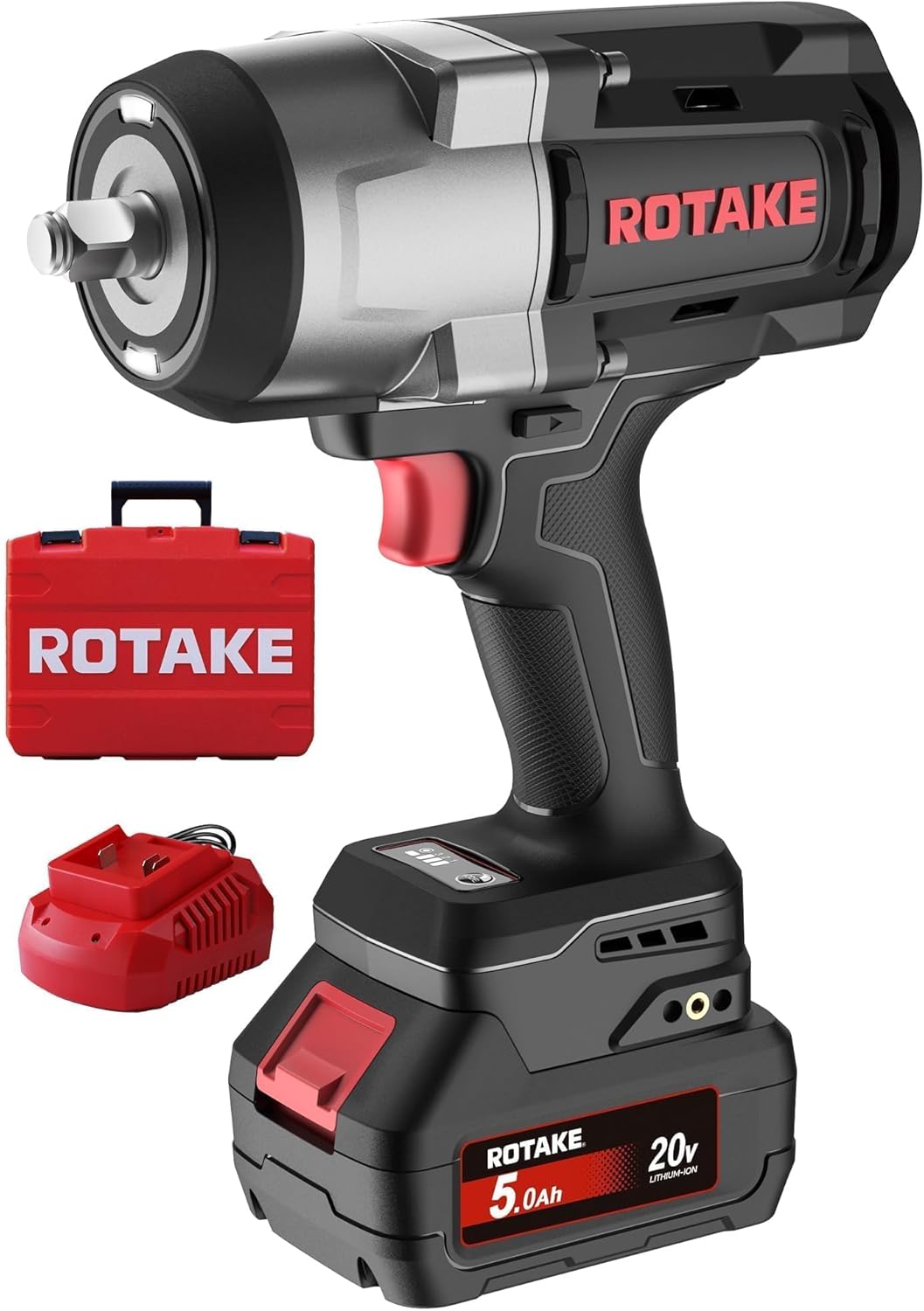
ROTAKE TB3 20V Heavy Duty 1/2" Cordless Impact Wrench Kit - 1380 Ft-Lbs Torque
$132 $219.99
36% OFF

Men's Athletic Running Shorts with Zipper Pockets - Lightweight & Quick Dry
$12.74 $19.99
61% OFF

Modern Ceiling Fan with Light and Remote - Reversible Quiet DC Motor
$69.3 $179.99
50% OFF

MOOKA H13 True HEPA Air Purifier for Home Large Room - 1076 sq ft Odor Eliminator
$39.97 $79.95
60% OFF

Ekouaer Women's Satin Silky Pajama Set - Short Sleeve Pullover Top & Wide-Leg Pants
$13.99 $34.99
55% OFF

Ekouaer 3-Piece Maternity & Nursing Pajamas Set - Short Sleeve Top with Shorts and Pants
$14.99 $32.99
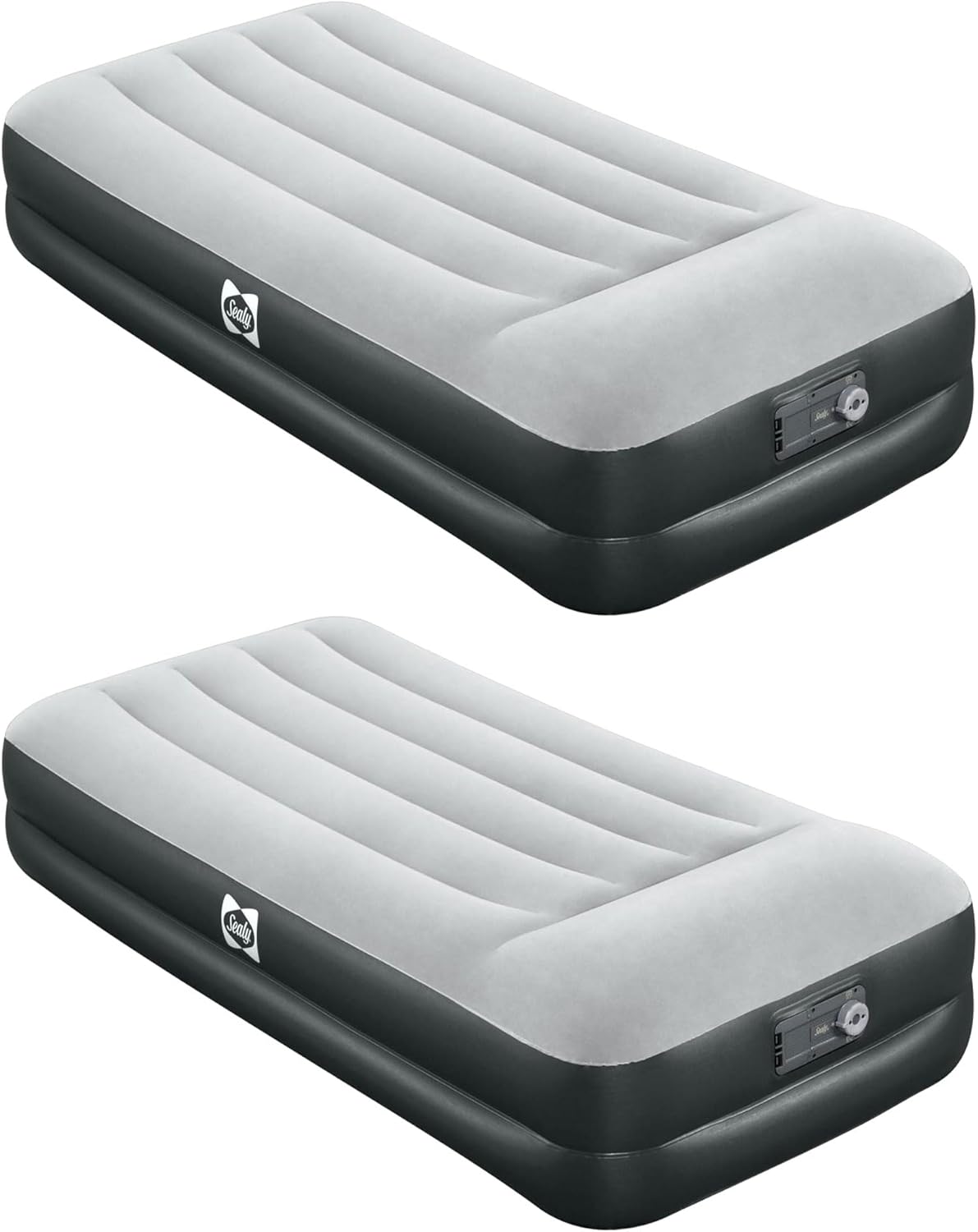
Sealy 2-Pack Tritech 16" Twin Inflatable Air Mattress with Built-in AC Pump
$0 $113.99
20% OFF
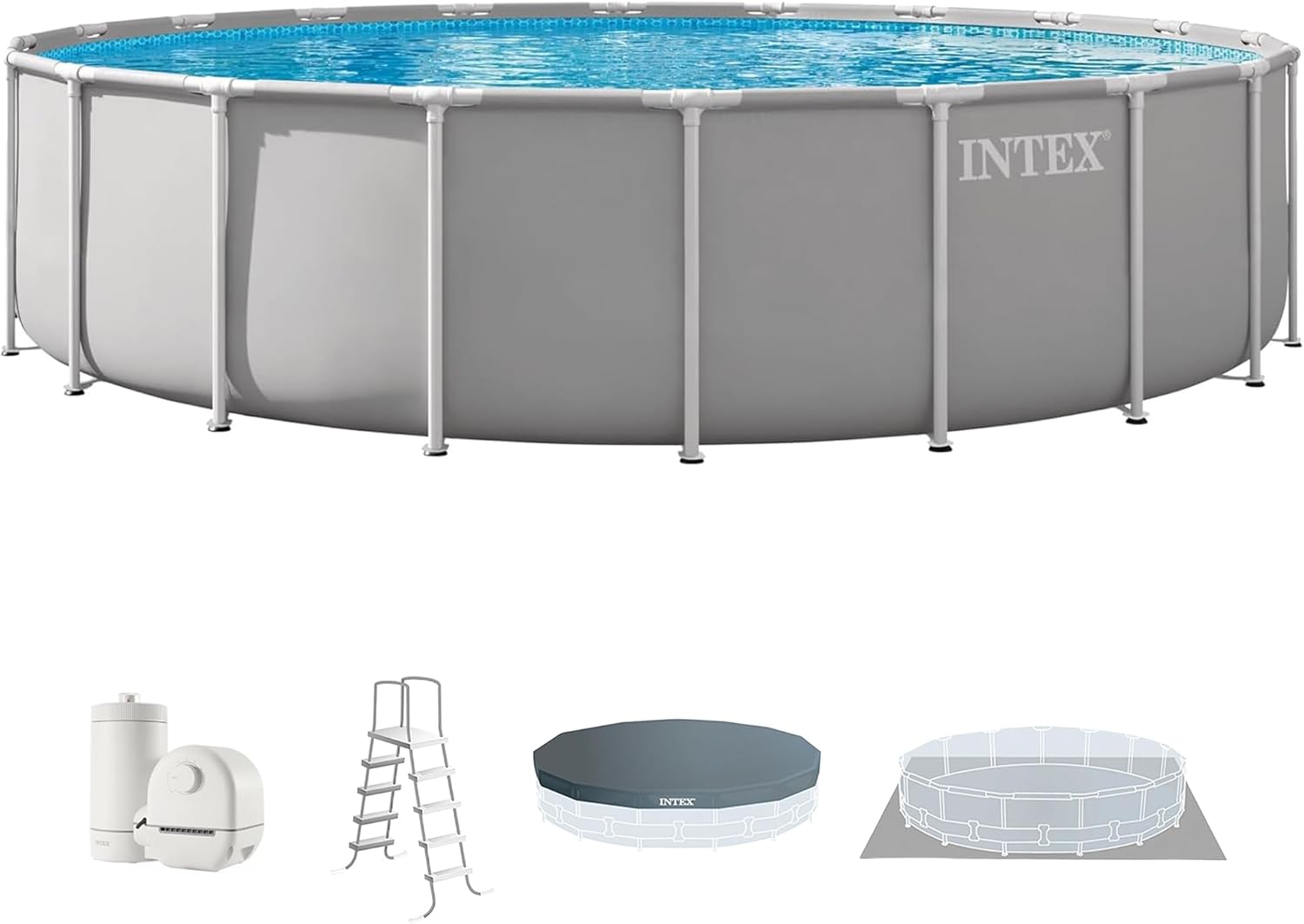
INTEX Prism Frame 20ft x 52in Above Ground Pool Set - Round Steel Frame Swimming Pool
$695.99 $869.99

Gardner Pet 43" Heavy Duty Dog Crate with Wheels - Indestructible Folding Metal Cage (Black)
$0 $149.99
12% OFF

Elegant Mid-Century Modern Bar Stools - Set of 4
$395.99 $449.99
23% OFF

Ergonomic Office Chair - Big and Tall Desk Chair with Adjustable Lumbar Support
$279.99 $363.99
26% OFF

Magnelex American Flag Windshield Sun Shade - High-Resolution UV Reflective Heat Shield (X-Large)
$19.9 $26.9
20% OFF

EVIQO 48 Amp NACS Level 2 EV Charger - Hardwired Smart WiFi Wall Charger for Tesla
$368.51 $458.55
50% OFF

DBFIT Air Purifier for Home Large Room
$29.99 $59.99




-

Historic Lancashire church secures £250,000 National Lottery grant for major roof repairs
-
Sunderland Minster PCC was right to push back over trans toilet sign
-

Secular group targets church over online preaching
-

Bethel Church distances itself from Todd Bentley and Mike Bickle
-

Christian police officer reaches settlement over diversity training discrimination claim
-

Christian loses case to remove LGBT symbols from workplace
Most Popular
News

Archbishop of Canterbury highlights benefits and risks of AI
Archbishop Sarah Mullally joined the Pope in raising concerns about AI.

Church of England more than doubles conservation grants
The significant rise in funding was attributed partly to support from the National Lottery Heritage Fund.

Male silence has helped shape UK abortion culture
“Men and abortion is an area that is even more silenced than many of the other areas connected with women and abortion, which are silenced," says bioethicist Dr Anthony McCarthy.

Diary of a CEO’s Steven Bartlett and John Lennox discuss AI, faith and the search for meaning
The Oxford professor shared fears of a “colossal power grab” as AI continues to evolve.
VitaUp Beet Root Gummies with CoQ10 & Grape Seed - Nitric Oxide Circulation Support (60 Count)
$24.91
HDPE All-Weather Adirondack Chair with Built-In Cup Holder - Tool-Free Assembly (Grey)
$69.99
HOMETUK Clear Plastic Storage Bins with Dividers - 3-Pack Stackable Acrylic Organizer Containers for Fridge and Pantry
$19.99
G Gradual Men's Fishing Shirt - UPF 50+ Lightweight Short Sleeve Button Down with Zipper Pockets
$14.99
Everyfun 60" Rectangular Platform Tree Swing - 700lbs Heavy Duty Adjustable Outdoor Swing (Colorful)
$49.99
Ekouaer Women's Casual Loose Jumpsuit - One-Piece Printed Sleeveless Wide Leg Romper with Pockets
$14.99
ROTAKE TB3 20V Heavy Duty 1/2" Cordless Impact Wrench Kit - 1380 Ft-Lbs Torque
$132
Men's Athletic Running Shorts with Zipper Pockets - Lightweight & Quick Dry
$12.74
Modern Ceiling Fan with Light and Remote - Reversible Quiet DC Motor
$69.3
MOOKA H13 True HEPA Air Purifier for Home Large Room - 1076 sq ft Odor Eliminator
$39.97
Ekouaer Women's Satin Silky Pajama Set - Short Sleeve Pullover Top & Wide-Leg Pants
$13.99
Ekouaer 3-Piece Maternity & Nursing Pajamas Set - Short Sleeve Top with Shorts and Pants
$14.99
Sealy 2-Pack Tritech 16" Twin Inflatable Air Mattress with Built-in AC Pump
$0
INTEX Prism Frame 20ft x 52in Above Ground Pool Set - Round Steel Frame Swimming Pool
$695.99
Gardner Pet 43" Heavy Duty Dog Crate with Wheels - Indestructible Folding Metal Cage (Black)
$0
Elegant Mid-Century Modern Bar Stools - Set of 4
$395.99
Ergonomic Office Chair - Big and Tall Desk Chair with Adjustable Lumbar Support
$279.99
Magnelex American Flag Windshield Sun Shade - High-Resolution UV Reflective Heat Shield (X-Large)
$19.9
EVIQO 48 Amp NACS Level 2 EV Charger - Hardwired Smart WiFi Wall Charger for Tesla
$368.51
DBFIT Air Purifier for Home Large Room
$29.99