
|PIC1|A missile from a U.S. Navy warship hit a defunct U.S. spy satellite 133 nautical miles (247 km) above the Earth in an attempt to blow apart its tank of toxic fuel, the Pentagon said on Wednesday.
It was too soon to tell if the fuel tank had been shattered in the operation over the Pacific Ocean, the Pentagon said in a statement, but a senior military source said initial indications suggested that goal had been achieved.
Washington says its aim is to prevent harm to humans from the satellite's tank of hazardous hydrazine fuel. Russia and China have expressed concern, with Moscow suggesting the operation could be used as cover to test a new space weapon.
The SM-3 missile was fired from the USS Lake Erie in the Pacific at about 10:26 p.m. EST (3:26 a.m. British time Thursday), the Pentagon said in a statement.
"A network of land, air, sea and space-based sensors confirms that the U.S. military intercepted a non-functioning National Reconnaissance Office satellite which was in its final orbits before entering the earth's atmosphere," it said.
"Confirmation that the fuel tank has been fragmented should be available within 24 hours," the statement said.
The senior military source said the missile hit the satellite about three minutes after launch.
"There's a good indication that the fuel tank was hit because there was an explosion," said the source, speaking on condition of anonymity.
A Chinese state newspaper on Thursday - Wednesday in the United States - accused Washington of hypocrisy for criticizing other countries' space ambitions while rejecting a treaty proposed by China and Russia to ban weapons in space and firing a missile at the spy satellite.
China said it was monitoring Washington's destruction of the satellite.
"The Chinese side is continuing to closely follow the U.S. action which may influence the security of outer space and may harm other countries," Foreign Ministry spokesman Liu Jianchao told a regular news conference.
JUSTIFICATION QUESTIONED
The missile hit the 5,000-pound (2,270 kg), bus-sized satellite as it travelled through space at more than 17,000 miles per hour (27,400 kph), the Pentagon said.
"Due to the relatively low altitude of the satellite at the time of the engagement, debris will begin to re-enter the earth's atmosphere immediately," it added.
"Nearly all of the debris will burn up on reentry within 24-48 hours and the remaining debris should re-enter within 40 days."
Some space experts have questioned the Pentagon's justification for the mission, saying the chances of any part of the satellite causing harm were extremely remote.
But Pentagon officials have denied suggestions they wanted to destroy the satellite to prevent part of the classified spacecraft from falling into the hands of rival powers.
They also reject accusations from some security and space experts that the Pentagon was using the satellite problem as an excuse to test and demonstrate its ability to hit targets in space following an anti-satellite test by China last year.
During a flight from Washington to Hawaii, U.S. Defence Secretary Robert Gates authorized the Navy to fire the missile, about 10 hours before the operation was carried out, Pentagon press secretary Geoff Morrell said.
The Pentagon has said the stray spacecraft was a test satellite for the National Reconnaissance Office, a U.S. intelligence agency, launched in December 2006.
It stopped communicating within a few hours of reaching orbit, Pentagon officials have said.
China fired a ground-based missile into an obsolete weather satellite in January 2007, drawing international criticism and worries inside the Pentagon that Beijing now has the ability to target critical military assets in space.
U.S. Defence officials say their case is different, partly because Washington, unlike Beijing, informed the public and world leaders before shooting the missile into space. They also have insisted the only concern driving the U.S. decision to shoot down the satellite was that the 1,000-pound (450 kg) fuel tank could survive largely intact and release toxic gas.
The Pentagon has said the operation would use modified elements of its missile Defence system.
But officials have sought to avoid presenting this mission as a test for that system, saying hitting a satellite is quite different from trying to shoot down a missile.
The Pentagon said it would provide further information about the operation at a news briefing at 7 a.m. EST (12 p.m. British time) on Thursday.
11% OFF

VitaUp Beet Root Gummies with CoQ10 & Grape Seed - Nitric Oxide Circulation Support (60 Count)
$24.91 $27.91
50% OFF

HDPE All-Weather Adirondack Chair with Built-In Cup Holder - Tool-Free Assembly (Grey)
$69.99 $139.99
60% OFF

HOMETUK Clear Plastic Storage Bins with Dividers - 3-Pack Stackable Acrylic Organizer Containers for Fridge and Pantry
$19.99 $49.99
58% OFF

G Gradual Men's Fishing Shirt - UPF 50+ Lightweight Short Sleeve Button Down with Zipper Pockets
$14.99 $35.99
55% OFF

Everyfun 60" Rectangular Platform Tree Swing - 700lbs Heavy Duty Adjustable Outdoor Swing (Colorful)
$49.99 $110.99
61% OFF

Ekouaer Women's Casual Loose Jumpsuit - One-Piece Printed Sleeveless Wide Leg Romper with Pockets
$14.99 $37.99
40% OFF

ROTAKE TB3 20V Heavy Duty 1/2" Cordless Impact Wrench Kit - 1380 Ft-Lbs Torque
$132 $219.99
36% OFF

Men's Athletic Running Shorts with Zipper Pockets - Lightweight & Quick Dry
$12.74 $19.99
61% OFF

Modern Ceiling Fan with Light and Remote - Reversible Quiet DC Motor
$69.3 $179.99
50% OFF

MOOKA H13 True HEPA Air Purifier for Home Large Room - 1076 sq ft Odor Eliminator
$39.97 $79.95
60% OFF

Ekouaer Women's Satin Silky Pajama Set - Short Sleeve Pullover Top & Wide-Leg Pants
$13.99 $34.99
55% OFF

Ekouaer 3-Piece Maternity & Nursing Pajamas Set - Short Sleeve Top with Shorts and Pants
$14.99 $32.99

Sealy 2-Pack Tritech 16" Twin Inflatable Air Mattress with Built-in AC Pump
$0 $113.99
20% OFF

INTEX Prism Frame 20ft x 52in Above Ground Pool Set - Round Steel Frame Swimming Pool
$695.99 $869.99

Gardner Pet 43" Heavy Duty Dog Crate with Wheels - Indestructible Folding Metal Cage (Black)
$0 $149.99
12% OFF

Elegant Mid-Century Modern Bar Stools - Set of 4
$395.99 $449.99
23% OFF

Ergonomic Office Chair - Big and Tall Desk Chair with Adjustable Lumbar Support
$279.99 $363.99
26% OFF

Magnelex American Flag Windshield Sun Shade - High-Resolution UV Reflective Heat Shield (X-Large)
$19.9 $26.9
20% OFF
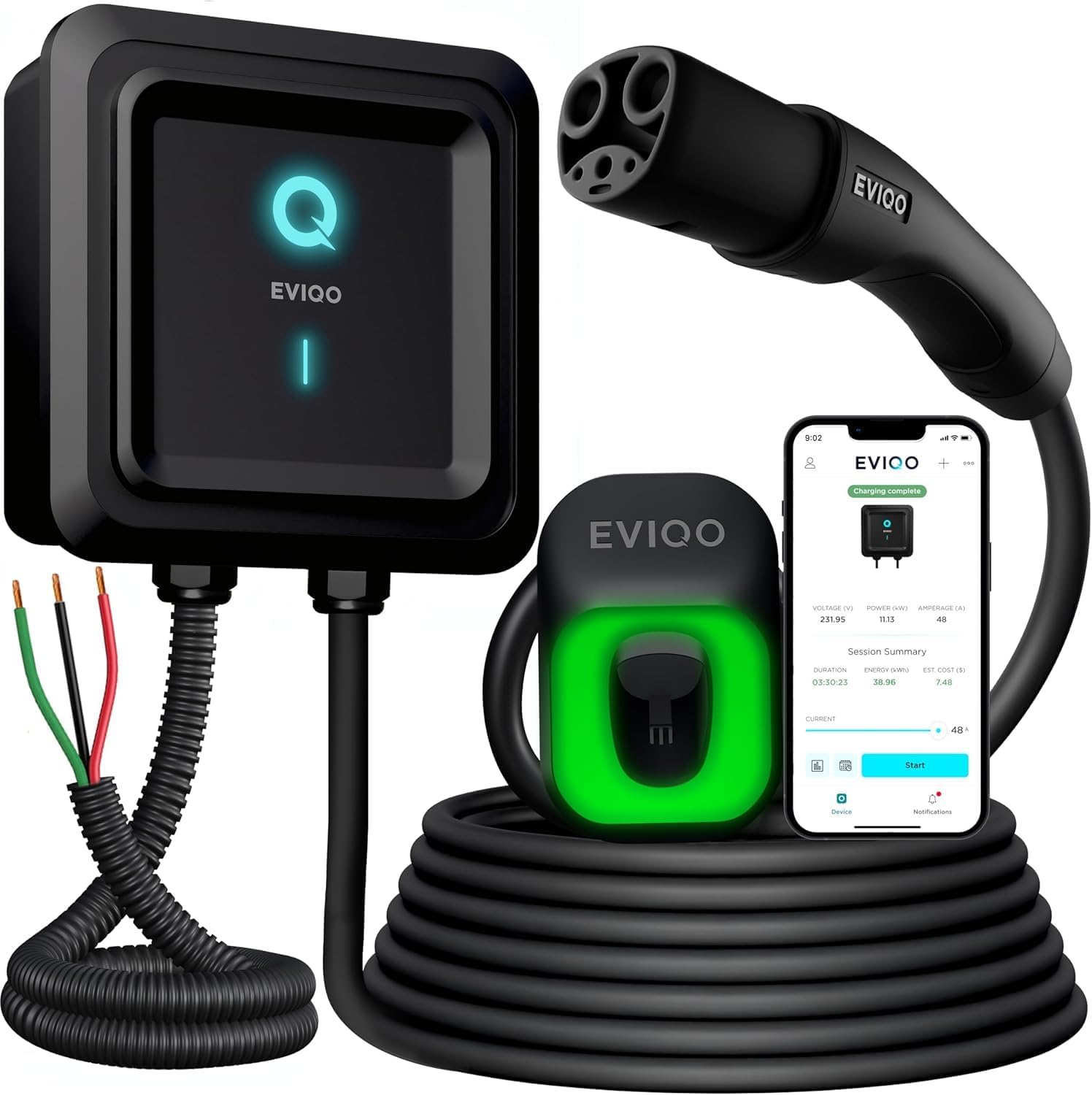
EVIQO 48 Amp NACS Level 2 EV Charger - Hardwired Smart WiFi Wall Charger for Tesla
$368.51 $458.55
50% OFF

DBFIT Air Purifier for Home Large Room
$29.99 $59.99




-

Historic Lancashire church secures £250,000 National Lottery grant for major roof repairs
-

Sunderland Minster PCC was right to push back over trans toilet sign
-

Bethel Church distances itself from Todd Bentley and Mike Bickle
-

Christian police officer reaches settlement over diversity training discrimination claim
-

Turkey's hidden Christian past: Extraordinary discoveries are rewriting the story of early Christianity
-

Washington Archdiocese parts ways with exorcist priest over UFO remarks
Most Popular
News

A Christian response to the crisis facing young people
The Church has a wonderful message of hope to share with young people increasingly feeling a sense of nihilism and hopelessness at the state of the world, writes Tim Farron.

Tributes paid to Operation Mobilisation co-founder Dale Rhoton
Tributes have been paid to Dale Rhoton, one of the co-founders of international mission organisation Operation Mobilisation (OM), after his death at the age of 88.

Doctors should work for good of the patient, not facilitate suicide, says Christian Medical Fellowship
Suicide is always a tragedy that should be resisted, the CMF suggested.

Parents play decisive role in passing faith to the next generation, study finds
Parents who actively practise and discuss their faith at home are significantly more likely to see their children remain committed Christians into adulthood, according to a major new study.
VitaUp Beet Root Gummies with CoQ10 & Grape Seed - Nitric Oxide Circulation Support (60 Count)
$24.91
HDPE All-Weather Adirondack Chair with Built-In Cup Holder - Tool-Free Assembly (Grey)
$69.99
HOMETUK Clear Plastic Storage Bins with Dividers - 3-Pack Stackable Acrylic Organizer Containers for Fridge and Pantry
$19.99
G Gradual Men's Fishing Shirt - UPF 50+ Lightweight Short Sleeve Button Down with Zipper Pockets
$14.99
Everyfun 60" Rectangular Platform Tree Swing - 700lbs Heavy Duty Adjustable Outdoor Swing (Colorful)
$49.99
Ekouaer Women's Casual Loose Jumpsuit - One-Piece Printed Sleeveless Wide Leg Romper with Pockets
$14.99
ROTAKE TB3 20V Heavy Duty 1/2" Cordless Impact Wrench Kit - 1380 Ft-Lbs Torque
$132
Men's Athletic Running Shorts with Zipper Pockets - Lightweight & Quick Dry
$12.74
Modern Ceiling Fan with Light and Remote - Reversible Quiet DC Motor
$69.3
MOOKA H13 True HEPA Air Purifier for Home Large Room - 1076 sq ft Odor Eliminator
$39.97
Ekouaer Women's Satin Silky Pajama Set - Short Sleeve Pullover Top & Wide-Leg Pants
$13.99
Ekouaer 3-Piece Maternity & Nursing Pajamas Set - Short Sleeve Top with Shorts and Pants
$14.99
Sealy 2-Pack Tritech 16" Twin Inflatable Air Mattress with Built-in AC Pump
$0
INTEX Prism Frame 20ft x 52in Above Ground Pool Set - Round Steel Frame Swimming Pool
$695.99
Gardner Pet 43" Heavy Duty Dog Crate with Wheels - Indestructible Folding Metal Cage (Black)
$0
Elegant Mid-Century Modern Bar Stools - Set of 4
$395.99
Ergonomic Office Chair - Big and Tall Desk Chair with Adjustable Lumbar Support
$279.99
Magnelex American Flag Windshield Sun Shade - High-Resolution UV Reflective Heat Shield (X-Large)
$19.9
EVIQO 48 Amp NACS Level 2 EV Charger - Hardwired Smart WiFi Wall Charger for Tesla
$368.51
DBFIT Air Purifier for Home Large Room
$29.99