
SonRise Community Church had been operating without a building for nearly a decade when Pastor Jeff Arington saw the perfect property: an old restaurant on the outskirts of Cincinnati, Ohio.
Two years later the church still doesn't have a sanctuary or any pews -- it meets at the local high school -- but it does have a successful coffee shop in the property the Pastor found, where members and passersby alike sip cappuccinos in a trendy Christian atmosphere.
"I've always said the church is not about a building, not about physical structures, it's really about the people themselves," said Arington, whose 275-strong evangelical congregation still plans to build their own church one day.
On the other side of Cincinnati, Inspirational Baptist Church is also opening its doors to the public -- in an even bigger way. In addition to a new, larger church, leaders have unveiled a $21 million plan to develop a skating rink, sports center and pool, all open to outsiders.
"This is expressly for the community. There's not a lot of recreational opportunity for youth around here," said Bishop Victor Couzens, whose suburban African-American congregation has grown in the last five years from 300 to 1,700.
While many U.S. churches have a Starbucks or gymnasium in the building, a growing number of evangelicals are taking a different approach: rather than giving churchgoers good coffee or a sports league, they're offering coffee or roller-skating to the public -- and hoping newcomers will get to know God while they're there.
"Congregations are trying to find a way to tie people together, but also find ways to present the Christian message that isn't so direct or in-your-face, to present a side door into the life of the church," said Scott Thumma, a religious sociologist at the Hartford Institute for Religious Research.
"The megachurch especially has really led the way in these kinds of strategies," he said. "What a lot of congregations want is to have multiple avenues open so that they can bypass the resistance people have when they hear the word 'church' or 'Jesus,' whether it is a coffee shop or a bowling alley."
And while attendance at mainline Catholic and Protestant churches has fallen, nondenominational and evangelical churches who present nontraditional faces have grown.
That's a point not lost on Pastor Arington, whose small church is vibrant despite the lack of an actual building, in contrast to some traditional churches that have closed their doors.
"There are a lot of great, beautiful churches all over the world that are now vacant," he said.
Nearly 77 percent of Americans identify themselves as Christian, and 45 percent say they attend church at least once a week, according to the Pew Forum on Religion and Public Life. About 60 million are evangelical Christians, who emphasize biblically oriented faith, personal conversion and evangelism.
BASKETBALL AND SNACKS
On a recent Sunday night, 40 teenagers packed into the SonRise cafe and adjoining courtyard to listen to a Christian band, race through a scavenger hunt, play pick-up basketball, eat -- and take in a 10-minute sermon against sexual immorality and dishonesty by their youth pastor, Chad Ricker.
Ricker, a former Marine, barks at the youth to pay attention as he preaches the church's conservative Bible-based theology, but his is a fond ferocity.
"Maybe you've already messed up. God will forgive you," he tells the youth, preaching barefoot and in cargo shorts before his equally casual audience.
Ricker, 31, said the absence of a traditional church building hasn't hindered the church's mission at all.
"If students will come, I don't care where we are," he said. "This doesn't look anything like a church. Kids come here and it's nonthreatening. Some don't want to go to a church -- there's a stigma."
The kids are equally enthusiastic. While some helped found the church with their parents in 1998, others have latched onto the cafe's Protestant social scene only recently.
"I actually go to St. Anthony's (Catholic Church) on Sunday mornings with my family," said Adele Bruggeman, 16. But a friend invited her along to the youth service at the coffee shop, and Bruggeman hasn't looked back.
"I just started coming and I love the people. It's a great way to end the weekend and have fun," she said.
At Inspirational Baptist, where churchgoers overflow into the lobby during Sunday services to hear three hours of gospel music and passionate preaching by Bishop Couzens, members look forward to the outreach opportunities that will come when their new roller-skating rink and sportsplex is built.
"When you're in a community, you're trying to gather people whichever way you can, and sometimes you can disguise your message with extracurricular activities," said Tamela Booker, 34, an insurance worker and lifelong church member.
"We want to reach out to the community with God's message with things people can relate to, so they feel loved."
11% OFF

VitaUp Beet Root Gummies with CoQ10 & Grape Seed - Nitric Oxide Circulation Support (60 Count)
$24.91 $27.91
50% OFF

HDPE All-Weather Adirondack Chair with Built-In Cup Holder - Tool-Free Assembly (Grey)
$69.99 $139.99
60% OFF

HOMETUK Clear Plastic Storage Bins with Dividers - 3-Pack Stackable Acrylic Organizer Containers for Fridge and Pantry
$19.99 $49.99
58% OFF

G Gradual Men's Fishing Shirt - UPF 50+ Lightweight Short Sleeve Button Down with Zipper Pockets
$14.99 $35.99
55% OFF

Everyfun 60" Rectangular Platform Tree Swing - 700lbs Heavy Duty Adjustable Outdoor Swing (Colorful)
$49.99 $110.99
61% OFF

Ekouaer Women's Casual Loose Jumpsuit - One-Piece Printed Sleeveless Wide Leg Romper with Pockets
$14.99 $37.99
40% OFF
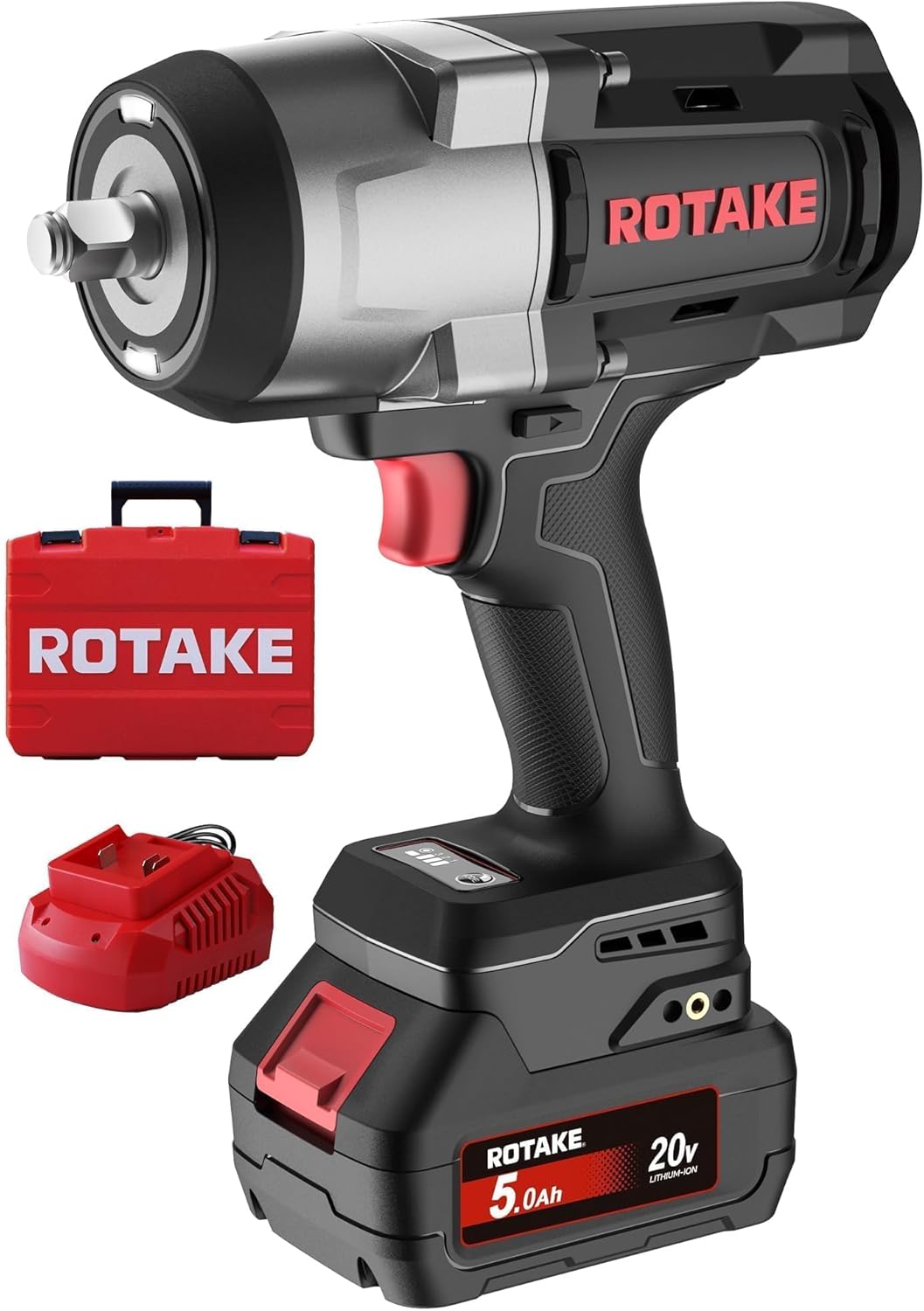
ROTAKE TB3 20V Heavy Duty 1/2" Cordless Impact Wrench Kit - 1380 Ft-Lbs Torque
$132 $219.99
36% OFF

Men's Athletic Running Shorts with Zipper Pockets - Lightweight & Quick Dry
$12.74 $19.99
61% OFF

Modern Ceiling Fan with Light and Remote - Reversible Quiet DC Motor
$69.3 $179.99
50% OFF

MOOKA H13 True HEPA Air Purifier for Home Large Room - 1076 sq ft Odor Eliminator
$39.97 $79.95
60% OFF

Ekouaer Women's Satin Silky Pajama Set - Short Sleeve Pullover Top & Wide-Leg Pants
$13.99 $34.99
55% OFF

Ekouaer 3-Piece Maternity & Nursing Pajamas Set - Short Sleeve Top with Shorts and Pants
$14.99 $32.99

Sealy 2-Pack Tritech 16" Twin Inflatable Air Mattress with Built-in AC Pump
$0 $113.99
20% OFF

INTEX Prism Frame 20ft x 52in Above Ground Pool Set - Round Steel Frame Swimming Pool
$695.99 $869.99

Gardner Pet 43" Heavy Duty Dog Crate with Wheels - Indestructible Folding Metal Cage (Black)
$0 $149.99
12% OFF

Elegant Mid-Century Modern Bar Stools - Set of 4
$395.99 $449.99
23% OFF

Ergonomic Office Chair - Big and Tall Desk Chair with Adjustable Lumbar Support
$279.99 $363.99
26% OFF

Magnelex American Flag Windshield Sun Shade - High-Resolution UV Reflective Heat Shield (X-Large)
$19.9 $26.9
20% OFF
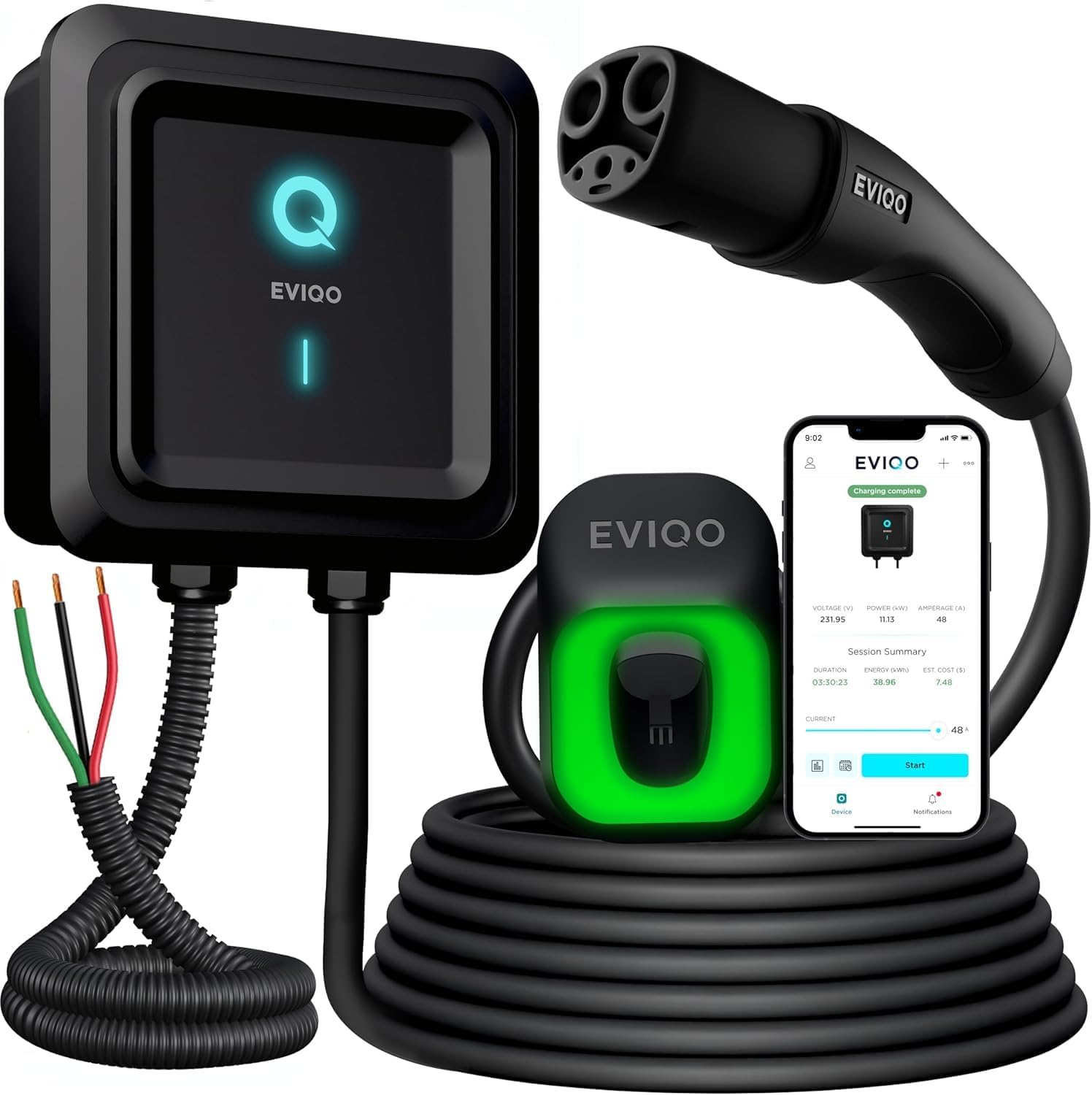
EVIQO 48 Amp NACS Level 2 EV Charger - Hardwired Smart WiFi Wall Charger for Tesla
$368.51 $458.55
50% OFF

DBFIT Air Purifier for Home Large Room
$29.99 $59.99




-
Historic Lancashire church secures £250,000 National Lottery grant for major roof repairs
-

Sunderland Minster PCC was right to push back over trans toilet sign
-

Bethel Church distances itself from Todd Bentley and Mike Bickle
-

Christian police officer reaches settlement over diversity training discrimination claim
-

Turkey's hidden Christian past: Extraordinary discoveries are rewriting the story of early Christianity
-

Washington Archdiocese parts ways with exorcist priest over UFO remarks
Most Popular
News

A Christian response to the crisis facing young people
The Church has a wonderful message of hope to share with young people increasingly feeling a sense of nihilism and hopelessness at the state of the world, writes Tim Farron.

Tributes paid to Operation Mobilisation co-founder Dale Rhoton
Tributes have been paid to Dale Rhoton, one of the co-founders of international mission organisation Operation Mobilisation (OM), after his death at the age of 88.

Doctors should work for good of the patient, not facilitate suicide, says Christian Medical Fellowship
Suicide is always a tragedy that should be resisted, the CMF suggested.

Parents play decisive role in passing faith to the next generation, study finds
Parents who actively practise and discuss their faith at home are significantly more likely to see their children remain committed Christians into adulthood, according to a major new study.
VitaUp Beet Root Gummies with CoQ10 & Grape Seed - Nitric Oxide Circulation Support (60 Count)
$24.91
HDPE All-Weather Adirondack Chair with Built-In Cup Holder - Tool-Free Assembly (Grey)
$69.99
HOMETUK Clear Plastic Storage Bins with Dividers - 3-Pack Stackable Acrylic Organizer Containers for Fridge and Pantry
$19.99
G Gradual Men's Fishing Shirt - UPF 50+ Lightweight Short Sleeve Button Down with Zipper Pockets
$14.99
Everyfun 60" Rectangular Platform Tree Swing - 700lbs Heavy Duty Adjustable Outdoor Swing (Colorful)
$49.99
Ekouaer Women's Casual Loose Jumpsuit - One-Piece Printed Sleeveless Wide Leg Romper with Pockets
$14.99
ROTAKE TB3 20V Heavy Duty 1/2" Cordless Impact Wrench Kit - 1380 Ft-Lbs Torque
$132
Men's Athletic Running Shorts with Zipper Pockets - Lightweight & Quick Dry
$12.74
Modern Ceiling Fan with Light and Remote - Reversible Quiet DC Motor
$69.3
MOOKA H13 True HEPA Air Purifier for Home Large Room - 1076 sq ft Odor Eliminator
$39.97
Ekouaer Women's Satin Silky Pajama Set - Short Sleeve Pullover Top & Wide-Leg Pants
$13.99
Ekouaer 3-Piece Maternity & Nursing Pajamas Set - Short Sleeve Top with Shorts and Pants
$14.99
Sealy 2-Pack Tritech 16" Twin Inflatable Air Mattress with Built-in AC Pump
$0
INTEX Prism Frame 20ft x 52in Above Ground Pool Set - Round Steel Frame Swimming Pool
$695.99
Gardner Pet 43" Heavy Duty Dog Crate with Wheels - Indestructible Folding Metal Cage (Black)
$0
Elegant Mid-Century Modern Bar Stools - Set of 4
$395.99
Ergonomic Office Chair - Big and Tall Desk Chair with Adjustable Lumbar Support
$279.99
Magnelex American Flag Windshield Sun Shade - High-Resolution UV Reflective Heat Shield (X-Large)
$19.9
EVIQO 48 Amp NACS Level 2 EV Charger - Hardwired Smart WiFi Wall Charger for Tesla
$368.51
DBFIT Air Purifier for Home Large Room
$29.99