
Rioting erupted in a province neighbouring Tibet on Sunday, two days after violent protests by Tibetans against Chinese rule in Lhasa in which the region's exiled representatives said 80 people had been killed.
Tibet's spiritual leader, the Dalai Lama, said the Tibetan nation was in serious danger and called for an investigation into what he called cultural genocide in his homeland.
A police officer in Aba county, Sichuan, one of four provinces with large Tibetan populations, said a crowd of Tibetans had hurled petrol bombs in the main county town, burned down a police station and a market and set fire to two police cars and a fire truck.
"They've gone crazy," said the officer, her voice trembling down the telephone as the main government building there came under siege.
Security forces fired tear gas and arrested five people.
The Tibetan Centre for Human Rights and Democracy said on a Web site that paramilitary police shot and killed at least seven protesters. A police officer, reached by telephone, denied this.
One ethnic Tibetan resident in Aba said there were sounds like gunshots and there was widespread talk of 10 or more dead.
"Now it's very tense. There are police going round everywhere, checking and looking over people for injuries," said another Aba resident, adding that many of the rioters were students of a Tibetan-language high school.
Anti-riot troops locked down Lhasa -- remote, high in the Himalayas and barred to foreign journalists without permission -- to prevent a repeat of Friday's violence, the most serious in nearly two decades.
A businessman there, reached by telephone, said a tense calm had descended on the city and most people were staying indoors.
Xinhua news agency said the authorities had stopped granting foreigners tourist permits to visit Lhasa for their "safety".
"We also suggest foreign tourists now in Tibet leave in the coming days," Xinhua quoted Ju Jianhua, director with the region's foreign affairs office, as saying.
The Dalai Lama, the Nobel peace laureate who fled to India in 1959, called from his Dharamsala base in the Himalayan foothills for an investigation into the situation in Tibet.
"Whether China's government admits or not, there is a problem ... the nation with ancient cultural heritage is actually facing serious dangers...," the Dalai Lama, reviled by Beijing as a separatist, told reporters in Dharamsala.
"Then also, whether intentionally or unintentionally, somewhere cultural genocide is taking place," he said, calling on Tibetans to express their resentment peacefully.
"CHINA DESERVES OLYMPICS"
The Dalai Lama, who says he wants more autonomy but not independence for Tibet, said China deserved to host the August Olympic Games, but the international community had a "moral responsibility" to remind China to be a good host.
State-run China Central Television (CCTV) said on Sunday that social order had "basically been restored" in Lhasa, but showed footage of deserted streets choked with debris and burnt-out buildings near the central Jokhang temple area.
Clean-up crews were out on city streets on Sunday to shovel charred wreckage onto trucks and remove overturned vehicles, and government agencies and schools would resume normal operation on Monday, Xinhua news agency said.
The spasm of Tibetan anger at the Chinese presence in the region followed days of peaceful protests by monks and dealt a sharp blow to Beijing's preparations for the Olympics, when China wants to showcase prosperity and unity.
The Tibetan government-in-exile in Dharamsala said 80 people had died in the clashes between authorities and protesters last week, and 72 had been injured.
Xinhua news agency said only that 10 "innocent civilians" had died, mostly in fires lit by rioters, and that 12 policemen had been seriously injured.
Tibet is one of several potential flashpoints for the ruling Communist Party at a time of heightened attention on China.
The government is concerned about the effect of inflation and wealth gaps on social stability after years of breakneck economic growth, and this month it said it had foiled two plots by Uighur militants in the large Muslim northwestern region of Xinjiang, including an attempt to disrupt the Olympics.
Kang Xiaoguang, a political scientist at the People's University of China who has long studied social stability, said there was very little chance of the Tibetan protests sparking a chain reaction in broader China.
"I think the chances are minimal," he said. "This is a localised problem. In the Han Chinese regions there's virtually zero sympathy for the Tibetan rioters, and so virtually zero chance that this will spread."
The Tibetan Centre for Human Rights and Democracy said in an e-mail that monks of the Amdo Ngaba Kirti monastery, also in Sichuan's Aba prefecture, had raised the banned Tibetan flag and shouted pro-independence slogans after prayers on Sunday.
Chinese security forces stormed the monastery, fired tear gas and prevented the monks from taking to the streets, it said. The report could not be independently confirmed.
11% OFF

VitaUp Beet Root Gummies with CoQ10 & Grape Seed - Nitric Oxide Circulation Support (60 Count)
$24.91 $27.91
50% OFF

HDPE All-Weather Adirondack Chair with Built-In Cup Holder - Tool-Free Assembly (Grey)
$69.99 $139.99
60% OFF

HOMETUK Clear Plastic Storage Bins with Dividers - 3-Pack Stackable Acrylic Organizer Containers for Fridge and Pantry
$19.99 $49.99
58% OFF

G Gradual Men's Fishing Shirt - UPF 50+ Lightweight Short Sleeve Button Down with Zipper Pockets
$14.99 $35.99
55% OFF

Everyfun 60" Rectangular Platform Tree Swing - 700lbs Heavy Duty Adjustable Outdoor Swing (Colorful)
$49.99 $110.99
61% OFF

Ekouaer Women's Casual Loose Jumpsuit - One-Piece Printed Sleeveless Wide Leg Romper with Pockets
$14.99 $37.99
40% OFF
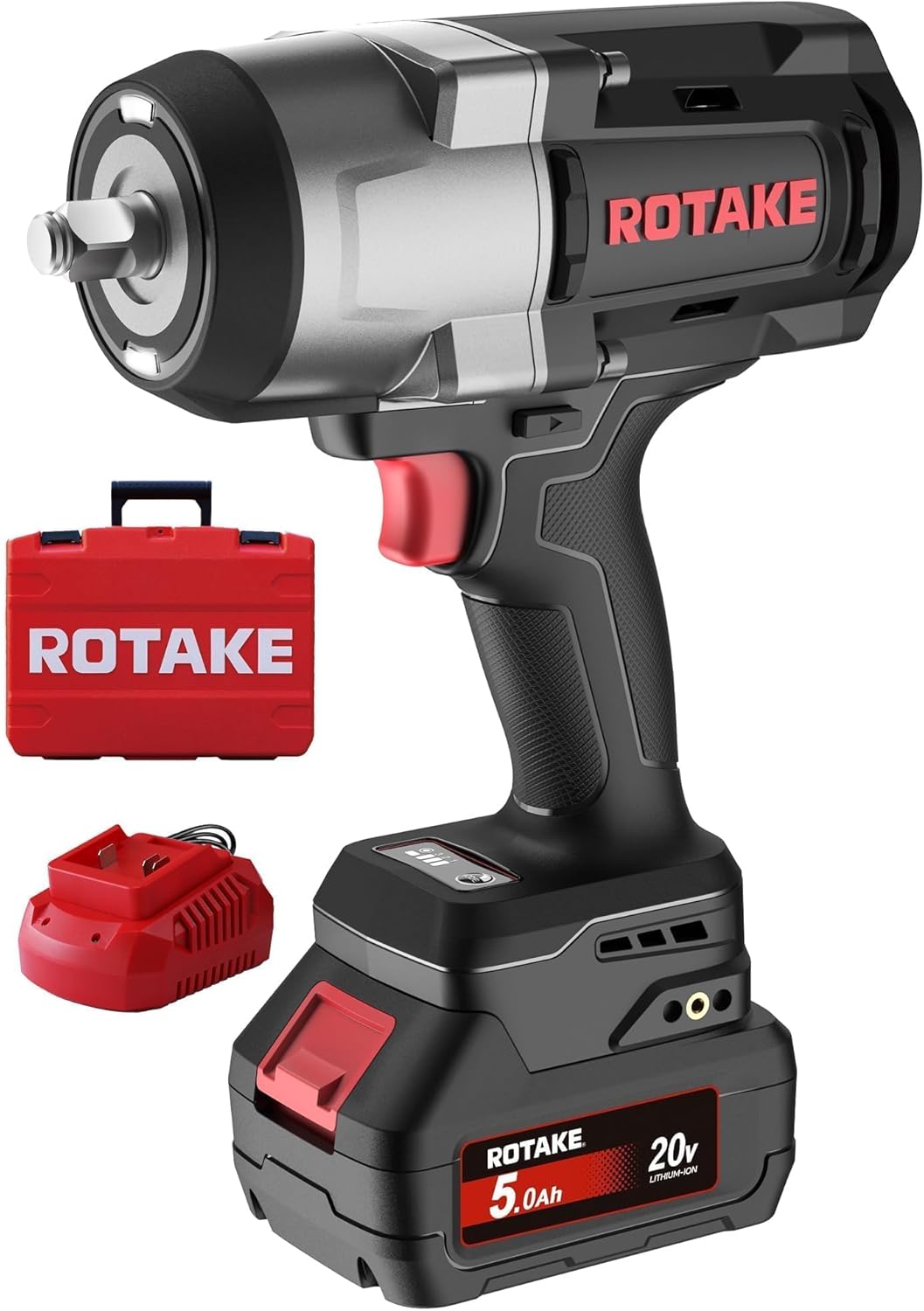
ROTAKE TB3 20V Heavy Duty 1/2" Cordless Impact Wrench Kit - 1380 Ft-Lbs Torque
$132 $219.99
36% OFF

Men's Athletic Running Shorts with Zipper Pockets - Lightweight & Quick Dry
$12.74 $19.99
61% OFF

Modern Ceiling Fan with Light and Remote - Reversible Quiet DC Motor
$69.3 $179.99
50% OFF

MOOKA H13 True HEPA Air Purifier for Home Large Room - 1076 sq ft Odor Eliminator
$39.97 $79.95
60% OFF

Ekouaer Women's Satin Silky Pajama Set - Short Sleeve Pullover Top & Wide-Leg Pants
$13.99 $34.99
55% OFF

Ekouaer 3-Piece Maternity & Nursing Pajamas Set - Short Sleeve Top with Shorts and Pants
$14.99 $32.99

Sealy 2-Pack Tritech 16" Twin Inflatable Air Mattress with Built-in AC Pump
$0 $113.99
20% OFF

INTEX Prism Frame 20ft x 52in Above Ground Pool Set - Round Steel Frame Swimming Pool
$695.99 $869.99

Gardner Pet 43" Heavy Duty Dog Crate with Wheels - Indestructible Folding Metal Cage (Black)
$0 $149.99
12% OFF

Elegant Mid-Century Modern Bar Stools - Set of 4
$395.99 $449.99
23% OFF

Ergonomic Office Chair - Big and Tall Desk Chair with Adjustable Lumbar Support
$279.99 $363.99
26% OFF

Magnelex American Flag Windshield Sun Shade - High-Resolution UV Reflective Heat Shield (X-Large)
$19.9 $26.9
20% OFF

EVIQO 48 Amp NACS Level 2 EV Charger - Hardwired Smart WiFi Wall Charger for Tesla
$368.51 $458.55
50% OFF

DBFIT Air Purifier for Home Large Room
$29.99 $59.99




-
Historic Lancashire church secures £250,000 National Lottery grant for major roof repairs
-
Sunderland Minster PCC was right to push back over trans toilet sign
-
Bethel Church distances itself from Todd Bentley and Mike Bickle
-

Christian police officer reaches settlement over diversity training discrimination claim
-
Turkey's hidden Christian past: Extraordinary discoveries are rewriting the story of early Christianity
-

Washington Archdiocese parts ways with exorcist priest over UFO remarks
Most Popular
News
Churches must disciple well and listen well in response to rise of Christian nationalism
Churches have a task on their hands to raise standards of theological literacy in their congregations amid growing Christian nationalism, while at the same time listening to and engaging with the concerns of people in their flock.

A Christian response to the crisis facing young people
The Church has a wonderful message of hope to share with young people increasingly feeling a sense of nihilism and hopelessness at the state of the world, writes Tim Farron.

Tributes paid to Operation Mobilisation co-founder Dale Rhoton
Tributes have been paid to Dale Rhoton, one of the co-founders of international mission organisation Operation Mobilisation (OM), after his death at the age of 88.

Doctors should work for good of the patient, not facilitate suicide, says Christian Medical Fellowship
Suicide is always a tragedy that should be resisted, the CMF suggested.
VitaUp Beet Root Gummies with CoQ10 & Grape Seed - Nitric Oxide Circulation Support (60 Count)
$24.91
HDPE All-Weather Adirondack Chair with Built-In Cup Holder - Tool-Free Assembly (Grey)
$69.99
HOMETUK Clear Plastic Storage Bins with Dividers - 3-Pack Stackable Acrylic Organizer Containers for Fridge and Pantry
$19.99
G Gradual Men's Fishing Shirt - UPF 50+ Lightweight Short Sleeve Button Down with Zipper Pockets
$14.99
Everyfun 60" Rectangular Platform Tree Swing - 700lbs Heavy Duty Adjustable Outdoor Swing (Colorful)
$49.99
Ekouaer Women's Casual Loose Jumpsuit - One-Piece Printed Sleeveless Wide Leg Romper with Pockets
$14.99
ROTAKE TB3 20V Heavy Duty 1/2" Cordless Impact Wrench Kit - 1380 Ft-Lbs Torque
$132
Men's Athletic Running Shorts with Zipper Pockets - Lightweight & Quick Dry
$12.74
Modern Ceiling Fan with Light and Remote - Reversible Quiet DC Motor
$69.3
MOOKA H13 True HEPA Air Purifier for Home Large Room - 1076 sq ft Odor Eliminator
$39.97
Ekouaer Women's Satin Silky Pajama Set - Short Sleeve Pullover Top & Wide-Leg Pants
$13.99
Ekouaer 3-Piece Maternity & Nursing Pajamas Set - Short Sleeve Top with Shorts and Pants
$14.99
Sealy 2-Pack Tritech 16" Twin Inflatable Air Mattress with Built-in AC Pump
$0
INTEX Prism Frame 20ft x 52in Above Ground Pool Set - Round Steel Frame Swimming Pool
$695.99
Gardner Pet 43" Heavy Duty Dog Crate with Wheels - Indestructible Folding Metal Cage (Black)
$0
Elegant Mid-Century Modern Bar Stools - Set of 4
$395.99
Ergonomic Office Chair - Big and Tall Desk Chair with Adjustable Lumbar Support
$279.99
Magnelex American Flag Windshield Sun Shade - High-Resolution UV Reflective Heat Shield (X-Large)
$19.9
EVIQO 48 Amp NACS Level 2 EV Charger - Hardwired Smart WiFi Wall Charger for Tesla
$368.51
DBFIT Air Purifier for Home Large Room
$29.99