
|PIC1|A Chinese county near the epicentre of a 7.9 magnitude earthquake was ordered to evacuate on Saturday amid fears a lake had burst its banks, prompting thousands to flee to the hills to escape possible flooding.
Forty-six seriously injured people were in "dire need of help" in Beichuan, where the official Xinhua news agency said earlier the water level was rising rapidly and "may burst its bank at any time".
It did not give details but Hong Kong cable television said some 1.2 million people were being evacuated in Qingchuan, about 90 km (55 miles) northeast of Beichuan, as rising waters threatened to burst a lake's banks there.
A witness said by telephone the military was evacuating everyone in Beichuan, even rescue workers.
This journalist fled a place near the Beichuan Middle School, which President Hu Jintao visited on Friday. Soldiers were talking on the radio saying 'all retreat' and there was a lot of dust in the air. The soldiers were leaving fast.
There has been growing concern about the safety of dams and reservoirs which have been weakened in the mountainous province of Sichuan, an area about the size of Spain.
Survivors were found on Saturday, five days after the disaster, including a German tourist who was pulled from rubble in Wenchuan after being buried for 114 hours, Xinhua said.
China has put the known death toll at over 22,000 but has said it expects it to exceed 50,000. About 4.8 million people have lost their homes and the days are numbered in which survivors can be found.
"Although the time for the best chance of rescue, the first 72 hours after an earthquake, has passed, saving lives remains the top priority of our work," Hu told distraught survivors just over a week after a jubilant China celebrated the Olympic torch reaching the summit of Mount Everest.
In earthquakes elsewhere in the world, survivors have been found a week or more after the disaster. In Baguio in the Philippines in 1990, a cook was found alive in the rubble of a shattered hotel after two weeks.
He had drunk his own urine and drops of rainwater to stay alive. A man and a woman trapped for 11 days in an elevator shaft in the hotel were also rescued.
Among other survivors on Saturday, Xinhua said 33 people were dug out of the rubble in Beichuan, one of the worst hit areas. One young man was rescued after being buried for 104 hours and troops evacuated 18 scientists trapped in a forest in Mianzhu.
Premier Wen Jiabao said the 7.9 magnitude quake was "the biggest and most destructive" since before the Communist revolution of 1949 and the quick response had helped reduce casualties.
That compares even with the 1976 tremor in the north-eastern city of Tangshan which killed up to 300,000 people.
HYGIENE
And as the weather gets warmer, survivors were increasingly worried about hygiene and asking questions about their longer-term future.
"What we don't need now is more instant noodles," said truck driver Wang Jianhong in the city of Dujiangyan. "We want to know now what will happen with our lives."
In Sichuan and neighbouring Chongqing, at least 17 reservoirs have been damaged, with some dams cracked or leaking water. Several are on the Min River, which tumbles through the worst-hit areas between the Tibetan plateau and the Sichuan plain.
The Lianhehua dam, built in the late 1950s northwest of Dujiangyan, showed cracks big enough to put a fist in.
"When the dam is in this shape, we cannot feel relaxed," said farmer Feng Binggui who has moved from his village below the dam into the hills.
China is also on precautionary alert against possible radiation leaks, according to a government website.
China's chief nuclear weapons research lab is in Mianyang, along with several secret atomic sites, but there are no nuclear power stations.
China has sent 130,000 troops to the disaster area, but roads buckled by the quake and blocked by landslides have made it hard for supplies and rescuers to reach the worst-hit areas.
Offers of help have flooded in and foreign rescue teams from Japan, Russia, Taiwan, South Korea and Singapore have arrived.
11% OFF

VitaUp Beet Root Gummies with CoQ10 & Grape Seed - Nitric Oxide Circulation Support (60 Count)
$24.91 $27.91
50% OFF

HDPE All-Weather Adirondack Chair with Built-In Cup Holder - Tool-Free Assembly (Grey)
$69.99 $139.99
60% OFF

HOMETUK Clear Plastic Storage Bins with Dividers - 3-Pack Stackable Acrylic Organizer Containers for Fridge and Pantry
$19.99 $49.99
58% OFF

G Gradual Men's Fishing Shirt - UPF 50+ Lightweight Short Sleeve Button Down with Zipper Pockets
$14.99 $35.99
55% OFF

Everyfun 60" Rectangular Platform Tree Swing - 700lbs Heavy Duty Adjustable Outdoor Swing (Colorful)
$49.99 $110.99
61% OFF

Ekouaer Women's Casual Loose Jumpsuit - One-Piece Printed Sleeveless Wide Leg Romper with Pockets
$14.99 $37.99
40% OFF
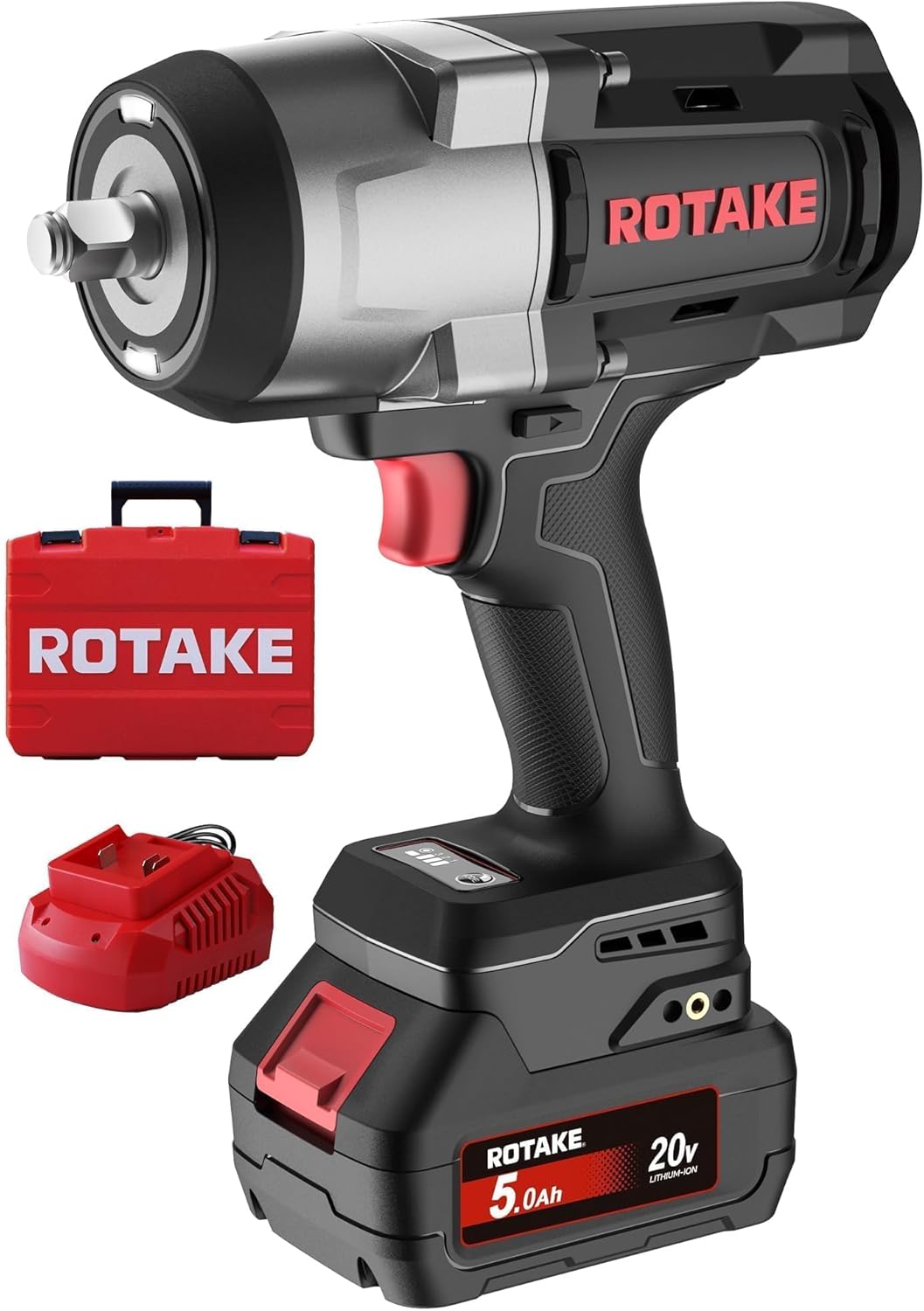
ROTAKE TB3 20V Heavy Duty 1/2" Cordless Impact Wrench Kit - 1380 Ft-Lbs Torque
$132 $219.99
36% OFF

Men's Athletic Running Shorts with Zipper Pockets - Lightweight & Quick Dry
$12.74 $19.99
61% OFF

Modern Ceiling Fan with Light and Remote - Reversible Quiet DC Motor
$69.3 $179.99
50% OFF

MOOKA H13 True HEPA Air Purifier for Home Large Room - 1076 sq ft Odor Eliminator
$39.97 $79.95
60% OFF

Ekouaer Women's Satin Silky Pajama Set - Short Sleeve Pullover Top & Wide-Leg Pants
$13.99 $34.99
55% OFF

Ekouaer 3-Piece Maternity & Nursing Pajamas Set - Short Sleeve Top with Shorts and Pants
$14.99 $32.99

Sealy 2-Pack Tritech 16" Twin Inflatable Air Mattress with Built-in AC Pump
$0 $113.99
20% OFF

INTEX Prism Frame 20ft x 52in Above Ground Pool Set - Round Steel Frame Swimming Pool
$695.99 $869.99

Gardner Pet 43" Heavy Duty Dog Crate with Wheels - Indestructible Folding Metal Cage (Black)
$0 $149.99
12% OFF

Elegant Mid-Century Modern Bar Stools - Set of 4
$395.99 $449.99
23% OFF

Ergonomic Office Chair - Big and Tall Desk Chair with Adjustable Lumbar Support
$279.99 $363.99
26% OFF

Magnelex American Flag Windshield Sun Shade - High-Resolution UV Reflective Heat Shield (X-Large)
$19.9 $26.9
20% OFF
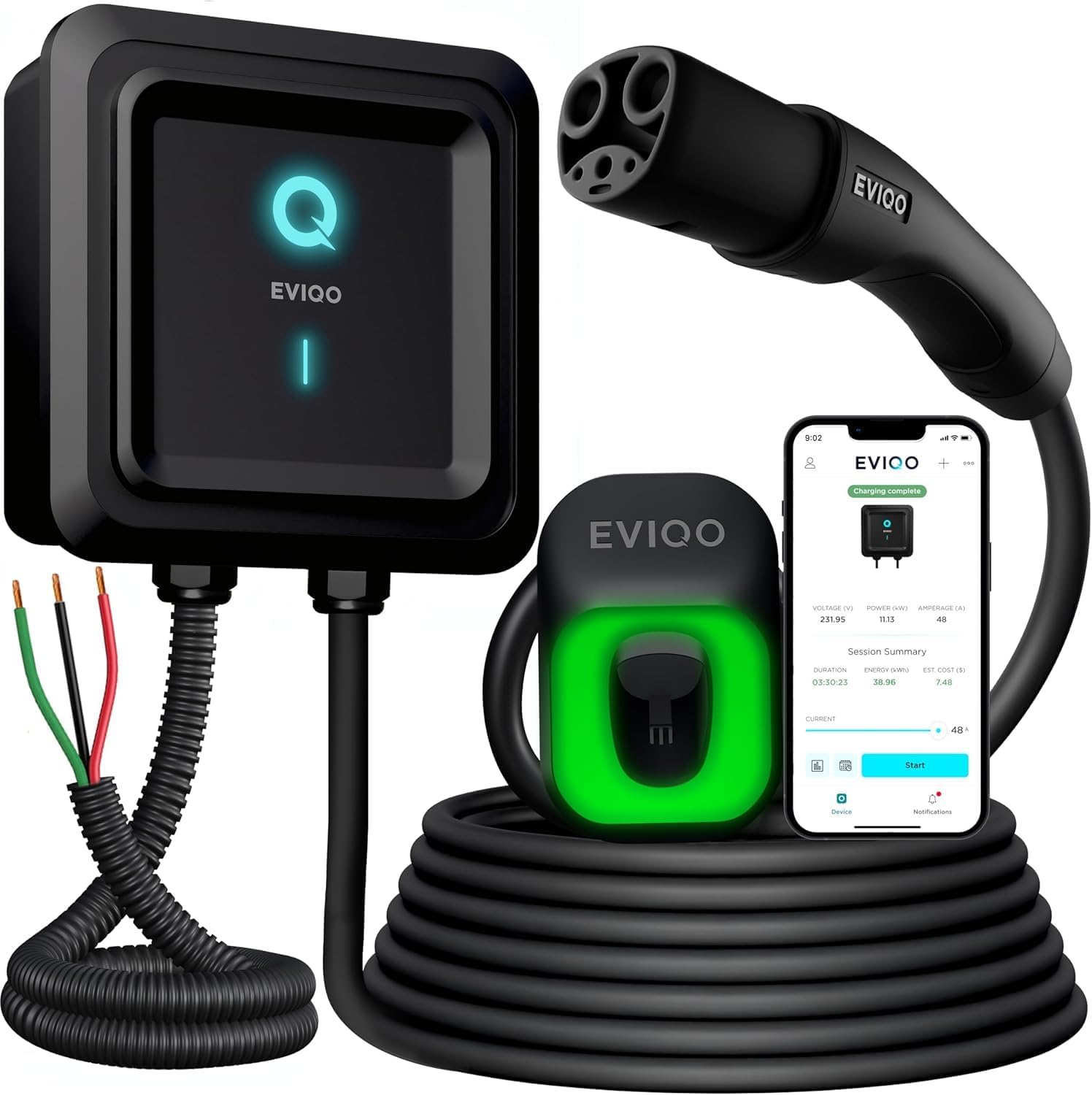
EVIQO 48 Amp NACS Level 2 EV Charger - Hardwired Smart WiFi Wall Charger for Tesla
$368.51 $458.55
50% OFF
DBFIT Air Purifier for Home Large Room
$29.99 $59.99




-

Historic Lancashire church secures £250,000 National Lottery grant for major roof repairs
-

Sunderland Minster PCC was right to push back over trans toilet sign
-

Secular group targets church over online preaching
-

Bethel Church distances itself from Todd Bentley and Mike Bickle
-

Christian police officer reaches settlement over diversity training discrimination claim
-

Christian loses case to remove LGBT symbols from workplace
Most Popular
News

Archbishop of Canterbury highlights benefits and risks of AI
Archbishop Sarah Mullally joined the Pope in raising concerns about AI.

Church of England more than doubles conservation grants
The significant rise in funding was attributed partly to support from the National Lottery Heritage Fund.

Male silence has helped shape UK abortion culture
“Men and abortion is an area that is even more silenced than many of the other areas connected with women and abortion, which are silenced," says bioethicist Dr Anthony McCarthy.

Diary of a CEO’s Steven Bartlett and John Lennox discuss AI, faith and the search for meaning
The Oxford professor shared fears of a “colossal power grab” as AI continues to evolve.
VitaUp Beet Root Gummies with CoQ10 & Grape Seed - Nitric Oxide Circulation Support (60 Count)
$24.91
HDPE All-Weather Adirondack Chair with Built-In Cup Holder - Tool-Free Assembly (Grey)
$69.99
HOMETUK Clear Plastic Storage Bins with Dividers - 3-Pack Stackable Acrylic Organizer Containers for Fridge and Pantry
$19.99
G Gradual Men's Fishing Shirt - UPF 50+ Lightweight Short Sleeve Button Down with Zipper Pockets
$14.99
Everyfun 60" Rectangular Platform Tree Swing - 700lbs Heavy Duty Adjustable Outdoor Swing (Colorful)
$49.99
Ekouaer Women's Casual Loose Jumpsuit - One-Piece Printed Sleeveless Wide Leg Romper with Pockets
$14.99
ROTAKE TB3 20V Heavy Duty 1/2" Cordless Impact Wrench Kit - 1380 Ft-Lbs Torque
$132
Men's Athletic Running Shorts with Zipper Pockets - Lightweight & Quick Dry
$12.74
Modern Ceiling Fan with Light and Remote - Reversible Quiet DC Motor
$69.3
MOOKA H13 True HEPA Air Purifier for Home Large Room - 1076 sq ft Odor Eliminator
$39.97
Ekouaer Women's Satin Silky Pajama Set - Short Sleeve Pullover Top & Wide-Leg Pants
$13.99
Ekouaer 3-Piece Maternity & Nursing Pajamas Set - Short Sleeve Top with Shorts and Pants
$14.99
Sealy 2-Pack Tritech 16" Twin Inflatable Air Mattress with Built-in AC Pump
$0
INTEX Prism Frame 20ft x 52in Above Ground Pool Set - Round Steel Frame Swimming Pool
$695.99
Gardner Pet 43" Heavy Duty Dog Crate with Wheels - Indestructible Folding Metal Cage (Black)
$0
Elegant Mid-Century Modern Bar Stools - Set of 4
$395.99
Ergonomic Office Chair - Big and Tall Desk Chair with Adjustable Lumbar Support
$279.99
Magnelex American Flag Windshield Sun Shade - High-Resolution UV Reflective Heat Shield (X-Large)
$19.9
EVIQO 48 Amp NACS Level 2 EV Charger - Hardwired Smart WiFi Wall Charger for Tesla
$368.51
DBFIT Air Purifier for Home Large Room
$29.99