
Taiwan's new president took office on Tuesday with a historic offer to reopen dialogue with China, which claims the island as its territory, but pledged to maintain Taipei's existing self-rule and separate international profile.
Ma Ying-jeou, 57, the Nationalist Party (KMT) candidate and a former Taipei mayor, took over from Chen Shui-bian of the rival Democratic Progressive Party (DPP), beginning a four-year term after his landslide win in March.
Chen and Ma shook hands and walked, smiling, through a hallway lined with military officials to hand over power in the presidential office, where the Taiwan flag and a portrait of Sun Yat-sen, founder of modern China, hung in the background.
China has claimed Taiwan since 1949, when Mao Zedong's Communists won the Chinese civil war and Chiang Kai-shek's KMT Party fled to the island. Beijing has vowed to bring Taiwan under its control, by force if necessary, if it declares independence.
The two sides have not talked since the 1990s.
"The normalisation of economic and cultural relations is the first step to a win-win solution," Ma said in his inaugural speech in a Taipei arena packed with 15,000 people, including 540 foreign dignitaries. "Accordingly, we are ready to resume consultations."
But in his speech, absent from Chinese state-run TV but aired on Phoenix TV, which is available to many urban viewers in China, Ma pledged to maintain the status quo by neither declaring independence nor seeking unification with China.
"Taiwan doesn't just want security and prosperity," he said. "It wants dignity. Only when Taiwan is no longer being isolated in the international arena can cross-Strait relations move forward with confidence."
China opposes Taiwan membership in the United Nations and other bodies that require statehood to join.
Ma said he would strengthen ties with major ally the United States and "cherish" relations with its existing 23 diplomatic allies, which Taiwan uses to push its agenda in international organisations dominated by China and its roughly 170 partners.
Taiwan's ties with Washington and Beijing frayed under Chen's hardline pro-independence policies since 2000.
"Ma Ying-jeou has a mandate to improve relations with China," said Alexander Huang, professor of strategic studies at Tamkang University in Taiwan. "He's going to use that mandate to change course from over the past eight years."
AMBITIOUS PROMISES
But analysts also warned that Ma's ambitious promises could set the stage for disappointment and noted that China in the past has taken a tough negotiation stance toward the island.
Ma campaigned for the presidency on a platform focused on breathing new life into Taiwan's economy and pushing Beijing for trade ties, direct transit links and a peace accord.
"It's a big day," said Joseph Cheng, a political science professor at City University of Hong Kong. "China will definitely be expressing hopes for a new beginning."
Zhang Jianping of the Institute for International Economic Research under China's National Development and Reform Commission said that as long as Taiwan does not emphasise independence, consultation and dialogue will be possible. "Once that window opens, they can speak deeply and broadly," said Zhang.
Ma has pledged to launch direct weekend flights to China by July and initially allow up to 3,000 Chinese tourists in per day. Fights would axe time-consuming stop-overs in Hong Kong or Macau for Taiwan investors in China and ease the passage for tourists.
Taiwan stocks, which had risen 5.3 percent over the past five sessions, fell by about 2 percent on the inauguration day. The Taiwan dollar had also rallied in the days before the inauguration but was flat on Tuesday.
However, China-listed shares of several Chinese airlines surged on hopes of direct flights under Ma. China Eastern Airlines Corp had risen 9 percent by midmorning while Shanghai Airlines Co was up more than 5 percent.
Ma has also said he would make the Chinese yuan convertible with the Taiwan dollar, let Chinese buy Taiwan real estate and push for a common market.
"We must upgrade Taiwan's international competitiveness and recover lost opportunities," he said in the speech.
Ma also promised a clean government and ethnic unity in Taiwan. Chen's family, aides and vice president have been hit by graft charges, while Chen was accused of fostering division between older Taiwan natives and those who came after 1949.
11% OFF

VitaUp Beet Root Gummies with CoQ10 & Grape Seed - Nitric Oxide Circulation Support (60 Count)
$24.91 $27.91
50% OFF

HDPE All-Weather Adirondack Chair with Built-In Cup Holder - Tool-Free Assembly (Grey)
$69.99 $139.99
60% OFF

HOMETUK Clear Plastic Storage Bins with Dividers - 3-Pack Stackable Acrylic Organizer Containers for Fridge and Pantry
$19.99 $49.99
58% OFF

G Gradual Men's Fishing Shirt - UPF 50+ Lightweight Short Sleeve Button Down with Zipper Pockets
$14.99 $35.99
55% OFF

Everyfun 60" Rectangular Platform Tree Swing - 700lbs Heavy Duty Adjustable Outdoor Swing (Colorful)
$49.99 $110.99
61% OFF

Ekouaer Women's Casual Loose Jumpsuit - One-Piece Printed Sleeveless Wide Leg Romper with Pockets
$14.99 $37.99
40% OFF
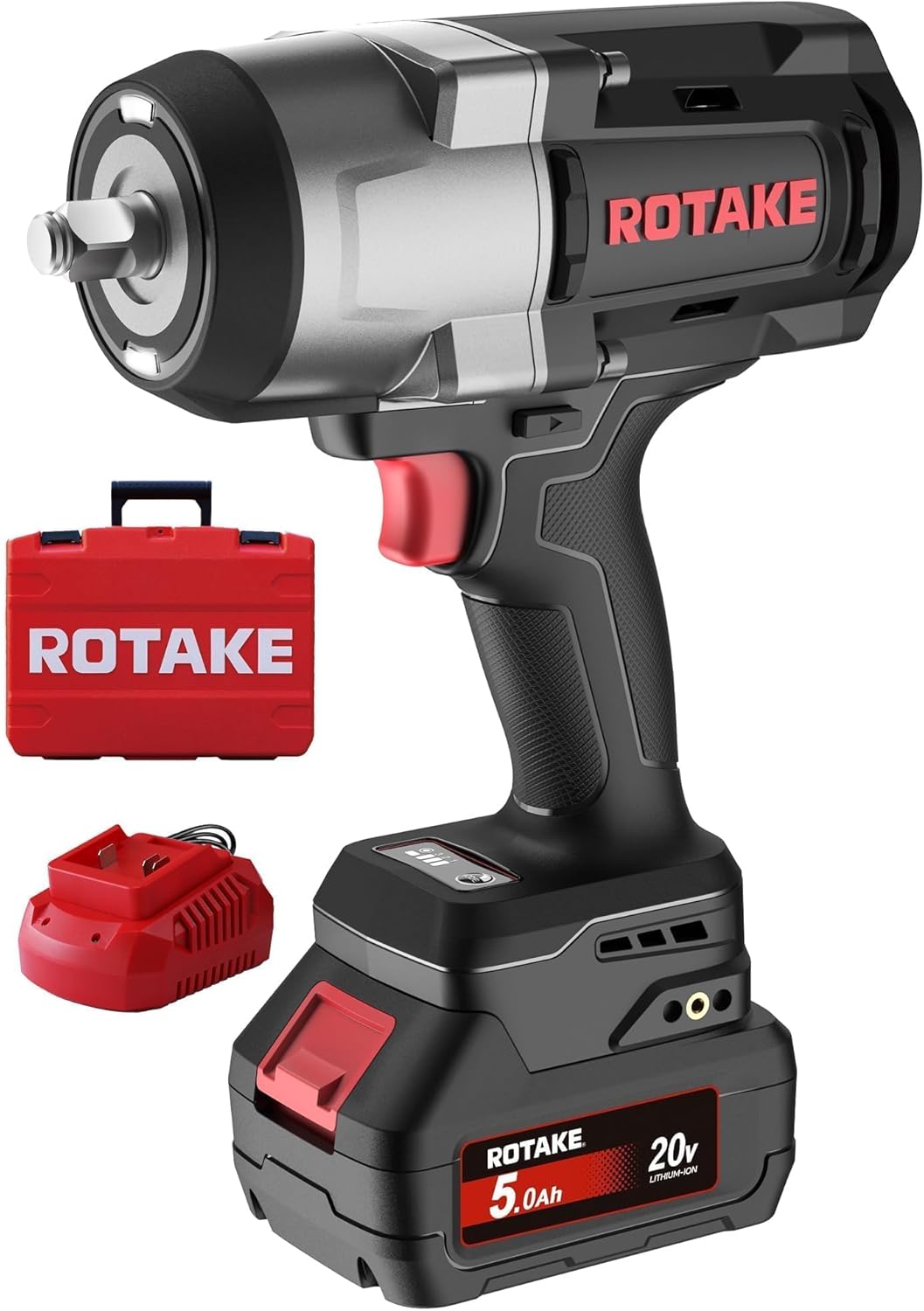
ROTAKE TB3 20V Heavy Duty 1/2" Cordless Impact Wrench Kit - 1380 Ft-Lbs Torque
$132 $219.99
36% OFF

Men's Athletic Running Shorts with Zipper Pockets - Lightweight & Quick Dry
$12.74 $19.99
61% OFF

Modern Ceiling Fan with Light and Remote - Reversible Quiet DC Motor
$69.3 $179.99
50% OFF

MOOKA H13 True HEPA Air Purifier for Home Large Room - 1076 sq ft Odor Eliminator
$39.97 $79.95
60% OFF

Ekouaer Women's Satin Silky Pajama Set - Short Sleeve Pullover Top & Wide-Leg Pants
$13.99 $34.99
55% OFF

Ekouaer 3-Piece Maternity & Nursing Pajamas Set - Short Sleeve Top with Shorts and Pants
$14.99 $32.99

Sealy 2-Pack Tritech 16" Twin Inflatable Air Mattress with Built-in AC Pump
$0 $113.99
20% OFF

INTEX Prism Frame 20ft x 52in Above Ground Pool Set - Round Steel Frame Swimming Pool
$695.99 $869.99

Gardner Pet 43" Heavy Duty Dog Crate with Wheels - Indestructible Folding Metal Cage (Black)
$0 $149.99
12% OFF

Elegant Mid-Century Modern Bar Stools - Set of 4
$395.99 $449.99
23% OFF

Ergonomic Office Chair - Big and Tall Desk Chair with Adjustable Lumbar Support
$279.99 $363.99
26% OFF

Magnelex American Flag Windshield Sun Shade - High-Resolution UV Reflective Heat Shield (X-Large)
$19.9 $26.9
20% OFF
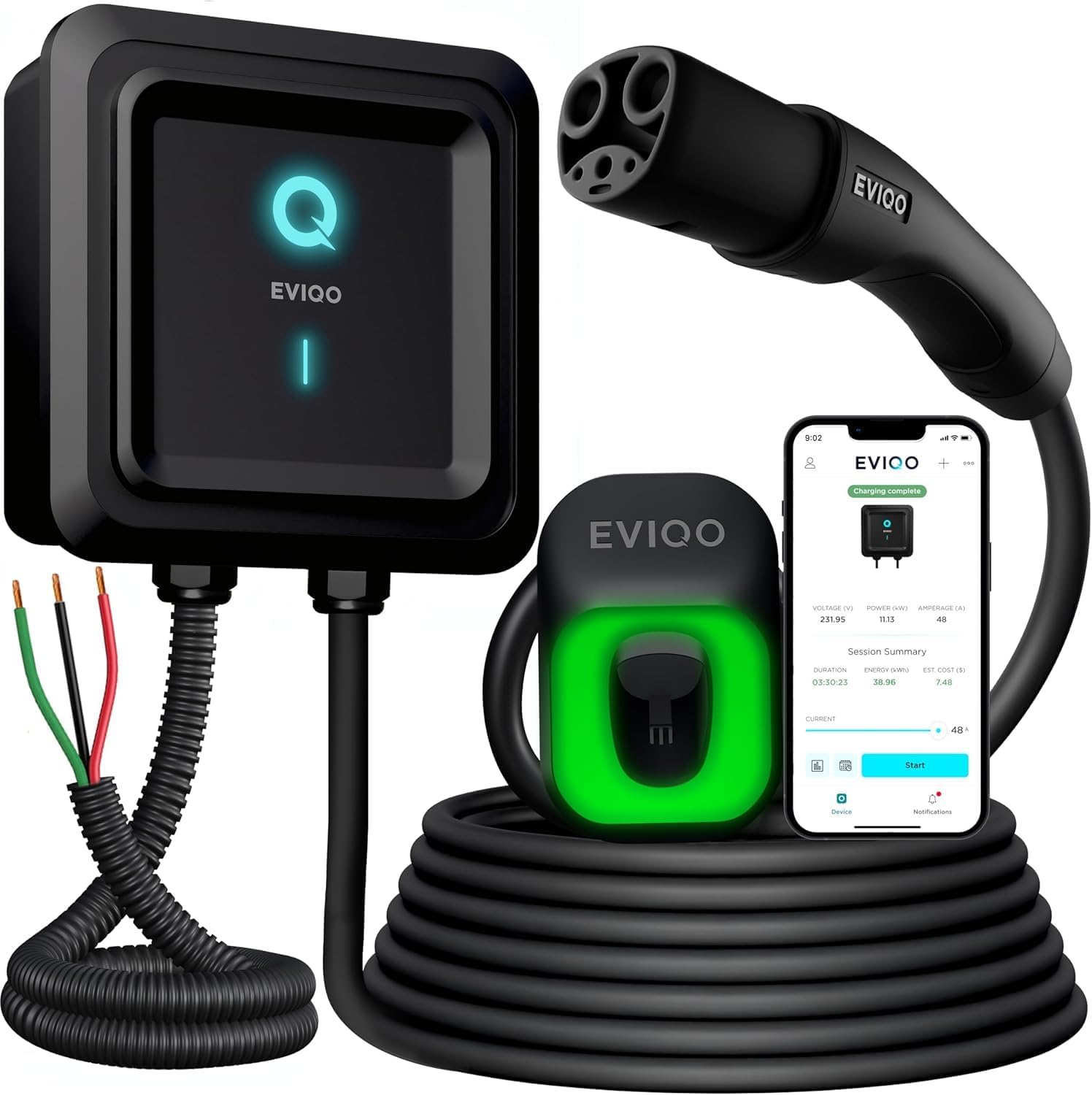
EVIQO 48 Amp NACS Level 2 EV Charger - Hardwired Smart WiFi Wall Charger for Tesla
$368.51 $458.55
50% OFF

DBFIT Air Purifier for Home Large Room
$29.99 $59.99



-

Historic Lancashire church secures £250,000 National Lottery grant for major roof repairs
-
Sunderland Minster PCC was right to push back over trans toilet sign
-
Bethel Church distances itself from Todd Bentley and Mike Bickle
-

Christian police officer reaches settlement over diversity training discrimination claim
-
Turkey's hidden Christian past: Extraordinary discoveries are rewriting the story of early Christianity
-

Washington Archdiocese parts ways with exorcist priest over UFO remarks
Most Popular
News
Churches must disciple well and listen well in response to rise of Christian nationalism
Churches have a task on their hands to raise standards of theological literacy in their congregations amid growing Christian nationalism, while at the same time listening to and engaging with the concerns of people in their flock.

A Christian response to the crisis facing young people
The Church has a wonderful message of hope to share with young people increasingly feeling a sense of nihilism and hopelessness at the state of the world, writes Tim Farron.
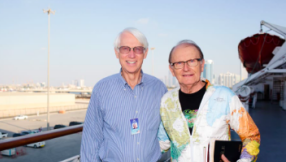
Tributes paid to Operation Mobilisation co-founder Dale Rhoton
Tributes have been paid to Dale Rhoton, one of the co-founders of international mission organisation Operation Mobilisation (OM), after his death at the age of 88.

Doctors should work for good of the patient, not facilitate suicide, says Christian Medical Fellowship
Suicide is always a tragedy that should be resisted, the CMF suggested.
VitaUp Beet Root Gummies with CoQ10 & Grape Seed - Nitric Oxide Circulation Support (60 Count)
$24.91
HDPE All-Weather Adirondack Chair with Built-In Cup Holder - Tool-Free Assembly (Grey)
$69.99
HOMETUK Clear Plastic Storage Bins with Dividers - 3-Pack Stackable Acrylic Organizer Containers for Fridge and Pantry
$19.99
G Gradual Men's Fishing Shirt - UPF 50+ Lightweight Short Sleeve Button Down with Zipper Pockets
$14.99
Everyfun 60" Rectangular Platform Tree Swing - 700lbs Heavy Duty Adjustable Outdoor Swing (Colorful)
$49.99
Ekouaer Women's Casual Loose Jumpsuit - One-Piece Printed Sleeveless Wide Leg Romper with Pockets
$14.99
ROTAKE TB3 20V Heavy Duty 1/2" Cordless Impact Wrench Kit - 1380 Ft-Lbs Torque
$132
Men's Athletic Running Shorts with Zipper Pockets - Lightweight & Quick Dry
$12.74
Modern Ceiling Fan with Light and Remote - Reversible Quiet DC Motor
$69.3
MOOKA H13 True HEPA Air Purifier for Home Large Room - 1076 sq ft Odor Eliminator
$39.97
Ekouaer Women's Satin Silky Pajama Set - Short Sleeve Pullover Top & Wide-Leg Pants
$13.99
Ekouaer 3-Piece Maternity & Nursing Pajamas Set - Short Sleeve Top with Shorts and Pants
$14.99
Sealy 2-Pack Tritech 16" Twin Inflatable Air Mattress with Built-in AC Pump
$0
INTEX Prism Frame 20ft x 52in Above Ground Pool Set - Round Steel Frame Swimming Pool
$695.99
Gardner Pet 43" Heavy Duty Dog Crate with Wheels - Indestructible Folding Metal Cage (Black)
$0
Elegant Mid-Century Modern Bar Stools - Set of 4
$395.99
Ergonomic Office Chair - Big and Tall Desk Chair with Adjustable Lumbar Support
$279.99
Magnelex American Flag Windshield Sun Shade - High-Resolution UV Reflective Heat Shield (X-Large)
$19.9
EVIQO 48 Amp NACS Level 2 EV Charger - Hardwired Smart WiFi Wall Charger for Tesla
$368.51
DBFIT Air Purifier for Home Large Room
$29.99