
|PIC1|A surge in investment in solar power is bringing down costs of the alternative energy source, but affordability problems still dog hopes for the 1.6 billion people worldwide without electricity.
The sun supplies only a tiny fraction -- less than one tenth of 1 percent -- of mankind's energy needs. But its supporters believe a solar era may be dawning, boosted by western funding to combat oil "addiction" and climate change.
Governments from Japan to Germany and the United States are helping the public wean themselves off fossil fuels.
An average German household, for example, can earn over 2,000 euros ($2,860) a year from subsidies to install solar panels -- double their electricity bill -- and pay off all costs within 10 years and earn a pure profit for a further 10.
But there are few handouts in developing nations where it could be argued solar power is more relevant -- in sunnier countries where many people have no electricity at all.
A scientific body which groups academies worldwide -- the InterAcademy Council -- said last week efforts to curb climate change must target vast numbers of people who lack basic energy.
"It's sad that 1.6 billion people live without electricity and two to three billion use energy in a primitive way very damaging to health," said Professor Steven Chu, a Nobel laureate physicist based at the University of California, Berkeley, and co-chair of the report for the Dutch-based body.
LOW INCOME
Low incomes and low subsidies, if any, can make clean energy a hard sell in developing countries.
In the Indian state of Karnataka private firms, backed by state government subsidies, have over the last 3-5 years been pushing solar power for households in towns and cities, including giving discounts on power bills if solar is installed.
The picture is very different for off-grid rural Indian communities which until now were dependent on kerosene, or paraffin, lamps for lighting, having no electricity access.
"Kerosene is quite heavily subsidised but has limited availability in some rural areas, which has helped solar PV (photovoltaic) sales," said J.P. Painuly, senior energy planner at the Denmark-based Risoe National Laboratory.
"There are some solar PV programmes that provide an extremely limited capital subsidy. It's not at a scale that makes it viable. Solar PV is still really expensive... more expensive than kerosene."
Worldwide about 1.5 million people die annually from indoor pollution due to lighting and cooking.
It is the health benefits that sell the more expensive panels together with the promise of a much brighter source of light than paraffin lamps so users can work and make money after dark, or read and educate themselves or their children.
The Solar Electric Light Company (SELCO) has supplied solar powered electricity to 75,000 households over the past 12 years in India, where 60 percent of households lack electricity.
Their standard solar panel, replacing three smoky paraffin lamps, costs $250, equal to at least 12 months' income for many rural households, said SELCO Managing Director Harish Hande.
Customers can spread the cost over five years, and microfinance creditors collect payments as often as weekly from those who struggle to put money aside.
One downside is that large parts of Karnataka get monsoon rains for about 4 months a year and people complain that solar systems are not effective in cloudy conditions.
Another is that SELCO's small profits are making it difficult for the company to compete with salaries offered by Bangalore's Internet industry and expand outside its core Karnataka state, said Hande.
Many wealthier suburbs in Karnataka cities and towns have terraces of houses with solar water heaters -- a more basic and widely available technology which heats water but doesn't supply electricity, unlike the solar PV panels.
MANUFACTURING BOOM
SELCO cuts costs by making fluorescent light bulbs and designing solar panels itself, but the panels are still more expensive than the more heavily subsidised oil lamps.
So when will costs come down?
Rapidly developing countries like China are joining a silicon solar cell manufacturing boom, helping to pare the price of the alternative technology and simple, economy panels could soon be affordable even to the rural poor, said Chu.
"Very inexpensive solar cells could be used by off-grid people to charge appliances that don't use a lot of power but make a world of difference," he said, listing life-enhancing items such as radios, mobile phones, water purifiers and bright, efficient lamps called light emitting diodes (LEDs).
The World Bank last month announced a private sector competition to devise the best-value, low carbon light source for poor households in Africa, as a way to flag up what it estimates is a $17 billion African market in off-grid lighting.
UK-based solar company G24 Innovations this month started production of a low-cost, non silicon-based solar panel, which it says it will supply into the LED market in developing countries from next year.
11% OFF

VitaUp Beet Root Gummies with CoQ10 & Grape Seed - Nitric Oxide Circulation Support (60 Count)
$24.91 $27.91
50% OFF

HDPE All-Weather Adirondack Chair with Built-In Cup Holder - Tool-Free Assembly (Grey)
$69.99 $139.99
60% OFF

HOMETUK Clear Plastic Storage Bins with Dividers - 3-Pack Stackable Acrylic Organizer Containers for Fridge and Pantry
$19.99 $49.99
58% OFF

G Gradual Men's Fishing Shirt - UPF 50+ Lightweight Short Sleeve Button Down with Zipper Pockets
$14.99 $35.99
55% OFF

Everyfun 60" Rectangular Platform Tree Swing - 700lbs Heavy Duty Adjustable Outdoor Swing (Colorful)
$49.99 $110.99
61% OFF

Ekouaer Women's Casual Loose Jumpsuit - One-Piece Printed Sleeveless Wide Leg Romper with Pockets
$14.99 $37.99
40% OFF
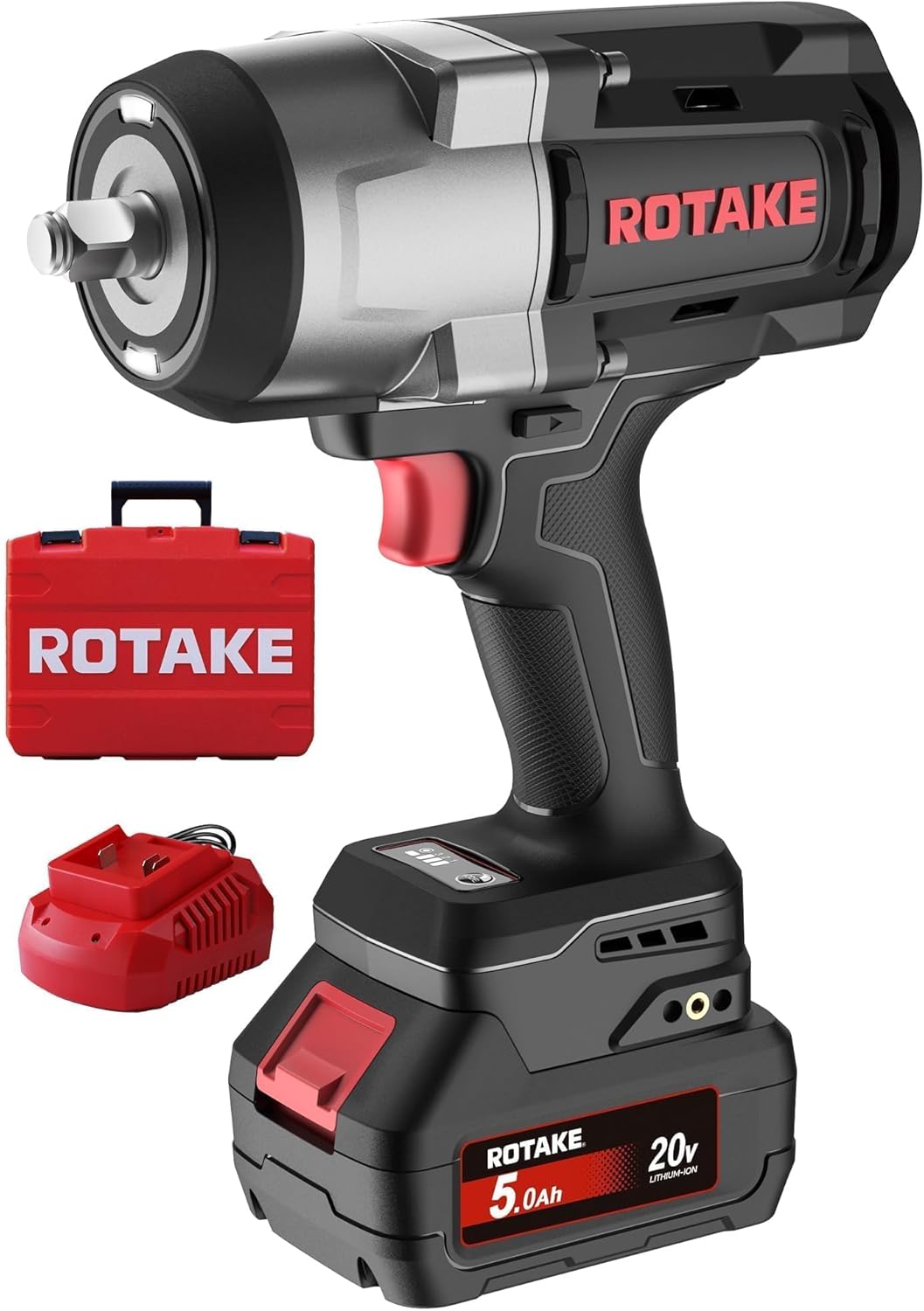
ROTAKE TB3 20V Heavy Duty 1/2" Cordless Impact Wrench Kit - 1380 Ft-Lbs Torque
$132 $219.99
36% OFF

Men's Athletic Running Shorts with Zipper Pockets - Lightweight & Quick Dry
$12.74 $19.99
61% OFF

Modern Ceiling Fan with Light and Remote - Reversible Quiet DC Motor
$69.3 $179.99
50% OFF

MOOKA H13 True HEPA Air Purifier for Home Large Room - 1076 sq ft Odor Eliminator
$39.97 $79.95
60% OFF

Ekouaer Women's Satin Silky Pajama Set - Short Sleeve Pullover Top & Wide-Leg Pants
$13.99 $34.99
55% OFF

Ekouaer 3-Piece Maternity & Nursing Pajamas Set - Short Sleeve Top with Shorts and Pants
$14.99 $32.99

Sealy 2-Pack Tritech 16" Twin Inflatable Air Mattress with Built-in AC Pump
$0 $113.99
20% OFF

INTEX Prism Frame 20ft x 52in Above Ground Pool Set - Round Steel Frame Swimming Pool
$695.99 $869.99

Gardner Pet 43" Heavy Duty Dog Crate with Wheels - Indestructible Folding Metal Cage (Black)
$0 $149.99
12% OFF

Elegant Mid-Century Modern Bar Stools - Set of 4
$395.99 $449.99
23% OFF

Ergonomic Office Chair - Big and Tall Desk Chair with Adjustable Lumbar Support
$279.99 $363.99
26% OFF

Magnelex American Flag Windshield Sun Shade - High-Resolution UV Reflective Heat Shield (X-Large)
$19.9 $26.9
20% OFF
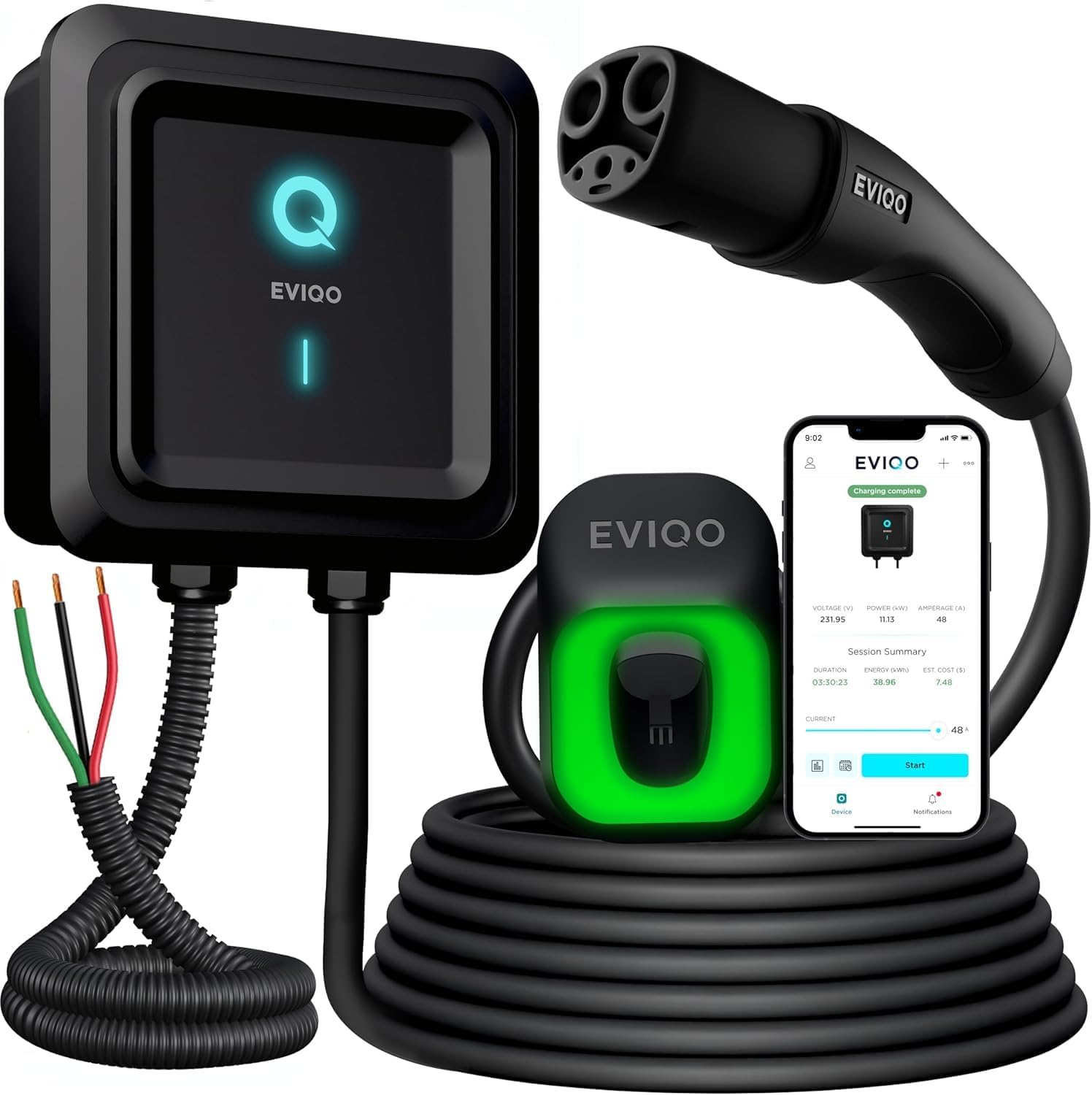
EVIQO 48 Amp NACS Level 2 EV Charger - Hardwired Smart WiFi Wall Charger for Tesla
$368.51 $458.55
50% OFF

DBFIT Air Purifier for Home Large Room
$29.99 $59.99




-

Historic Lancashire church secures £250,000 National Lottery grant for major roof repairs
-

Sunderland Minster PCC was right to push back over trans toilet sign
-

Bethel Church distances itself from Todd Bentley and Mike Bickle
-

Christian police officer reaches settlement over diversity training discrimination claim
-

Turkey's hidden Christian past: Extraordinary discoveries are rewriting the story of early Christianity
-

Washington Archdiocese parts ways with exorcist priest over UFO remarks
Most Popular
News

A Christian response to the crisis facing young people
The Church has a wonderful message of hope to share with young people increasingly feeling a sense of nihilism and hopelessness at the state of the world, writes Tim Farron.

Tributes paid to Operation Mobilisation co-founder Dale Rhoton
Tributes have been paid to Dale Rhoton, one of the co-founders of international mission organisation Operation Mobilisation (OM), after his death at the age of 88.

Doctors should work for good of the patient, not facilitate suicide, says Christian Medical Fellowship
Suicide is always a tragedy that should be resisted, the CMF suggested.

Parents play decisive role in passing faith to the next generation, study finds
Parents who actively practise and discuss their faith at home are significantly more likely to see their children remain committed Christians into adulthood, according to a major new study.
VitaUp Beet Root Gummies with CoQ10 & Grape Seed - Nitric Oxide Circulation Support (60 Count)
$24.91
HDPE All-Weather Adirondack Chair with Built-In Cup Holder - Tool-Free Assembly (Grey)
$69.99
HOMETUK Clear Plastic Storage Bins with Dividers - 3-Pack Stackable Acrylic Organizer Containers for Fridge and Pantry
$19.99
G Gradual Men's Fishing Shirt - UPF 50+ Lightweight Short Sleeve Button Down with Zipper Pockets
$14.99
Everyfun 60" Rectangular Platform Tree Swing - 700lbs Heavy Duty Adjustable Outdoor Swing (Colorful)
$49.99
Ekouaer Women's Casual Loose Jumpsuit - One-Piece Printed Sleeveless Wide Leg Romper with Pockets
$14.99
ROTAKE TB3 20V Heavy Duty 1/2" Cordless Impact Wrench Kit - 1380 Ft-Lbs Torque
$132
Men's Athletic Running Shorts with Zipper Pockets - Lightweight & Quick Dry
$12.74
Modern Ceiling Fan with Light and Remote - Reversible Quiet DC Motor
$69.3
MOOKA H13 True HEPA Air Purifier for Home Large Room - 1076 sq ft Odor Eliminator
$39.97
Ekouaer Women's Satin Silky Pajama Set - Short Sleeve Pullover Top & Wide-Leg Pants
$13.99
Ekouaer 3-Piece Maternity & Nursing Pajamas Set - Short Sleeve Top with Shorts and Pants
$14.99
Sealy 2-Pack Tritech 16" Twin Inflatable Air Mattress with Built-in AC Pump
$0
INTEX Prism Frame 20ft x 52in Above Ground Pool Set - Round Steel Frame Swimming Pool
$695.99
Gardner Pet 43" Heavy Duty Dog Crate with Wheels - Indestructible Folding Metal Cage (Black)
$0
Elegant Mid-Century Modern Bar Stools - Set of 4
$395.99
Ergonomic Office Chair - Big and Tall Desk Chair with Adjustable Lumbar Support
$279.99
Magnelex American Flag Windshield Sun Shade - High-Resolution UV Reflective Heat Shield (X-Large)
$19.9
EVIQO 48 Amp NACS Level 2 EV Charger - Hardwired Smart WiFi Wall Charger for Tesla
$368.51
DBFIT Air Purifier for Home Large Room
$29.99