
|PIC1|Winston Churchill once described Russia as a ‘riddle wrapped in a mystery inside an enigma’. I have no doubt that many church leaders would say the same thing about the Charity Commission. Too often, the Commission has been seen to be something of an administrative Goliath towering over the tiny David of a local church or Christian charity.
However, I would suggest that in a society that needs to see charities as trustworthy, the work of the Charity Commission is vital. In a society that needs to see love in action, the Church is indispensable. The two can work together and each can benefit from the other.
There is no doubt that a change in the law concerning charities is desperately needed. The current charity law dates back to 1601, but in the 21st century we need clearer guidelines, stronger accountability and better legislation, especially since there are more than
half a million organisations in the not-for-profit sector.
The Alliance (Evangelical Alliance UK) has been communicating directly with government because of concerns we have about whether or not they are able to assess charitable organisations in a clear and unbiased way. Public benefit is not simply measurable in economic or social terms; it is also defined in spiritual terms and as a sense of belonging, safety and community that no government can discern solely on statistics and figures.
Without a doubt good governance is an obligation to the Church. I am mystified as to how a Christian organisation could question or disagree with the aims of the Charity Commission - namely, to register charities in England and Wales and to provide the best possible regulation in order to increase charities’ effectiveness and public confidence and trust.
Good governance is an opportunity for the church in five key areas:
1) Stewardship (Matthew 25) is about being careful with that which the Lord has entrusted to us. The money, the buildings, the time, the talents - all are the Lord’s, and we should see the Charity Commission as a body that helps us remember that principle.
|TOP|2) Accountability (1 Peter 3.15) is being ready to give an answer for what we believe with gentleness and respect. The Church is accountable to God, but that does not in any way rule out accountability, in the right context, to government.
3) Witness (Philippians 1.27) involves being honouring to Christ in all things. I preach in churches and conferences all the time. But if what I say and what I do don’t match, I have a credibility gap that no amount of words will hide. The Church gets defensive and thinks it shouldn’t answer to anyone. But is this the mind or the attitude of Jesus, who urges us to let our lights shine before men so that they will see our good deeds and glorify our Father in heaven? Being open to any examination of our books and our activities would be a strong and positive witness, showing a cynical world that they can trust us.
4) Integrity (Matthew 5.37) is when we, in the words of Jesus in the Sermon on the Mount, let our ‘yes’ be ‘yes’. I have a screen message that comes on my mobile phone every time I turn it on: ‘Integrity always matters’. By working with the Charity Commission we show that the credibility gap is something we want to get rid of. We want our walk and our talk to match. Integrity means that we will be transparent.
|AD|5) Submission (Romans 13) says that we must display a heart and an attitude of Christ in working with the Charity Commission. But this is where we set a caveat: We submit to the Charity Commission because we have already submitted to Christ. He is our final authority. In Romans, Paul calls us to submit to our governments, and we joyfully and willingly do so. But we submit to others because we have submitted to Him.
There are dangers to avoid. The Charity Commission must not take the engine from the church and Christian charities. We do what we do in the name of Christ. He is the focus of our faith, and we will never apologise for our faith. We will not put God in a box and pretend that He does not matter to us - He is the reason that we do what we do. The Commission must know that, as well as that the church is a diverse organism. What works for one group will not work for another. We are diverse in our ethos, governance, motivation, ecclesiology and even in our commitment. All these spring from the same source, but they vary in nuance and interpretation.
May God grant us the wisdom and the strength to be His Church unapologetically. To have people on our hearts in all that we do. To seek to uphold good practice in all that we are. Then we will truly be good news to a needy world.
Malcolm Duncan
[Reverend Malcolm Duncan is the Leader of the Faithworks Movement, and previously worked as Head of Mission at the Evangelical Alliance UK.]
You can find more information about Faithworks by clicking HERE.
11% OFF

VitaUp Beet Root Gummies with CoQ10 & Grape Seed - Nitric Oxide Circulation Support (60 Count)
$24.91 $27.91
50% OFF

HDPE All-Weather Adirondack Chair with Built-In Cup Holder - Tool-Free Assembly (Grey)
$69.99 $139.99
60% OFF

HOMETUK Clear Plastic Storage Bins with Dividers - 3-Pack Stackable Acrylic Organizer Containers for Fridge and Pantry
$19.99 $49.99
58% OFF

G Gradual Men's Fishing Shirt - UPF 50+ Lightweight Short Sleeve Button Down with Zipper Pockets
$14.99 $35.99
55% OFF

Everyfun 60" Rectangular Platform Tree Swing - 700lbs Heavy Duty Adjustable Outdoor Swing (Colorful)
$49.99 $110.99
61% OFF

Ekouaer Women's Casual Loose Jumpsuit - One-Piece Printed Sleeveless Wide Leg Romper with Pockets
$14.99 $37.99
40% OFF
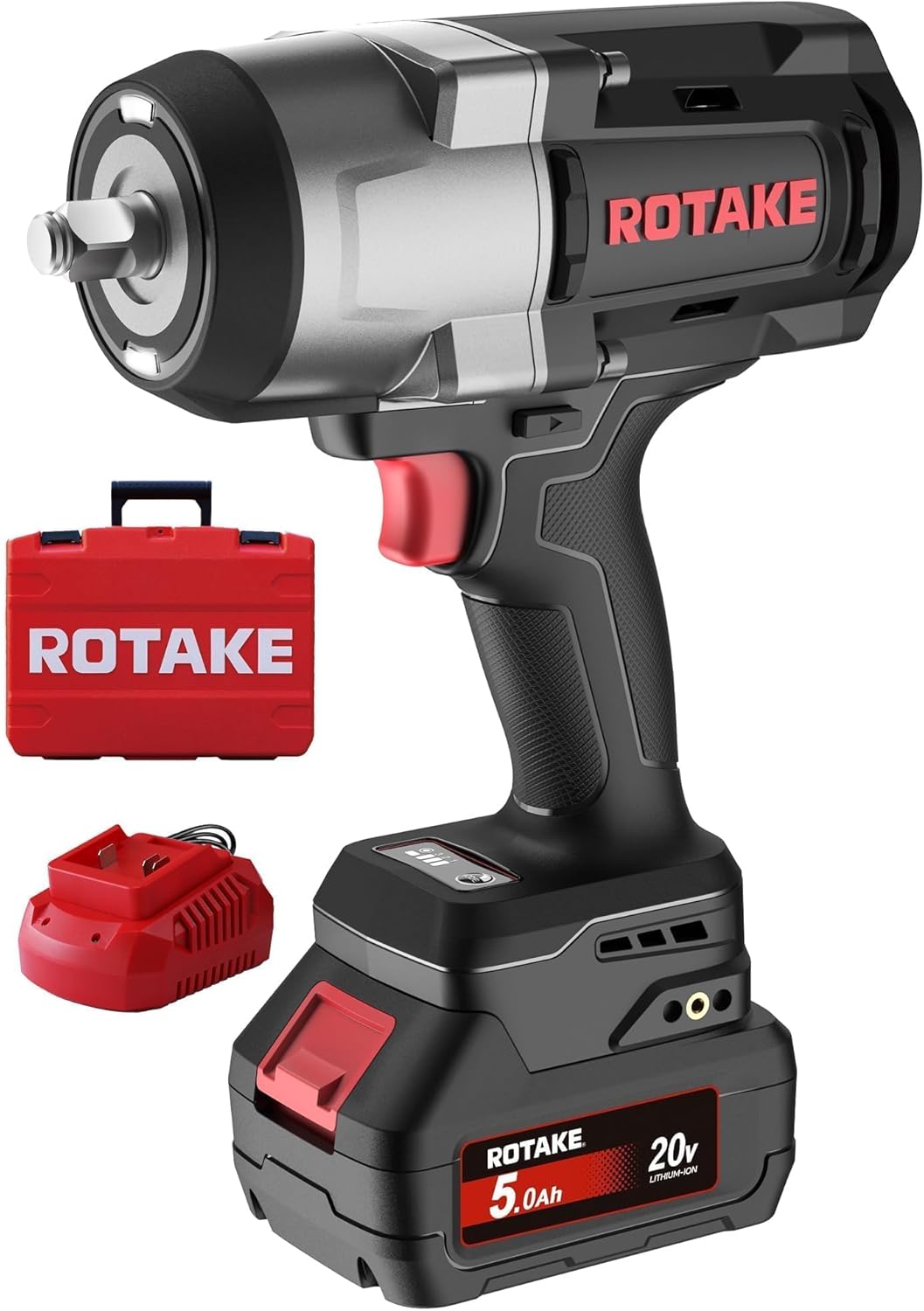
ROTAKE TB3 20V Heavy Duty 1/2" Cordless Impact Wrench Kit - 1380 Ft-Lbs Torque
$132 $219.99
36% OFF

Men's Athletic Running Shorts with Zipper Pockets - Lightweight & Quick Dry
$12.74 $19.99
61% OFF

Modern Ceiling Fan with Light and Remote - Reversible Quiet DC Motor
$69.3 $179.99
50% OFF

MOOKA H13 True HEPA Air Purifier for Home Large Room - 1076 sq ft Odor Eliminator
$39.97 $79.95
60% OFF

Ekouaer Women's Satin Silky Pajama Set - Short Sleeve Pullover Top & Wide-Leg Pants
$13.99 $34.99
55% OFF

Ekouaer 3-Piece Maternity & Nursing Pajamas Set - Short Sleeve Top with Shorts and Pants
$14.99 $32.99

Sealy 2-Pack Tritech 16" Twin Inflatable Air Mattress with Built-in AC Pump
$0 $113.99
20% OFF

INTEX Prism Frame 20ft x 52in Above Ground Pool Set - Round Steel Frame Swimming Pool
$695.99 $869.99

Gardner Pet 43" Heavy Duty Dog Crate with Wheels - Indestructible Folding Metal Cage (Black)
$0 $149.99
12% OFF

Elegant Mid-Century Modern Bar Stools - Set of 4
$395.99 $449.99
23% OFF

Ergonomic Office Chair - Big and Tall Desk Chair with Adjustable Lumbar Support
$279.99 $363.99
26% OFF

Magnelex American Flag Windshield Sun Shade - High-Resolution UV Reflective Heat Shield (X-Large)
$19.9 $26.9
20% OFF
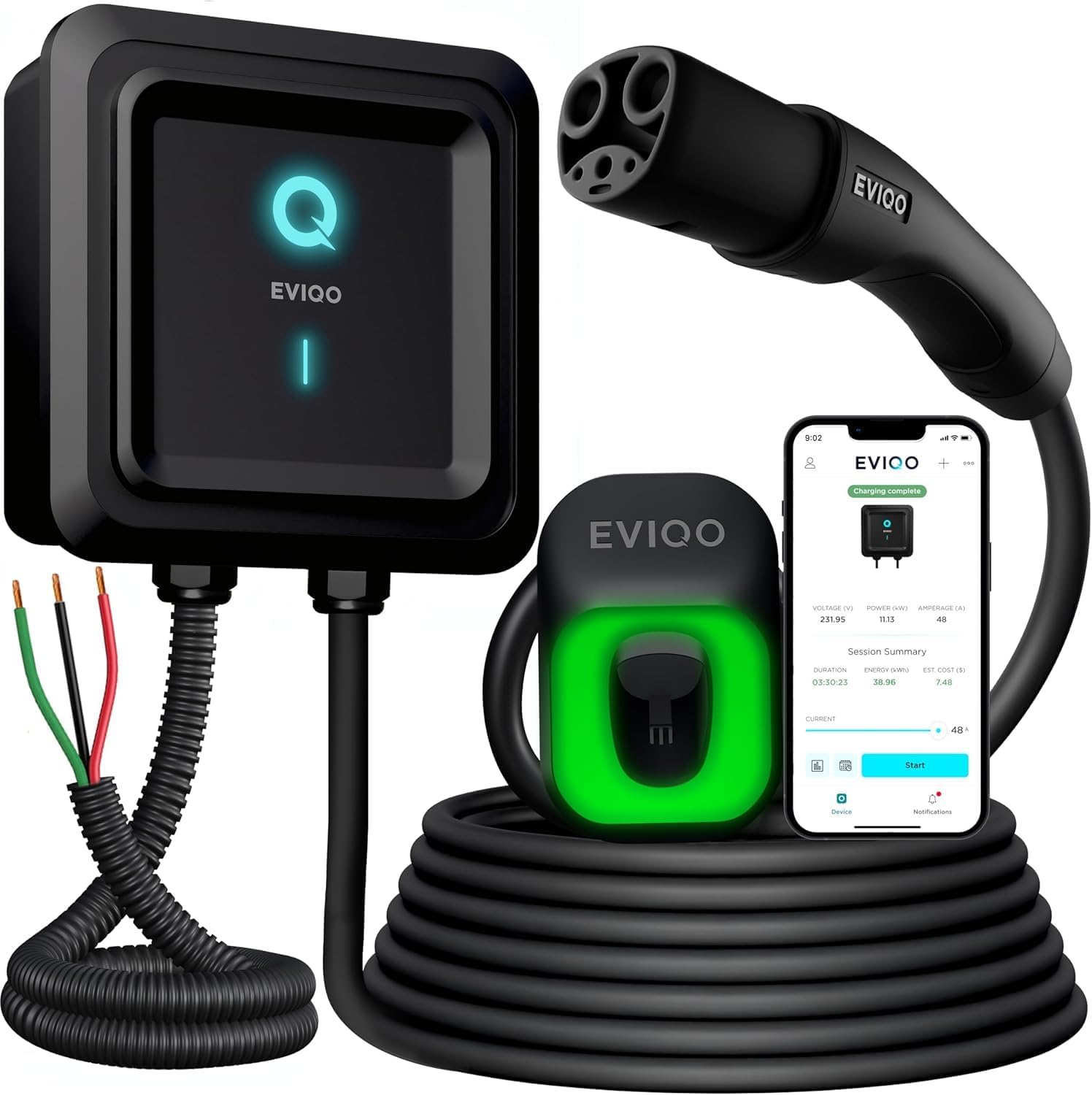
EVIQO 48 Amp NACS Level 2 EV Charger - Hardwired Smart WiFi Wall Charger for Tesla
$368.51 $458.55
50% OFF

DBFIT Air Purifier for Home Large Room
$29.99 $59.99




-

Historic Lancashire church secures £250,000 National Lottery grant for major roof repairs
-

Sunderland Minster PCC was right to push back over trans toilet sign
-

Bethel Church distances itself from Todd Bentley and Mike Bickle
-

Christian police officer reaches settlement over diversity training discrimination claim
-

Turkey's hidden Christian past: Extraordinary discoveries are rewriting the story of early Christianity
-

Washington Archdiocese parts ways with exorcist priest over UFO remarks
Most Popular
News
Churches must disciple well and listen well in response to rise of Christian nationalism
Churches have a task on their hands to raise standards of theological literacy in their congregations amid growing Christian nationalism, while at the same time listening to and engaging with the concerns of people in their flock.

A Christian response to the crisis facing young people
The Church has a wonderful message of hope to share with young people increasingly feeling a sense of nihilism and hopelessness at the state of the world, writes Tim Farron.

Tributes paid to Operation Mobilisation co-founder Dale Rhoton
Tributes have been paid to Dale Rhoton, one of the co-founders of international mission organisation Operation Mobilisation (OM), after his death at the age of 88.

Doctors should work for good of the patient, not facilitate suicide, says Christian Medical Fellowship
Suicide is always a tragedy that should be resisted, the CMF suggested.
VitaUp Beet Root Gummies with CoQ10 & Grape Seed - Nitric Oxide Circulation Support (60 Count)
$24.91
HDPE All-Weather Adirondack Chair with Built-In Cup Holder - Tool-Free Assembly (Grey)
$69.99
HOMETUK Clear Plastic Storage Bins with Dividers - 3-Pack Stackable Acrylic Organizer Containers for Fridge and Pantry
$19.99
G Gradual Men's Fishing Shirt - UPF 50+ Lightweight Short Sleeve Button Down with Zipper Pockets
$14.99
Everyfun 60" Rectangular Platform Tree Swing - 700lbs Heavy Duty Adjustable Outdoor Swing (Colorful)
$49.99
Ekouaer Women's Casual Loose Jumpsuit - One-Piece Printed Sleeveless Wide Leg Romper with Pockets
$14.99
ROTAKE TB3 20V Heavy Duty 1/2" Cordless Impact Wrench Kit - 1380 Ft-Lbs Torque
$132
Men's Athletic Running Shorts with Zipper Pockets - Lightweight & Quick Dry
$12.74
Modern Ceiling Fan with Light and Remote - Reversible Quiet DC Motor
$69.3
MOOKA H13 True HEPA Air Purifier for Home Large Room - 1076 sq ft Odor Eliminator
$39.97
Ekouaer Women's Satin Silky Pajama Set - Short Sleeve Pullover Top & Wide-Leg Pants
$13.99
Ekouaer 3-Piece Maternity & Nursing Pajamas Set - Short Sleeve Top with Shorts and Pants
$14.99
Sealy 2-Pack Tritech 16" Twin Inflatable Air Mattress with Built-in AC Pump
$0
INTEX Prism Frame 20ft x 52in Above Ground Pool Set - Round Steel Frame Swimming Pool
$695.99
Gardner Pet 43" Heavy Duty Dog Crate with Wheels - Indestructible Folding Metal Cage (Black)
$0
Elegant Mid-Century Modern Bar Stools - Set of 4
$395.99
Ergonomic Office Chair - Big and Tall Desk Chair with Adjustable Lumbar Support
$279.99
Magnelex American Flag Windshield Sun Shade - High-Resolution UV Reflective Heat Shield (X-Large)
$19.9
EVIQO 48 Amp NACS Level 2 EV Charger - Hardwired Smart WiFi Wall Charger for Tesla
$368.51
DBFIT Air Purifier for Home Large Room
$29.99