
|PIC1|Protesters angered over China's crackdown in Tibet marched in San Francisco ahead of the Olympic torch's arrival on Wednesday but Olympics chief Jacques Rogge said there are no plans to cut short the global torch relay.
The torch will be carried through the West coast city during the flame's only U.S. stop, but several hundred activists had already marched through its streets on the eve of the procession, many carrying Tibetan flags and signs and chanting "Shame on China".
City authorities fear a repeat of demonstrations - fuelled by anger about China's policies in Tibet and a crackdown in the Himalayan region after deadly rioting last month - that marred the London and Paris legs of the relay.
But Rogge told the Wall Street Journal that reports the International Olympic Committee executive board would consider scrapping the torch relay outside China, to avoid more ugly scenes, were "based on a misunderstanding".
"I am saddened that such a beautiful symbol of the torch, which unites people of different religions, different ethnic origin, different political systems, cultures and languages, has been attacked," Rogge said of the disruptions.
The troubled procession has kept Tibet in the international headlines, and become a magnet for other groups unhappy about a range of China-related issues, from its involvement in Sudan's Darfur region to its treatment of animal rights.
Beijing fiercely condemned the protests and they have stirred up patriotic resentment among many ordinary Chinese who feel they politicise a sporting event that should be a celebration of 30 years of economic development and opening to the outside world.
Western leaders are facing a delicate balancing act as calls mount for them to boycott of the opening ceremony, though there have been no serious suggestions athletes should skip the Games themselves.
Australian Prime Minister Kevin Rudd said in a speech to Chinese students that it was important to recognise that there were "significant human rights problems" in Tibet, although he did not back calls for a boycott of the Beijing Olympics.
"I believe the Olympics are important for China's continuing engagement with the world," Rudd said, according to a transcript of the speech made on Wednesday.
NEARLY 1,000 DETAINED
Chinese police have detained 953 people suspected of involvement in the riots in Tibet last month, the head of the Himalayan region said on Wednesday, but added they are a minority who did not represent Tibetans or their Buddhist clergy.
Qiangba Puncog, chairman of the Tibet Autonomous Region government, told a news conference in Beijing that anyone who tried to disrupt the torch's journey through Tibet would face heavy punishment.
"If someone dares to sabotage the torch relay in Tibet and its scaling of the Mount Everest, we will seriously punish him and will not be soft-handed," said Qiangba Puncog.
A group of 15 Tibetan Buddhist monks interrupted a state-sponsored media tour of a riot-hit region of western China on Wednesday, demanding the return of the Dalai Lama to China and yelling that they had no human rights.
In the second such incident in as many months, the monks burst out of a building at the Labrang monastery in Xiahe, Gansu province, and rushed across a plaza to a group of 20 Chinese and foreign journalists.
"The Dalai Lama has to come back to Tibet. We are not asking for Tibetan independence, we are just asking for human rights, we have no human rights now," one monk told the reporters in Chinese.
Facing the prospect of disruptive protests, Hong Kong, which is the first Chinese territory where the torch will pass, might also prohibit some people from entering to ensure public order, the city's security chief said.
Certain people "are surely not welcome in Hong Kong if they come especially to destroy public order", Ambrose Lee was quoted in the South China Morning Post as saying.
Lee said he hoped the torch relay in Hong Kong on May 2 would be "solemn and peaceful ... We don't want the relay to be affected by protests or any violent actions."
Hong Kong was a British colony until Chinese rule was restored 11 years ago. It is largely autonomous from the Communist-run mainland, except for defence and foreign policy, but the city supposedly controls its own borders.
11% OFF

VitaUp Beet Root Gummies with CoQ10 & Grape Seed - Nitric Oxide Circulation Support (60 Count)
$24.91 $27.91
50% OFF

HDPE All-Weather Adirondack Chair with Built-In Cup Holder - Tool-Free Assembly (Grey)
$69.99 $139.99
60% OFF

HOMETUK Clear Plastic Storage Bins with Dividers - 3-Pack Stackable Acrylic Organizer Containers for Fridge and Pantry
$19.99 $49.99
58% OFF

G Gradual Men's Fishing Shirt - UPF 50+ Lightweight Short Sleeve Button Down with Zipper Pockets
$14.99 $35.99
55% OFF

Everyfun 60" Rectangular Platform Tree Swing - 700lbs Heavy Duty Adjustable Outdoor Swing (Colorful)
$49.99 $110.99
61% OFF

Ekouaer Women's Casual Loose Jumpsuit - One-Piece Printed Sleeveless Wide Leg Romper with Pockets
$14.99 $37.99
40% OFF
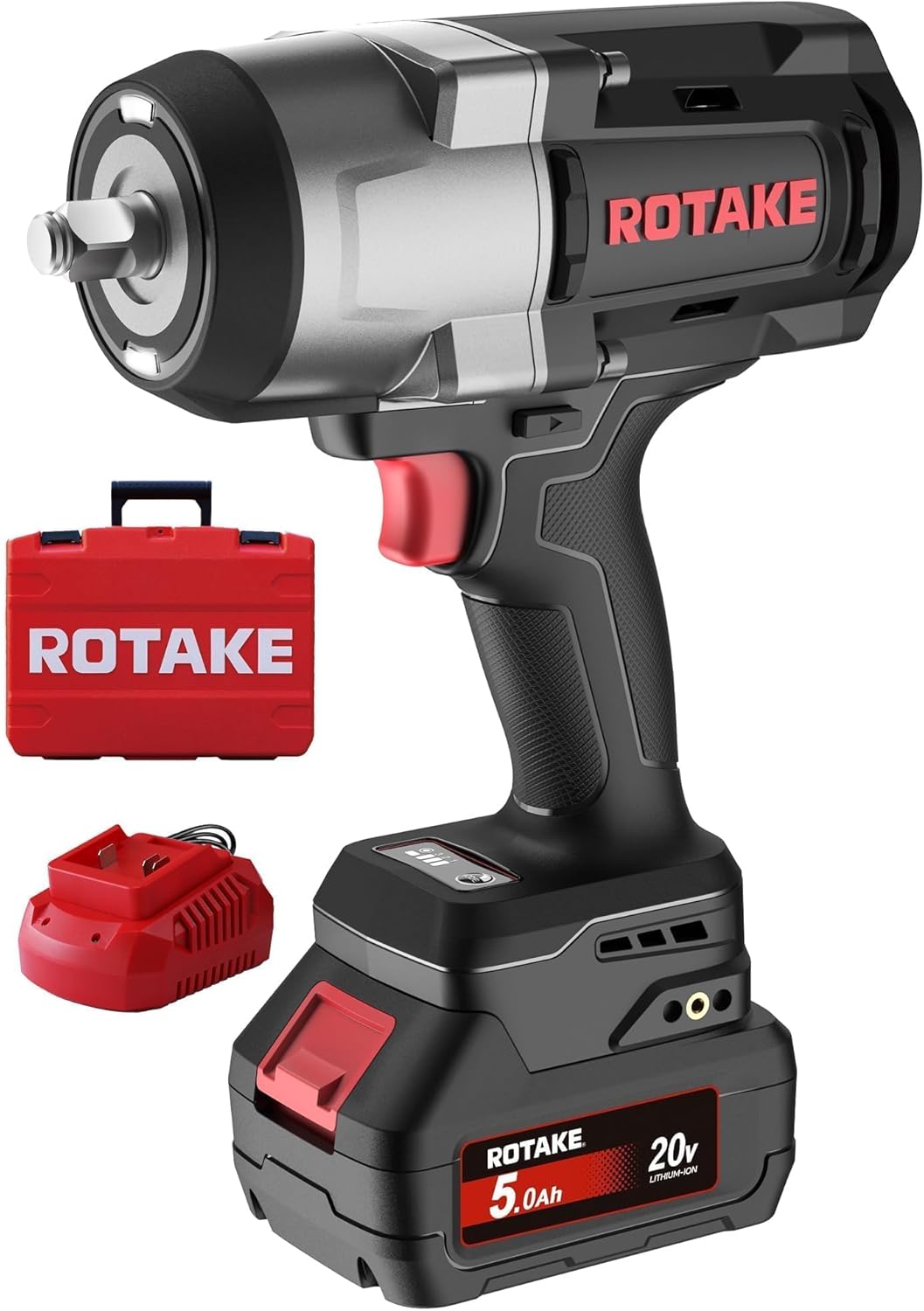
ROTAKE TB3 20V Heavy Duty 1/2" Cordless Impact Wrench Kit - 1380 Ft-Lbs Torque
$132 $219.99
36% OFF

Men's Athletic Running Shorts with Zipper Pockets - Lightweight & Quick Dry
$12.74 $19.99
61% OFF

Modern Ceiling Fan with Light and Remote - Reversible Quiet DC Motor
$69.3 $179.99
50% OFF

MOOKA H13 True HEPA Air Purifier for Home Large Room - 1076 sq ft Odor Eliminator
$39.97 $79.95
60% OFF

Ekouaer Women's Satin Silky Pajama Set - Short Sleeve Pullover Top & Wide-Leg Pants
$13.99 $34.99
55% OFF

Ekouaer 3-Piece Maternity & Nursing Pajamas Set - Short Sleeve Top with Shorts and Pants
$14.99 $32.99

Sealy 2-Pack Tritech 16" Twin Inflatable Air Mattress with Built-in AC Pump
$0 $113.99
20% OFF

INTEX Prism Frame 20ft x 52in Above Ground Pool Set - Round Steel Frame Swimming Pool
$695.99 $869.99

Gardner Pet 43" Heavy Duty Dog Crate with Wheels - Indestructible Folding Metal Cage (Black)
$0 $149.99
12% OFF

Elegant Mid-Century Modern Bar Stools - Set of 4
$395.99 $449.99
23% OFF

Ergonomic Office Chair - Big and Tall Desk Chair with Adjustable Lumbar Support
$279.99 $363.99
26% OFF

Magnelex American Flag Windshield Sun Shade - High-Resolution UV Reflective Heat Shield (X-Large)
$19.9 $26.9
20% OFF
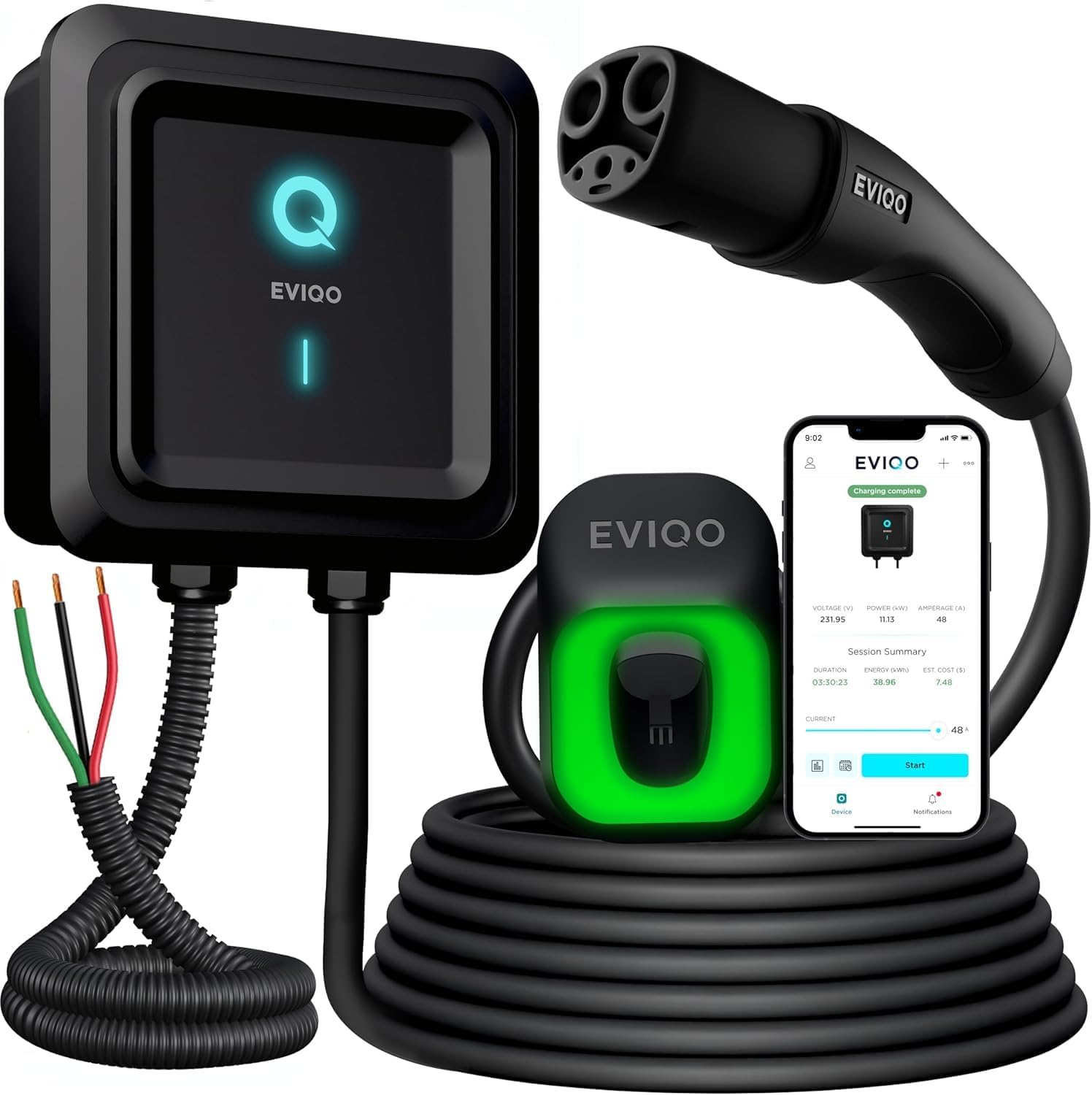
EVIQO 48 Amp NACS Level 2 EV Charger - Hardwired Smart WiFi Wall Charger for Tesla
$368.51 $458.55
50% OFF

DBFIT Air Purifier for Home Large Room
$29.99 $59.99



-
Historic Lancashire church secures £250,000 National Lottery grant for major roof repairs
-
Sunderland Minster PCC was right to push back over trans toilet sign
-

Secular group targets church over online preaching
-

Bethel Church distances itself from Todd Bentley and Mike Bickle
-

Christian police officer reaches settlement over diversity training discrimination claim
-

Christian loses case to remove LGBT symbols from workplace
Most Popular
News
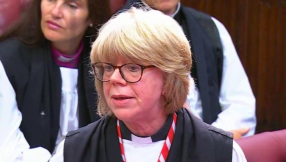
Archbishop of Canterbury highlights benefits and risks of AI
Archbishop Sarah Mullally joined the Pope in raising concerns about AI.

Church of England more than doubles conservation grants
The significant rise in funding was attributed partly to support from the National Lottery Heritage Fund.

Male silence has helped shape UK abortion culture
“Men and abortion is an area that is even more silenced than many of the other areas connected with women and abortion, which are silenced," says bioethicist Dr Anthony McCarthy.
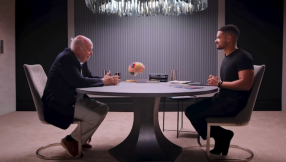
Diary of a CEO’s Steven Bartlett and John Lennox discuss AI, faith and the search for meaning
The Oxford professor shared fears of a “colossal power grab” as AI continues to evolve.
VitaUp Beet Root Gummies with CoQ10 & Grape Seed - Nitric Oxide Circulation Support (60 Count)
$24.91
HDPE All-Weather Adirondack Chair with Built-In Cup Holder - Tool-Free Assembly (Grey)
$69.99
HOMETUK Clear Plastic Storage Bins with Dividers - 3-Pack Stackable Acrylic Organizer Containers for Fridge and Pantry
$19.99
G Gradual Men's Fishing Shirt - UPF 50+ Lightweight Short Sleeve Button Down with Zipper Pockets
$14.99
Everyfun 60" Rectangular Platform Tree Swing - 700lbs Heavy Duty Adjustable Outdoor Swing (Colorful)
$49.99
Ekouaer Women's Casual Loose Jumpsuit - One-Piece Printed Sleeveless Wide Leg Romper with Pockets
$14.99
ROTAKE TB3 20V Heavy Duty 1/2" Cordless Impact Wrench Kit - 1380 Ft-Lbs Torque
$132
Men's Athletic Running Shorts with Zipper Pockets - Lightweight & Quick Dry
$12.74
Modern Ceiling Fan with Light and Remote - Reversible Quiet DC Motor
$69.3
MOOKA H13 True HEPA Air Purifier for Home Large Room - 1076 sq ft Odor Eliminator
$39.97
Ekouaer Women's Satin Silky Pajama Set - Short Sleeve Pullover Top & Wide-Leg Pants
$13.99
Ekouaer 3-Piece Maternity & Nursing Pajamas Set - Short Sleeve Top with Shorts and Pants
$14.99
Sealy 2-Pack Tritech 16" Twin Inflatable Air Mattress with Built-in AC Pump
$0
INTEX Prism Frame 20ft x 52in Above Ground Pool Set - Round Steel Frame Swimming Pool
$695.99
Gardner Pet 43" Heavy Duty Dog Crate with Wheels - Indestructible Folding Metal Cage (Black)
$0
Elegant Mid-Century Modern Bar Stools - Set of 4
$395.99
Ergonomic Office Chair - Big and Tall Desk Chair with Adjustable Lumbar Support
$279.99
Magnelex American Flag Windshield Sun Shade - High-Resolution UV Reflective Heat Shield (X-Large)
$19.9
EVIQO 48 Amp NACS Level 2 EV Charger - Hardwired Smart WiFi Wall Charger for Tesla
$368.51
DBFIT Air Purifier for Home Large Room
$29.99