
It's getting crowded in paradise.
About 600,000 tourists came last year to Boracay in the central Philippines, regarded as one of the world's best holiday destinations, and swam, ate and slept on an island that has only about 18,000 full-time residents.
Arrivals should rise to about 670,000 this year, and pressure is mounting on the island's infrastructure as more and more hotels and resorts are built to cater for the boom.
The single narrow road that runs the length of Boracay is jam-packed, drain pipes bring floodwater to the beach and hotel taps can suddenly run dry. About 10 tonnes of garbage need to be treated and disposed of each day.
"It's really taken off (in terms of) congestion, overgrowth," said David Light, a retired American actor who has been visiting Boracay for its windsurfing since 1991.
"It was a pristine natural environment and I hated to see it change, but it did."
Three decades ago, Boracay was the legendary secret destination for a generation of backpackers, pretty much deserted, with stunning beaches, a few huts and only basic facilities.
Now, over 150 hotels and restaurants are crowded along the 5-km White Beach, renowned for its soft, powdery sand and the clear blue water that it gently descends into. Other parts of the island are less crowded but may be getting there.
The government, concerned that the crown jewel of its tourism brochures is getting shopworn, is trying to step in but with limited success.
Environment Secretary Lito Atienza announced a ban on construction on Boracay in August, but it was not implemented until January, and then only for new projects. The moratorium will stay in place at least until July. A master plan for developing the island will be in place by then.
FRAGILE
"I feel that the island is very fragile," said Loubelle Cann, president of the Boracay Foundation, a local business association.
"I don't really know how much the island can carry in terms of physical capacity so we are pushing that we should at least study these things because you cannot just build and build and build."
Despite the moratorium, about 100 unfinished shops, hotels and restaurants have been allowed to be completed and the noise of jackhammers, excavators and power saws can be heard across the island.
These include a huge 183-room deluxe resort being built by Shangri-La north of White Beach. The hotel will cost $100 million (51.4 million pounds) and will offer rooms starting at $500 (257 pounds) per night. It is expected to open by November this year.
Nearby, a hillside is being excavated to build the Alta Vista resort while the Shangri-La's staff quarters are being constructed across the street.
But still, there's no let up on the boatloads of tourists who cross from the main Panay island through the day.
White Beach, despite the crowds, is clean, and all buildings are a maximum two storeys high, lower than the coconut palms that fringe the sands. Unlike beaches elsewhere in the world, it remains safe at night and there are no overt signs of sleaze or drugs.
"It's nice," said Roger Mestric, a Frenchman from Nantes who was on the island with his wife after visits to China and Cambodia.
"It's not particularly crowded. From an ecologist's point of view, Martinique (in the Caribbean) is better, but you can live here easily."
The government and the resort-owners, residents say, have to find the balance between controlling expansion, providing infrastructure, offering facilities and retaining some mystique.
It's not the big resorts like the Shangri-La or the Alta Vista that are the problem, they say, it's the smaller buildings which sometimes block natural waterways or do not have proper sewage or waste disposal.
And there is never an easy answer for those who hanker for the good old days.
"Some people moan that it was much better 20 years ago," said Victor Ocskai, a German who owns a resort on the beach. "And then they want cold beer, running hot water and air-conditioning.
"Twenty years ago, it was quiet, but there was no cold beer."
11% OFF

VitaUp Beet Root Gummies with CoQ10 & Grape Seed - Nitric Oxide Circulation Support (60 Count)
$24.91 $27.91
50% OFF

HDPE All-Weather Adirondack Chair with Built-In Cup Holder - Tool-Free Assembly (Grey)
$69.99 $139.99
60% OFF

HOMETUK Clear Plastic Storage Bins with Dividers - 3-Pack Stackable Acrylic Organizer Containers for Fridge and Pantry
$19.99 $49.99
58% OFF

G Gradual Men's Fishing Shirt - UPF 50+ Lightweight Short Sleeve Button Down with Zipper Pockets
$14.99 $35.99
55% OFF

Everyfun 60" Rectangular Platform Tree Swing - 700lbs Heavy Duty Adjustable Outdoor Swing (Colorful)
$49.99 $110.99
61% OFF

Ekouaer Women's Casual Loose Jumpsuit - One-Piece Printed Sleeveless Wide Leg Romper with Pockets
$14.99 $37.99
40% OFF
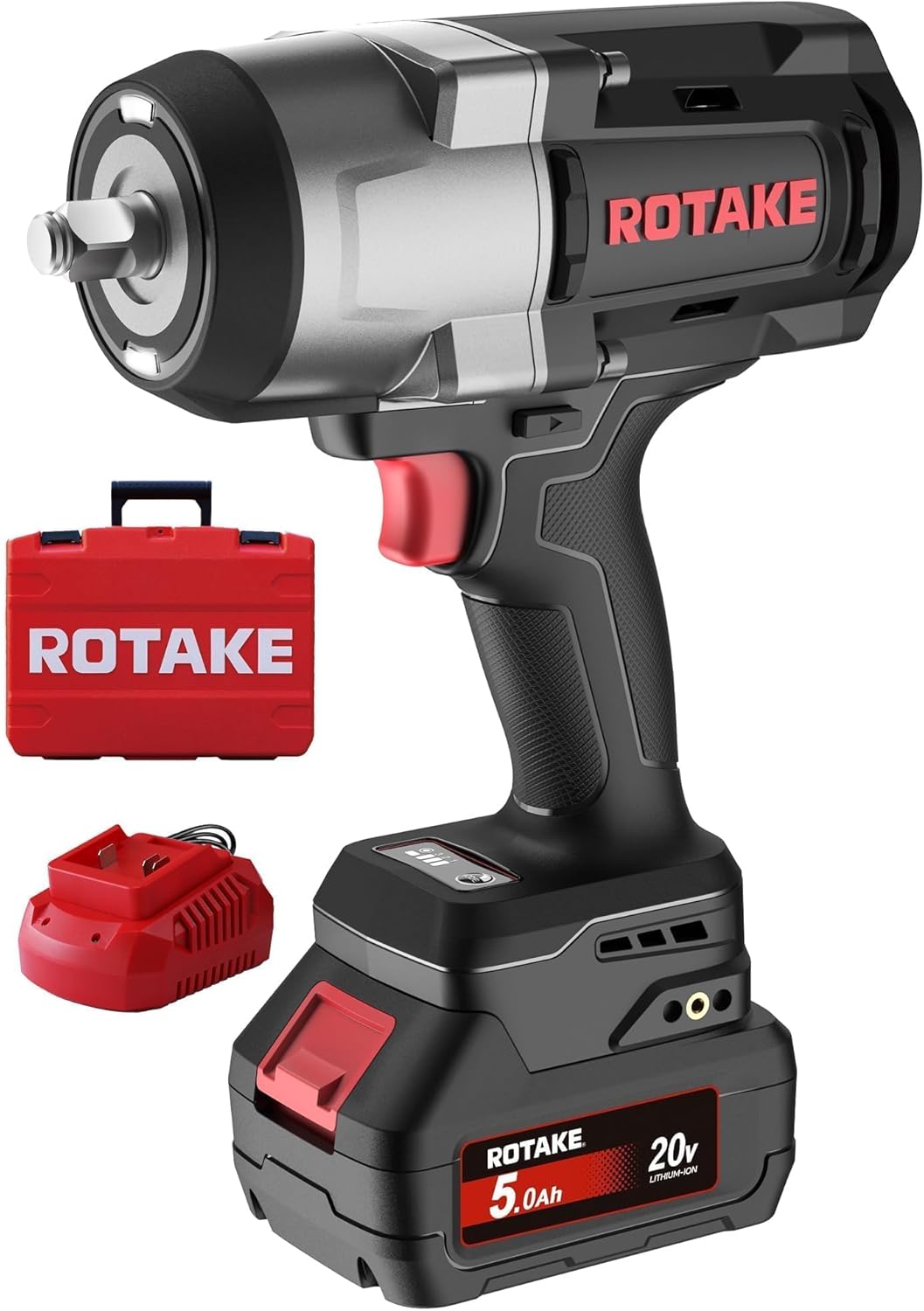
ROTAKE TB3 20V Heavy Duty 1/2" Cordless Impact Wrench Kit - 1380 Ft-Lbs Torque
$132 $219.99
36% OFF

Men's Athletic Running Shorts with Zipper Pockets - Lightweight & Quick Dry
$12.74 $19.99
61% OFF

Modern Ceiling Fan with Light and Remote - Reversible Quiet DC Motor
$69.3 $179.99
50% OFF

MOOKA H13 True HEPA Air Purifier for Home Large Room - 1076 sq ft Odor Eliminator
$39.97 $79.95
60% OFF

Ekouaer Women's Satin Silky Pajama Set - Short Sleeve Pullover Top & Wide-Leg Pants
$13.99 $34.99
55% OFF

Ekouaer 3-Piece Maternity & Nursing Pajamas Set - Short Sleeve Top with Shorts and Pants
$14.99 $32.99

Sealy 2-Pack Tritech 16" Twin Inflatable Air Mattress with Built-in AC Pump
$0 $113.99
20% OFF

INTEX Prism Frame 20ft x 52in Above Ground Pool Set - Round Steel Frame Swimming Pool
$695.99 $869.99

Gardner Pet 43" Heavy Duty Dog Crate with Wheels - Indestructible Folding Metal Cage (Black)
$0 $149.99
12% OFF

Elegant Mid-Century Modern Bar Stools - Set of 4
$395.99 $449.99
23% OFF

Ergonomic Office Chair - Big and Tall Desk Chair with Adjustable Lumbar Support
$279.99 $363.99
26% OFF

Magnelex American Flag Windshield Sun Shade - High-Resolution UV Reflective Heat Shield (X-Large)
$19.9 $26.9
20% OFF
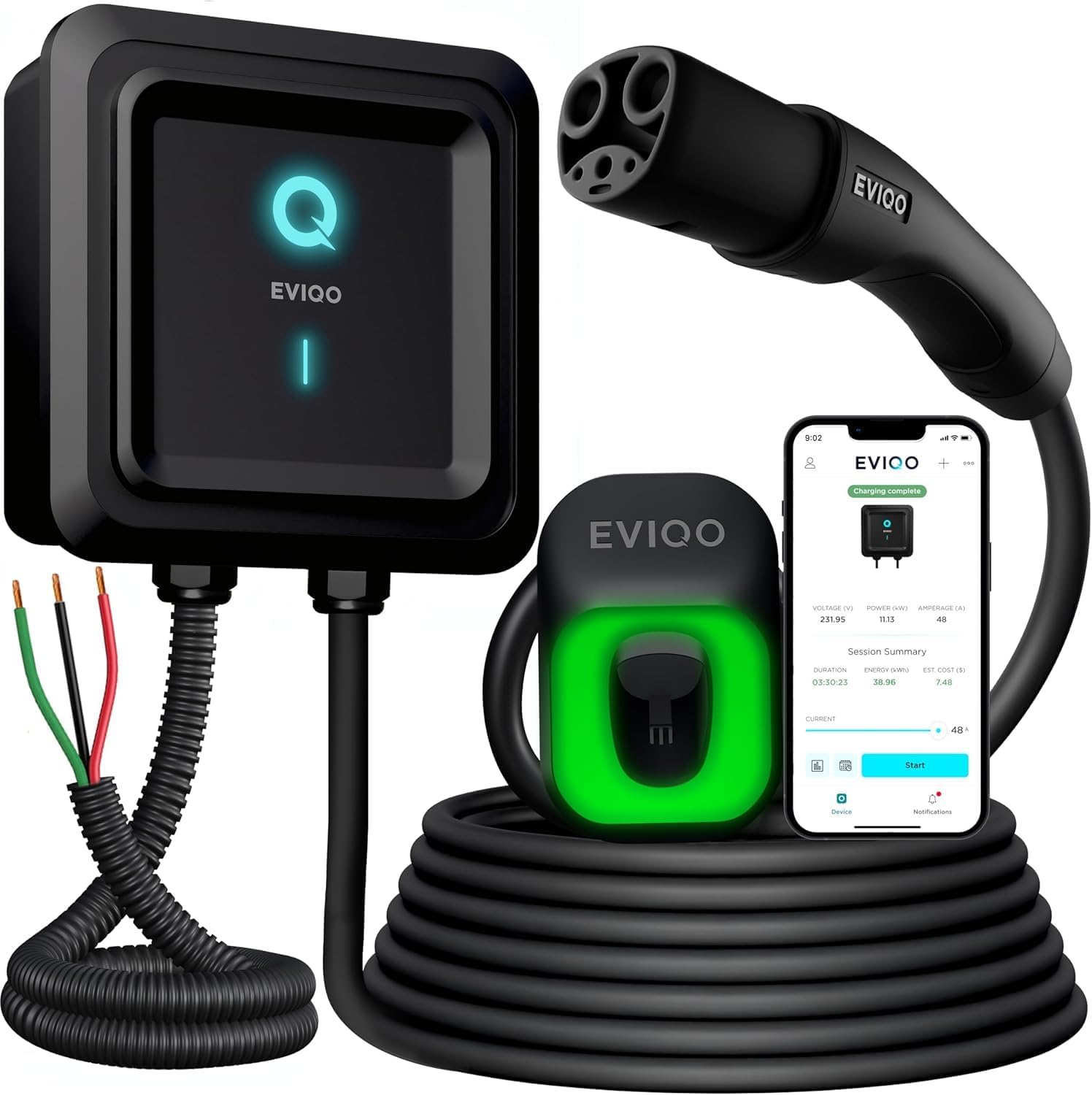
EVIQO 48 Amp NACS Level 2 EV Charger - Hardwired Smart WiFi Wall Charger for Tesla
$368.51 $458.55
50% OFF

DBFIT Air Purifier for Home Large Room
$29.99 $59.99




-

Historic Lancashire church secures £250,000 National Lottery grant for major roof repairs
-

Sunderland Minster PCC was right to push back over trans toilet sign
-

Secular group targets church over online preaching
-

Bethel Church distances itself from Todd Bentley and Mike Bickle
-

Christian police officer reaches settlement over diversity training discrimination claim
-

Christian loses case to remove LGBT symbols from workplace
Most Popular
News

Parents play decisive role in passing faith to the next generation, study finds
Parents who actively practise and discuss their faith at home are significantly more likely to see their children remain committed Christians into adulthood, according to a major new study.

Archbishop of Canterbury highlights benefits and risks of AI
Archbishop Sarah Mullally joined the Pope in raising concerns about AI.

Church of England more than doubles conservation grants
The significant rise in funding was attributed partly to support from the National Lottery Heritage Fund.

Male silence has helped shape UK abortion culture
“Men and abortion is an area that is even more silenced than many of the other areas connected with women and abortion, which are silenced," says bioethicist Dr Anthony McCarthy.
VitaUp Beet Root Gummies with CoQ10 & Grape Seed - Nitric Oxide Circulation Support (60 Count)
$24.91
HDPE All-Weather Adirondack Chair with Built-In Cup Holder - Tool-Free Assembly (Grey)
$69.99
HOMETUK Clear Plastic Storage Bins with Dividers - 3-Pack Stackable Acrylic Organizer Containers for Fridge and Pantry
$19.99
G Gradual Men's Fishing Shirt - UPF 50+ Lightweight Short Sleeve Button Down with Zipper Pockets
$14.99
Everyfun 60" Rectangular Platform Tree Swing - 700lbs Heavy Duty Adjustable Outdoor Swing (Colorful)
$49.99
Ekouaer Women's Casual Loose Jumpsuit - One-Piece Printed Sleeveless Wide Leg Romper with Pockets
$14.99
ROTAKE TB3 20V Heavy Duty 1/2" Cordless Impact Wrench Kit - 1380 Ft-Lbs Torque
$132
Men's Athletic Running Shorts with Zipper Pockets - Lightweight & Quick Dry
$12.74
Modern Ceiling Fan with Light and Remote - Reversible Quiet DC Motor
$69.3
MOOKA H13 True HEPA Air Purifier for Home Large Room - 1076 sq ft Odor Eliminator
$39.97
Ekouaer Women's Satin Silky Pajama Set - Short Sleeve Pullover Top & Wide-Leg Pants
$13.99
Ekouaer 3-Piece Maternity & Nursing Pajamas Set - Short Sleeve Top with Shorts and Pants
$14.99
Sealy 2-Pack Tritech 16" Twin Inflatable Air Mattress with Built-in AC Pump
$0
INTEX Prism Frame 20ft x 52in Above Ground Pool Set - Round Steel Frame Swimming Pool
$695.99
Gardner Pet 43" Heavy Duty Dog Crate with Wheels - Indestructible Folding Metal Cage (Black)
$0
Elegant Mid-Century Modern Bar Stools - Set of 4
$395.99
Ergonomic Office Chair - Big and Tall Desk Chair with Adjustable Lumbar Support
$279.99
Magnelex American Flag Windshield Sun Shade - High-Resolution UV Reflective Heat Shield (X-Large)
$19.9
EVIQO 48 Amp NACS Level 2 EV Charger - Hardwired Smart WiFi Wall Charger for Tesla
$368.51
DBFIT Air Purifier for Home Large Room
$29.99