
Defence Secretary Robert Gates on Wednesday reopened a bitter $35 billion (17.7 billion pounds) aerial tanker contest after the selection process that picked Northrop Grumman Corp and EADS over Boeing Co was found to be flawed.
The contest will now be overseen by John Young, the Pentagon's chief weapons buyer, not the Air Force, and Gates hoped a decision could be reached by December since the current process had already 'gone on far too long.'
'The GAO sustained eight of the slightly more than 100 issues protested with this contract. We will address all of these in the new solicitation, and we will request revised proposals from industry,' Gates told reporters.
The Air Force contract award in February for 179 new aerial refuelling tankers prompted an immediate protest by Boeing and vows of congressional intervention by its backers in Congress.
Last month, the Government Accountability Office said it found 'significant errors' in the Air Force selection process, and urged the service to redo the competition.
The Air Force had been given until mid-August to announce its plans, but Gates rushed to reopen the competition given the advanced age of the current KC-135 tanker fleet, which is used to refuel warplanes in mid-air.
Boeing had been expected to win in February with its tanker based on the 767 airliner but the Air Force opted for the larger Northrop entry based on the A330 airliner that is built by EADS's Airbus unit, the European archrival to Boeing.
Young said he hoped to issue a new draft request for proposals in late July or early August that would address the issues raised by the GAO and give bidders time to submit fresh bids, possibly with even lower cost estimates.
He said the goal was to award a new contract by December, but he would not allow a hurried reexamination of the bids. 'We will not expedite steps in the process. We have to do this methodically, fairly and without bias in any way,' he said.
ONLY ONE WINNER
Young is a strong proponent of building prototypes before picking winners in defence acquisitions, but in this case, he said the Pentagon would still pick a single winning bidder.
Having both companies build tankers for the U.S. military would result in higher development, testing, training and maintenance costs, Young said, noting that competition between the two teams had already helped drive down prices.
'We do not have the resources' to develop and maintain two separate tanker fleets," Young, the undersecretary of defence for acquisition, told reporters.
Young said federal procurement law barred any evaluation of the rival bids' potential impact on preserving the U.S. defence-industrial base, an issue of concern to Boeing backers. Nor were there plans to consider a U.S.-European aircraft subsidy dispute now before the World Trade Organization.
In addition to putting Young in charge, the Pentagon will also appoint a new source selection advisory committee to do the detailed analysis of the competing bids.
Northrop applauded the Pentagon's quick action on the tanker program, and said it was reviewing Wednesday's decision 'to ensure the re-competition will provide both companies a fair opportunity to present the strengths of their proposals.'
EADS welcomed the decision to reopen the contest without starting the entire process over again.
Boeing said it was concerned the new draft request for proposals could include changes that significantly altered the selection criteria from those initially set out. Boeing has argued its proposal was the only one that fully met the mandatory criteria of the original request for proposals.
'We look forward to working with the new acquisition team as it reopens the competition, but we will also take time to understand the updated solicitation to determine the right path forward for the company,' said Boeing spokesman Dan Beck.
BOEING CONCERNS
Alex Glass, spokeswoman for Washington Democrat Sen. Patty Murray, said Pentagon officials had said they planned to weigh life cycle costs across 25 years instead of 40 years and would give Northrop credit for exceeding the threshold requirement for the size of the airplane. 'Both of these things bias it toward the Airbus plane,' she said.
Young did not speak directly to those issues, but he said both firms would have a chance to modify their proposals, including even offering a different aircraft. Boeing backers have said the company would have bid its 777 airliner if it had known the Air Force wanted a bigger tanker.
Young said both the A330 and 767 were labelled 'medium-class tankers,' but their size was 'less of an issue' than how they met the military's requirements, including fuel carrying, survivability, maintainability, and handling on the ground.
He said the Pentagon would be clearer this time about how it would prioritize its 808 tanker requirements.
The 15-year contract is the first of three acquisition phases. The Air Force has said replacing its KC-135 tankers, built by Boeing but now averaging over 47 years of age, as its number-one purchase priority.
The GAO, a nonpartisan congressional watchdog, said in upholding Boeing's protest last month that the company would have had a 'substantial chance' of being selected if not for flaws in the evaluation process.
Amid a broadly lower stock market, Boeing shares traded slightly higher Wednesday before closing 0.5 percent lower at $65.59 on the New York Stock Exchange. Northrop shares closed 1.4 percent lower at $65.27, also on the NYSE.
11% OFF

VitaUp Beet Root Gummies with CoQ10 & Grape Seed - Nitric Oxide Circulation Support (60 Count)
$24.91 $27.91
50% OFF

HDPE All-Weather Adirondack Chair with Built-In Cup Holder - Tool-Free Assembly (Grey)
$69.99 $139.99
60% OFF

HOMETUK Clear Plastic Storage Bins with Dividers - 3-Pack Stackable Acrylic Organizer Containers for Fridge and Pantry
$19.99 $49.99
58% OFF

G Gradual Men's Fishing Shirt - UPF 50+ Lightweight Short Sleeve Button Down with Zipper Pockets
$14.99 $35.99
55% OFF

Everyfun 60" Rectangular Platform Tree Swing - 700lbs Heavy Duty Adjustable Outdoor Swing (Colorful)
$49.99 $110.99
61% OFF

Ekouaer Women's Casual Loose Jumpsuit - One-Piece Printed Sleeveless Wide Leg Romper with Pockets
$14.99 $37.99
40% OFF
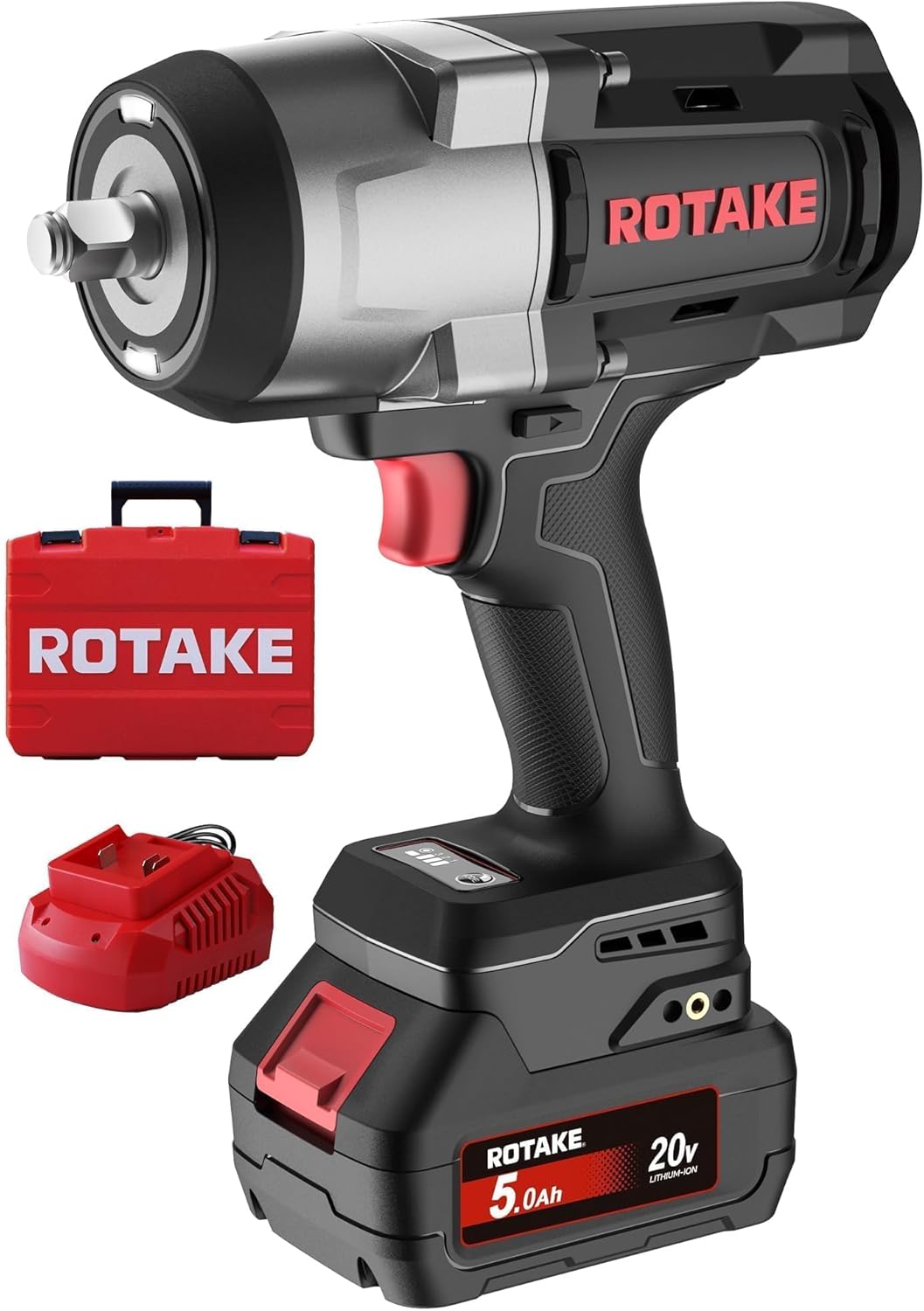
ROTAKE TB3 20V Heavy Duty 1/2" Cordless Impact Wrench Kit - 1380 Ft-Lbs Torque
$132 $219.99
36% OFF

Men's Athletic Running Shorts with Zipper Pockets - Lightweight & Quick Dry
$12.74 $19.99
61% OFF

Modern Ceiling Fan with Light and Remote - Reversible Quiet DC Motor
$69.3 $179.99
50% OFF

MOOKA H13 True HEPA Air Purifier for Home Large Room - 1076 sq ft Odor Eliminator
$39.97 $79.95
60% OFF

Ekouaer Women's Satin Silky Pajama Set - Short Sleeve Pullover Top & Wide-Leg Pants
$13.99 $34.99
55% OFF

Ekouaer 3-Piece Maternity & Nursing Pajamas Set - Short Sleeve Top with Shorts and Pants
$14.99 $32.99
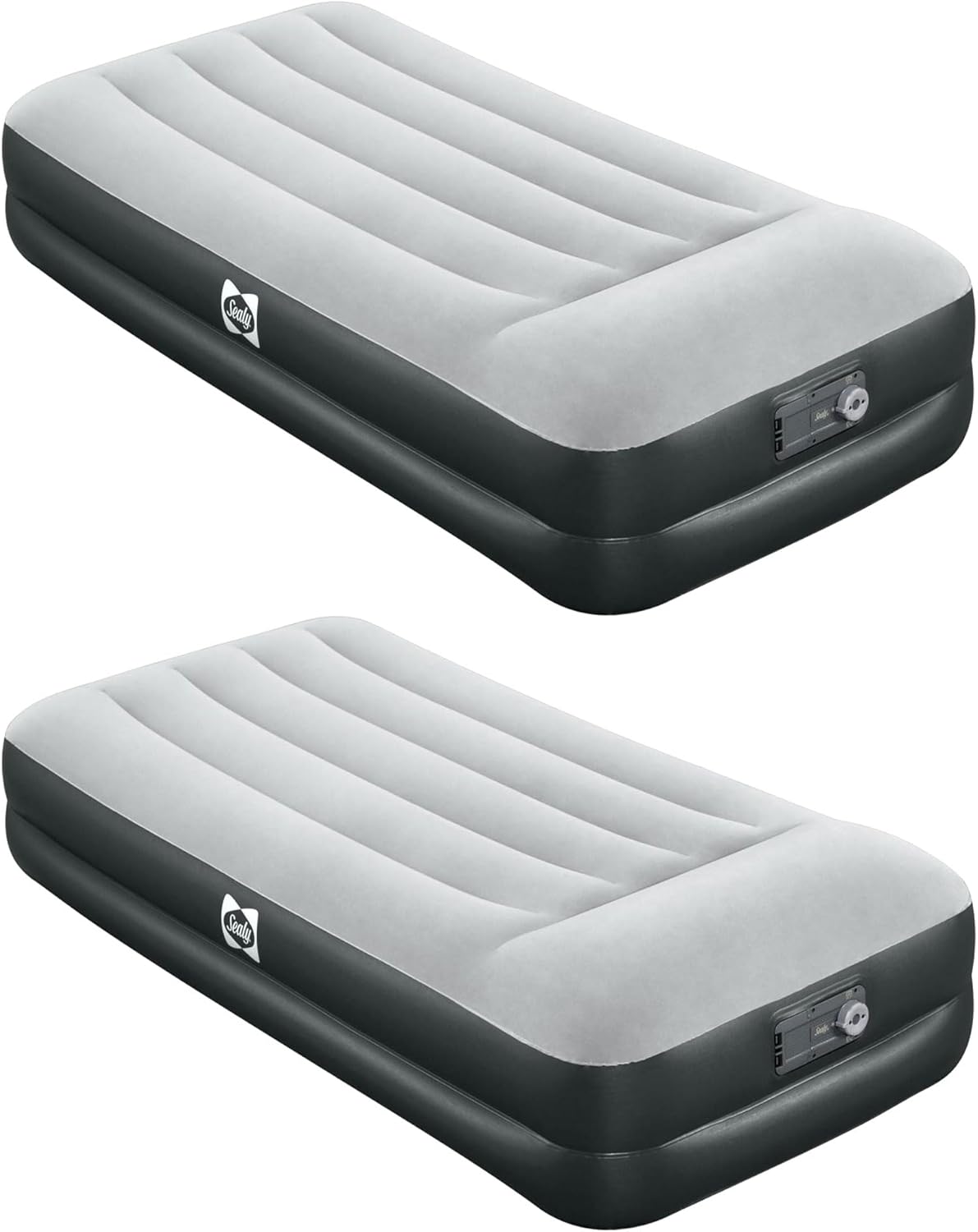
Sealy 2-Pack Tritech 16" Twin Inflatable Air Mattress with Built-in AC Pump
$0 $113.99
20% OFF
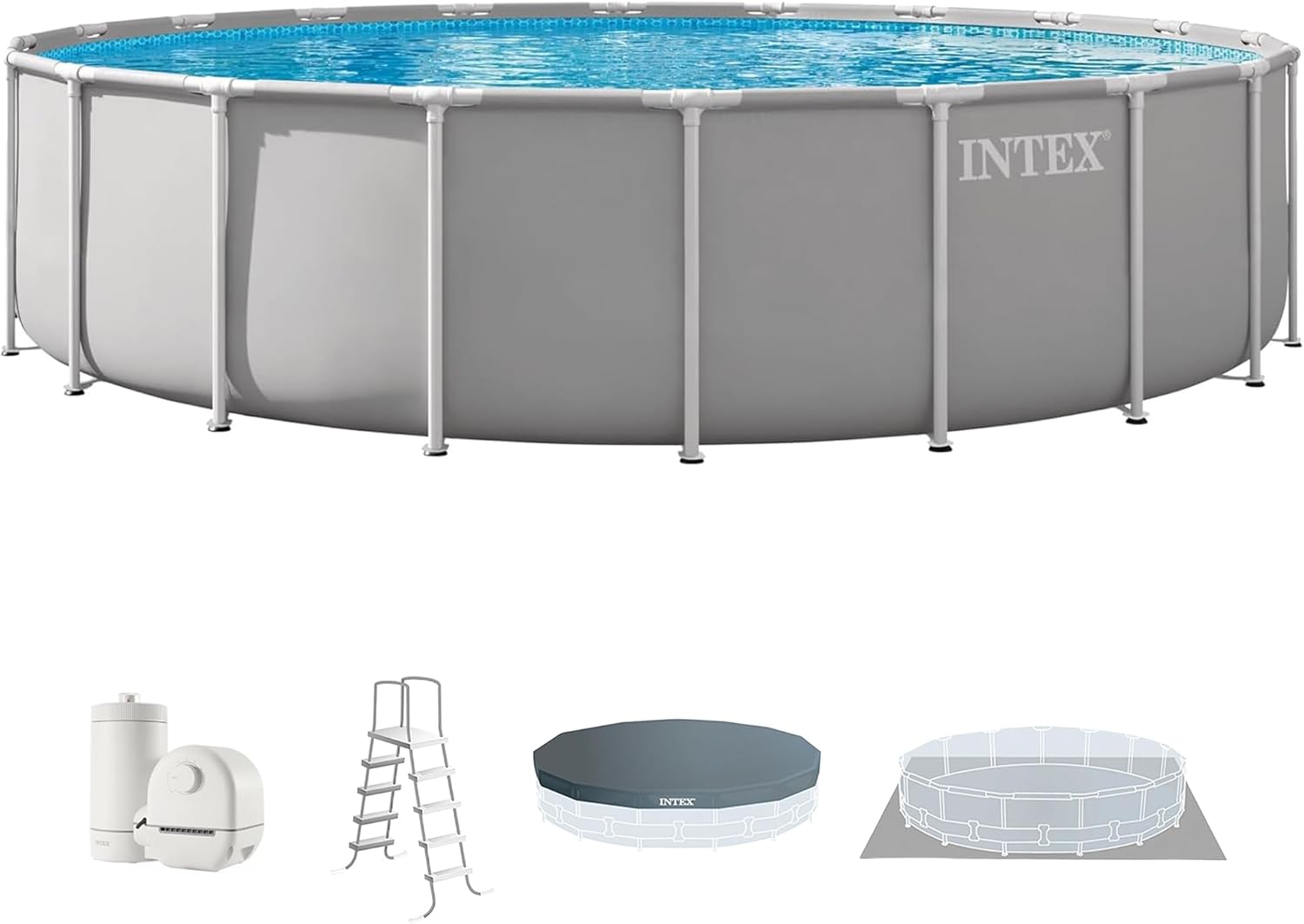
INTEX Prism Frame 20ft x 52in Above Ground Pool Set - Round Steel Frame Swimming Pool
$695.99 $869.99

Gardner Pet 43" Heavy Duty Dog Crate with Wheels - Indestructible Folding Metal Cage (Black)
$0 $149.99
12% OFF

Elegant Mid-Century Modern Bar Stools - Set of 4
$395.99 $449.99
23% OFF

Ergonomic Office Chair - Big and Tall Desk Chair with Adjustable Lumbar Support
$279.99 $363.99
26% OFF

Magnelex American Flag Windshield Sun Shade - High-Resolution UV Reflective Heat Shield (X-Large)
$19.9 $26.9
20% OFF

EVIQO 48 Amp NACS Level 2 EV Charger - Hardwired Smart WiFi Wall Charger for Tesla
$368.51 $458.55
50% OFF

DBFIT Air Purifier for Home Large Room
$29.99 $59.99




-

Historic Lancashire church secures £250,000 National Lottery grant for major roof repairs
-

Sunderland Minster PCC was right to push back over trans toilet sign
-

Bethel Church distances itself from Todd Bentley and Mike Bickle
-

Christian police officer reaches settlement over diversity training discrimination claim
-

Turkey's hidden Christian past: Extraordinary discoveries are rewriting the story of early Christianity
-

Washington Archdiocese parts ways with exorcist priest over UFO remarks
Most Popular
News

A Christian response to the crisis facing young people
The Church has a wonderful message of hope to share with young people increasingly feeling a sense of nihilism and hopelessness at the state of the world, writes Tim Farron.

Tributes paid to Operation Mobilisation co-founder Dale Rhoton
Tributes have been paid to Dale Rhoton, one of the co-founders of international mission organisation Operation Mobilisation (OM), after his death at the age of 88.

Doctors should work for good of the patient, not facilitate suicide, says Christian Medical Fellowship
Suicide is always a tragedy that should be resisted, the CMF suggested.

Parents play decisive role in passing faith to the next generation, study finds
Parents who actively practise and discuss their faith at home are significantly more likely to see their children remain committed Christians into adulthood, according to a major new study.
VitaUp Beet Root Gummies with CoQ10 & Grape Seed - Nitric Oxide Circulation Support (60 Count)
$24.91
HDPE All-Weather Adirondack Chair with Built-In Cup Holder - Tool-Free Assembly (Grey)
$69.99
HOMETUK Clear Plastic Storage Bins with Dividers - 3-Pack Stackable Acrylic Organizer Containers for Fridge and Pantry
$19.99
G Gradual Men's Fishing Shirt - UPF 50+ Lightweight Short Sleeve Button Down with Zipper Pockets
$14.99
Everyfun 60" Rectangular Platform Tree Swing - 700lbs Heavy Duty Adjustable Outdoor Swing (Colorful)
$49.99
Ekouaer Women's Casual Loose Jumpsuit - One-Piece Printed Sleeveless Wide Leg Romper with Pockets
$14.99
ROTAKE TB3 20V Heavy Duty 1/2" Cordless Impact Wrench Kit - 1380 Ft-Lbs Torque
$132
Men's Athletic Running Shorts with Zipper Pockets - Lightweight & Quick Dry
$12.74
Modern Ceiling Fan with Light and Remote - Reversible Quiet DC Motor
$69.3
MOOKA H13 True HEPA Air Purifier for Home Large Room - 1076 sq ft Odor Eliminator
$39.97
Ekouaer Women's Satin Silky Pajama Set - Short Sleeve Pullover Top & Wide-Leg Pants
$13.99
Ekouaer 3-Piece Maternity & Nursing Pajamas Set - Short Sleeve Top with Shorts and Pants
$14.99
Sealy 2-Pack Tritech 16" Twin Inflatable Air Mattress with Built-in AC Pump
$0
INTEX Prism Frame 20ft x 52in Above Ground Pool Set - Round Steel Frame Swimming Pool
$695.99
Gardner Pet 43" Heavy Duty Dog Crate with Wheels - Indestructible Folding Metal Cage (Black)
$0
Elegant Mid-Century Modern Bar Stools - Set of 4
$395.99
Ergonomic Office Chair - Big and Tall Desk Chair with Adjustable Lumbar Support
$279.99
Magnelex American Flag Windshield Sun Shade - High-Resolution UV Reflective Heat Shield (X-Large)
$19.9
EVIQO 48 Amp NACS Level 2 EV Charger - Hardwired Smart WiFi Wall Charger for Tesla
$368.51
DBFIT Air Purifier for Home Large Room
$29.99