
On March 6, 2007, four million viewers watched the Discovery Channel deliver the television documentary "The Jesus Family Tomb" while the companion book rocketed to sixth place on the New York Times non-fiction best-seller list. The broadcast along with the book tries to prove that located in a suburb called East Talpiot is the family plot of the religious figure Jesus Christ. Managed by an Emmy award-winning documentary filmmaker Simcha Jacobovici, and produced by "Titanic" director James Cameron, the movie is an entertaining and engaging narrative about the 1980 discovery of a first-century Jewish burial cave and 10 ossuaries (bone box coffins).
|PIC1|With the help of reputable archeologists, historians, DNA experts, robot-camera technicians, epigraphers and a CSI expert from New York's Long Island, Jacobovici assembles a case in which he says proves that the bones of these famous biblical figures were once entombed in this cave. James Charlesworth of the Princeton Theological Seminary consulted with Jacobovici and expressed: "A very good claim could be made that this was Jesus' clan." Not afraid of being unpopular, Jacobovici with Cameron's help secured Discovery Channel's backing and a $3.5 million budget. If it can proven, the discovery would discredit the message of Christendom and require a radically revised theology.
Joe Zias, who was the curator for anthropology and archeology at the Rockefeller Museum in Jerusalem from 1972 to 1997, who numbered the Talpiot ossuaries, said "Simcha has no credibility whatsoever." "He's pimping off the Bible ... He got this guy Cameron, who made 'Titanic' or something like that - what does this guy know about archeology? I am an archeologist, but if I were to write a book about brain surgery, you would say, 'Who is this guy?' People want signs and wonders. Projects like these make a mockery of the archeological profession." Cameron's reply: "I don't profess to be an archeologist or a biblical scholar. I'm a film producer. I found it compelling. I think we're on firm ground to say that much."
The story starts in 1980 as a construction crew unearthed an ancient tomb in Jerusalem's Talpiyot neighborhood. During the construction boom in the 80's, hundreds of tombs were uncovered and among them, thousands of ossuaries. Upon discovery, the workers immediately stopped and summoned the Israel Antiquities Authority, the government agency that controls and protects Israel's archeological treasures and runs the Rockefeller Museum. A small team of IAA archeologists arrived to catalog the site and the boxes were quickly removed and placed on shelves in a IAA warehouse, where they sat undisturbed (except for a BBC documentary in 1996) for more than 20 years.
Six of the ten coffins that Jacobovici found so powerful, had inscribed: Jesus, son of Joseph; Maria; Mariamene; Matthew; Judah son of Jesua (Jesus' son - the filmmakers claim); and Jose, a diminutive of Joseph. Although the cave was discovered nearly 30 years ago and the casket inscriptions decoded ten years ago, the filmmakers are the first to establish that the cave was in fact the burial site of Jesus and his family. The official report written by the archeologist Amos Kloner found nothing remarkable in the discovery. The cave, it said, was probably in use by three or four generations of Jews from the beginning of the Common Era. The names on the boxes were popular in the first century (25 percent of women in Jerusalem, for example, were called Miriam or a derivative). "The use of the names of the members of the biblical family," Prof Amos Kloner who oversaw the archeological work at the Talpiot tomb said, "Is just a coincidence."
Kloner was asked about his opinion on the claims made by the documentary; he said, "It makes a great story for a TV film" the professor reportedly told The Jerusalem Post, "but it's completely impossible. It's nonsense. There is no likelihood that Jesus and his relatives had a family tomb. They were a poor Galilee family with no ties in Jerusalem. The Talpiot tomb belonged to a middle class family from the 1st century CE." He went on to say "The name "Jesus son of Joseph" has been found on three or four ossuaries. These are common names... Give me scientific evidence, and I'll grapple with it. But this is manufactured."
Jacobovici strongly disagrees. An observant Jew with an interest in biblical history, Jacobovici became obsessed with ossuaries in 2002, when he was working on another Discovery programme about another bone box. This one had inscribed, "James, son of Joseph, brother of Jesus". The James box came to light via an antiquities dealer named Oded Golan. Despite its uncertain authenticity, Jacobovici and a number of other scholars claim the James box to be real, the first genuine artifact linking to Jesus of Nazareth. The IAA stepped in, declared the James inscription to be fake and Golan to be a forger. Golan's forgery trial in Israel is ongoing; he still denies the charges.
The film and book suggest that New Testament's Mary Magdalene was buried in the tomb, that she and Jesus were married, and that an ossuary labelled "Judah son of Jesus" belonged to their son. Stephen Pfann, a textual scholar and paleographer at the University of the Holy Land in Jerusalem, said he has released a paper claiming the documentary was mistaken or fudging at best. The inscription, Pfann said, is made up of two names inscribed by two different hands: the first, "Mariame", was inscribed in a formal Greek script, and later, when the bones of another woman were added to the box, another scribe using a different cursive script added the words "kai Mara," meaning "and Mara". Mara is a different form of the name Martha. According to Pfann's reading, the ossuary housed the bones of two women, "Mary and Martha."
Basic deductive reasoning, and the Bible, which is still the best historical record of the life of Jesus of Nazareth, testifies against Jacobovici's claims. The four Gospel writers separately wrote that Jesus was crucified on the eve of the Sabbath and the tomb was empty when the disciples woke on Sunday morning. "The New Testament is very clear on this," says Alan Segal, religion professor at Barnard College. "Jesus was put in a tomb that didn't belong to him and then he rose and there was nothing left." In 93 CE, the Jewish historian Josephus published his work "Antiquities of the Jews" and in a passage called Testimonium Flavianum which states in section 3.3 that Jesus appeared to the disciples alive again the third day. Constantine wrote in 328 that the temporary resting place of Jesus Christ from which he rose lay on the rock at the Church of the Holy Sepulchre in Jerusalem. It is not difficult to conclude that Jacobovici is sensationalising an archeological find for the sake of notoriety and financial gain.
Pastor S. E. Ray
-----------------------------------------------------------------------------------------
Mr. Ray may be emailed at truth@eternalpath.com or visit the ministry website at www.eternalpath.com to read the unedited version of this column.
11% OFF

VitaUp Beet Root Gummies with CoQ10 & Grape Seed - Nitric Oxide Circulation Support (60 Count)
$24.91 $27.91
50% OFF

HDPE All-Weather Adirondack Chair with Built-In Cup Holder - Tool-Free Assembly (Grey)
$69.99 $139.99
60% OFF

HOMETUK Clear Plastic Storage Bins with Dividers - 3-Pack Stackable Acrylic Organizer Containers for Fridge and Pantry
$19.99 $49.99
58% OFF

G Gradual Men's Fishing Shirt - UPF 50+ Lightweight Short Sleeve Button Down with Zipper Pockets
$14.99 $35.99
55% OFF

Everyfun 60" Rectangular Platform Tree Swing - 700lbs Heavy Duty Adjustable Outdoor Swing (Colorful)
$49.99 $110.99
61% OFF

Ekouaer Women's Casual Loose Jumpsuit - One-Piece Printed Sleeveless Wide Leg Romper with Pockets
$14.99 $37.99
40% OFF
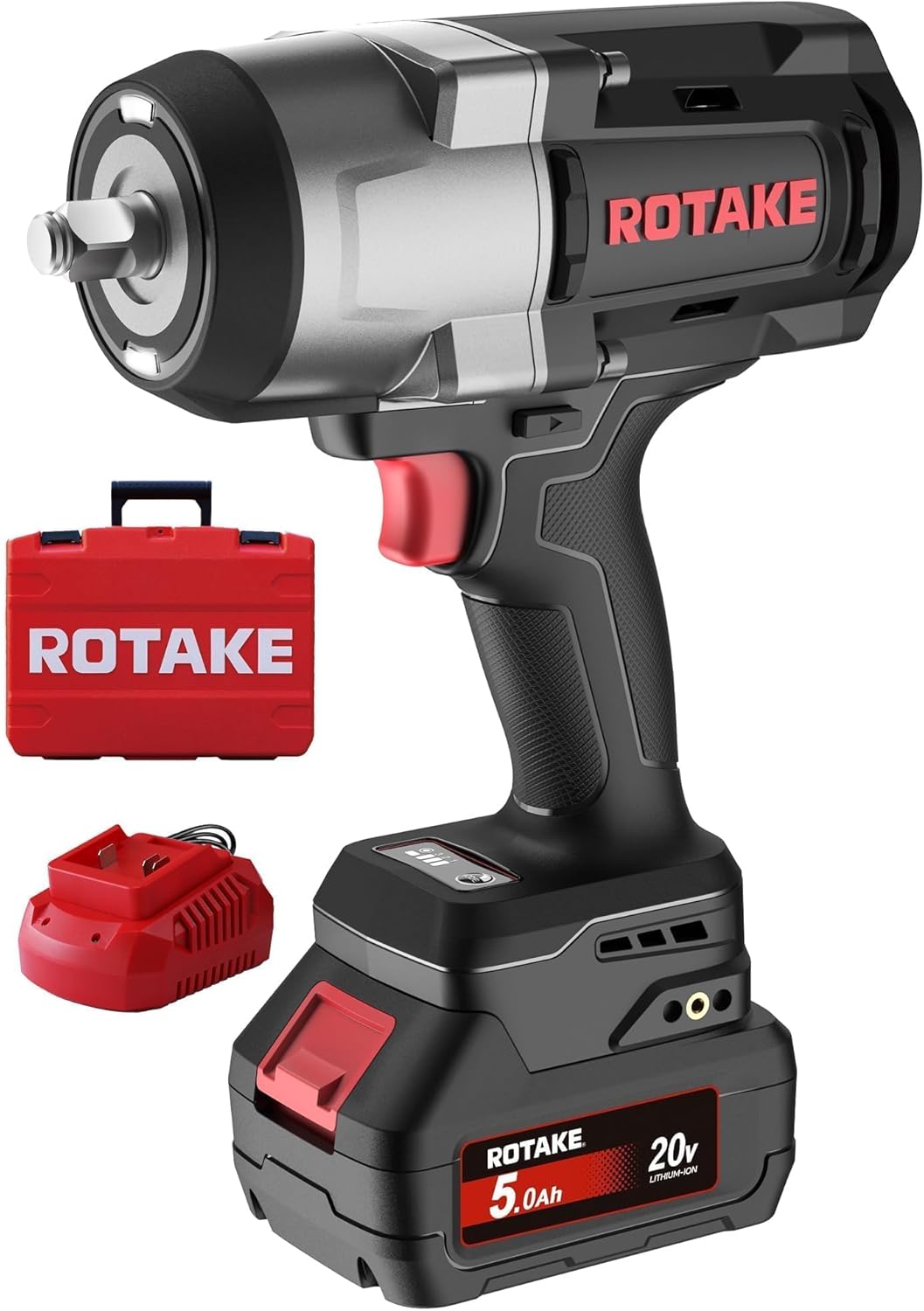
ROTAKE TB3 20V Heavy Duty 1/2" Cordless Impact Wrench Kit - 1380 Ft-Lbs Torque
$132 $219.99
36% OFF

Men's Athletic Running Shorts with Zipper Pockets - Lightweight & Quick Dry
$12.74 $19.99
61% OFF

Modern Ceiling Fan with Light and Remote - Reversible Quiet DC Motor
$69.3 $179.99
50% OFF

MOOKA H13 True HEPA Air Purifier for Home Large Room - 1076 sq ft Odor Eliminator
$39.97 $79.95
60% OFF

Ekouaer Women's Satin Silky Pajama Set - Short Sleeve Pullover Top & Wide-Leg Pants
$13.99 $34.99
55% OFF

Ekouaer 3-Piece Maternity & Nursing Pajamas Set - Short Sleeve Top with Shorts and Pants
$14.99 $32.99

Sealy 2-Pack Tritech 16" Twin Inflatable Air Mattress with Built-in AC Pump
$0 $113.99
20% OFF

INTEX Prism Frame 20ft x 52in Above Ground Pool Set - Round Steel Frame Swimming Pool
$695.99 $869.99

Gardner Pet 43" Heavy Duty Dog Crate with Wheels - Indestructible Folding Metal Cage (Black)
$0 $149.99
12% OFF

Elegant Mid-Century Modern Bar Stools - Set of 4
$395.99 $449.99
23% OFF

Ergonomic Office Chair - Big and Tall Desk Chair with Adjustable Lumbar Support
$279.99 $363.99
26% OFF

Magnelex American Flag Windshield Sun Shade - High-Resolution UV Reflective Heat Shield (X-Large)
$19.9 $26.9
20% OFF
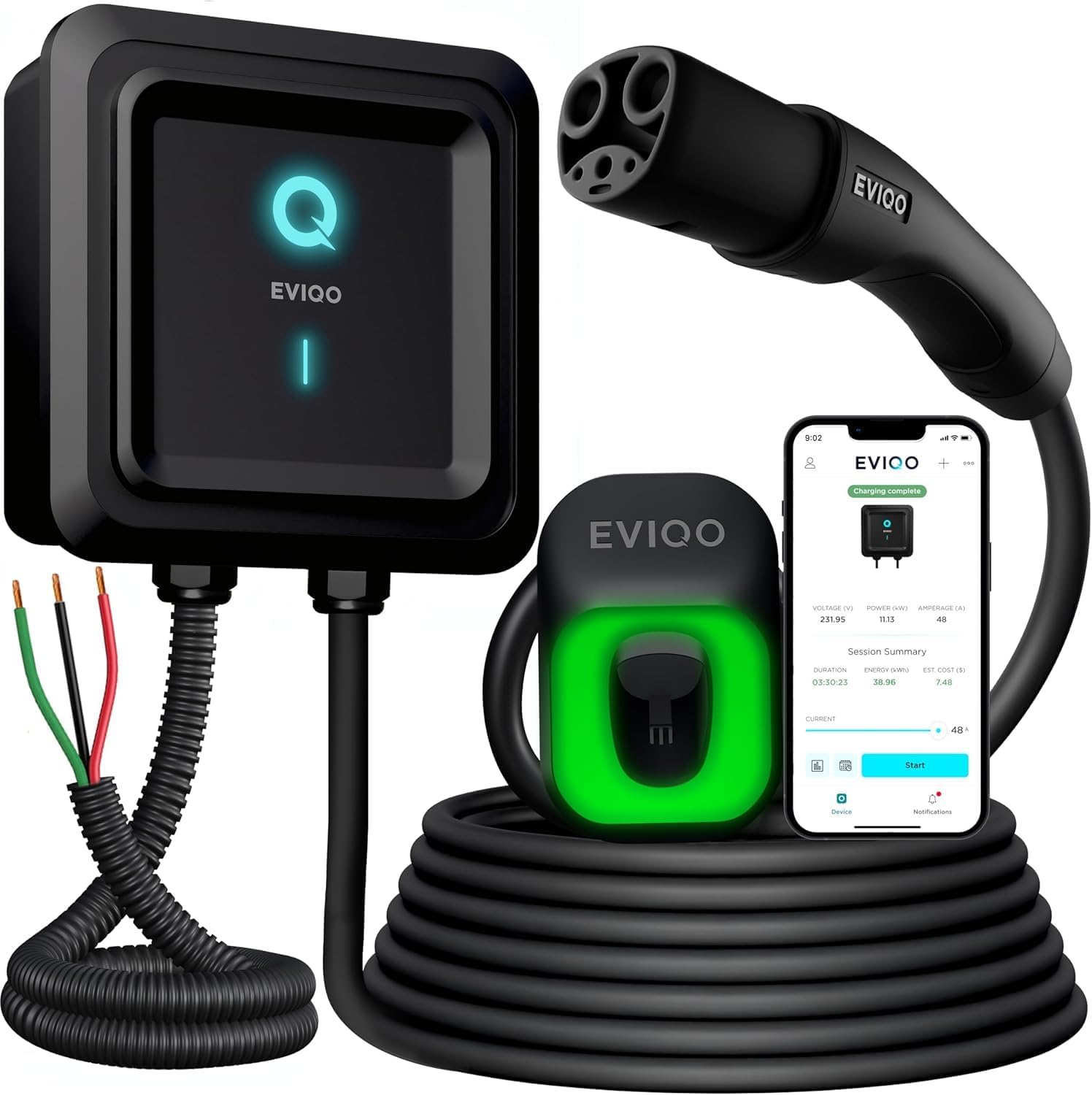
EVIQO 48 Amp NACS Level 2 EV Charger - Hardwired Smart WiFi Wall Charger for Tesla
$368.51 $458.55
50% OFF

DBFIT Air Purifier for Home Large Room
$29.99 $59.99




-
Historic Lancashire church secures £250,000 National Lottery grant for major roof repairs
-
Sunderland Minster PCC was right to push back over trans toilet sign
-

Bethel Church distances itself from Todd Bentley and Mike Bickle
-

Christian police officer reaches settlement over diversity training discrimination claim
-
Turkey's hidden Christian past: Extraordinary discoveries are rewriting the story of early Christianity
-

Washington Archdiocese parts ways with exorcist priest over UFO remarks
Most Popular
related articles
'Hollywood' Documentary on Jesus Tomb Rebuked by Clergymen
'Hollywood' Documentary on Jesus Tomb Rebuked by Clergymen
US Faith Institute Praises Amazing Grace, Criticises Jesus Tomb Documentary
US Faith Institute Praises Amazing Grace, Criticises Jesus Tomb Documentary
'Jesus Tomb' Panelists Point to Holes in Documentary
'Jesus Tomb' Panelists Point to Holes in Documentary
News

A Christian response to the crisis facing young people
The Church has a wonderful message of hope to share with young people increasingly feeling a sense of nihilism and hopelessness at the state of the world, writes Tim Farron.
Tributes paid to Operation Mobilisation co-founder Dale Rhoton
Tributes have been paid to Dale Rhoton, one of the co-founders of international mission organisation Operation Mobilisation (OM), after his death at the age of 88.

Doctors should work for good of the patient, not facilitate suicide, says Christian Medical Fellowship
Suicide is always a tragedy that should be resisted, the CMF suggested.

Parents play decisive role in passing faith to the next generation, study finds
Parents who actively practise and discuss their faith at home are significantly more likely to see their children remain committed Christians into adulthood, according to a major new study.
VitaUp Beet Root Gummies with CoQ10 & Grape Seed - Nitric Oxide Circulation Support (60 Count)
$24.91
HDPE All-Weather Adirondack Chair with Built-In Cup Holder - Tool-Free Assembly (Grey)
$69.99
HOMETUK Clear Plastic Storage Bins with Dividers - 3-Pack Stackable Acrylic Organizer Containers for Fridge and Pantry
$19.99
G Gradual Men's Fishing Shirt - UPF 50+ Lightweight Short Sleeve Button Down with Zipper Pockets
$14.99
Everyfun 60" Rectangular Platform Tree Swing - 700lbs Heavy Duty Adjustable Outdoor Swing (Colorful)
$49.99
Ekouaer Women's Casual Loose Jumpsuit - One-Piece Printed Sleeveless Wide Leg Romper with Pockets
$14.99
ROTAKE TB3 20V Heavy Duty 1/2" Cordless Impact Wrench Kit - 1380 Ft-Lbs Torque
$132
Men's Athletic Running Shorts with Zipper Pockets - Lightweight & Quick Dry
$12.74
Modern Ceiling Fan with Light and Remote - Reversible Quiet DC Motor
$69.3
MOOKA H13 True HEPA Air Purifier for Home Large Room - 1076 sq ft Odor Eliminator
$39.97
Ekouaer Women's Satin Silky Pajama Set - Short Sleeve Pullover Top & Wide-Leg Pants
$13.99
Ekouaer 3-Piece Maternity & Nursing Pajamas Set - Short Sleeve Top with Shorts and Pants
$14.99
Sealy 2-Pack Tritech 16" Twin Inflatable Air Mattress with Built-in AC Pump
$0
INTEX Prism Frame 20ft x 52in Above Ground Pool Set - Round Steel Frame Swimming Pool
$695.99
Gardner Pet 43" Heavy Duty Dog Crate with Wheels - Indestructible Folding Metal Cage (Black)
$0
Elegant Mid-Century Modern Bar Stools - Set of 4
$395.99
Ergonomic Office Chair - Big and Tall Desk Chair with Adjustable Lumbar Support
$279.99
Magnelex American Flag Windshield Sun Shade - High-Resolution UV Reflective Heat Shield (X-Large)
$19.9
EVIQO 48 Amp NACS Level 2 EV Charger - Hardwired Smart WiFi Wall Charger for Tesla
$368.51
DBFIT Air Purifier for Home Large Room
$29.99