
As Monday marked 100 days since the devastating earthquake in northern Pakistan in October 2005, one of the UK’s leading aid agencies warns relief efforts are still struggling as the second humanitarian disaster looms.
|TOP|Oxfam International warned that survivors of the massive earthquake last year are still facing dangers and difficulties, as conditions for survivors in the official camps remain sorely inadequate against the harsh Himalayan winter.
The conditions of inhabitants in many of the spontaneous camps that have cropped up since the earthquake are worse, with many finding that most of their basic needs are not being met.
“It's 100 days since the earthquake struck and we're still in full lifesaving mode as this crisis shows no sign of abating. We've been very lucky that the heavy snowfalls have only just struck and the challenge now is to reach vulnerable people before it's too late," says Farhana Faruqi Stocker, Oxfam's Pakistan Country director.
The rudimentary and earthquake-damaged infrastructure, as well as the difficult Himalayan terrain, continue to present a massive challenge to local authorities and relief agencies in bringing aid to the scores of villages entirely inaccessible by road.
|QUOTE|Roads continue to be blocked by subsequent tremors and rainfall which have caused landslides, or by heavy snowfall.
Amid the despair there is a flicker of hope, however, as the Methodist Relief and Development Fund (MRDF) reported a huge response to its earthquake relief appeal.
Churches and individuals donors have already given the MRDF £250,000 towards providing shelter, water and hygiene facilities and counselling for earthquake survivors in South Asia through Action by Churches Together.
Sher Shaider, one of the survivors of October 2005 earthquake, was trained along with 1,500 other teachers by the ACT partner Church World Service (CWS) in disaster preparedness and in coping with their effects.
|AD|That training was put immediately into action when the disaster struck, enabling Sher to work in his own village providing first aid to the wounded and helping to evacuate damaged buildings.
Now Sher is helping survivors to cope with the harsh Pakistani winter. More than 180,000 people continue to live in inadequate conditions in tent villages with night temperatures sometimes plummeting as low as -12ºC.
CWS is continuing its operations in the mountainous northern regions at the epicentre of the earthquake, where it has become increasingly familiar with the impact of natural disasters.
“The area is subject to mudslides, flash floods and earthquakes. You name it, you get it in the north,” explains Martin Pervez, CWS Director.
MRDF Director, Kirsty Smith said: “The huge response to this appeal reminds us that we can rely on MRDF supporters to respond quickly and generously when disaster strikes.
"We are pleased to report that, despite devastation in the region, our partners are leading the way in providing relief and, most importantly, ensuring that people are prepared whenever the next crisis comes”.
The United Nations can only report less success, however, as its response continues to be severely hampered by a lack of pledges to the UN’s earthquake appeal fund. Barely half of the funds appealed for – USD 300 of the massive USD 549 required – have been gathered to date.
"The international community must support the Pakistani authorities and the UN to improve co-ordination and management of the relief effort," says Stocker.
"Internationally agreed minimum standards for camp management -- the Sphere standards -- must at least be reached and the transition from military to civilian responsibility must proceed carefully and sensitively."
The comments come as Oxfam warned yesterday of a second humanitarian disaster as people in smaller spontaneous camps continue to miss out on many of the aid provisions owing to confusion over responsibility for food distribution as well as other urgently needed items.
Oxfam has also been busy winterising the tents it provided as most tents rushed to the earthquake zone in the aftermath of the quake were unsuitable for winter conditions.
The charity warned, however, that the most vulnerable in the emergence of a second humanitarian disaster remain the children and the elderly trying to shelter in flimsy tents in remote regions above the snowline where access to aid deliveries has been difficult.
Oxfam urged an acceleration of the reconstruction planning and implantation in order to help earthquake survivors to rebuild their lives.
11% OFF

VitaUp Beet Root Gummies with CoQ10 & Grape Seed - Nitric Oxide Circulation Support (60 Count)
$24.91 $27.91
50% OFF

HDPE All-Weather Adirondack Chair with Built-In Cup Holder - Tool-Free Assembly (Grey)
$69.99 $139.99
60% OFF

HOMETUK Clear Plastic Storage Bins with Dividers - 3-Pack Stackable Acrylic Organizer Containers for Fridge and Pantry
$19.99 $49.99
58% OFF

G Gradual Men's Fishing Shirt - UPF 50+ Lightweight Short Sleeve Button Down with Zipper Pockets
$14.99 $35.99
55% OFF

Everyfun 60" Rectangular Platform Tree Swing - 700lbs Heavy Duty Adjustable Outdoor Swing (Colorful)
$49.99 $110.99
61% OFF

Ekouaer Women's Casual Loose Jumpsuit - One-Piece Printed Sleeveless Wide Leg Romper with Pockets
$14.99 $37.99
40% OFF
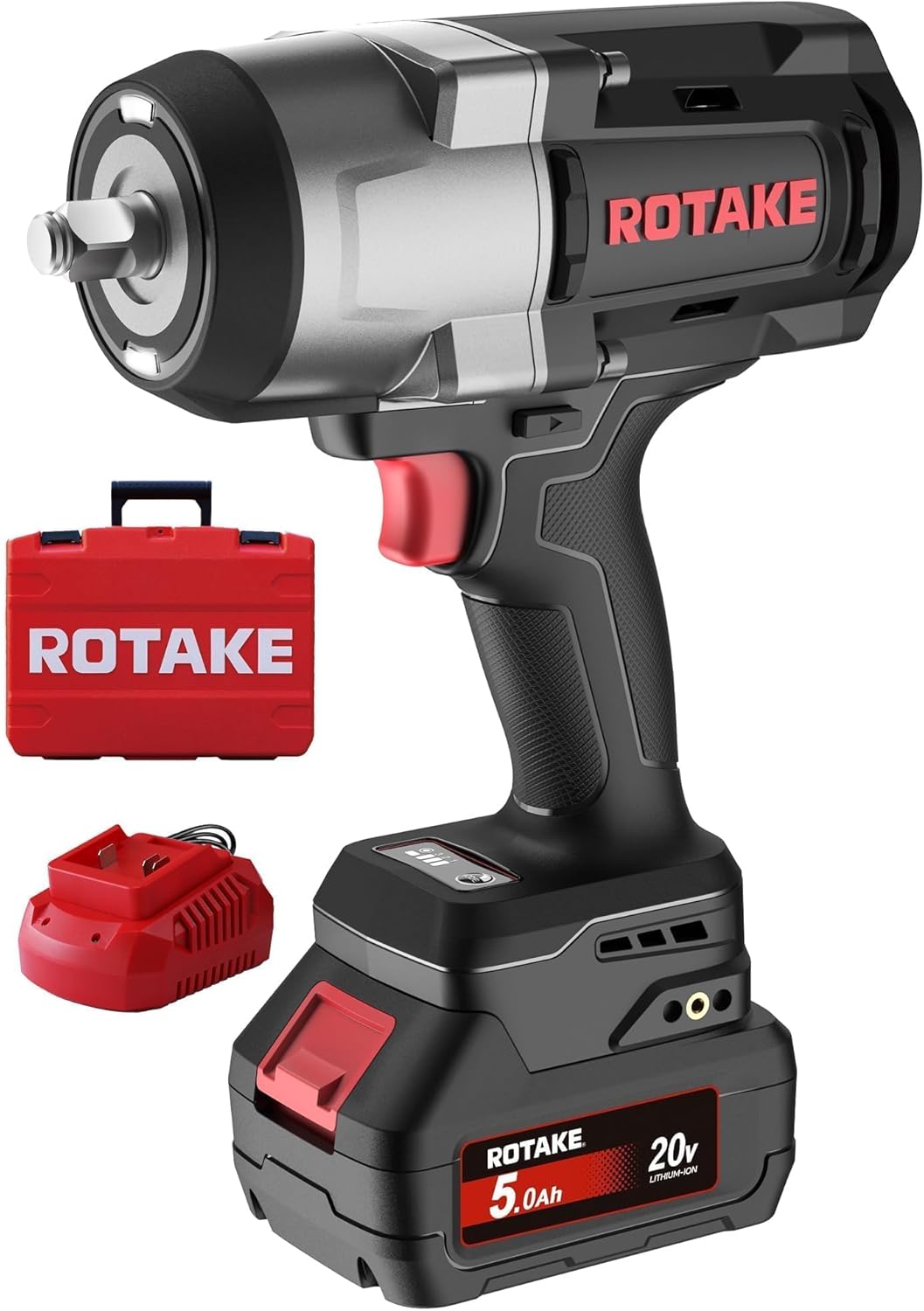
ROTAKE TB3 20V Heavy Duty 1/2" Cordless Impact Wrench Kit - 1380 Ft-Lbs Torque
$132 $219.99
36% OFF

Men's Athletic Running Shorts with Zipper Pockets - Lightweight & Quick Dry
$12.74 $19.99
61% OFF

Modern Ceiling Fan with Light and Remote - Reversible Quiet DC Motor
$69.3 $179.99
50% OFF

MOOKA H13 True HEPA Air Purifier for Home Large Room - 1076 sq ft Odor Eliminator
$39.97 $79.95
60% OFF

Ekouaer Women's Satin Silky Pajama Set - Short Sleeve Pullover Top & Wide-Leg Pants
$13.99 $34.99
55% OFF

Ekouaer 3-Piece Maternity & Nursing Pajamas Set - Short Sleeve Top with Shorts and Pants
$14.99 $32.99

Sealy 2-Pack Tritech 16" Twin Inflatable Air Mattress with Built-in AC Pump
$0 $113.99
20% OFF

INTEX Prism Frame 20ft x 52in Above Ground Pool Set - Round Steel Frame Swimming Pool
$695.99 $869.99

Gardner Pet 43" Heavy Duty Dog Crate with Wheels - Indestructible Folding Metal Cage (Black)
$0 $149.99
12% OFF

Elegant Mid-Century Modern Bar Stools - Set of 4
$395.99 $449.99
23% OFF

Ergonomic Office Chair - Big and Tall Desk Chair with Adjustable Lumbar Support
$279.99 $363.99
26% OFF

Magnelex American Flag Windshield Sun Shade - High-Resolution UV Reflective Heat Shield (X-Large)
$19.9 $26.9
20% OFF
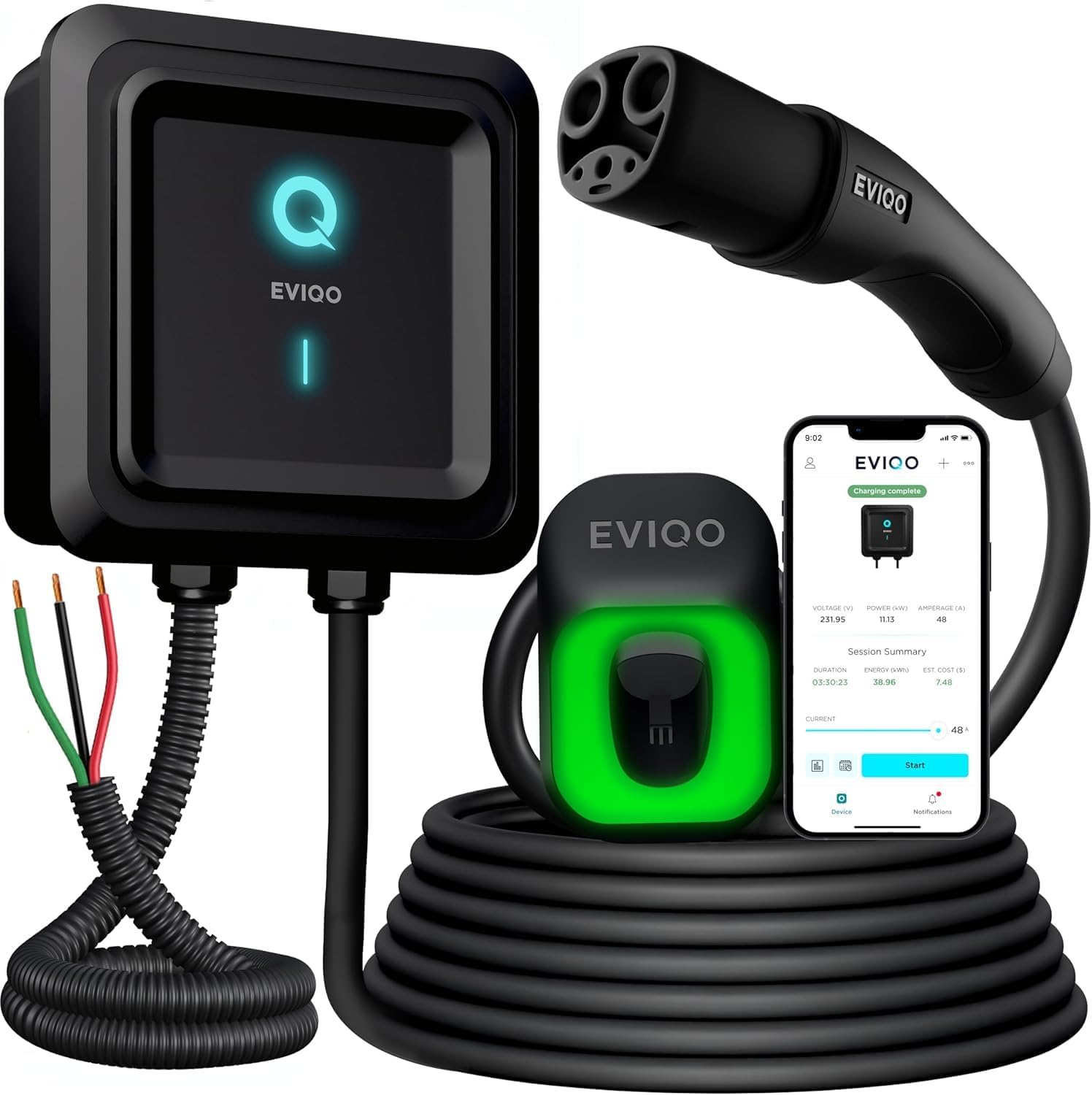
EVIQO 48 Amp NACS Level 2 EV Charger - Hardwired Smart WiFi Wall Charger for Tesla
$368.51 $458.55
50% OFF

DBFIT Air Purifier for Home Large Room
$29.99 $59.99




-
Historic Lancashire church secures £250,000 National Lottery grant for major roof repairs
-

Sunderland Minster PCC was right to push back over trans toilet sign
-

Bethel Church distances itself from Todd Bentley and Mike Bickle
-

Christian police officer reaches settlement over diversity training discrimination claim
-
Turkey's hidden Christian past: Extraordinary discoveries are rewriting the story of early Christianity
-

Washington Archdiocese parts ways with exorcist priest over UFO remarks
Most Popular
related articles
Christian Aid Director Urges Local-level Disaster Response
Christian Aid Director Urges Local-level Disaster Response
News

Churches must disciple well and listen well in response to rise of Christian nationalism
Churches have a task on their hands to raise standards of theological literacy in their congregations amid growing Christian nationalism, while at the same time listening to and engaging with the concerns of people in their flock.

A Christian response to the crisis facing young people
The Church has a wonderful message of hope to share with young people increasingly feeling a sense of nihilism and hopelessness at the state of the world, writes Tim Farron.
Tributes paid to Operation Mobilisation co-founder Dale Rhoton
Tributes have been paid to Dale Rhoton, one of the co-founders of international mission organisation Operation Mobilisation (OM), after his death at the age of 88.

Doctors should work for good of the patient, not facilitate suicide, says Christian Medical Fellowship
Suicide is always a tragedy that should be resisted, the CMF suggested.
VitaUp Beet Root Gummies with CoQ10 & Grape Seed - Nitric Oxide Circulation Support (60 Count)
$24.91
HDPE All-Weather Adirondack Chair with Built-In Cup Holder - Tool-Free Assembly (Grey)
$69.99
HOMETUK Clear Plastic Storage Bins with Dividers - 3-Pack Stackable Acrylic Organizer Containers for Fridge and Pantry
$19.99
G Gradual Men's Fishing Shirt - UPF 50+ Lightweight Short Sleeve Button Down with Zipper Pockets
$14.99
Everyfun 60" Rectangular Platform Tree Swing - 700lbs Heavy Duty Adjustable Outdoor Swing (Colorful)
$49.99
Ekouaer Women's Casual Loose Jumpsuit - One-Piece Printed Sleeveless Wide Leg Romper with Pockets
$14.99
ROTAKE TB3 20V Heavy Duty 1/2" Cordless Impact Wrench Kit - 1380 Ft-Lbs Torque
$132
Men's Athletic Running Shorts with Zipper Pockets - Lightweight & Quick Dry
$12.74
Modern Ceiling Fan with Light and Remote - Reversible Quiet DC Motor
$69.3
MOOKA H13 True HEPA Air Purifier for Home Large Room - 1076 sq ft Odor Eliminator
$39.97
Ekouaer Women's Satin Silky Pajama Set - Short Sleeve Pullover Top & Wide-Leg Pants
$13.99
Ekouaer 3-Piece Maternity & Nursing Pajamas Set - Short Sleeve Top with Shorts and Pants
$14.99
Sealy 2-Pack Tritech 16" Twin Inflatable Air Mattress with Built-in AC Pump
$0
INTEX Prism Frame 20ft x 52in Above Ground Pool Set - Round Steel Frame Swimming Pool
$695.99
Gardner Pet 43" Heavy Duty Dog Crate with Wheels - Indestructible Folding Metal Cage (Black)
$0
Elegant Mid-Century Modern Bar Stools - Set of 4
$395.99
Ergonomic Office Chair - Big and Tall Desk Chair with Adjustable Lumbar Support
$279.99
Magnelex American Flag Windshield Sun Shade - High-Resolution UV Reflective Heat Shield (X-Large)
$19.9
EVIQO 48 Amp NACS Level 2 EV Charger - Hardwired Smart WiFi Wall Charger for Tesla
$368.51
DBFIT Air Purifier for Home Large Room
$29.99