
The 40th anniversary of the 1967 Abortion Act is an important moment for reflection. It gives us all an opportunity to seek to cherish human life and to support women in difficult circumstances.
The law affects attitudes, but it does not itself compel anyone to have an abortion. Even without a change in the law the abortion rate could fall dramatically if enough minds and hearts were changed.
The miraculous nature of human reproduction has become ever more apparent through recent advances in medical technology. In 1967 Ultrasound was a primitive tool.
Ultrasound scanners today can reveal in extraordinary detail the development of a human life in the womb. Premature babies are now able to survive at ever younger ages.
Developmental biology makes increasingly clear the beautiful and intricate processes of continuous development and growth of the single unique organism which is formed at conception. That is when our lives started.
From that point on, there is a new human life which is neither the life of the father nor the mother. In 2007 we understand better than ever before, because we have seen it with our own eyes, the wonderful process of life that is brought to an end by abortion.
The 1967 Act was intended to solve the problem of illegal abortion, on the basis that it was a major cause of death in pregnant women. Yet our countries now perform nearly 200,000 abortions every year.
We have one of the most liberal abortion laws in Europe with abortion up to 24 weeks and abortion in the case of disability (and on some other grounds) up to birth.
Whatever our religious creed or political conviction, abortion on this scale can only be a source of distress and profound anguish for us all.
The Catholic Church throughout the world has been constant in its opposition to abortion as morally wrong, and has been determined to give voice to the silent cry for love and recognition that belongs to every human life.
The Church has for many years in our countries been at the forefront of offering practical, emotional and spiritual care to women and babies in need. It has sought, too, to help the many women, and men, who suffer grief, pain and loss following an abortion experience.
In the years since 1967 much has been made of the slogan 'the woman's right to choose'. Yet the right to make a genuine choice is exactly what very many women who have abortions say they do not have.
Abortion is a moment of choice. Abortion is always a choice between life and death, but we recognize that it is made in complex personal and domestic situations.
It can be especially difficult for the mother if she feels abandoned by her partner or that by having the child she will lose the support of her family or society.
Women in this situation can feel intensely isolated. Many women and men, too, already feel the pressure of caring for their families.
They often have to cope with financial burdens and the demands of a career. In such situations, family relationships can feel so strained that they do not feel they can welcome another life.
If the pregnancy is unwanted it can be easier to argue that it is somehow in the interests of the child not to be born because the child will not be welcomed.
At times, the life of the child is seen as an unnecessary limitation on the mother and the father. The child's life is placed in opposition to theirs.
When this happens abortion can be portrayed as the lesser of two evils which removes an obstacle to the "success" of the parents' lives.
Yet life, especially new life, is ultimately never a deprivation. It is a gift that always enriches; a promise filled with hope. We should never let ourselves be persuaded otherwise.
Often, 'a woman's right to choose' fails to acknowledge the role of the father. It seems to pass over the fact that the majority of men do want to be fathers of their children.
If we accept 'a woman's right to choose' as the governing principle of such a profound choice between life and death, then rather than encouraging men to accept responsibility, it can support their denial or avoidance.
For everyone involved, abortion will often have been a painful and shattering decision. For many women it is one in which they, perhaps even as much as their unborn child, will have been the victim.
This is why we believe that abortion is not only a personal choice, it is about the choices our society makes to support women, their partners and families in these situations.
If our society makes life its choice then there is no reason why the child, the mother and the father, and indeed the whole family of society cannot grow to fulfill their potential.
Abortion robs everyone of their future. Individually and as a society we believe we have another choice: to give birth to life.
How can we all help bring about change? There is nothing to stop our society from acting now to foster a new understanding and approach to relationships, responsibility and mutual support:
-By being parents and families who cherish life and support our daughters and sons in making decisions which are responsibly pro-life.
-By providing sympathetic counselling and help for young women who find themselves pregnant.
-By providing more and better facilities to support and help young mothers who choose to have their babies.
-By dismantling a conveyor belt that can often take a young woman through to having an early abortion without any of the alternatives being properly explored or resourced. Making genuine freedom of choice a reality is the first and crucial step in a fundamental change of mind and heart.
-By supporting and developing better educational programmes which place the gift of sexual relations within the context of marriage and fidelity. Such programmes can help people understand realistically the joy and sacred responsibility of parenthood. They can inform them about the resources available within the Catholic Church and society for supporting families and parents at moments of difficulty.
-By respecting and supporting the decision of those in healthcare who refuse to perform or assist in abortions on grounds of conscience.
-By pressing for achievable change in the law in the light of advances in medical developments, even if Parliament will not abolish the law. Whilst upholding the principle of the sacredness of human life, it is both licit and important for those in public life who oppose abortion on principle to work and vote for achievable incremental improvement to what is an unjust law.
The Catholic faith lets us see the radiant glory of human life from its beginning to its end. When we know that every person whatever their age, race or condition carries the image of God, we see their infinite value and dignity. Whether we have this vision of faith or not, cherishing life is the central value of every society that wants to flourish.
The Catholic Church offers to participate with others in working for this timely change of heart and mind. We hope and pray for the sake of our common humanity, and the lives at stake, that the next 40 years will tell a very different story. The time to take a different path is now.
Cardinal Keith O'Brien President
Catholic Bishops' Conference of Scotland
Cardinal Cormac Murphy-O'Connor
President
Catholic Bishops' Conference of England and Wales
11% OFF

VitaUp Beet Root Gummies with CoQ10 & Grape Seed - Nitric Oxide Circulation Support (60 Count)
$24.91 $27.91
50% OFF

HDPE All-Weather Adirondack Chair with Built-In Cup Holder - Tool-Free Assembly (Grey)
$69.99 $139.99
60% OFF

HOMETUK Clear Plastic Storage Bins with Dividers - 3-Pack Stackable Acrylic Organizer Containers for Fridge and Pantry
$19.99 $49.99
58% OFF

G Gradual Men's Fishing Shirt - UPF 50+ Lightweight Short Sleeve Button Down with Zipper Pockets
$14.99 $35.99
55% OFF

Everyfun 60" Rectangular Platform Tree Swing - 700lbs Heavy Duty Adjustable Outdoor Swing (Colorful)
$49.99 $110.99
61% OFF

Ekouaer Women's Casual Loose Jumpsuit - One-Piece Printed Sleeveless Wide Leg Romper with Pockets
$14.99 $37.99
40% OFF

ROTAKE TB3 20V Heavy Duty 1/2" Cordless Impact Wrench Kit - 1380 Ft-Lbs Torque
$132 $219.99
36% OFF

Men's Athletic Running Shorts with Zipper Pockets - Lightweight & Quick Dry
$12.74 $19.99
61% OFF

Modern Ceiling Fan with Light and Remote - Reversible Quiet DC Motor
$69.3 $179.99
50% OFF

MOOKA H13 True HEPA Air Purifier for Home Large Room - 1076 sq ft Odor Eliminator
$39.97 $79.95
60% OFF

Ekouaer Women's Satin Silky Pajama Set - Short Sleeve Pullover Top & Wide-Leg Pants
$13.99 $34.99
55% OFF

Ekouaer 3-Piece Maternity & Nursing Pajamas Set - Short Sleeve Top with Shorts and Pants
$14.99 $32.99
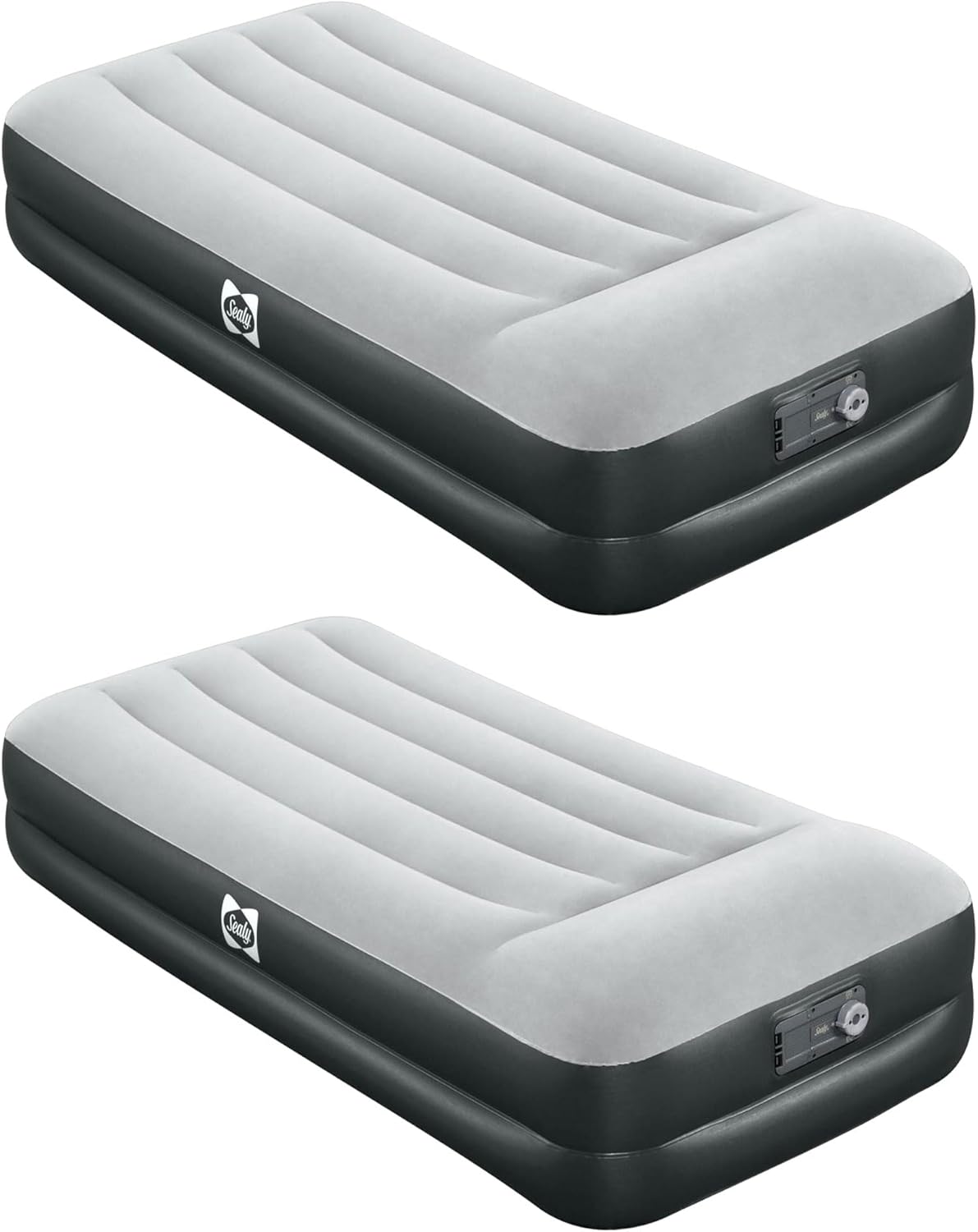
Sealy 2-Pack Tritech 16" Twin Inflatable Air Mattress with Built-in AC Pump
$0 $113.99
20% OFF
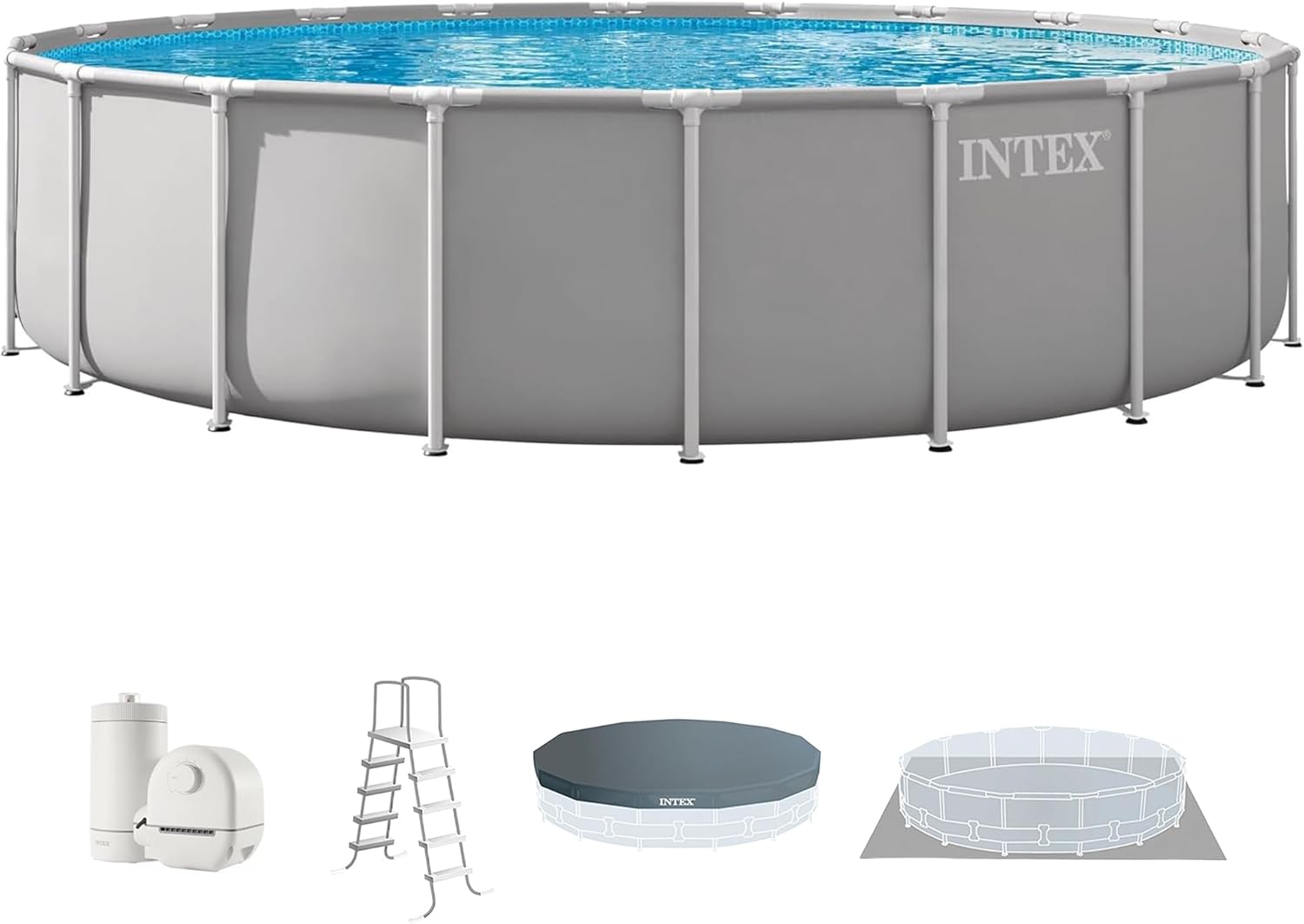
INTEX Prism Frame 20ft x 52in Above Ground Pool Set - Round Steel Frame Swimming Pool
$695.99 $869.99

Gardner Pet 43" Heavy Duty Dog Crate with Wheels - Indestructible Folding Metal Cage (Black)
$0 $149.99
12% OFF

Elegant Mid-Century Modern Bar Stools - Set of 4
$395.99 $449.99
23% OFF

Ergonomic Office Chair - Big and Tall Desk Chair with Adjustable Lumbar Support
$279.99 $363.99
26% OFF

Magnelex American Flag Windshield Sun Shade - High-Resolution UV Reflective Heat Shield (X-Large)
$19.9 $26.9
20% OFF
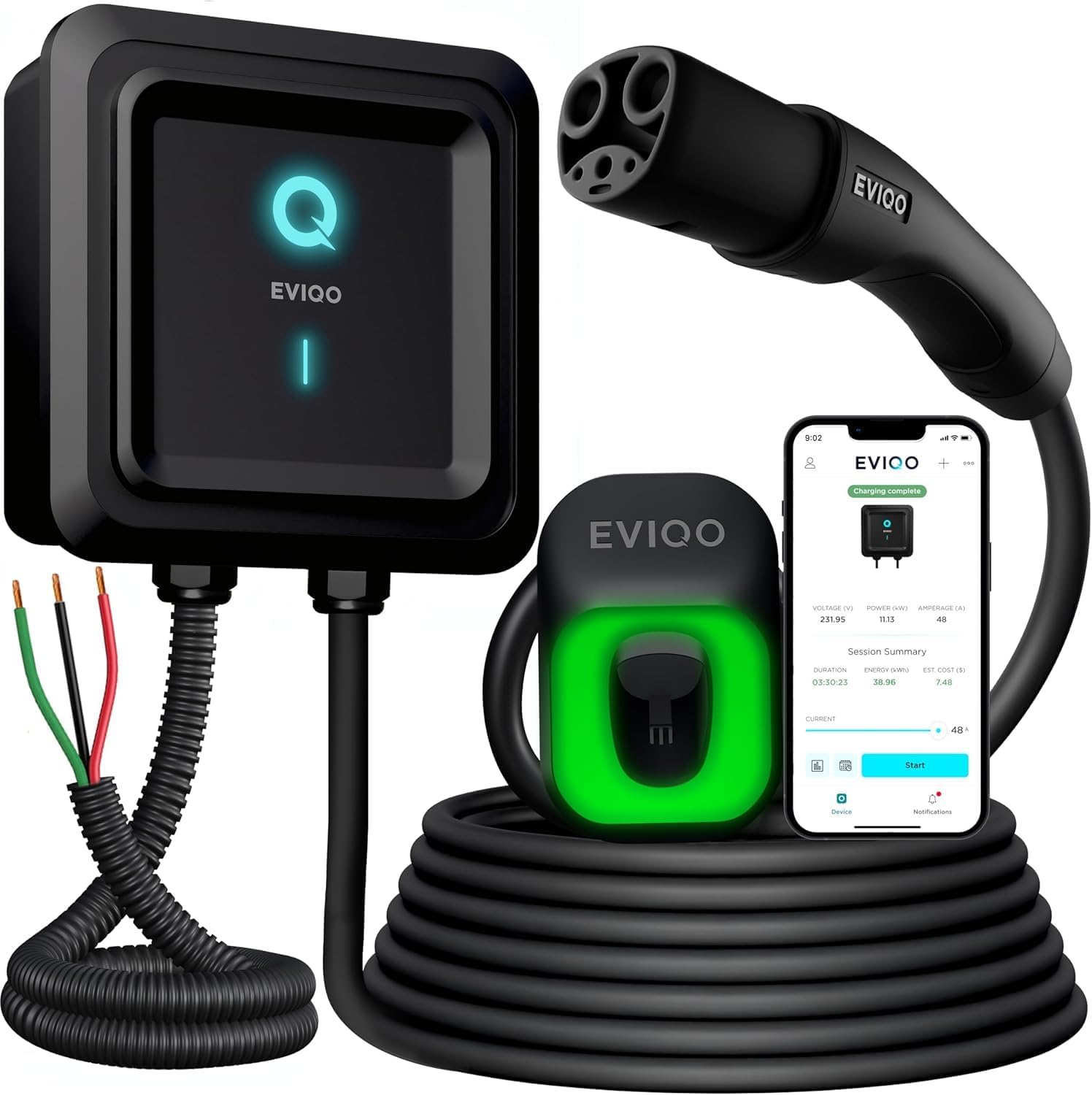
EVIQO 48 Amp NACS Level 2 EV Charger - Hardwired Smart WiFi Wall Charger for Tesla
$368.51 $458.55
50% OFF

DBFIT Air Purifier for Home Large Room
$29.99 $59.99




-

Historic Lancashire church secures £250,000 National Lottery grant for major roof repairs
-

Sunderland Minster PCC was right to push back over trans toilet sign
-

Bethel Church distances itself from Todd Bentley and Mike Bickle
-

Christian police officer reaches settlement over diversity training discrimination claim
-

Turkey's hidden Christian past: Extraordinary discoveries are rewriting the story of early Christianity
-

Washington Archdiocese parts ways with exorcist priest over UFO remarks
Most Popular
News

A Christian response to the crisis facing young people
The Church has a wonderful message of hope to share with young people increasingly feeling a sense of nihilism and hopelessness at the state of the world, writes Tim Farron.
Tributes paid to Operation Mobilisation co-founder Dale Rhoton
Tributes have been paid to Dale Rhoton, one of the co-founders of international mission organisation Operation Mobilisation (OM), after his death at the age of 88.

Doctors should work for good of the patient, not facilitate suicide, says Christian Medical Fellowship
Suicide is always a tragedy that should be resisted, the CMF suggested.

Parents play decisive role in passing faith to the next generation, study finds
Parents who actively practise and discuss their faith at home are significantly more likely to see their children remain committed Christians into adulthood, according to a major new study.
VitaUp Beet Root Gummies with CoQ10 & Grape Seed - Nitric Oxide Circulation Support (60 Count)
$24.91
HDPE All-Weather Adirondack Chair with Built-In Cup Holder - Tool-Free Assembly (Grey)
$69.99
HOMETUK Clear Plastic Storage Bins with Dividers - 3-Pack Stackable Acrylic Organizer Containers for Fridge and Pantry
$19.99
G Gradual Men's Fishing Shirt - UPF 50+ Lightweight Short Sleeve Button Down with Zipper Pockets
$14.99
Everyfun 60" Rectangular Platform Tree Swing - 700lbs Heavy Duty Adjustable Outdoor Swing (Colorful)
$49.99
Ekouaer Women's Casual Loose Jumpsuit - One-Piece Printed Sleeveless Wide Leg Romper with Pockets
$14.99
ROTAKE TB3 20V Heavy Duty 1/2" Cordless Impact Wrench Kit - 1380 Ft-Lbs Torque
$132
Men's Athletic Running Shorts with Zipper Pockets - Lightweight & Quick Dry
$12.74
Modern Ceiling Fan with Light and Remote - Reversible Quiet DC Motor
$69.3
MOOKA H13 True HEPA Air Purifier for Home Large Room - 1076 sq ft Odor Eliminator
$39.97
Ekouaer Women's Satin Silky Pajama Set - Short Sleeve Pullover Top & Wide-Leg Pants
$13.99
Ekouaer 3-Piece Maternity & Nursing Pajamas Set - Short Sleeve Top with Shorts and Pants
$14.99
Sealy 2-Pack Tritech 16" Twin Inflatable Air Mattress with Built-in AC Pump
$0
INTEX Prism Frame 20ft x 52in Above Ground Pool Set - Round Steel Frame Swimming Pool
$695.99
Gardner Pet 43" Heavy Duty Dog Crate with Wheels - Indestructible Folding Metal Cage (Black)
$0
Elegant Mid-Century Modern Bar Stools - Set of 4
$395.99
Ergonomic Office Chair - Big and Tall Desk Chair with Adjustable Lumbar Support
$279.99
Magnelex American Flag Windshield Sun Shade - High-Resolution UV Reflective Heat Shield (X-Large)
$19.9
EVIQO 48 Amp NACS Level 2 EV Charger - Hardwired Smart WiFi Wall Charger for Tesla
$368.51
DBFIT Air Purifier for Home Large Room
$29.99