
Presidential candidate Barack Obama, who just completed a weeklong tour abroad, described his foreign policy approach as one that balances the promotion of human rights with the need to put the highest priority on the issues most crucial to America's security.
In an interview with Reuters on his flight back on Saturday from the Middle East and Europe, the presumptive Democratic nominee said his approach was "pragmatist."
He also took a tough line on Iran and gave a guardedly favourable impression of Iraqi Prime Minister Nuri al-Maliki and Afghan President Hamid Karzai after visits to their countries.
Here are some excerpts from the interview:
REALISM VS. IDEALISM
Obama labels his foreign policy approach "pragmatist." Asked what he means by that, he replied, "There's always been a tension in American foreign policy between realism and idealism.
"When we're at our most effective, we are both concerned with protecting our values and ideals in the world but also mindful of how difficult it is to move societies in particular directions," Obama said. "So we've got to have some humility about what we can accomplish at a given time."
ON RUSSIA AND CHINA
Obama said the U.S. relationships with Russia and China were "great examples" of balancing the promotion of values with putting the top focus on America's security interests.
He said the United States must speak out on human rights issues such as genocide in Sudan while putting as a "very, very high priority" enlisting help to pressure Iran on its nuclear program.
"That is a very, very high priority for our own safety and security, for the safety and security of the region, for the safety of our ally Israel. It's going to be very hard to pressure them effectively if we don't have China and Russia on board," he said. "So we may not be able to do everything all at the same time. We've got to pick and choose our priorities on foreign policy, just as we do on domestic policy.
PRESIDENT GEORGE H.W. BUSH'S FOREIGN POLICY
Obama expressed admiration for the deftness of President George H.W. Bush - the current president's father - in knowing not to "overreach" on foreign policy.
"I think they managed the end of the Cold War with extraordinary sophistication that could have gone wrong in all sorts of ways. They didn't overreach," he said. Concerning the first Gulf War, "they were very hard-headed but also worked very diligently in terms of rounding up our allies."
IRAN
Obama said in Paris last week that Iran must not wait for the next U.S. president to make a deal on its nuclear program. Elaborating on that, he told Reuters the comment was meant to be supportive of the Bush administration's move toward greater engagement with Iran when it sent William Burns, a senior U.S. diplomat, to talks with Iranian officials.
"I want the Bush administration to be successful in working with the Europeans to get Iran to stand down on its nuclear weapons program. I don't think (an Iranian nuclear weapon) is an acceptable outcome," Obama said. "Bill Burns is a very serious guy. And the Iranians should take that gesture seriously."
GOALS IN AFGHANISTAN
Obama describes Afghanistan as the war the United States must win. Asked how he defines "winning," he replied, "I think our goals have to be very modest but they will still be very difficult to meet. We should want a functioning Afghan government that can maintain its own security and territorial integrity."
Obama said the United States should help in moving the development process along "but our highest priority is making sure that the Taliban and al Qaeda can't continue to use that region from which to launch attacks around the world.
"If we have routed them and scattered them, that would be success," he said.
ON HIS MEETINGS WITH MALIKI AND KARZAI
"I think that both of them are obviously working under the most difficult possible circumstances. And I think that they have worked well with the coalition forces in their respective countries," Obama said.
On Maliki, Obama said: "I think he recognizes that the Iraqi government both has to become more efficient and more inclusive. Whether he understands the degree to which that has to happen . I can't tell."
Obama said Karzai was a "smart and charming person."
"I think that the vision he has for Afghanistan long term has a lot of good elements but I think it was very important for the Afghan people to feel as if this federal government is delivering for them and right now they are not seeing that," Obama said.
He said urged Karzai to do more to fight corruption and counter the narcotics trade.
11% OFF

VitaUp Beet Root Gummies with CoQ10 & Grape Seed - Nitric Oxide Circulation Support (60 Count)
$24.91 $27.91
50% OFF

HDPE All-Weather Adirondack Chair with Built-In Cup Holder - Tool-Free Assembly (Grey)
$69.99 $139.99
60% OFF

HOMETUK Clear Plastic Storage Bins with Dividers - 3-Pack Stackable Acrylic Organizer Containers for Fridge and Pantry
$19.99 $49.99
58% OFF

G Gradual Men's Fishing Shirt - UPF 50+ Lightweight Short Sleeve Button Down with Zipper Pockets
$14.99 $35.99
55% OFF

Everyfun 60" Rectangular Platform Tree Swing - 700lbs Heavy Duty Adjustable Outdoor Swing (Colorful)
$49.99 $110.99
61% OFF

Ekouaer Women's Casual Loose Jumpsuit - One-Piece Printed Sleeveless Wide Leg Romper with Pockets
$14.99 $37.99
40% OFF
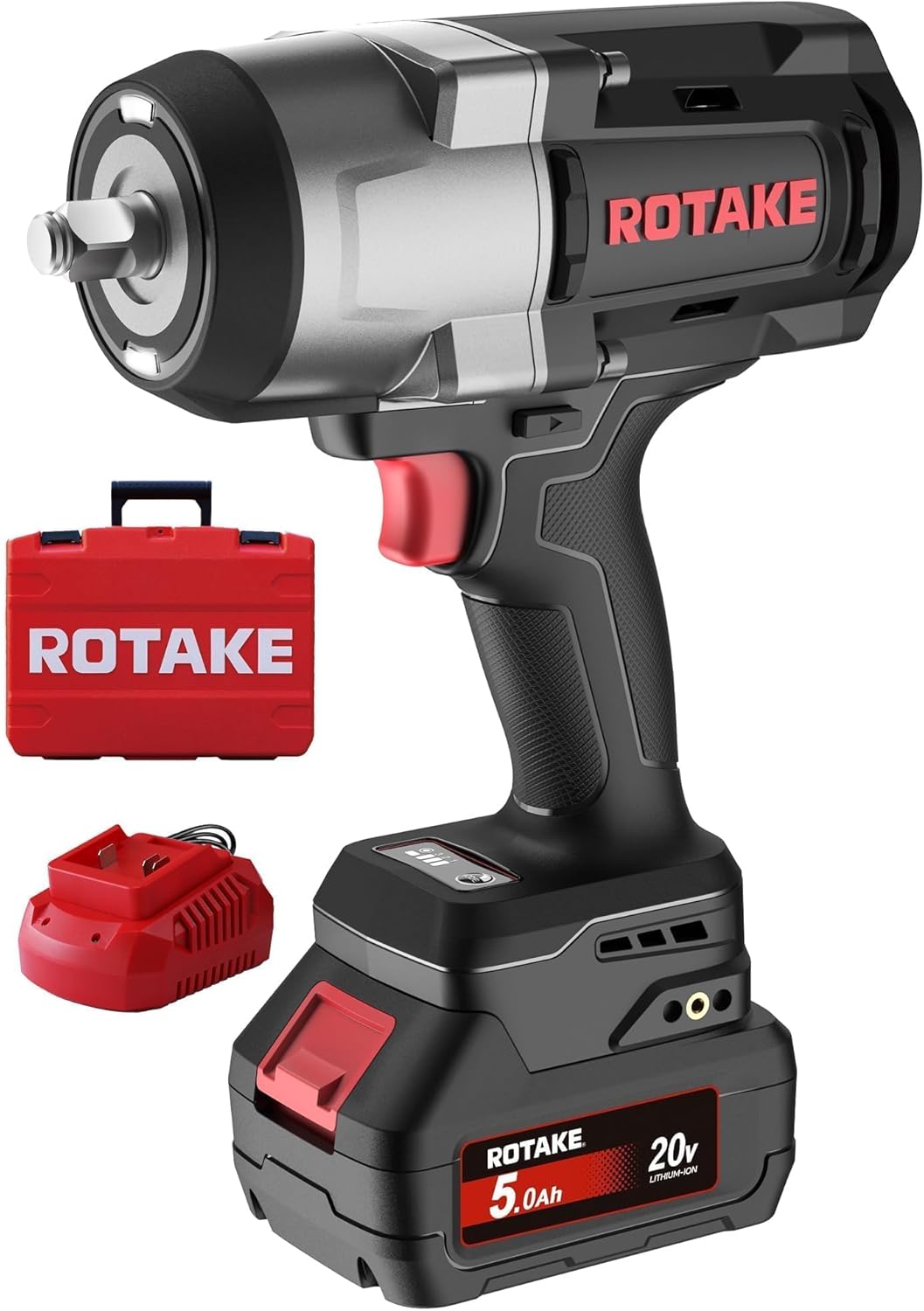
ROTAKE TB3 20V Heavy Duty 1/2" Cordless Impact Wrench Kit - 1380 Ft-Lbs Torque
$132 $219.99
36% OFF

Men's Athletic Running Shorts with Zipper Pockets - Lightweight & Quick Dry
$12.74 $19.99
61% OFF

Modern Ceiling Fan with Light and Remote - Reversible Quiet DC Motor
$69.3 $179.99
50% OFF

MOOKA H13 True HEPA Air Purifier for Home Large Room - 1076 sq ft Odor Eliminator
$39.97 $79.95
60% OFF

Ekouaer Women's Satin Silky Pajama Set - Short Sleeve Pullover Top & Wide-Leg Pants
$13.99 $34.99
55% OFF

Ekouaer 3-Piece Maternity & Nursing Pajamas Set - Short Sleeve Top with Shorts and Pants
$14.99 $32.99

Sealy 2-Pack Tritech 16" Twin Inflatable Air Mattress with Built-in AC Pump
$0 $113.99
20% OFF

INTEX Prism Frame 20ft x 52in Above Ground Pool Set - Round Steel Frame Swimming Pool
$695.99 $869.99

Gardner Pet 43" Heavy Duty Dog Crate with Wheels - Indestructible Folding Metal Cage (Black)
$0 $149.99
12% OFF

Elegant Mid-Century Modern Bar Stools - Set of 4
$395.99 $449.99
23% OFF

Ergonomic Office Chair - Big and Tall Desk Chair with Adjustable Lumbar Support
$279.99 $363.99
26% OFF

Magnelex American Flag Windshield Sun Shade - High-Resolution UV Reflective Heat Shield (X-Large)
$19.9 $26.9
20% OFF
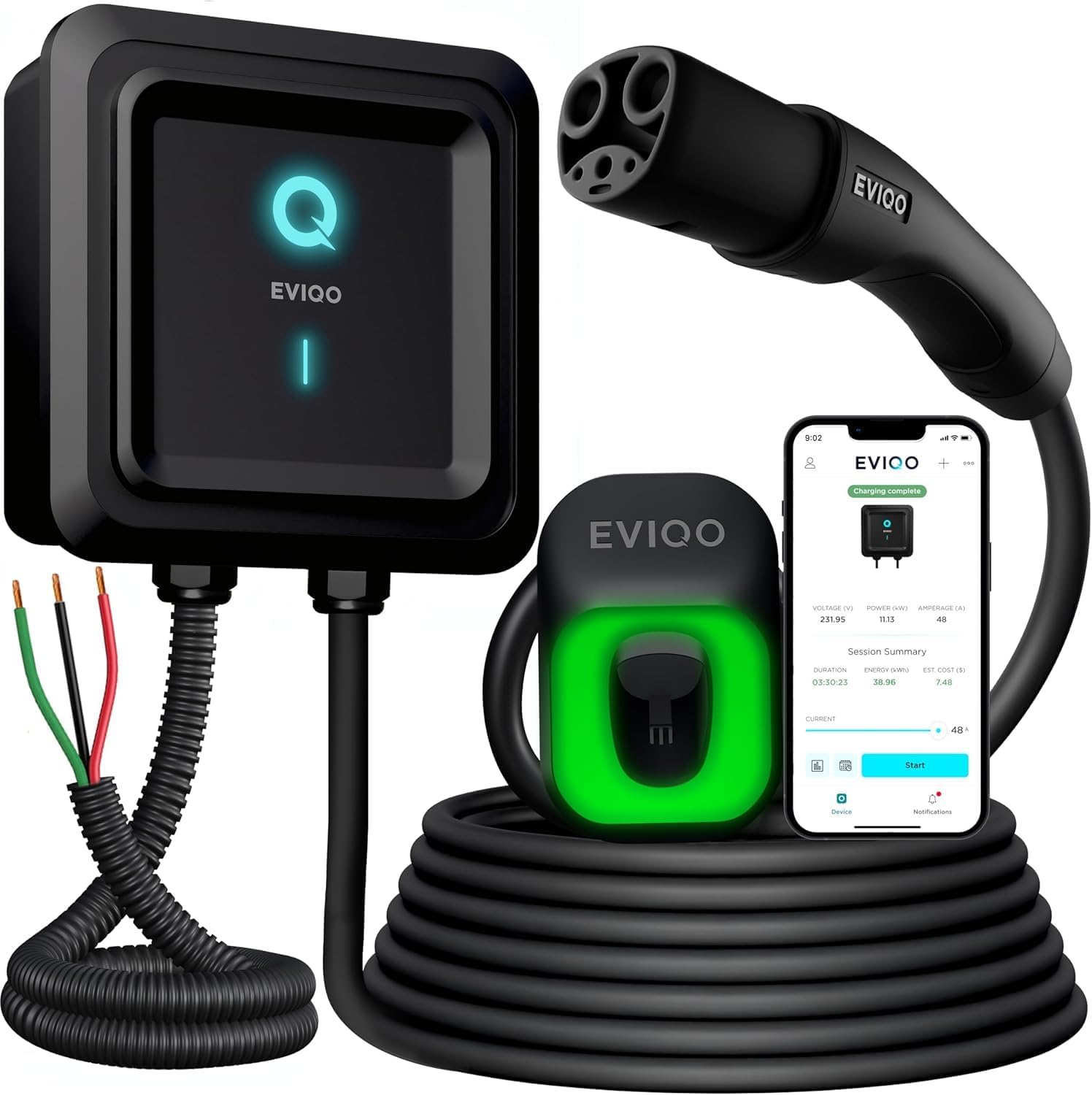
EVIQO 48 Amp NACS Level 2 EV Charger - Hardwired Smart WiFi Wall Charger for Tesla
$368.51 $458.55
50% OFF

DBFIT Air Purifier for Home Large Room
$29.99 $59.99



-

Historic Lancashire church secures £250,000 National Lottery grant for major roof repairs
-
Sunderland Minster PCC was right to push back over trans toilet sign
-

Secular group targets church over online preaching
-

Bethel Church distances itself from Todd Bentley and Mike Bickle
-

Christian police officer reaches settlement over diversity training discrimination claim
-

Christian loses case to remove LGBT symbols from workplace
Most Popular
News
Archbishop of Canterbury highlights benefits and risks of AI
Archbishop Sarah Mullally joined the Pope in raising concerns about AI.

Church of England more than doubles conservation grants
The significant rise in funding was attributed partly to support from the National Lottery Heritage Fund.

Male silence has helped shape UK abortion culture
“Men and abortion is an area that is even more silenced than many of the other areas connected with women and abortion, which are silenced," says bioethicist Dr Anthony McCarthy.
Diary of a CEO’s Steven Bartlett and John Lennox discuss AI, faith and the search for meaning
The Oxford professor shared fears of a “colossal power grab” as AI continues to evolve.
VitaUp Beet Root Gummies with CoQ10 & Grape Seed - Nitric Oxide Circulation Support (60 Count)
$24.91
HDPE All-Weather Adirondack Chair with Built-In Cup Holder - Tool-Free Assembly (Grey)
$69.99
HOMETUK Clear Plastic Storage Bins with Dividers - 3-Pack Stackable Acrylic Organizer Containers for Fridge and Pantry
$19.99
G Gradual Men's Fishing Shirt - UPF 50+ Lightweight Short Sleeve Button Down with Zipper Pockets
$14.99
Everyfun 60" Rectangular Platform Tree Swing - 700lbs Heavy Duty Adjustable Outdoor Swing (Colorful)
$49.99
Ekouaer Women's Casual Loose Jumpsuit - One-Piece Printed Sleeveless Wide Leg Romper with Pockets
$14.99
ROTAKE TB3 20V Heavy Duty 1/2" Cordless Impact Wrench Kit - 1380 Ft-Lbs Torque
$132
Men's Athletic Running Shorts with Zipper Pockets - Lightweight & Quick Dry
$12.74
Modern Ceiling Fan with Light and Remote - Reversible Quiet DC Motor
$69.3
MOOKA H13 True HEPA Air Purifier for Home Large Room - 1076 sq ft Odor Eliminator
$39.97
Ekouaer Women's Satin Silky Pajama Set - Short Sleeve Pullover Top & Wide-Leg Pants
$13.99
Ekouaer 3-Piece Maternity & Nursing Pajamas Set - Short Sleeve Top with Shorts and Pants
$14.99
Sealy 2-Pack Tritech 16" Twin Inflatable Air Mattress with Built-in AC Pump
$0
INTEX Prism Frame 20ft x 52in Above Ground Pool Set - Round Steel Frame Swimming Pool
$695.99
Gardner Pet 43" Heavy Duty Dog Crate with Wheels - Indestructible Folding Metal Cage (Black)
$0
Elegant Mid-Century Modern Bar Stools - Set of 4
$395.99
Ergonomic Office Chair - Big and Tall Desk Chair with Adjustable Lumbar Support
$279.99
Magnelex American Flag Windshield Sun Shade - High-Resolution UV Reflective Heat Shield (X-Large)
$19.9
EVIQO 48 Amp NACS Level 2 EV Charger - Hardwired Smart WiFi Wall Charger for Tesla
$368.51
DBFIT Air Purifier for Home Large Room
$29.99