
The Archbishop of Armagh has said that Northern Ireland must "move forward" from its violent past in his last ever diocesan synod address this week.
In his presidential address at his last ever Armagh Diocesan Synod as Archbishop of Armagh this week, the Most Rev Dr Robin Eames reflected on his last 20 years as Archbishop.
He noted the demise of the Church as the bedrock of society with bulging congregations just 40 years ago to today's empty pews in the face of an ever-secularising society.
Archbishop Eames, also the Primate of all Ireland, said that in just half a century the change in the Church in Ireland had been "vast and significant".
"Large congregations on a Sunday are no longer the norm: the voice of the Church on community issues is judged on a basis of its relevance or importance in the eyes of a secular society: natural respect for clergy is dependent now on individual worth and the acceptance or rejection of the Gospel of Christ has to take its place beside a clamour of ideas, solutions, principles and beliefs, many of which make no reference to Almighty God," he said.
Archbishop Eames also looked back over the "30 years of darkness" inflicted on northern society by terrorism and social upheaval which he said had "changed life here forever".
"The days of our Troubles brought suffering, fear and apprehension to our people. Terrorism took a great toll of life in this area. All of our lives were affected. Each parish bore a heavy burden. Those seemingly endless funerals and bereaved bewildered families. Those dark nights when people along the border were afraid to leave their homes and people hurried home from their work. Fear stalked the lives of this diocese.
"At a time of abnormality in Northern Ireland parishes provided normality. Parochial halls were an oasis of peace as organisations provided recreation and fellowship for people of all ages," he said as he thanked those adults who gave up their time for the many youth ministries in particular, often in the "face of such difficulties".
The Archbishop of Armagh also praised the work of parish clergy who he said were "one of the most stabilising influences in Northern Ireland" during the Troubles.
Looking to the future, however, Archbishop Eames said Northern Ireland "must move on".
"It must move forward. We must replace the community of suspicion with the community of trust. We must replace the community of suffering with the community of healing. We must replace the community of sectarianism with the community of generosity. We must replace the community of shouting with the community that listens. The prize we have endured so much to achieve deserves nothing less. The Peace Process demands much from everyone in Northern Ireland. There are issues to address for everyone. There are problems to face for everyone."
Archbishop Eames challenged the Churches in Northern Ireland and the Christians of all traditions in particular "to play their part in this new evolving situation".
"They have a key role in making sure the right questions are asked - and the right answers produced."
Addressing the Nationalist community, Archbishop Eames urged them to "avoid a community which carries resentment because of inequality or oppression" but also stressed that they needed to be part of the "shared future for us all" with reassurance of their future as equal citizens with equal opportunities to prosper.
The Unionist community, he said, had to stop leaning on the issue of the recognition of their constitutional position "to the denial of social justice or community fairness for others".
He also called on members of the Unionist community to "rid themselves the evils of inherited sectarianism towards their Catholic neighbours".
"I believe - despite the obstacles - there is now an unstoppable wave of genuine progress towards a stable and just society. We all must be a part of that wave - not a wave to ride on - but a wave to push ever forward," he said.
Key to this was trust, said Archbishop Eames, particularly in political dealings.
The Archbishop commended the Church of Ireland for withstanding divisions over the years and particularly its strength of unity which he said lay in its all-Ireland General Synod, a common liturgy, a common pattern for ordained Ministry and a "common acceptance of the nature of the Church".
11% OFF

VitaUp Beet Root Gummies with CoQ10 & Grape Seed - Nitric Oxide Circulation Support (60 Count)
$24.91 $27.91
50% OFF

HDPE All-Weather Adirondack Chair with Built-In Cup Holder - Tool-Free Assembly (Grey)
$69.99 $139.99
60% OFF

HOMETUK Clear Plastic Storage Bins with Dividers - 3-Pack Stackable Acrylic Organizer Containers for Fridge and Pantry
$19.99 $49.99
58% OFF

G Gradual Men's Fishing Shirt - UPF 50+ Lightweight Short Sleeve Button Down with Zipper Pockets
$14.99 $35.99
55% OFF

Everyfun 60" Rectangular Platform Tree Swing - 700lbs Heavy Duty Adjustable Outdoor Swing (Colorful)
$49.99 $110.99
61% OFF

Ekouaer Women's Casual Loose Jumpsuit - One-Piece Printed Sleeveless Wide Leg Romper with Pockets
$14.99 $37.99
40% OFF
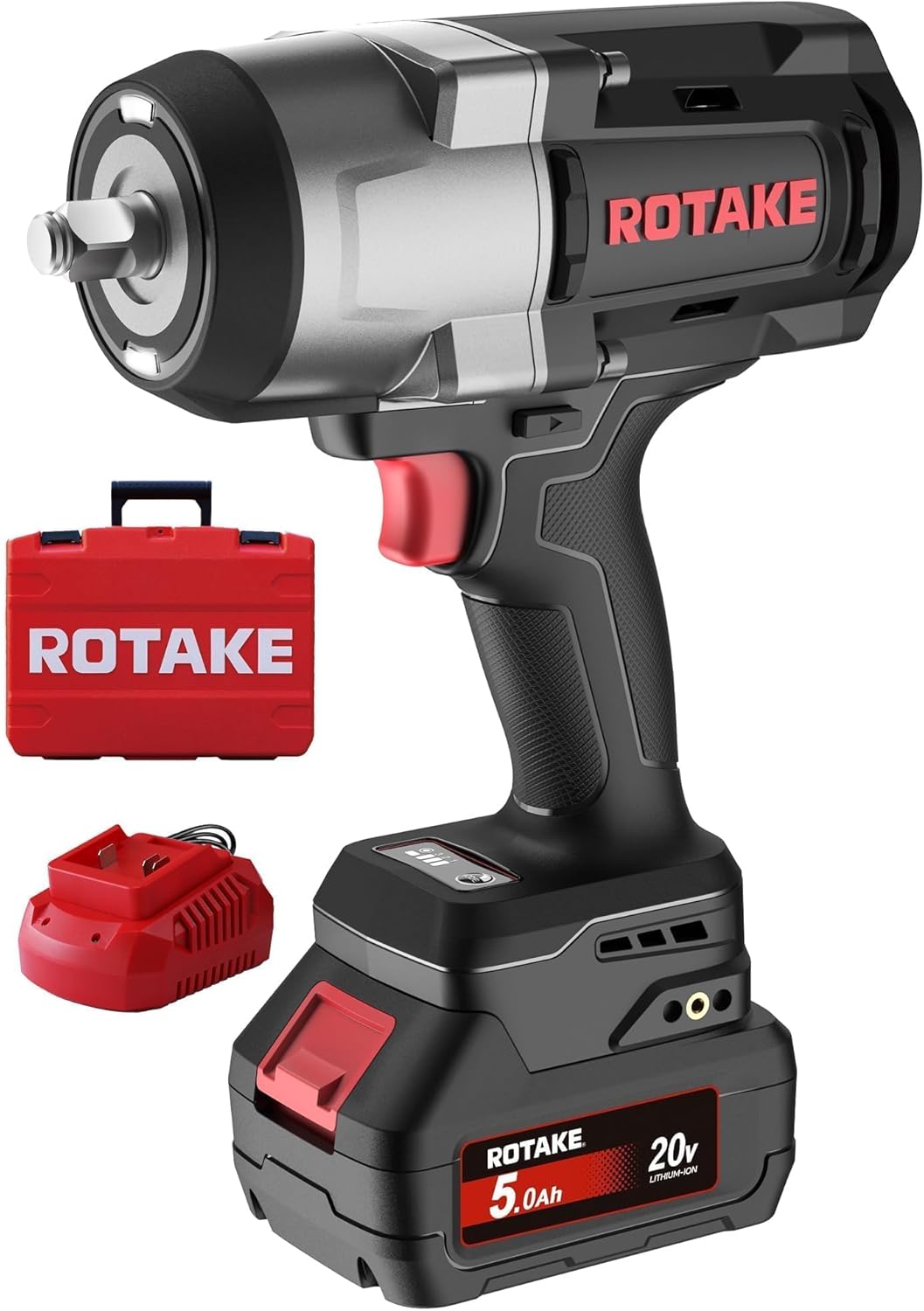
ROTAKE TB3 20V Heavy Duty 1/2" Cordless Impact Wrench Kit - 1380 Ft-Lbs Torque
$132 $219.99
36% OFF

Men's Athletic Running Shorts with Zipper Pockets - Lightweight & Quick Dry
$12.74 $19.99
61% OFF

Modern Ceiling Fan with Light and Remote - Reversible Quiet DC Motor
$69.3 $179.99
50% OFF

MOOKA H13 True HEPA Air Purifier for Home Large Room - 1076 sq ft Odor Eliminator
$39.97 $79.95
60% OFF

Ekouaer Women's Satin Silky Pajama Set - Short Sleeve Pullover Top & Wide-Leg Pants
$13.99 $34.99
55% OFF

Ekouaer 3-Piece Maternity & Nursing Pajamas Set - Short Sleeve Top with Shorts and Pants
$14.99 $32.99
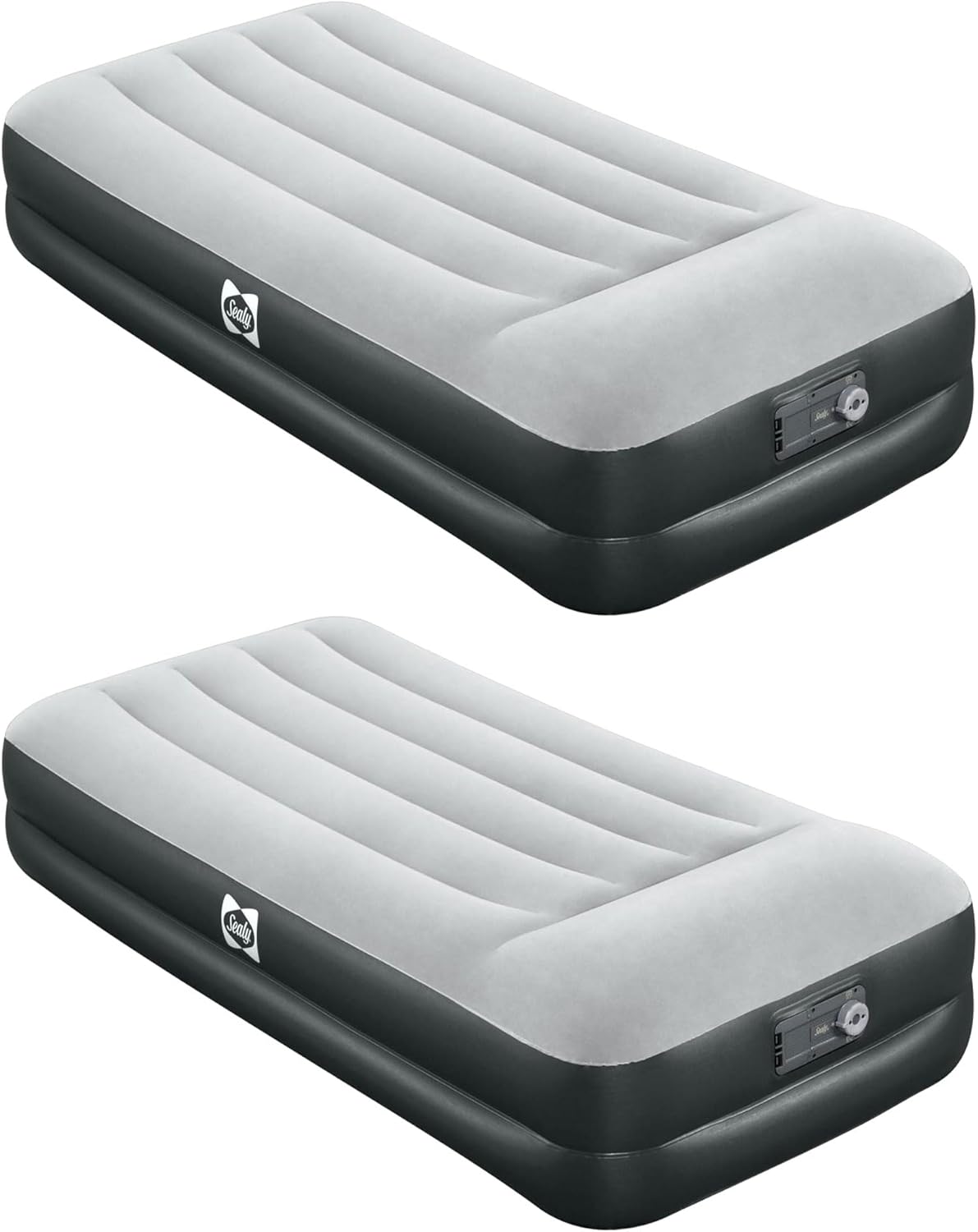
Sealy 2-Pack Tritech 16" Twin Inflatable Air Mattress with Built-in AC Pump
$0 $113.99
20% OFF

INTEX Prism Frame 20ft x 52in Above Ground Pool Set - Round Steel Frame Swimming Pool
$695.99 $869.99

Gardner Pet 43" Heavy Duty Dog Crate with Wheels - Indestructible Folding Metal Cage (Black)
$0 $149.99
12% OFF

Elegant Mid-Century Modern Bar Stools - Set of 4
$395.99 $449.99
23% OFF

Ergonomic Office Chair - Big and Tall Desk Chair with Adjustable Lumbar Support
$279.99 $363.99
26% OFF

Magnelex American Flag Windshield Sun Shade - High-Resolution UV Reflective Heat Shield (X-Large)
$19.9 $26.9
20% OFF
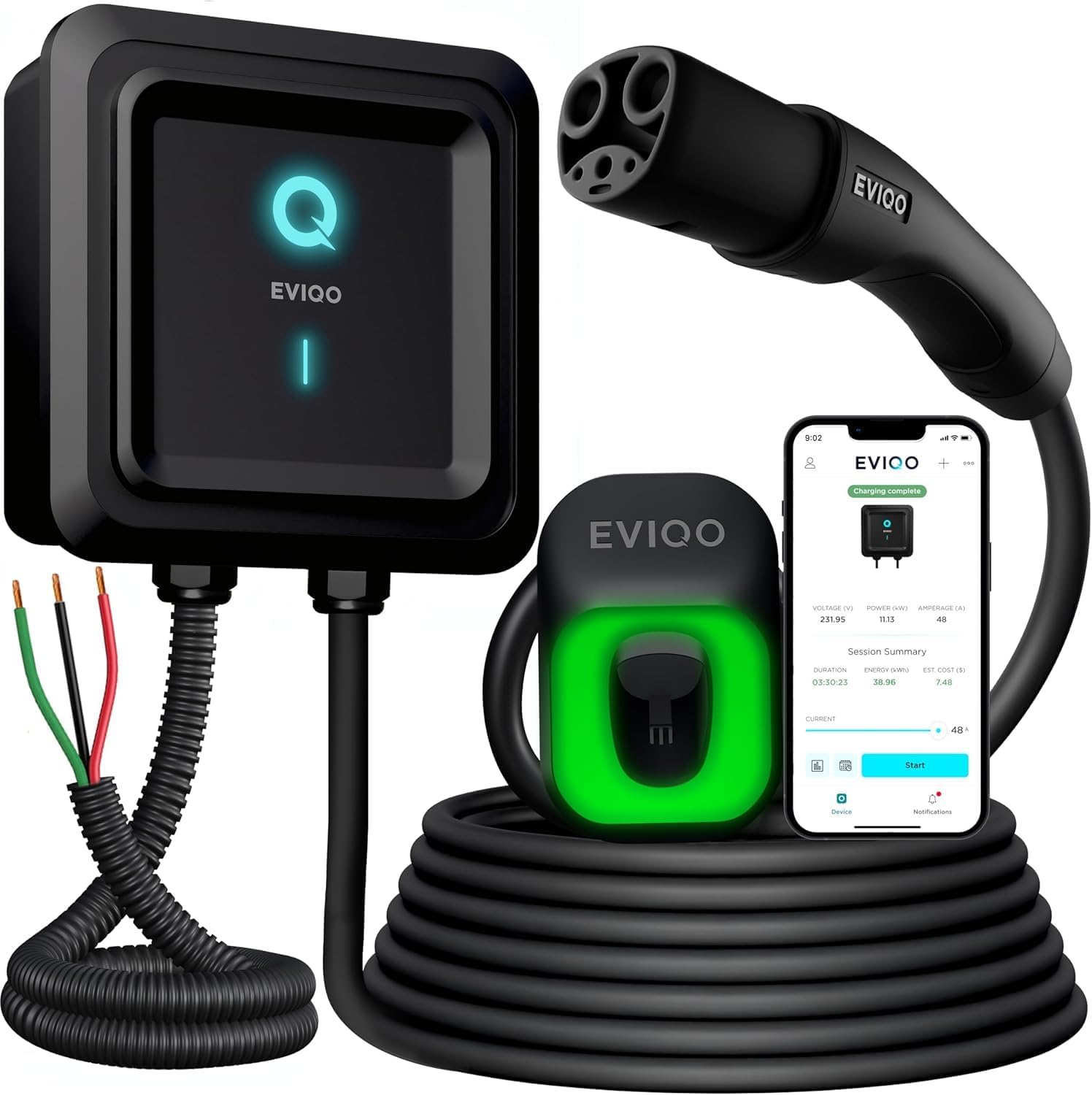
EVIQO 48 Amp NACS Level 2 EV Charger - Hardwired Smart WiFi Wall Charger for Tesla
$368.51 $458.55
50% OFF

DBFIT Air Purifier for Home Large Room
$29.99 $59.99




-
Historic Lancashire church secures £250,000 National Lottery grant for major roof repairs
-

Sunderland Minster PCC was right to push back over trans toilet sign
-

Secular group targets church over online preaching
-

Bethel Church distances itself from Todd Bentley and Mike Bickle
-

Christian police officer reaches settlement over diversity training discrimination claim
-

Christian loses case to remove LGBT symbols from workplace
Most Popular
related articles
Primate of All Ireland Urges Christians to Rebuild Trust In Northern Ireland
Primate of All Ireland Urges Christians to Rebuild Trust In Northern Ireland
Archbishop Williams to Lead Farewell Service for Robin Eames
Archbishop Williams to Lead Farewell Service for Robin Eames
Paisley: DUP Meeting 'Good and Useful Exchange of Views'
Paisley: DUP Meeting 'Good and Useful Exchange of Views'
Church of Ireland Bishops to Meet with Sinn Fein
Church of Ireland Bishops to Meet with Sinn Fein
Church of Ireland Bishops Hold Meeting with Sinn Fein
Church of Ireland Bishops Hold Meeting with Sinn Fein
News
Archbishop of Canterbury highlights benefits and risks of AI
Archbishop Sarah Mullally joined the Pope in raising concerns about AI.

Church of England more than doubles conservation grants
The significant rise in funding was attributed partly to support from the National Lottery Heritage Fund.

Male silence has helped shape UK abortion culture
“Men and abortion is an area that is even more silenced than many of the other areas connected with women and abortion, which are silenced," says bioethicist Dr Anthony McCarthy.

Diary of a CEO’s Steven Bartlett and John Lennox discuss AI, faith and the search for meaning
The Oxford professor shared fears of a “colossal power grab” as AI continues to evolve.
VitaUp Beet Root Gummies with CoQ10 & Grape Seed - Nitric Oxide Circulation Support (60 Count)
$24.91
HDPE All-Weather Adirondack Chair with Built-In Cup Holder - Tool-Free Assembly (Grey)
$69.99
HOMETUK Clear Plastic Storage Bins with Dividers - 3-Pack Stackable Acrylic Organizer Containers for Fridge and Pantry
$19.99
G Gradual Men's Fishing Shirt - UPF 50+ Lightweight Short Sleeve Button Down with Zipper Pockets
$14.99
Everyfun 60" Rectangular Platform Tree Swing - 700lbs Heavy Duty Adjustable Outdoor Swing (Colorful)
$49.99
Ekouaer Women's Casual Loose Jumpsuit - One-Piece Printed Sleeveless Wide Leg Romper with Pockets
$14.99
ROTAKE TB3 20V Heavy Duty 1/2" Cordless Impact Wrench Kit - 1380 Ft-Lbs Torque
$132
Men's Athletic Running Shorts with Zipper Pockets - Lightweight & Quick Dry
$12.74
Modern Ceiling Fan with Light and Remote - Reversible Quiet DC Motor
$69.3
MOOKA H13 True HEPA Air Purifier for Home Large Room - 1076 sq ft Odor Eliminator
$39.97
Ekouaer Women's Satin Silky Pajama Set - Short Sleeve Pullover Top & Wide-Leg Pants
$13.99
Ekouaer 3-Piece Maternity & Nursing Pajamas Set - Short Sleeve Top with Shorts and Pants
$14.99
Sealy 2-Pack Tritech 16" Twin Inflatable Air Mattress with Built-in AC Pump
$0
INTEX Prism Frame 20ft x 52in Above Ground Pool Set - Round Steel Frame Swimming Pool
$695.99
Gardner Pet 43" Heavy Duty Dog Crate with Wheels - Indestructible Folding Metal Cage (Black)
$0
Elegant Mid-Century Modern Bar Stools - Set of 4
$395.99
Ergonomic Office Chair - Big and Tall Desk Chair with Adjustable Lumbar Support
$279.99
Magnelex American Flag Windshield Sun Shade - High-Resolution UV Reflective Heat Shield (X-Large)
$19.9
EVIQO 48 Amp NACS Level 2 EV Charger - Hardwired Smart WiFi Wall Charger for Tesla
$368.51
DBFIT Air Purifier for Home Large Room
$29.99