
London is struggling to hold its ground in the global credit rout, yet powerful forces still support its emergence as the world's undisputed financial hub.
The UK capital has long dominated trade in foreign exchange, international bonds, foreign shares, and over-the-counter derivatives, while New York boasts massive domestic markets and unrivalled hedge fund and private equity assets.
Right now, London's value as a physical place to do business is tumbling because of its very reliance on financial services.
No other major global office market has seen as big or as fast a correction in the last year - from Madrid to Dubai, Mumbai to Hong Kong, and New York to Orange County - as people hired to lend money get fired.
But London's financial hegemony has grown in recent years as economic power has shifted east with the rise of Asia's mega-markets and the surge in petrodollars. That process is far from spent, despite the damage inflicted by the credit crunch.
Central London office prices have fallen by a fifth in the last year as the city's financial industry sheds a chunk of its 350,000-strong workforce.
In the City banking district, office rents are about 10 percent down on last year's peak. Sooner or later that should hit the hedge fund haunt of London's West End - the world's most expensive office location.
There is also worse to come as the UK economy flirts with recession and City landlords battle to attract tenants through a rising tide of office developments.
Luckily for London, the 2,000 year-old city has more going for it than just the towering City and Canary Wharf financial districts and cranes that dominate its skyline.
The strong euro has delivered a stream of tourists from mainland Europe and helped to keep shop tills ringing even as retail sales weaken elsewhere in the UK.
IN EXCESS
But with financial services making up one seventh of its economy, London is clearly vulnerable - and some commentators see financial services going through a period of structural, not just cyclical decline.
Many of the complex and risky financial instruments London excelled at - from structured products to over-the-counter derivatives - are threatened with greater regulation.
That could crimp a recovery in these markets, hit arbitrage trading, and dull the prospects of auxiliary services, including the lawyers employed to pore over complex documentation. Jones Lang LaSalle estimates that law firms occupy 15 percent of the office space in London.
Global investment banks with a strong presence in London may also have to downsize a lot more, having super-sized on a diet of high leverage and unleashed the mother of all credit crises.
In a note this month, Deutsche Bank strategists suggested $1.2 trillion (602 billion pounds) of profits might have to be erased for just the U.S. financial sector to be fully cured of the excesses of the previous decade. That is compared with the $350-400 billion in losses that has so far been reported by banks globally.
CONDUIT FOR CAPITAL
However, financial innovation is not going away and neither will the growing pot of savings as populations age and the global economy is transformed through the relentless rise of emerging economies, especially in Asia.
A recent report by Goldman Sachs estimated that two billion new people will join "the world middle class" by 2030 - a powerful cohort that will drive demand for financial services.
That will mean financial jobs growth shifting eastwards to the benefit of Singapore, Hong Kong, and Dubai. But it will also consolidate London's role as a conduit for capital flowing between the Americas, Middle East, and Asia.
The city's skilled workers in financial firms and support services, its pragmatic approach to regulation and its open economy will sustain its allure for companies wishing to raise capital and boost their international profiles.
London has also welcomed newer markets - such as Islamic finance, carbon trading, and property derivatives.
The very speed of its real estate correction reflects the city's market-driven nature, and could sow the seeds of recovery.
"This correction in London will be one of its strengths as a financial centre as office rents will become more competitive," said Peter Hobbs, head of global research at RREEF Alternative Investments. "And the surge of new development means that good quality space will be available at relatively low rents."
While travellers have voted Heathrow the world's least favourite airport, London's creaking infrastructure is being revamped ahead of the 2012 Olympics and it is due to gain a new east-west rail link by 2017.
As long as English remains the main foreign language taught in Asia, 15 hours separate Los Angeles and Shanghai, and New York's private equity and hedge fund industry views an office in London as indispensable, the future is still London's to lose.
11% OFF

VitaUp Beet Root Gummies with CoQ10 & Grape Seed - Nitric Oxide Circulation Support (60 Count)
$24.91 $27.91
50% OFF

HDPE All-Weather Adirondack Chair with Built-In Cup Holder - Tool-Free Assembly (Grey)
$69.99 $139.99
60% OFF

HOMETUK Clear Plastic Storage Bins with Dividers - 3-Pack Stackable Acrylic Organizer Containers for Fridge and Pantry
$19.99 $49.99
58% OFF

G Gradual Men's Fishing Shirt - UPF 50+ Lightweight Short Sleeve Button Down with Zipper Pockets
$14.99 $35.99
55% OFF

Everyfun 60" Rectangular Platform Tree Swing - 700lbs Heavy Duty Adjustable Outdoor Swing (Colorful)
$49.99 $110.99
61% OFF

Ekouaer Women's Casual Loose Jumpsuit - One-Piece Printed Sleeveless Wide Leg Romper with Pockets
$14.99 $37.99
40% OFF

ROTAKE TB3 20V Heavy Duty 1/2" Cordless Impact Wrench Kit - 1380 Ft-Lbs Torque
$132 $219.99
36% OFF

Men's Athletic Running Shorts with Zipper Pockets - Lightweight & Quick Dry
$12.74 $19.99
61% OFF

Modern Ceiling Fan with Light and Remote - Reversible Quiet DC Motor
$69.3 $179.99
50% OFF

MOOKA H13 True HEPA Air Purifier for Home Large Room - 1076 sq ft Odor Eliminator
$39.97 $79.95
60% OFF

Ekouaer Women's Satin Silky Pajama Set - Short Sleeve Pullover Top & Wide-Leg Pants
$13.99 $34.99
55% OFF

Ekouaer 3-Piece Maternity & Nursing Pajamas Set - Short Sleeve Top with Shorts and Pants
$14.99 $32.99

Sealy 2-Pack Tritech 16" Twin Inflatable Air Mattress with Built-in AC Pump
$0 $113.99
20% OFF

INTEX Prism Frame 20ft x 52in Above Ground Pool Set - Round Steel Frame Swimming Pool
$695.99 $869.99

Gardner Pet 43" Heavy Duty Dog Crate with Wheels - Indestructible Folding Metal Cage (Black)
$0 $149.99
12% OFF

Elegant Mid-Century Modern Bar Stools - Set of 4
$395.99 $449.99
23% OFF

Ergonomic Office Chair - Big and Tall Desk Chair with Adjustable Lumbar Support
$279.99 $363.99
26% OFF

Magnelex American Flag Windshield Sun Shade - High-Resolution UV Reflective Heat Shield (X-Large)
$19.9 $26.9
20% OFF
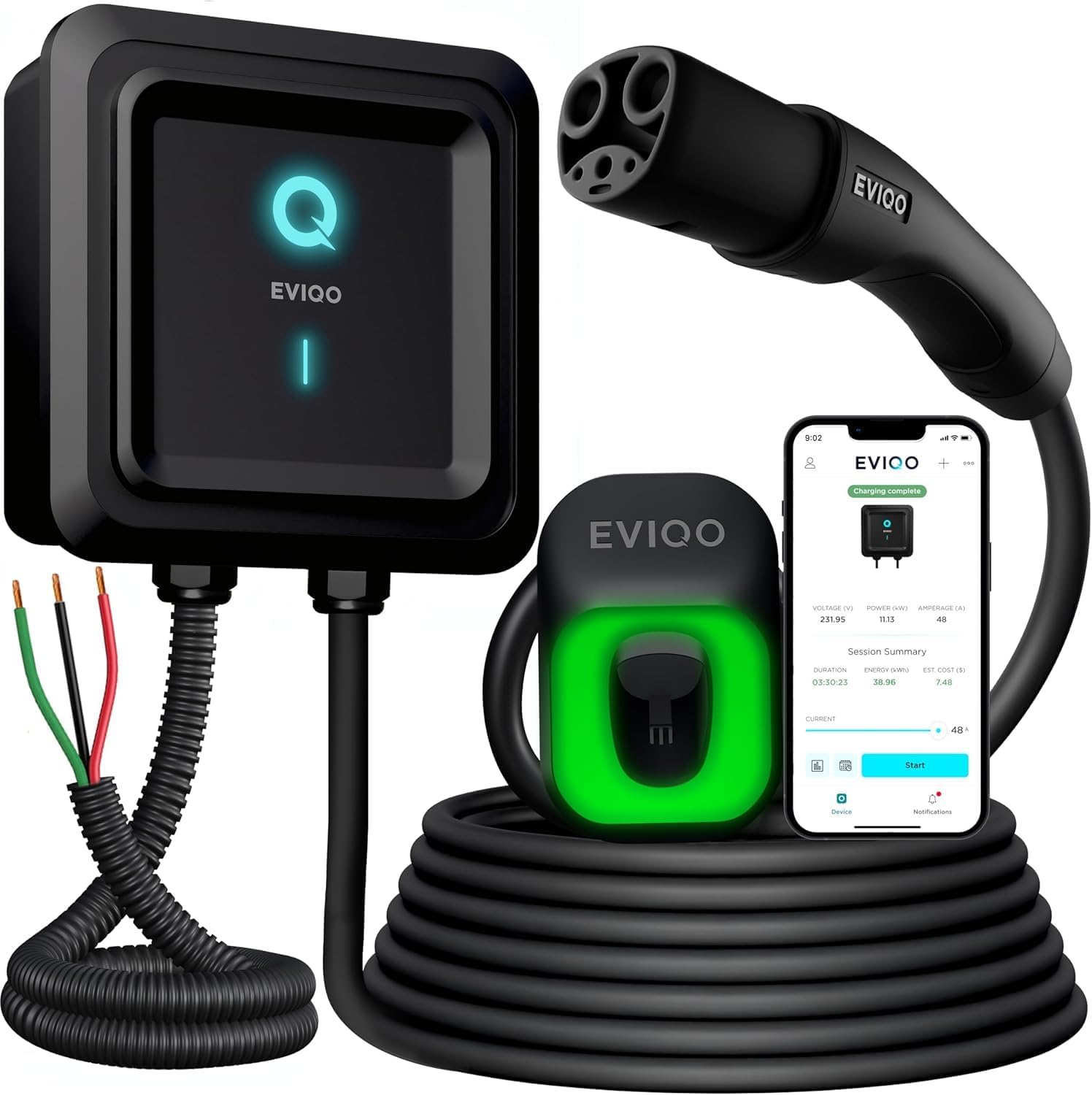
EVIQO 48 Amp NACS Level 2 EV Charger - Hardwired Smart WiFi Wall Charger for Tesla
$368.51 $458.55
50% OFF

DBFIT Air Purifier for Home Large Room
$29.99 $59.99




-

Historic Lancashire church secures £250,000 National Lottery grant for major roof repairs
-

Sunderland Minster PCC was right to push back over trans toilet sign
-

Bethel Church distances itself from Todd Bentley and Mike Bickle
-

Christian police officer reaches settlement over diversity training discrimination claim
-

Turkey's hidden Christian past: Extraordinary discoveries are rewriting the story of early Christianity
-

Washington Archdiocese parts ways with exorcist priest over UFO remarks
Most Popular
News

A Christian response to the crisis facing young people
The Church has a wonderful message of hope to share with young people increasingly feeling a sense of nihilism and hopelessness at the state of the world, writes Tim Farron.

Tributes paid to Operation Mobilisation co-founder Dale Rhoton
Tributes have been paid to Dale Rhoton, one of the co-founders of international mission organisation Operation Mobilisation (OM), after his death at the age of 88.

Doctors should work for good of the patient, not facilitate suicide, says Christian Medical Fellowship
Suicide is always a tragedy that should be resisted, the CMF suggested.

Parents play decisive role in passing faith to the next generation, study finds
Parents who actively practise and discuss their faith at home are significantly more likely to see their children remain committed Christians into adulthood, according to a major new study.
VitaUp Beet Root Gummies with CoQ10 & Grape Seed - Nitric Oxide Circulation Support (60 Count)
$24.91
HDPE All-Weather Adirondack Chair with Built-In Cup Holder - Tool-Free Assembly (Grey)
$69.99
HOMETUK Clear Plastic Storage Bins with Dividers - 3-Pack Stackable Acrylic Organizer Containers for Fridge and Pantry
$19.99
G Gradual Men's Fishing Shirt - UPF 50+ Lightweight Short Sleeve Button Down with Zipper Pockets
$14.99
Everyfun 60" Rectangular Platform Tree Swing - 700lbs Heavy Duty Adjustable Outdoor Swing (Colorful)
$49.99
Ekouaer Women's Casual Loose Jumpsuit - One-Piece Printed Sleeveless Wide Leg Romper with Pockets
$14.99
ROTAKE TB3 20V Heavy Duty 1/2" Cordless Impact Wrench Kit - 1380 Ft-Lbs Torque
$132
Men's Athletic Running Shorts with Zipper Pockets - Lightweight & Quick Dry
$12.74
Modern Ceiling Fan with Light and Remote - Reversible Quiet DC Motor
$69.3
MOOKA H13 True HEPA Air Purifier for Home Large Room - 1076 sq ft Odor Eliminator
$39.97
Ekouaer Women's Satin Silky Pajama Set - Short Sleeve Pullover Top & Wide-Leg Pants
$13.99
Ekouaer 3-Piece Maternity & Nursing Pajamas Set - Short Sleeve Top with Shorts and Pants
$14.99
Sealy 2-Pack Tritech 16" Twin Inflatable Air Mattress with Built-in AC Pump
$0
INTEX Prism Frame 20ft x 52in Above Ground Pool Set - Round Steel Frame Swimming Pool
$695.99
Gardner Pet 43" Heavy Duty Dog Crate with Wheels - Indestructible Folding Metal Cage (Black)
$0
Elegant Mid-Century Modern Bar Stools - Set of 4
$395.99
Ergonomic Office Chair - Big and Tall Desk Chair with Adjustable Lumbar Support
$279.99
Magnelex American Flag Windshield Sun Shade - High-Resolution UV Reflective Heat Shield (X-Large)
$19.9
EVIQO 48 Amp NACS Level 2 EV Charger - Hardwired Smart WiFi Wall Charger for Tesla
$368.51
DBFIT Air Purifier for Home Large Room
$29.99