
India's major cities were put on high alert on Sunday, with fears of more attacks after at least 40 people were killed in two days of bombings that hit a communally-sensitive western city and a southern IT hub
At least 16 small bombs exploded in the Indian city of Ahmedabad on Saturday, killing at least 39 people and wounding 110, a day after another set of blasts in Bangalore killed a woman.
A little known group called the "Indian Mujahideen" claimed responsibility for the Ahmedabad attack on Saturday. The same group said it carried out bombs attacks that killed 63 people in the western city of Jaipur in May.
It is unusual for any group to claim responsibility, but India says it suspects militant groups from Pakistan and Bangladesh are behind a wave of bombings in recent years, with targets ranging from mosques and Hindu temples to trains.
"The entire nation, including major metro cities in India have been put on high alert and they have been asked to step up security in vital installations," a home ministry spokesman said.
In New Delhi, police used loudspeakers and distributed leaflets in crowded market places, warning people to watch out for unclaimed baggage and suspicious objects. Police guarded Hindu temples in the eastern city of Kolkata.
There were two separate series of bombings in Ahmedadad, the first near busy market places. A second quick succession of bombs went off 20 to 25 minutes later around a hospital, where at least six people died, police said. All were detonated with timers.
"I came with my two children to cheer up my mother admitted to hospital," said Pankaj Patel, whose son Rohan and daughter Pratha were killed at Ahmedadad hospital. "They were laughing when the blast occurred. Now they are dead."
Two doctors were killed in the hospital in a blast in which at least one bomb was tied onto a gas cylinder. Charred motorcycles and bicycles were shown outside. TV showed victims writhing in pain and covered in blood on hospital floors.
The other bombs were in Ahmedabad's crowded old city dominated by its Muslim community. Many were packed into metal tiffin boxes, used to carry food, and packed with ball-bearings. Some were left on bicycles.
Police found three other unexploded bombs in Ahmedabad on Sunday, local media said.
Ahmedabad is the main city in the communally sensitive and relatively wealthy western state of Gujarat, scene of deadly riots in 2002 in which 2,500 people are thought to have died, most of them Muslims killed by rampaging Hindu mobs.
Both Ahmedabad and Bangalore are in states ruled by the Hindu-nationalist Bharatiya Janata Party and are among the country's fastest-growing.
Gujarat's Chief Minister Narendra Modi is one of India's most controversial politicians, accused of turning a blind eye to the Gujarat riots.
MUSLIM BACKLASH?
Some analysts say there is evidence of local Muslim groups, for years seen as unaffected by the rise of global Islamist militancy, of taking up violence against India, where they are a poor and often neglected minority. They may be getting training and financial backing from Pakistan or Bangladesh.
"Over the last few years, the dissatisfaction among Indian Muslims has hitched onto the wagon of the global/regional jihad," said C. Uday Bhaskar, a security analyst and former director of New Delhi's Institute for Defence Studies and Analyses.
"If you have 150 million Muslims in India, only 0.0001 percent of that figure would mean a militant nucleus of 15,000 people."
Police raided one house in Mumbai where they believe e-mails from the Indian Mujahideen were linked, local media reported.
India's home ministry said on Friday it suspected "a small militant group" was behind the Bangalore attacks, while some police officials suspected the blasts could be the work of the banned Students Islamic Movement of India.
Some IT companies in Bangalore, known as India's Silicon Valley, were increasing security after bombs went off there. Each bomb had a similar explosive force to one or two grenades.
The city is a prominent software development centre and is also home to a major outsourcing industry.
11% OFF

VitaUp Beet Root Gummies with CoQ10 & Grape Seed - Nitric Oxide Circulation Support (60 Count)
$24.91 $27.91
50% OFF

HDPE All-Weather Adirondack Chair with Built-In Cup Holder - Tool-Free Assembly (Grey)
$69.99 $139.99
60% OFF

HOMETUK Clear Plastic Storage Bins with Dividers - 3-Pack Stackable Acrylic Organizer Containers for Fridge and Pantry
$19.99 $49.99
58% OFF

G Gradual Men's Fishing Shirt - UPF 50+ Lightweight Short Sleeve Button Down with Zipper Pockets
$14.99 $35.99
55% OFF

Everyfun 60" Rectangular Platform Tree Swing - 700lbs Heavy Duty Adjustable Outdoor Swing (Colorful)
$49.99 $110.99
61% OFF

Ekouaer Women's Casual Loose Jumpsuit - One-Piece Printed Sleeveless Wide Leg Romper with Pockets
$14.99 $37.99
40% OFF
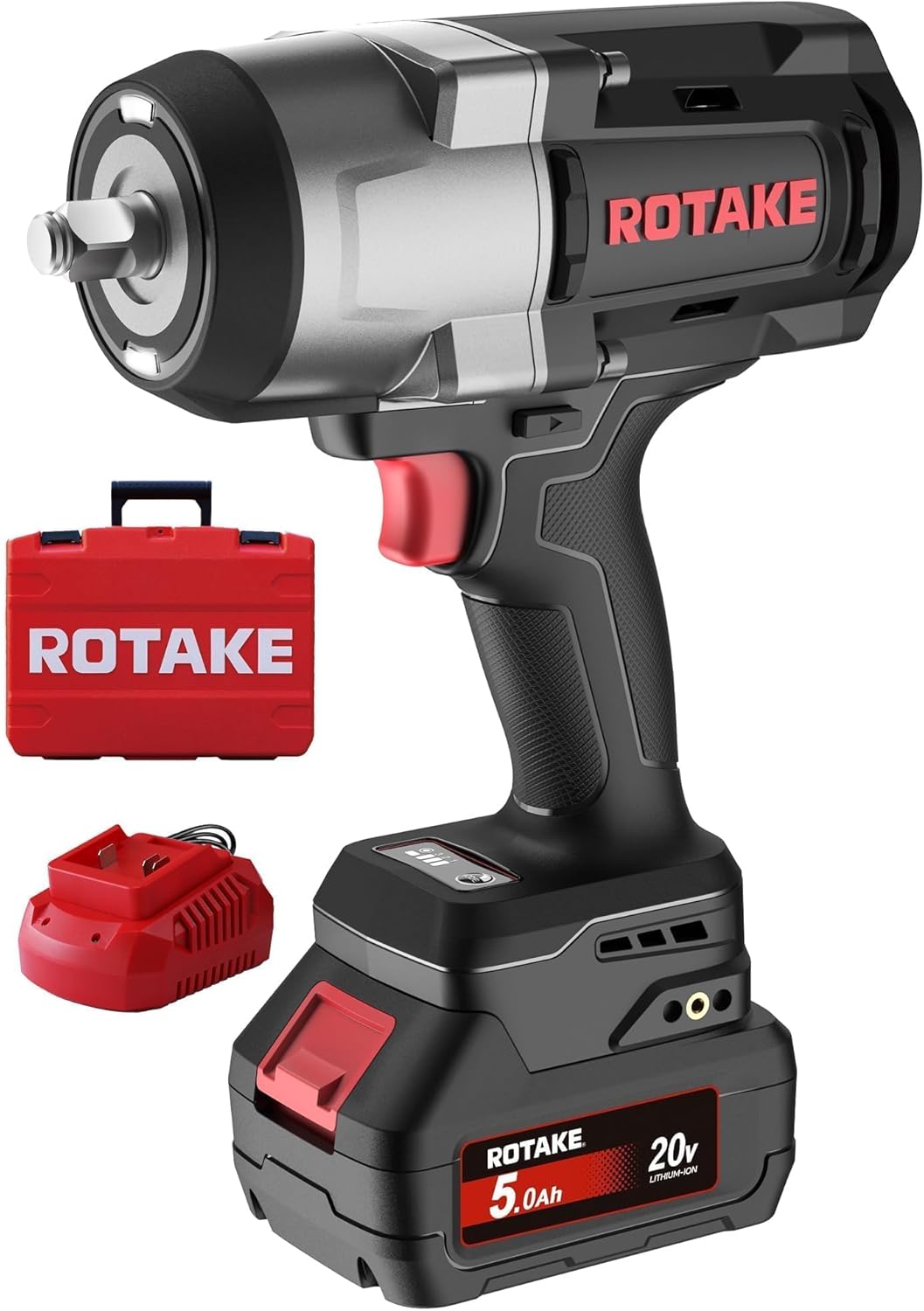
ROTAKE TB3 20V Heavy Duty 1/2" Cordless Impact Wrench Kit - 1380 Ft-Lbs Torque
$132 $219.99
36% OFF

Men's Athletic Running Shorts with Zipper Pockets - Lightweight & Quick Dry
$12.74 $19.99
61% OFF

Modern Ceiling Fan with Light and Remote - Reversible Quiet DC Motor
$69.3 $179.99
50% OFF

MOOKA H13 True HEPA Air Purifier for Home Large Room - 1076 sq ft Odor Eliminator
$39.97 $79.95
60% OFF

Ekouaer Women's Satin Silky Pajama Set - Short Sleeve Pullover Top & Wide-Leg Pants
$13.99 $34.99
55% OFF

Ekouaer 3-Piece Maternity & Nursing Pajamas Set - Short Sleeve Top with Shorts and Pants
$14.99 $32.99
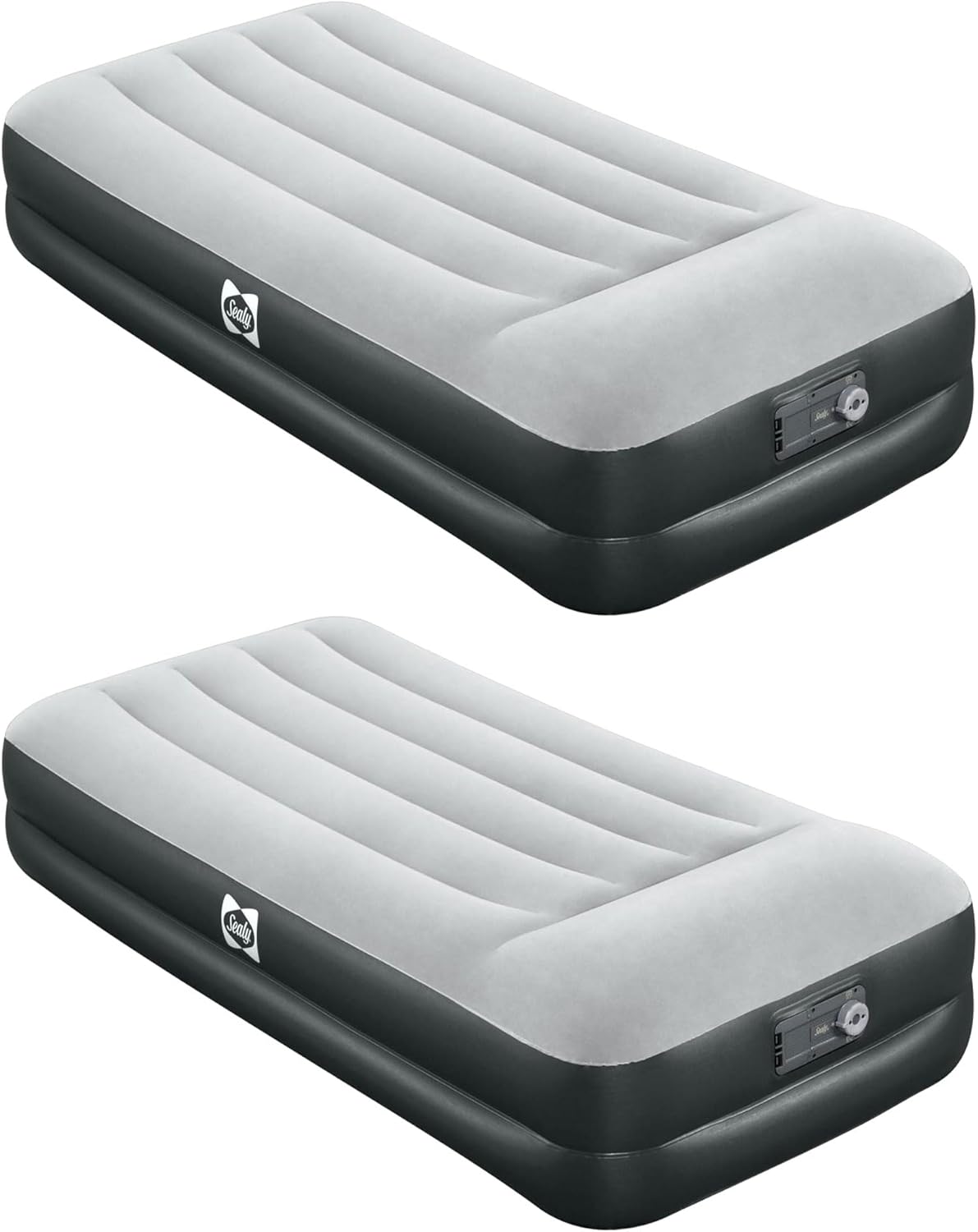
Sealy 2-Pack Tritech 16" Twin Inflatable Air Mattress with Built-in AC Pump
$0 $113.99
20% OFF

INTEX Prism Frame 20ft x 52in Above Ground Pool Set - Round Steel Frame Swimming Pool
$695.99 $869.99

Gardner Pet 43" Heavy Duty Dog Crate with Wheels - Indestructible Folding Metal Cage (Black)
$0 $149.99
12% OFF

Elegant Mid-Century Modern Bar Stools - Set of 4
$395.99 $449.99
23% OFF

Ergonomic Office Chair - Big and Tall Desk Chair with Adjustable Lumbar Support
$279.99 $363.99
26% OFF

Magnelex American Flag Windshield Sun Shade - High-Resolution UV Reflective Heat Shield (X-Large)
$19.9 $26.9
20% OFF
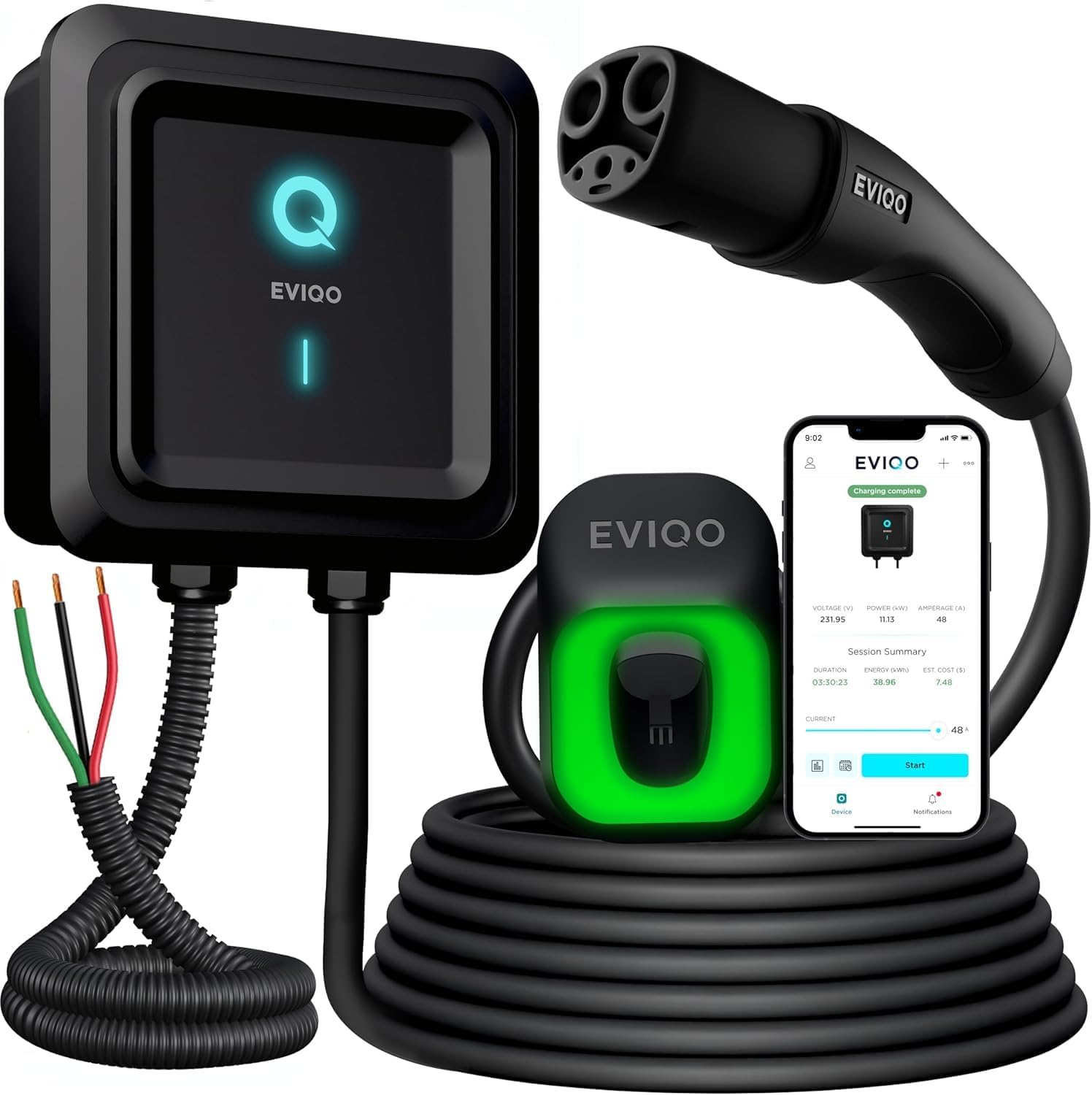
EVIQO 48 Amp NACS Level 2 EV Charger - Hardwired Smart WiFi Wall Charger for Tesla
$368.51 $458.55
50% OFF

DBFIT Air Purifier for Home Large Room
$29.99 $59.99




-

Historic Lancashire church secures £250,000 National Lottery grant for major roof repairs
-

Sunderland Minster PCC was right to push back over trans toilet sign
-

Bethel Church distances itself from Todd Bentley and Mike Bickle
-

Christian police officer reaches settlement over diversity training discrimination claim
-
Turkey's hidden Christian past: Extraordinary discoveries are rewriting the story of early Christianity
-

Washington Archdiocese parts ways with exorcist priest over UFO remarks
Most Popular
News

A Christian response to the crisis facing young people
The Church has a wonderful message of hope to share with young people increasingly feeling a sense of nihilism and hopelessness at the state of the world, writes Tim Farron.

Tributes paid to Operation Mobilisation co-founder Dale Rhoton
Tributes have been paid to Dale Rhoton, one of the co-founders of international mission organisation Operation Mobilisation (OM), after his death at the age of 88.

Doctors should work for good of the patient, not facilitate suicide, says Christian Medical Fellowship
Suicide is always a tragedy that should be resisted, the CMF suggested.

Parents play decisive role in passing faith to the next generation, study finds
Parents who actively practise and discuss their faith at home are significantly more likely to see their children remain committed Christians into adulthood, according to a major new study.
VitaUp Beet Root Gummies with CoQ10 & Grape Seed - Nitric Oxide Circulation Support (60 Count)
$24.91
HDPE All-Weather Adirondack Chair with Built-In Cup Holder - Tool-Free Assembly (Grey)
$69.99
HOMETUK Clear Plastic Storage Bins with Dividers - 3-Pack Stackable Acrylic Organizer Containers for Fridge and Pantry
$19.99
G Gradual Men's Fishing Shirt - UPF 50+ Lightweight Short Sleeve Button Down with Zipper Pockets
$14.99
Everyfun 60" Rectangular Platform Tree Swing - 700lbs Heavy Duty Adjustable Outdoor Swing (Colorful)
$49.99
Ekouaer Women's Casual Loose Jumpsuit - One-Piece Printed Sleeveless Wide Leg Romper with Pockets
$14.99
ROTAKE TB3 20V Heavy Duty 1/2" Cordless Impact Wrench Kit - 1380 Ft-Lbs Torque
$132
Men's Athletic Running Shorts with Zipper Pockets - Lightweight & Quick Dry
$12.74
Modern Ceiling Fan with Light and Remote - Reversible Quiet DC Motor
$69.3
MOOKA H13 True HEPA Air Purifier for Home Large Room - 1076 sq ft Odor Eliminator
$39.97
Ekouaer Women's Satin Silky Pajama Set - Short Sleeve Pullover Top & Wide-Leg Pants
$13.99
Ekouaer 3-Piece Maternity & Nursing Pajamas Set - Short Sleeve Top with Shorts and Pants
$14.99
Sealy 2-Pack Tritech 16" Twin Inflatable Air Mattress with Built-in AC Pump
$0
INTEX Prism Frame 20ft x 52in Above Ground Pool Set - Round Steel Frame Swimming Pool
$695.99
Gardner Pet 43" Heavy Duty Dog Crate with Wheels - Indestructible Folding Metal Cage (Black)
$0
Elegant Mid-Century Modern Bar Stools - Set of 4
$395.99
Ergonomic Office Chair - Big and Tall Desk Chair with Adjustable Lumbar Support
$279.99
Magnelex American Flag Windshield Sun Shade - High-Resolution UV Reflective Heat Shield (X-Large)
$19.9
EVIQO 48 Amp NACS Level 2 EV Charger - Hardwired Smart WiFi Wall Charger for Tesla
$368.51
DBFIT Air Purifier for Home Large Room
$29.99