
The recent horrific killings of three Bible workers in Turkey once again threw the international spotlight on religious liberty and the ongoing persecution of Christians in many countries around the world.
Christian Today spoke to Johan Candelin, head of the World Evangelical Alliance's Religious Liberty Commission, to find out more about some of the challenges facing the worldwide Christian community.
CT: Christianity is the largest religion in the world and yet there are many Christians around the world who are not able to live out their faith freely. Is the situation getting worse globally?
JC: Based on the UN Declaration of Human Rights there are at least 200 million Christians in the world who do not enjoy full religious freedom, as defined by the United Nations. I avoid the word 'persecuted' because most Christians would have an opinion about what 'persecuted' is. But in terms of those Christians who do not enjoy full religious rights as defined by the UN then they would number at least 200 million.
The church under pressure is a growing church. The church in North America is plus minus zero. It's about the same as the population growth. In Europe the church is losing members. Europe is the only part of the world where the church that is going backwards. Then we have Latin America, Africa and Asia where the church is growing very much. With a few exceptions, like Brazil and a couple of states in Central America, the church is growing under pressure.
I don't think it is growing because it is persecuted. I think it is persecuted because it is growing. We should avoid a romantic approach that says if we are persecuted then the churches would be full. I don't think that would be the case. If there is pressure on the church it will either die or grow. It will never stay the same. It is the untold story of our time.
CT: There are many regions and countries where Christians are really suffering for their faith. Is there one area in particular that is causing you the most concern?
JC: Well, I think it is only a matter of time before communism is consigned to the museum of historical movements. Dictatorships will probably stay with us for a long time. But then of course we have Islam and there is no doubt that there is a power struggle going on within Islam.
There is also a growing gap between Muslim nations and the West unfortunately. Both are afraid of the other. They are not on talking terms. They do not understand each other. And the technical superiority of the West is seen as a sort of takeover of the Muslim world. They are confused by that.
And then there is the strong anti-American feeling which I feel is stronger today than at any time in history before. That will affect Christians because they are labelled as American agents or Christianity is promoted as a Western religion.
We have nations like India, for instance, where religion is said to have been brought in by the colonialists and where the nation is trying to get back to its own roots. That will easily create a strong movement of anti-Christianity. We are seeing that now with the anti-conversion laws across nine states in India. That is growing.
So I would say that Islam and nationality are the biggest challenges.
CT: And nationalism is a big challenge in Turkey where the three Bible workers were recently murdered. What implication is that going to have for Christians living in Turkey?
JC: Well, I think what happened in Turkey was no surprise and I met with a couple of Christians a few weeks ago when I was there who said this is not the beginning of the end but the beginning of the beginning and that there will be more of this.
Turkey is very different from all other nations because for historical reasons Turkey has a very split identity. You have one part promoting Islam but then you have another part which is very strongly nationalist. And then in the middle you have a group of very Western-minded Turks who would love to see Turkey join the European Union. So there is a fight within Turkey for the mind of the new generation and it would be interesting to see who will come out as the winners.
But the losers are the Christians because they are targeted. The ugly word in Turkey is 'missionary activity'. When you ask them how they understand that, they say it means an agent for a foreign country who is paid by that nation to split the Turkish nation. They don't see it in religious terms at all, as we do, but in completely political terms.
But if Turkey joins the European Union then it will surely have an effect on other nations with a Muslim majority. It could be a prototype for a new kind of partnership. But it is a long way to the European Union for Turkey.
CT: Researchers are predicting that the Muslim population in Europe will overtake the Christian population within a few decades. Do you expect that to result in more persecution for Christians in Europe?
JC: It is clear that the Muslim population is growing much more than the Christian population. It is possible that there will be a Christian wake-up movement. But I don't think Europe will be a context where Muslims will persecute Christians.
However, I think that in Europe there is already a movement where secular fundamentalists are trying to violate the religious freedom of Christians and they are doing it in a very tricky way. They are saying that you cannot as a Christian quote the Bible and say something that someone else will be offended by. And that is like drawing a line in the water because anyone can be offended by anything. The law must be based on what has actually been said and written.
Christians should of course support any denial of hate speech but if you quote the Bible on a question related to homosexuality and so-called same-gender marriages then homosexuals can say we feel offended and take Christians to court and that is a violation as I see it of both the freedom of expression and of the freedom of religion.
That is coming very fast now in countries like France, Sweden and the UK and that is deeply concerning. The result is that very often Christians are just quiet and that is very dangerous not to oppose it any way because if we are quiet they will go a step further.
Persecution grows in three steps. It starts with disinformation and negative information about Christians. Then it goes to discrimination because Christians are bad people and can't have certain posts in the army or as teachers and then it goes to persecution.
You can easily see this around the world. When the media starts to demonise Christians then you know what is coming up. It's a sort of brainwashing. A lot of secular media is trying to do that against Bible-believing Christians.
Christians who have no morals at all are not targeted because they are not dangerous to secularists. It is the believers who are really dangerous to secularist fundamentalism.
CT: Is that changing the nature of your work within Europe?
JC: The European Evangelical Alliance is doing good work from Brussels and the European Union and they are doing what they can. Secularisation is really a strong trend in the western parts of Europe.
The new thing of course is that the countries from the east that have joined the European Union, the countries with a strong Catholic tradition will play an interesting role in the future.
I think in the future it's actually the Catholic Church in Europe that will be the strong voice for the Christian faith and the Bible while the Protestants are very split and very weak and we are unfortunately very quiet.
CT: Looking to the future and to regions like the Holy Land or countries like Iraq, is there a chance of these areas re-populating with Christians?
JC: No. I think that the war in Iraq has created the biggest movement of people in the Middle East since the establishment of the state of Israel in 1948. And I think there is no turning back. I think Iraq is a lost area for Christians and I think Christianity is a lost treasure for Iraq - unfortunately. I do not see democracy in Iraq for the next 20 or 30 years. In fact I think there will be democracy in Iran before there is democracy in Iraq.
CT: What is the Religious Liberty Commission going to focus on now?
JC: I think there are several areas where we have to concentrate our work. One will be to build good relations with groups and people inside the Muslim world who do not approve of radical Islam. A second thing will be to promote the religious freedom of Muslims in Europe. There are many attacks against Muslims every year, in Germany for instance. We need to speak for them and that is not easy for evangelicals because we love to only speak about ourselves.
A third thing will be to activate our work at the United Nations because that is a strong platform to speak for religious freedom for all. We want religious freedom for all, not only for Christians. The fourth thing will be to continue to work on individual cases, where Christians are about to be tortured or imprisoned or killed. We need to ring the alarm bells to see what we can do to protect them.
11% OFF
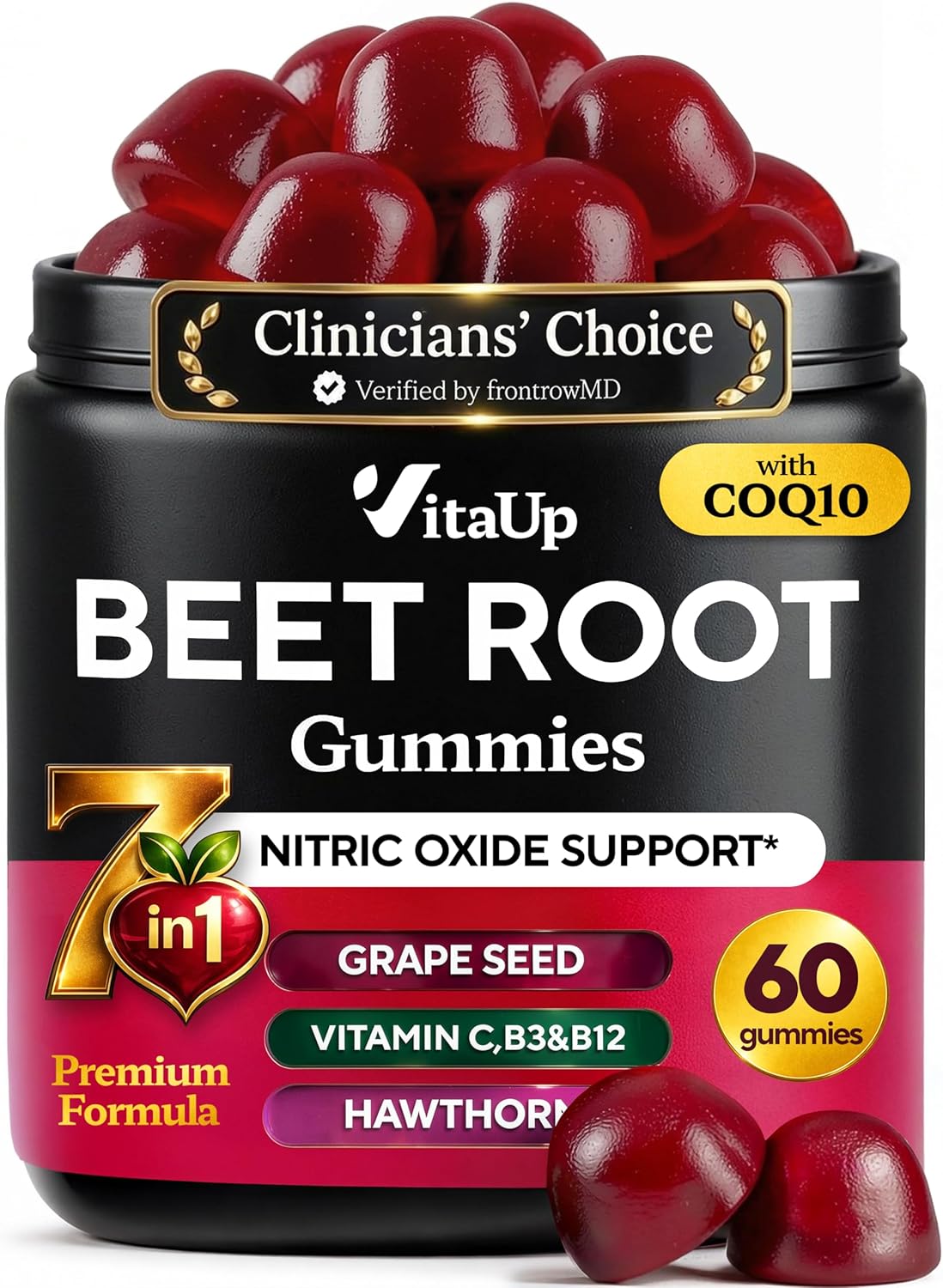
VitaUp Beet Root Gummies with CoQ10 & Grape Seed - Nitric Oxide Circulation Support (60 Count)
$24.91 $27.91
50% OFF

HDPE All-Weather Adirondack Chair with Built-In Cup Holder - Tool-Free Assembly (Grey)
$69.99 $139.99
60% OFF

HOMETUK Clear Plastic Storage Bins with Dividers - 3-Pack Stackable Acrylic Organizer Containers for Fridge and Pantry
$19.99 $49.99
58% OFF
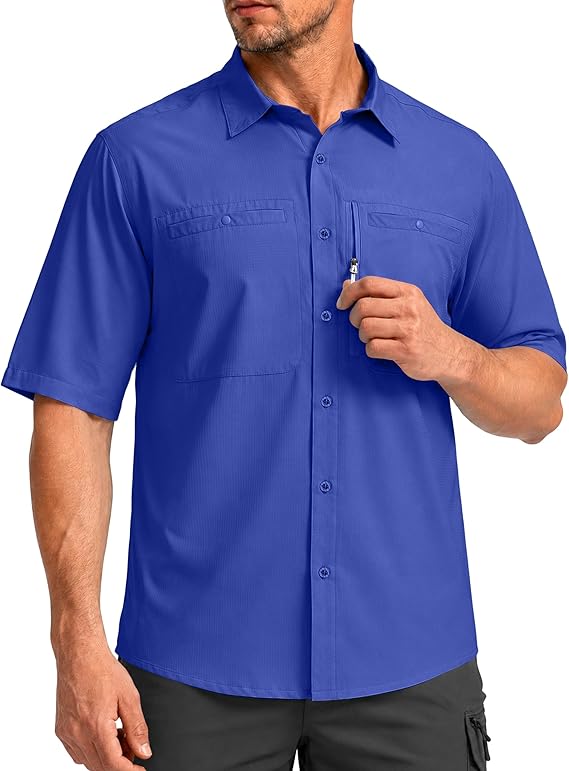
G Gradual Men's Fishing Shirt - UPF 50+ Lightweight Short Sleeve Button Down with Zipper Pockets
$14.99 $35.99
55% OFF
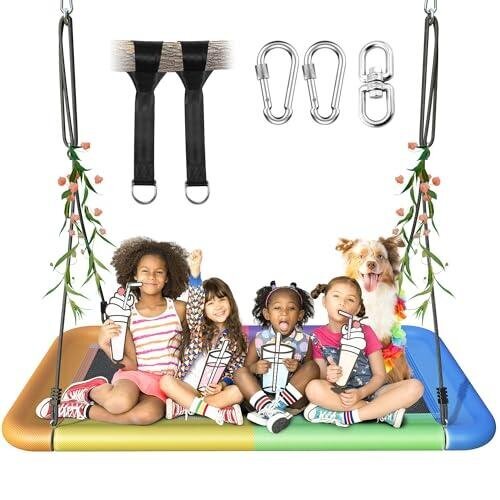
Everyfun 60" Rectangular Platform Tree Swing - 700lbs Heavy Duty Adjustable Outdoor Swing (Colorful)
$49.99 $110.99
61% OFF
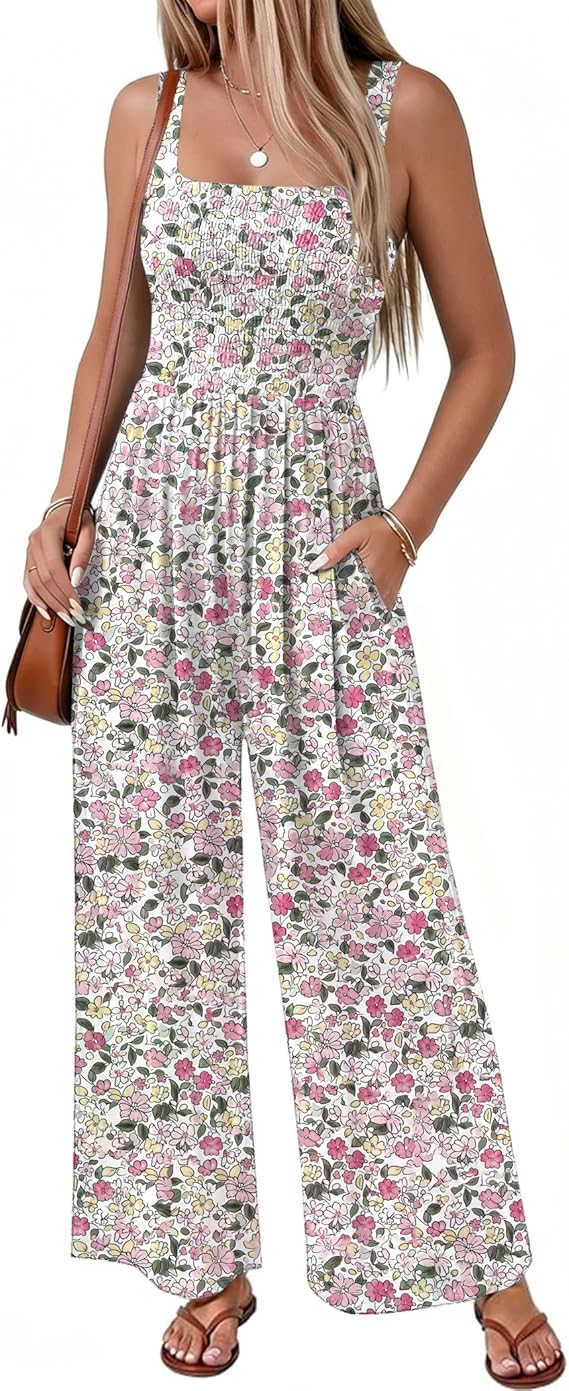
Ekouaer Women's Casual Loose Jumpsuit - One-Piece Printed Sleeveless Wide Leg Romper with Pockets
$14.99 $37.99
40% OFF
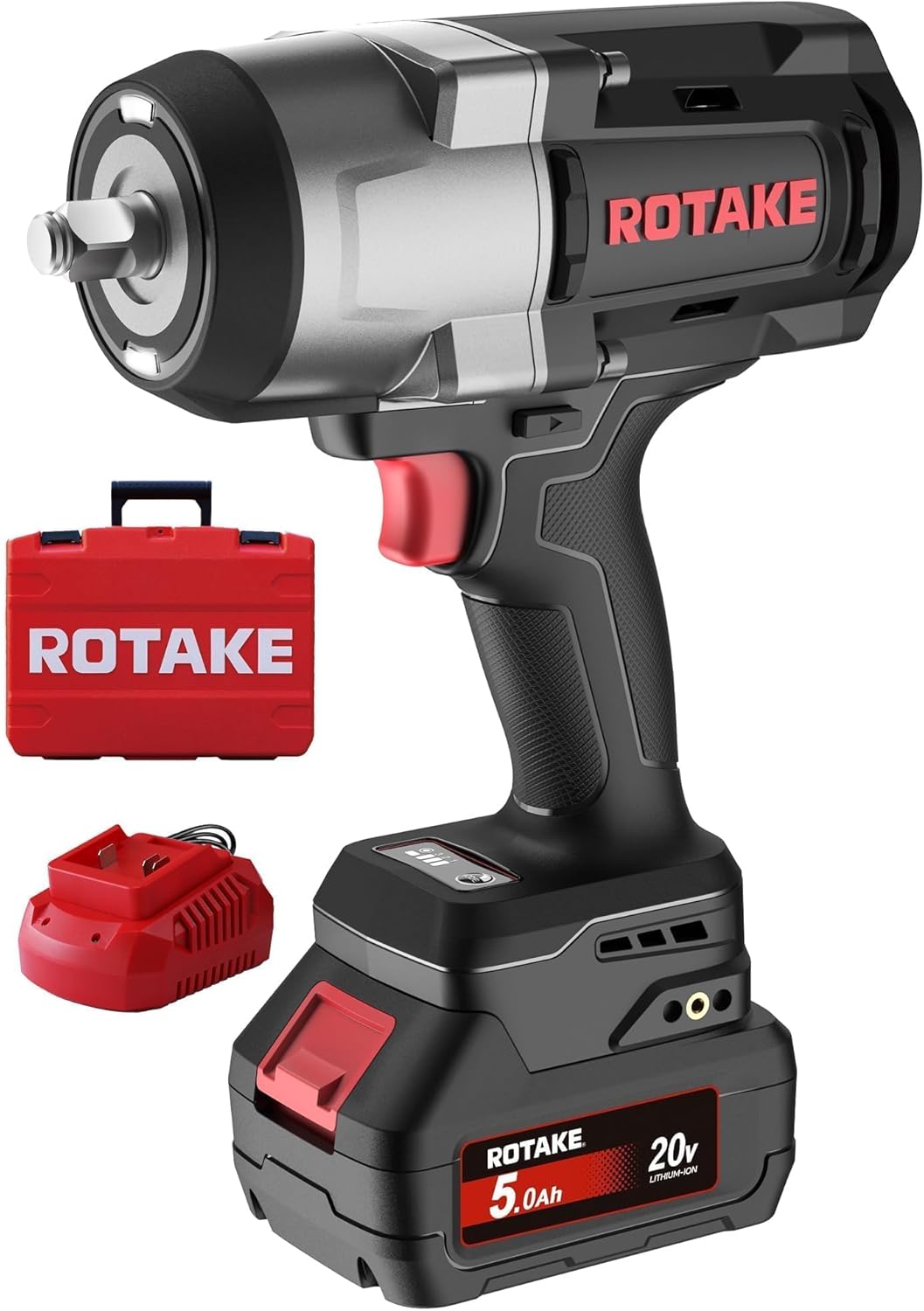
ROTAKE TB3 20V Heavy Duty 1/2" Cordless Impact Wrench Kit - 1380 Ft-Lbs Torque
$132 $219.99
36% OFF
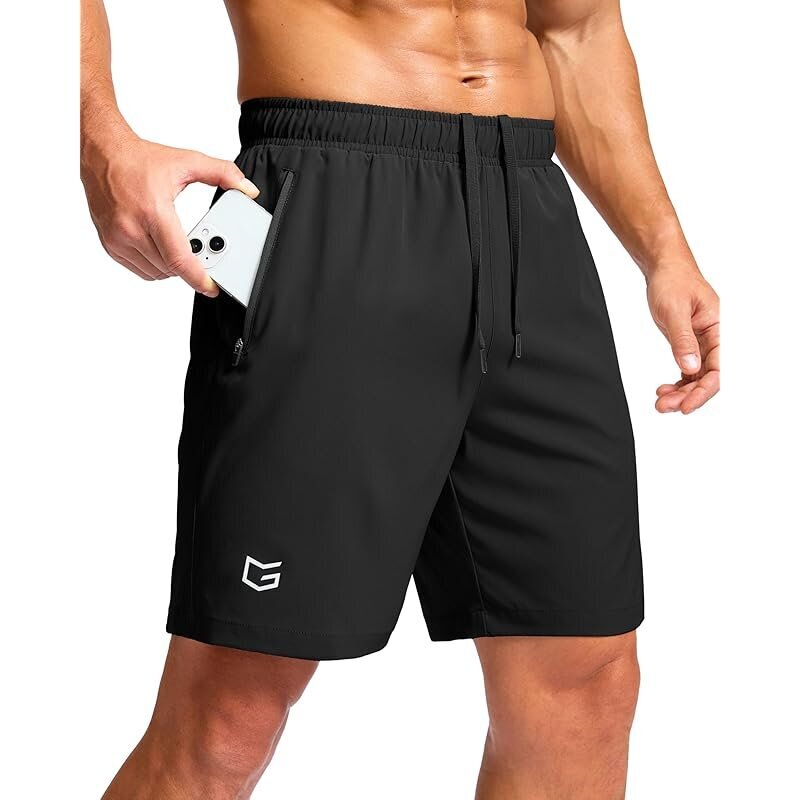
Men's Athletic Running Shorts with Zipper Pockets - Lightweight & Quick Dry
$12.74 $19.99
61% OFF
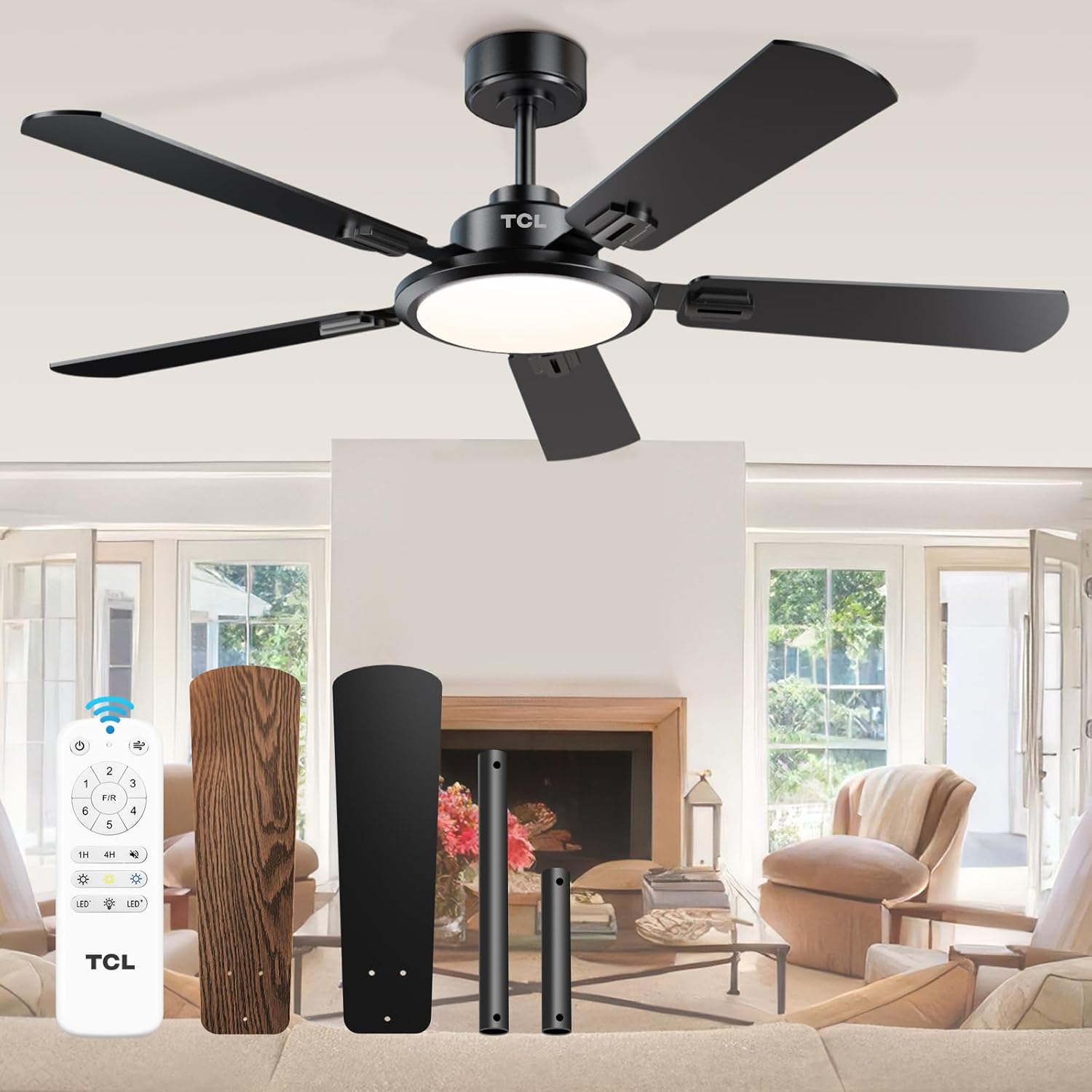
Modern Ceiling Fan with Light and Remote - Reversible Quiet DC Motor
$69.3 $179.99
50% OFF
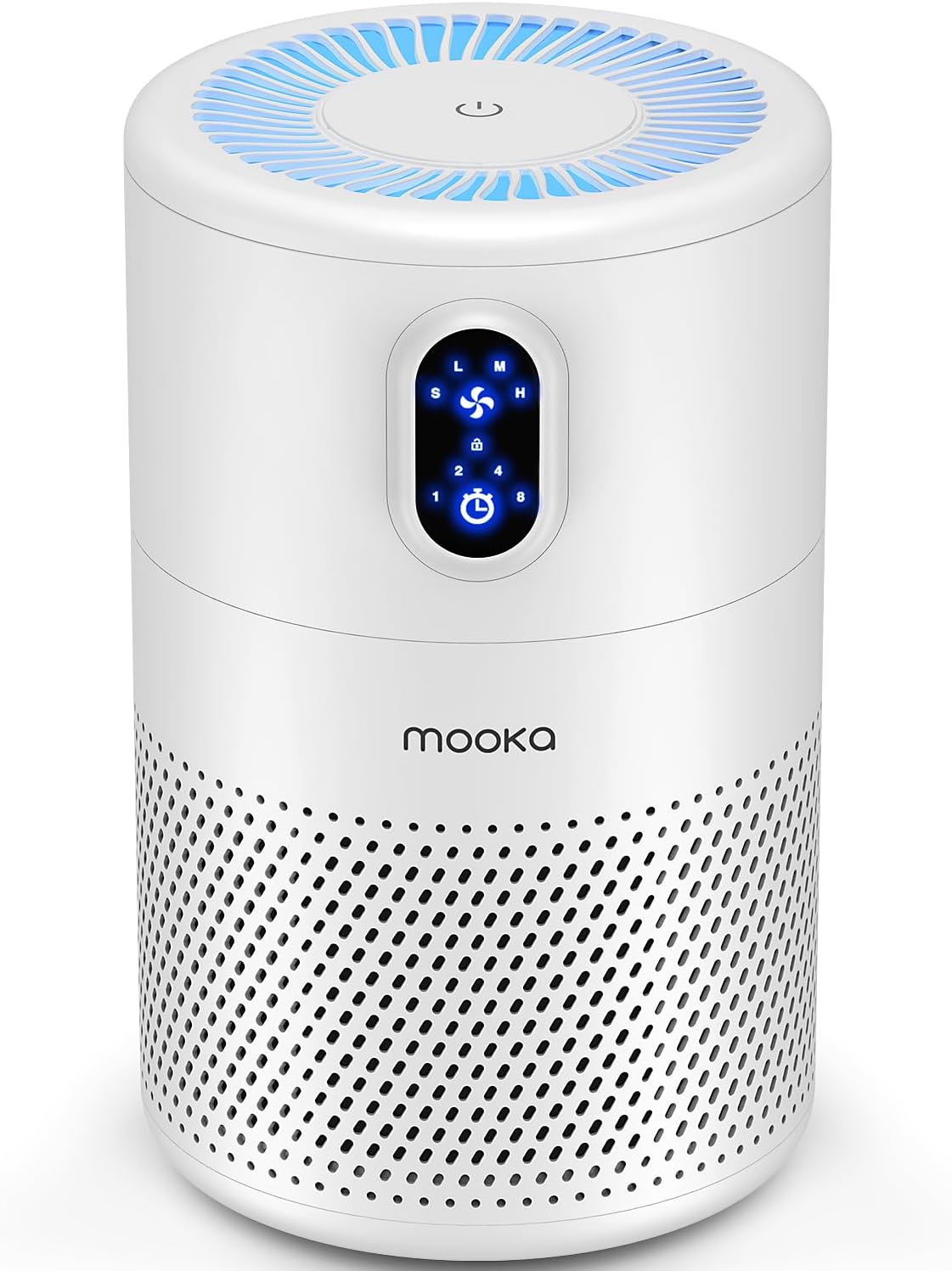
MOOKA H13 True HEPA Air Purifier for Home Large Room - 1076 sq ft Odor Eliminator
$39.97 $79.95
60% OFF

Ekouaer Women's Satin Silky Pajama Set - Short Sleeve Pullover Top & Wide-Leg Pants
$13.99 $34.99
55% OFF

Ekouaer 3-Piece Maternity & Nursing Pajamas Set - Short Sleeve Top with Shorts and Pants
$14.99 $32.99
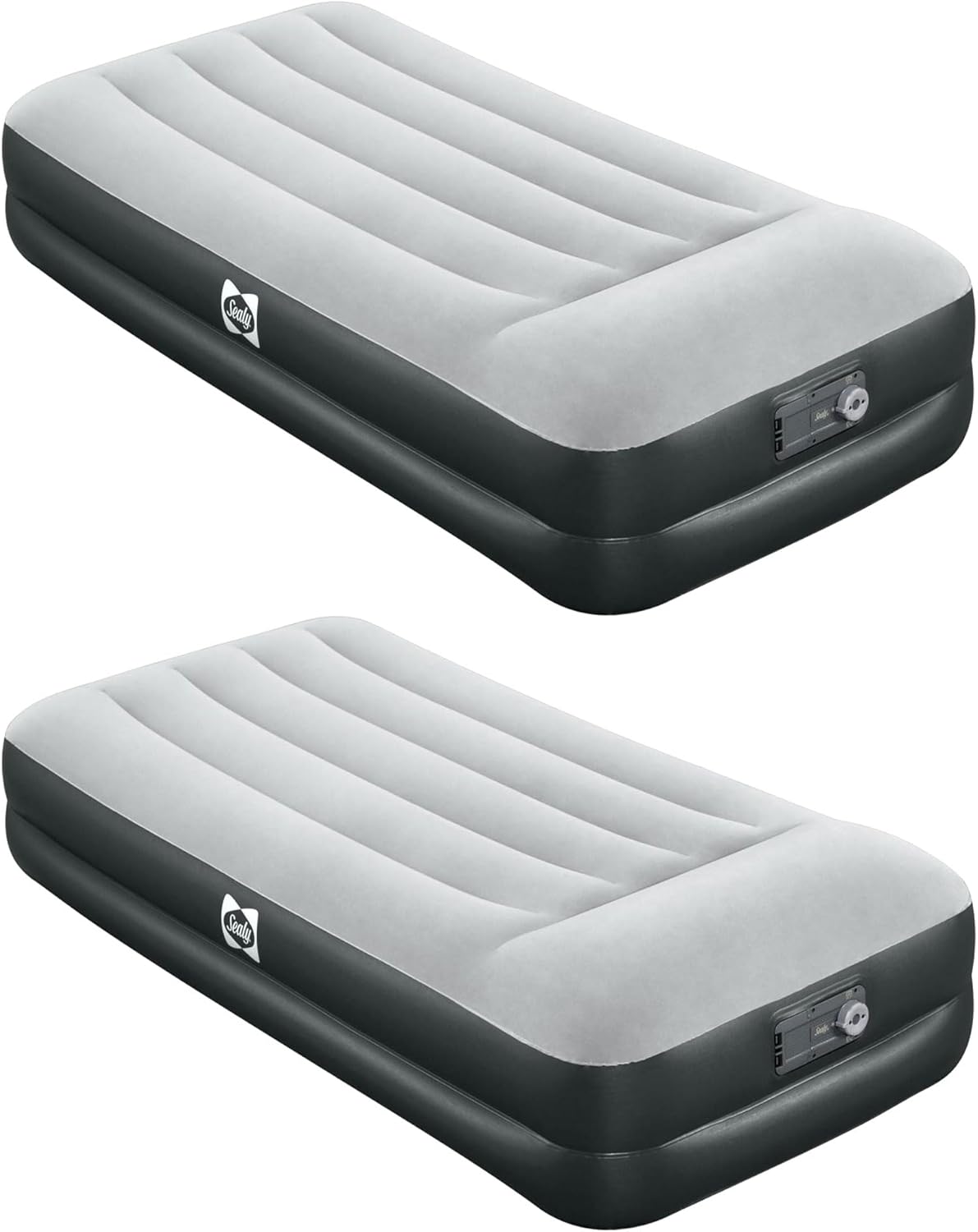
Sealy 2-Pack Tritech 16" Twin Inflatable Air Mattress with Built-in AC Pump
$0 $113.99
20% OFF
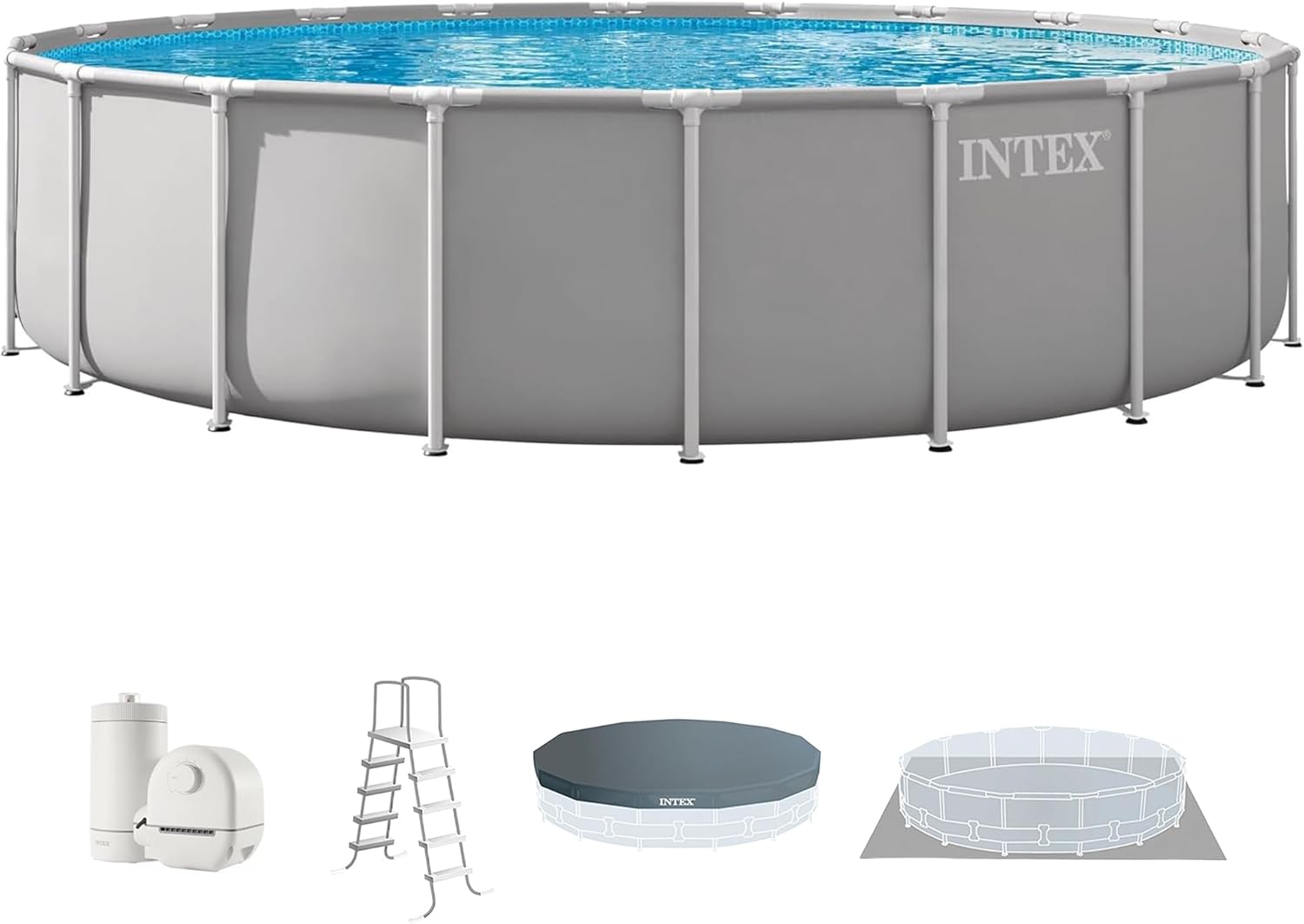
INTEX Prism Frame 20ft x 52in Above Ground Pool Set - Round Steel Frame Swimming Pool
$695.99 $869.99

Gardner Pet 43" Heavy Duty Dog Crate with Wheels - Indestructible Folding Metal Cage (Black)
$0 $149.99
12% OFF

Elegant Mid-Century Modern Bar Stools - Set of 4
$395.99 $449.99
23% OFF

Ergonomic Office Chair - Big and Tall Desk Chair with Adjustable Lumbar Support
$279.99 $363.99
26% OFF

Magnelex American Flag Windshield Sun Shade - High-Resolution UV Reflective Heat Shield (X-Large)
$19.9 $26.9
20% OFF

EVIQO 48 Amp NACS Level 2 EV Charger - Hardwired Smart WiFi Wall Charger for Tesla
$368.51 $458.55
50% OFF

DBFIT Air Purifier for Home Large Room
$29.99 $59.99



-
Historic Lancashire church secures £250,000 National Lottery grant for major roof repairs
-
Sunderland Minster PCC was right to push back over trans toilet sign
-
Secular group targets church over online preaching
-

Bethel Church distances itself from Todd Bentley and Mike Bickle
-

Christian police officer reaches settlement over diversity training discrimination claim
-

Christian loses case to remove LGBT symbols from workplace
Most Popular
News
Archbishop of Canterbury highlights benefits and risks of AI
Archbishop Sarah Mullally joined the Pope in raising concerns about AI.
Church of England more than doubles conservation grants
The significant rise in funding was attributed partly to support from the National Lottery Heritage Fund.

Male silence has helped shape UK abortion culture
“Men and abortion is an area that is even more silenced than many of the other areas connected with women and abortion, which are silenced," says bioethicist Dr Anthony McCarthy.
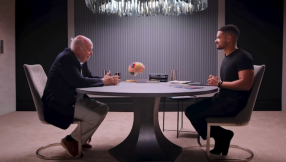
Diary of a CEO’s Steven Bartlett and John Lennox discuss AI, faith and the search for meaning
The Oxford professor shared fears of a “colossal power grab” as AI continues to evolve.
VitaUp Beet Root Gummies with CoQ10 & Grape Seed - Nitric Oxide Circulation Support (60 Count)
$24.91
HDPE All-Weather Adirondack Chair with Built-In Cup Holder - Tool-Free Assembly (Grey)
$69.99
HOMETUK Clear Plastic Storage Bins with Dividers - 3-Pack Stackable Acrylic Organizer Containers for Fridge and Pantry
$19.99
G Gradual Men's Fishing Shirt - UPF 50+ Lightweight Short Sleeve Button Down with Zipper Pockets
$14.99
Everyfun 60" Rectangular Platform Tree Swing - 700lbs Heavy Duty Adjustable Outdoor Swing (Colorful)
$49.99
Ekouaer Women's Casual Loose Jumpsuit - One-Piece Printed Sleeveless Wide Leg Romper with Pockets
$14.99
ROTAKE TB3 20V Heavy Duty 1/2" Cordless Impact Wrench Kit - 1380 Ft-Lbs Torque
$132
Men's Athletic Running Shorts with Zipper Pockets - Lightweight & Quick Dry
$12.74
Modern Ceiling Fan with Light and Remote - Reversible Quiet DC Motor
$69.3
MOOKA H13 True HEPA Air Purifier for Home Large Room - 1076 sq ft Odor Eliminator
$39.97
Ekouaer Women's Satin Silky Pajama Set - Short Sleeve Pullover Top & Wide-Leg Pants
$13.99
Ekouaer 3-Piece Maternity & Nursing Pajamas Set - Short Sleeve Top with Shorts and Pants
$14.99
Sealy 2-Pack Tritech 16" Twin Inflatable Air Mattress with Built-in AC Pump
$0
INTEX Prism Frame 20ft x 52in Above Ground Pool Set - Round Steel Frame Swimming Pool
$695.99
Gardner Pet 43" Heavy Duty Dog Crate with Wheels - Indestructible Folding Metal Cage (Black)
$0
Elegant Mid-Century Modern Bar Stools - Set of 4
$395.99
Ergonomic Office Chair - Big and Tall Desk Chair with Adjustable Lumbar Support
$279.99
Magnelex American Flag Windshield Sun Shade - High-Resolution UV Reflective Heat Shield (X-Large)
$19.9
EVIQO 48 Amp NACS Level 2 EV Charger - Hardwired Smart WiFi Wall Charger for Tesla
$368.51
DBFIT Air Purifier for Home Large Room
$29.99