
Guantanamo Bay prisoners can go before U.S. federal judges to challenge their years-long detention, the Supreme Court ruled on Thursday in a landmark decision that delivered a stinging setback for President George W. Bush's policies.
By a 5-4 vote, the nation's highest court struck down the law Bush pushed through the Republican-led Congress in 2006 that took away the habeas corpus rights of the terrorism suspects to seek full judicial review of their detention.
"We'll abide by the court's decision. That doesn't mean I have to agree with it," Bush told a news conference in Rome, where he was on a weeklong European visit. "We'll study this opinion and we'll do so ... to determine whether or not additional legislation might be appropriate."
In its fourth major ruling rejecting the administration's war-on-terrorism arguments, the Supreme Court restored the detainees' rights under habeas corpus, a long-standing legal principle by which people can challenge their imprisonment.
"The laws and Constitution are designed to survive, and remain in force, in extraordinary times. Liberty and security can be reconciled; and in our system they are reconciled within the framework of the law," Justice Anthony Kennedy wrote in the court's 70-page majority opinion.
Some detainees have been held for six years, without any definitive judicial determination of their detention, he said, adding the war on terrorism, which began Sept 11, 2001, has already become among the longest wars in American history.
Kennedy said Congress had failed to create an adequate alternative for the prisoners held at the U.S. military base in Cuba to contest their detention.
The 2006 law allowed for only a limited review by a U.S. appeals court in Washington of the military's designation of the prisoners as "enemy combatants."
Kennedy said the court's ruling did not address whether Bush has the power to detain the prisoners. He said this and other questions on the legality of their detention must be resolved by the federal judges. The detainees are entitled to prompt hearings, he said.
Chief Justice John Roberts in dissent wrote that the American people "lost a bit more control over the conduct of this nation's foreign policy to unelected, politically unaccountable judges."
And Justice Antonin Scalia wrote of the ruling, "Most tragically it sets our military commanders the impossible task of proving in a civilian court ... that evidence supports the confinement of each and every prisoner."
Amnesty International, which has campaigned for the prisoners' rights, welcomed the ruling.
"The Supreme Court did the right thing. Everyone has the right to challenge why they're being thrown in prison, to hear the charges against them and to answer to that," said Dalia Hashad, the group's domestic human rights program director.
REPUDIATES BUSH'S POLICY
"Today's decision forcefully repudiates the essential lawlessness of the Bush administration's failed Guantanamo policy," said Steven Shapiro of the American Civil Liberties Union.
The majority consisted of the court's four liberals - Justices John Paul Stevens, David Souter, Ruth Bader Ginsburg and Stephen Breyer, plus the moderate conservative Kennedy, who often casts the decisive vote.
The four conservative dissenters were Roberts and Justice Samuel Alito, both appointed by Bush, and Justices Scalia and Clarence Thomas.
The high court has ruled against the administration in two previous Guantanamo cases and in one other terrorism case.
Congress adopted new measures including the 2006 law aimed at keeping such cases out of court by stripping the prisoners of their habeas corpus rights under federal law.
The ruling marked the first time the court held that the Guantanamo prisoners have those rights under the U.S. Constitution.
Kennedy said the prisoners do not lose their right of habeas corpus review just because they are designated enemy combatants or because they are held at Guantanamo, which is outside U.S. territory.
The Guantanamo prison opened in January 2002 after the administration launched what Bush called a "war on terrorism" in response to the September 11 attacks.
"The entire basis for the existence of Guantanamo Bay is gone," said Navy Lt. Cmdr. Brian Mizer, a military lawyer assigned to defend Osama bin Laden's driver, Salim Hamdan, in the Guantanamo tribunals.
"It's a victory for all Americans because it reinforces the principle that no person or agency is above the law."
There now are about 270 prisoners at Guantanamo. Most have been held for years without being charged and many have complained of abuse.
Bush has acknowledged the prison's damage to the U.S. image and has said he would like to see it closed eventually. Both the Democratic presidential candidate Barack Obama and his Republican rival, Sen. John McCain, have pledged to close it.
McCain told reporters in Boston he was concerned about the decision. "These are unlawful combatants. They are not American citizens," he said. "But it is a decision the Supreme Court has made. Now we need to move forward."
Obama, while campaigning in Wisconsin, said in a statement the decision "is a rejection of the Bush administration's attempt to create a legal black hole at Guantanamo - yet another failed policy supported by John McCain."
The chief judge of the U.S. District Court in Washington, Royce Lamberth, said the court's judges would meet to consider how to proceed with the Guantanamo detainee cases in light of the ruling. There are nearly 200 Guantanamo cases before the court.
11% OFF

VitaUp Beet Root Gummies with CoQ10 & Grape Seed - Nitric Oxide Circulation Support (60 Count)
$24.91 $27.91
50% OFF

HDPE All-Weather Adirondack Chair with Built-In Cup Holder - Tool-Free Assembly (Grey)
$69.99 $139.99
60% OFF

HOMETUK Clear Plastic Storage Bins with Dividers - 3-Pack Stackable Acrylic Organizer Containers for Fridge and Pantry
$19.99 $49.99
58% OFF

G Gradual Men's Fishing Shirt - UPF 50+ Lightweight Short Sleeve Button Down with Zipper Pockets
$14.99 $35.99
55% OFF

Everyfun 60" Rectangular Platform Tree Swing - 700lbs Heavy Duty Adjustable Outdoor Swing (Colorful)
$49.99 $110.99
61% OFF

Ekouaer Women's Casual Loose Jumpsuit - One-Piece Printed Sleeveless Wide Leg Romper with Pockets
$14.99 $37.99
40% OFF
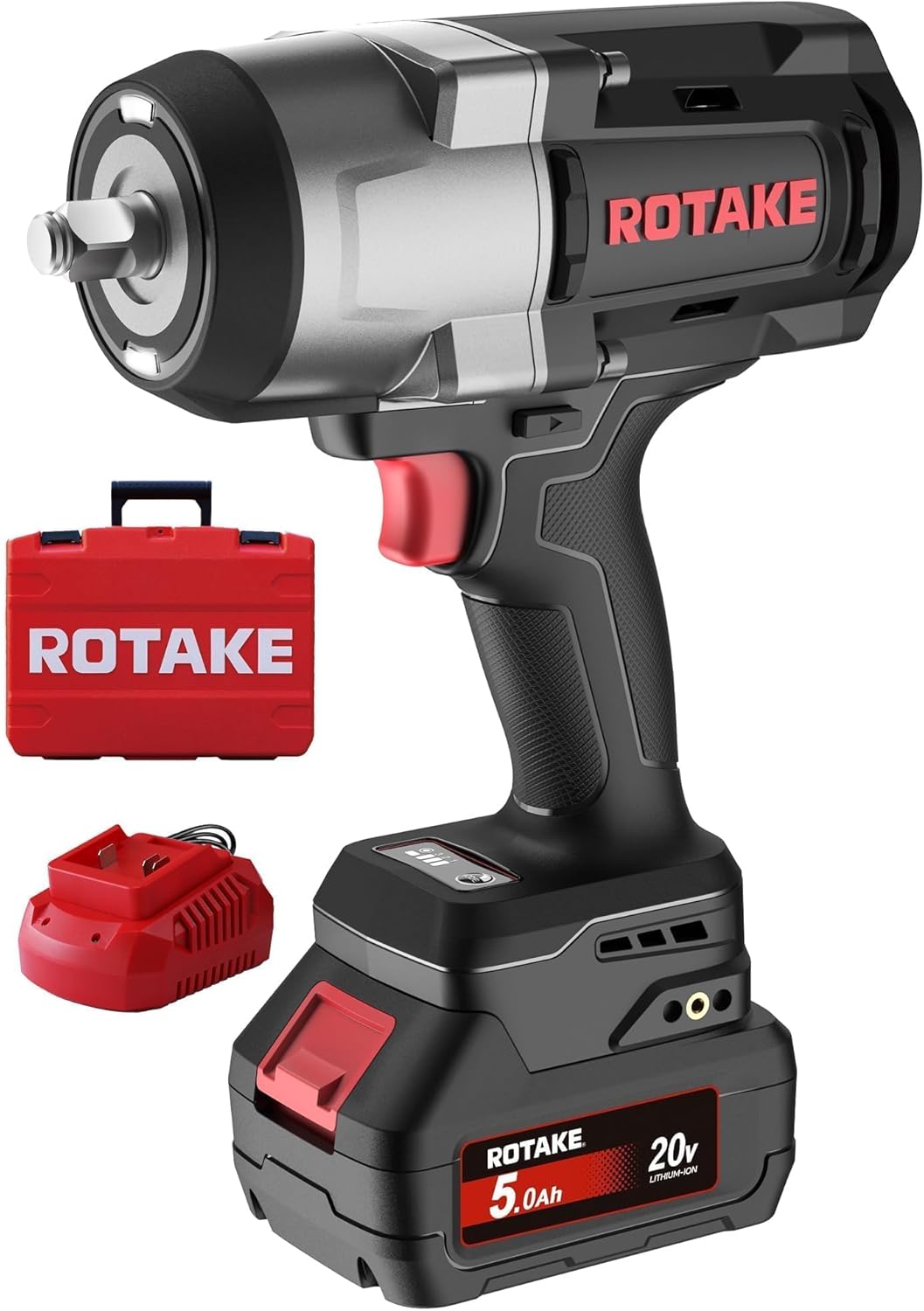
ROTAKE TB3 20V Heavy Duty 1/2" Cordless Impact Wrench Kit - 1380 Ft-Lbs Torque
$132 $219.99
36% OFF

Men's Athletic Running Shorts with Zipper Pockets - Lightweight & Quick Dry
$12.74 $19.99
61% OFF

Modern Ceiling Fan with Light and Remote - Reversible Quiet DC Motor
$69.3 $179.99
50% OFF

MOOKA H13 True HEPA Air Purifier for Home Large Room - 1076 sq ft Odor Eliminator
$39.97 $79.95
60% OFF

Ekouaer Women's Satin Silky Pajama Set - Short Sleeve Pullover Top & Wide-Leg Pants
$13.99 $34.99
55% OFF

Ekouaer 3-Piece Maternity & Nursing Pajamas Set - Short Sleeve Top with Shorts and Pants
$14.99 $32.99

Sealy 2-Pack Tritech 16" Twin Inflatable Air Mattress with Built-in AC Pump
$0 $113.99
20% OFF

INTEX Prism Frame 20ft x 52in Above Ground Pool Set - Round Steel Frame Swimming Pool
$695.99 $869.99

Gardner Pet 43" Heavy Duty Dog Crate with Wheels - Indestructible Folding Metal Cage (Black)
$0 $149.99
12% OFF

Elegant Mid-Century Modern Bar Stools - Set of 4
$395.99 $449.99
23% OFF

Ergonomic Office Chair - Big and Tall Desk Chair with Adjustable Lumbar Support
$279.99 $363.99
26% OFF

Magnelex American Flag Windshield Sun Shade - High-Resolution UV Reflective Heat Shield (X-Large)
$19.9 $26.9
20% OFF
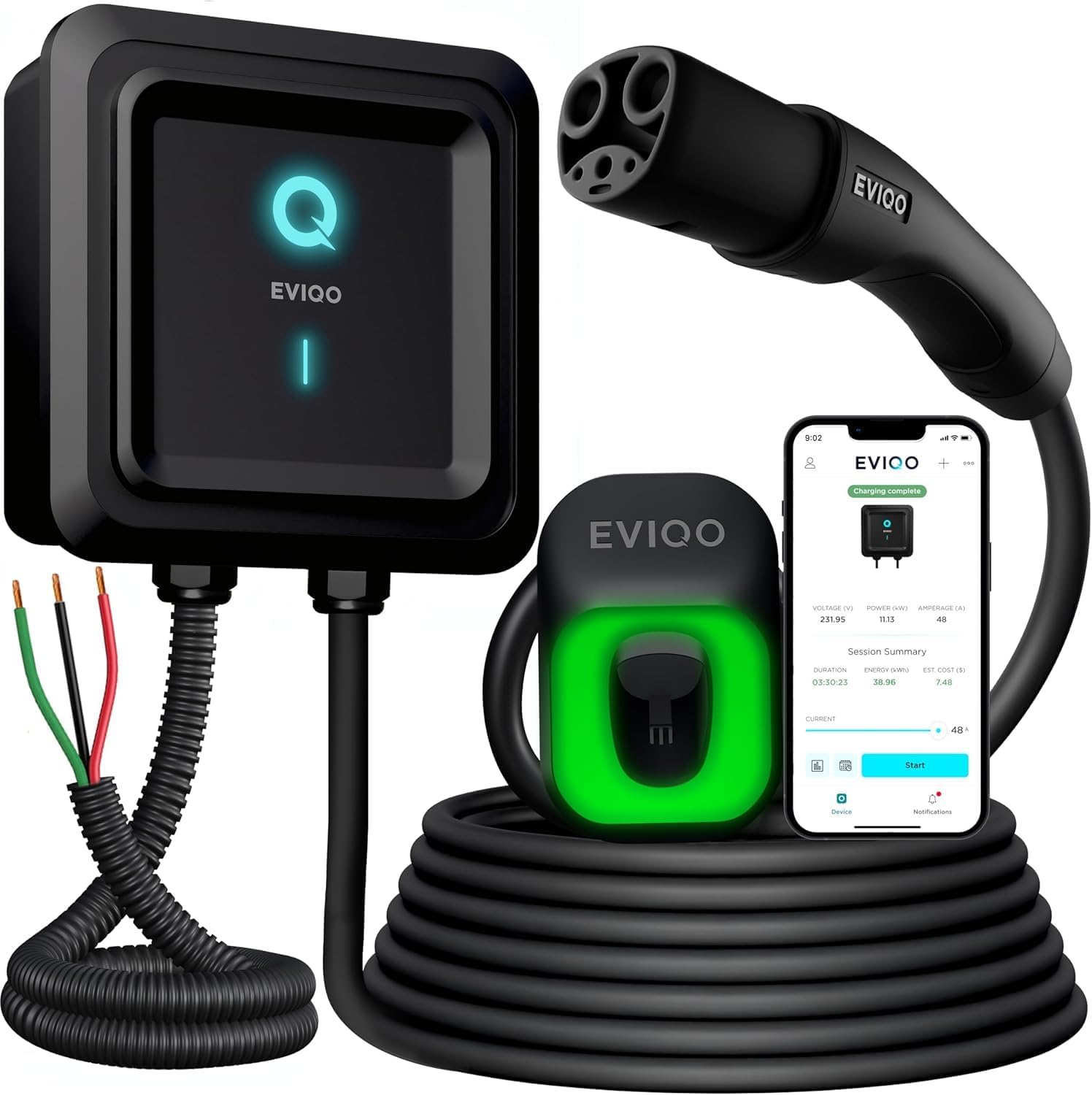
EVIQO 48 Amp NACS Level 2 EV Charger - Hardwired Smart WiFi Wall Charger for Tesla
$368.51 $458.55
50% OFF

DBFIT Air Purifier for Home Large Room
$29.99 $59.99




-

Historic Lancashire church secures £250,000 National Lottery grant for major roof repairs
-
Sunderland Minster PCC was right to push back over trans toilet sign
-

Bethel Church distances itself from Todd Bentley and Mike Bickle
-

Christian police officer reaches settlement over diversity training discrimination claim
-
Turkey's hidden Christian past: Extraordinary discoveries are rewriting the story of early Christianity
-

Washington Archdiocese parts ways with exorcist priest over UFO remarks
Most Popular
News
Churches must disciple well and listen well in response to rise of Christian nationalism
Churches have a task on their hands to raise standards of theological literacy in their congregations amid growing Christian nationalism, while at the same time listening to and engaging with the concerns of people in their flock.

A Christian response to the crisis facing young people
The Church has a wonderful message of hope to share with young people increasingly feeling a sense of nihilism and hopelessness at the state of the world, writes Tim Farron.

Tributes paid to Operation Mobilisation co-founder Dale Rhoton
Tributes have been paid to Dale Rhoton, one of the co-founders of international mission organisation Operation Mobilisation (OM), after his death at the age of 88.

Doctors should work for good of the patient, not facilitate suicide, says Christian Medical Fellowship
Suicide is always a tragedy that should be resisted, the CMF suggested.
VitaUp Beet Root Gummies with CoQ10 & Grape Seed - Nitric Oxide Circulation Support (60 Count)
$24.91
HDPE All-Weather Adirondack Chair with Built-In Cup Holder - Tool-Free Assembly (Grey)
$69.99
HOMETUK Clear Plastic Storage Bins with Dividers - 3-Pack Stackable Acrylic Organizer Containers for Fridge and Pantry
$19.99
G Gradual Men's Fishing Shirt - UPF 50+ Lightweight Short Sleeve Button Down with Zipper Pockets
$14.99
Everyfun 60" Rectangular Platform Tree Swing - 700lbs Heavy Duty Adjustable Outdoor Swing (Colorful)
$49.99
Ekouaer Women's Casual Loose Jumpsuit - One-Piece Printed Sleeveless Wide Leg Romper with Pockets
$14.99
ROTAKE TB3 20V Heavy Duty 1/2" Cordless Impact Wrench Kit - 1380 Ft-Lbs Torque
$132
Men's Athletic Running Shorts with Zipper Pockets - Lightweight & Quick Dry
$12.74
Modern Ceiling Fan with Light and Remote - Reversible Quiet DC Motor
$69.3
MOOKA H13 True HEPA Air Purifier for Home Large Room - 1076 sq ft Odor Eliminator
$39.97
Ekouaer Women's Satin Silky Pajama Set - Short Sleeve Pullover Top & Wide-Leg Pants
$13.99
Ekouaer 3-Piece Maternity & Nursing Pajamas Set - Short Sleeve Top with Shorts and Pants
$14.99
Sealy 2-Pack Tritech 16" Twin Inflatable Air Mattress with Built-in AC Pump
$0
INTEX Prism Frame 20ft x 52in Above Ground Pool Set - Round Steel Frame Swimming Pool
$695.99
Gardner Pet 43" Heavy Duty Dog Crate with Wheels - Indestructible Folding Metal Cage (Black)
$0
Elegant Mid-Century Modern Bar Stools - Set of 4
$395.99
Ergonomic Office Chair - Big and Tall Desk Chair with Adjustable Lumbar Support
$279.99
Magnelex American Flag Windshield Sun Shade - High-Resolution UV Reflective Heat Shield (X-Large)
$19.9
EVIQO 48 Amp NACS Level 2 EV Charger - Hardwired Smart WiFi Wall Charger for Tesla
$368.51
DBFIT Air Purifier for Home Large Room
$29.99