
|PIC1|The World Council of Churches (WCC) closed a weeklong conference in Geneva on Wednesday with a commitment to make progress on the ecumenical movement.
"This meeting allowed us to foster the programmes of the Council and, in a number of respects, move forward our ecumenical journey as churches, with the aim of calling one another to visible unity," said the Rev Dr Walter Altmann, moderator of the WCC central committee.
The central committee met February 13-20 addressing challenges facing the church, including climate change, HIV and Aids, and the Kenya crisis as well as WCC's contribution to the ecumenical movement. The world body represents more than 560 million Christians in some 110 countries.
Among seven public issues statements adopted by the central committee, one called for immediate action on the environmental issue, urging churches to strengthen their moral stand on the issue and to be stewards of God's creation.
"As climate change effects are 'being experienced already in many parts of the world,' it affirms that 'action must be taken now.' Churches 'can take key leadership roles,'" said the statement.
Climate change campaigns have recently gained momentum among Christian organisations and churches that say caring for the environment is a Christian issue. But not all Christians have hopped on board to make climate change a priority among other issues such as abortion.
Addressing the post-election violence in Kenya, several speakers in Geneva condemned the violence and emphasised the important role the church plays in bringing peace and stability to Kenya. Since the contentious December 27 election, more than 1,000 people have died and a half a million more have been displaced.
"We believe that for Kenya and Africa, church unity and ecumenical cooperation is not just an optional alternative," said Rev Dr Mvume Dandala, general secretary of the All Africa Conference of Churches, which is based in the Kenyan capital of Nairobi. "Sometimes the churches have to work hard if they are to be relevant."
In its public statement regarding the crisis Kenya, the WCC central committee said it "recognizes that many Kenyan churches were affected by partisanship, but 'affirms church leaders and members who became advocates for peace.'"
During the meeting, several speakers pointed out the challenge of finding consensus on the words and specific scriptural grounding of public statements by the global council. They stressed the need to ground statements in Scripture.
"The church must not act like another NGO," said the Rev Kjell Magne Bondevik, moderator of WCC's Commission of the Churches on International Affairs. "We have value when we make public statements as a church, but we must always try to root our statements in these (Christian) values."
"We try to remember our biblical and theological mandate, to stand with those who are victims of oppression or poverty or violence [from] our understanding of where our individual faith traditions might say we should be, but more importantly where Jesus said we should be," said the Rev Elenora Giddings Ivory, who works closely with the central committee's Public Issues Committee.
Attendants of the gathering also discussed ways to expand its circle to bring in more ecumenical partners and other voices into one event or a series of events for a more cohesive ecumenical voice. WCC represents just over 25 per cent of the world's Christians, according to WCC programme executive Doug Chial.
The WCC executive committee recommended to the central committee that an Assembly Discernment Committee be formed to move the conversation and thinking forward on a possible broader WCC assembly.
Some attendants, however, offered caution when taking such a step. Although they want the ecumenical cause to move forward, many do not want to see a loss of WCC identity and methodology.
"This is a very serious subject," said His Holiness Abune Paulos of the Ethiopian Orthodox Tewahedo Church, one of the WCC presidents. "I think we need more time to study it."
At the close of the conference, the WCC announced it has begun searching for a new leader after the body's current head, the Rev Dr Samuel Kobia, announced he will not seek a second term. Kobia, who took office in January 2004, cited personal reasons for not seeking to extend his leadership as general secretary.
An acting general secretary will be appointed by the WCC executive committee at its meeting in September 2008 and a new head is schedule to be elected at the central committee meeting in September 2009.
11% OFF

VitaUp Beet Root Gummies with CoQ10 & Grape Seed - Nitric Oxide Circulation Support (60 Count)
$24.91 $27.91
50% OFF

HDPE All-Weather Adirondack Chair with Built-In Cup Holder - Tool-Free Assembly (Grey)
$69.99 $139.99
60% OFF

HOMETUK Clear Plastic Storage Bins with Dividers - 3-Pack Stackable Acrylic Organizer Containers for Fridge and Pantry
$19.99 $49.99
58% OFF

G Gradual Men's Fishing Shirt - UPF 50+ Lightweight Short Sleeve Button Down with Zipper Pockets
$14.99 $35.99
55% OFF

Everyfun 60" Rectangular Platform Tree Swing - 700lbs Heavy Duty Adjustable Outdoor Swing (Colorful)
$49.99 $110.99
61% OFF

Ekouaer Women's Casual Loose Jumpsuit - One-Piece Printed Sleeveless Wide Leg Romper with Pockets
$14.99 $37.99
40% OFF
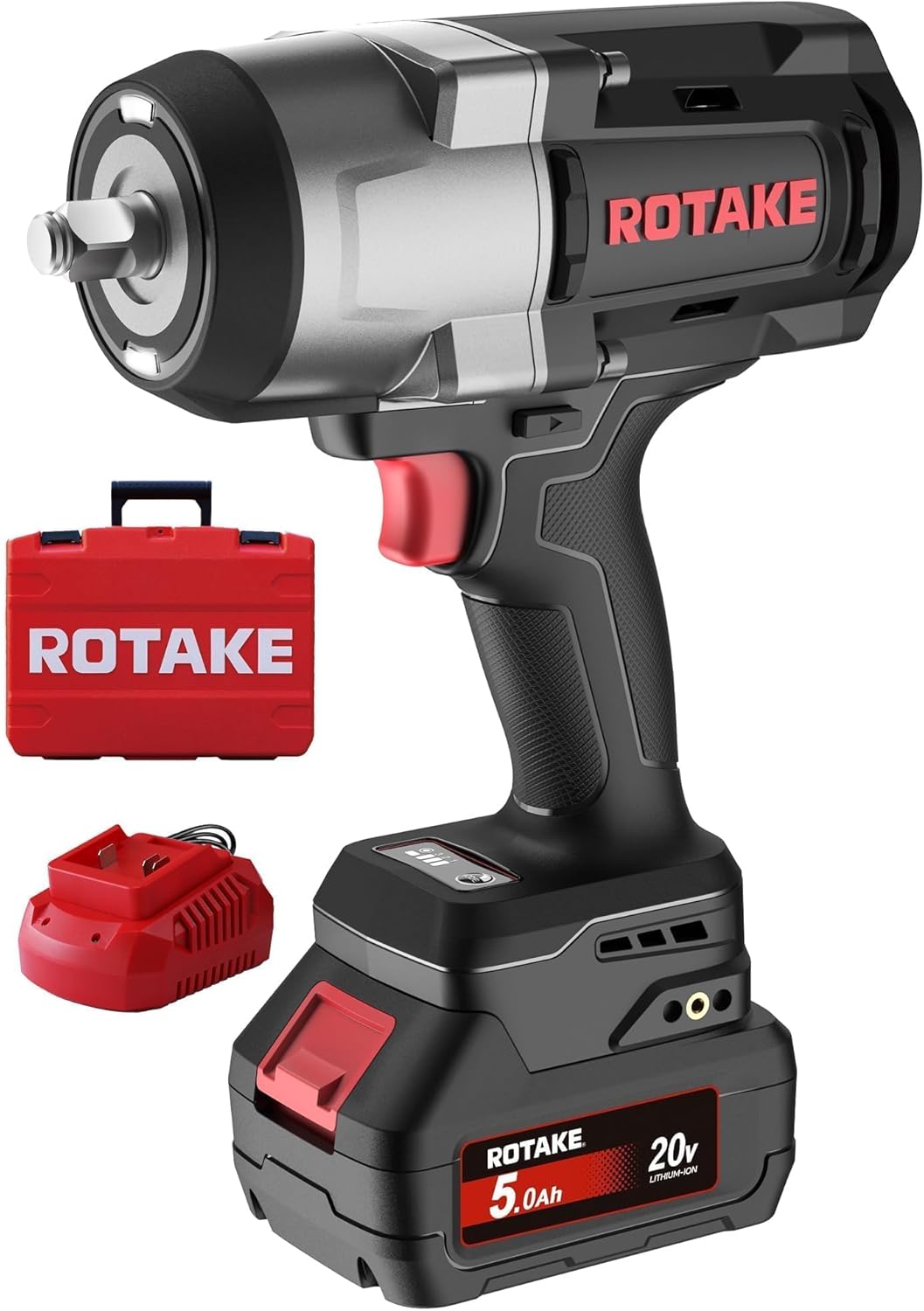
ROTAKE TB3 20V Heavy Duty 1/2" Cordless Impact Wrench Kit - 1380 Ft-Lbs Torque
$132 $219.99
36% OFF

Men's Athletic Running Shorts with Zipper Pockets - Lightweight & Quick Dry
$12.74 $19.99
61% OFF

Modern Ceiling Fan with Light and Remote - Reversible Quiet DC Motor
$69.3 $179.99
50% OFF

MOOKA H13 True HEPA Air Purifier for Home Large Room - 1076 sq ft Odor Eliminator
$39.97 $79.95
60% OFF

Ekouaer Women's Satin Silky Pajama Set - Short Sleeve Pullover Top & Wide-Leg Pants
$13.99 $34.99
55% OFF

Ekouaer 3-Piece Maternity & Nursing Pajamas Set - Short Sleeve Top with Shorts and Pants
$14.99 $32.99

Sealy 2-Pack Tritech 16" Twin Inflatable Air Mattress with Built-in AC Pump
$0 $113.99
20% OFF

INTEX Prism Frame 20ft x 52in Above Ground Pool Set - Round Steel Frame Swimming Pool
$695.99 $869.99

Gardner Pet 43" Heavy Duty Dog Crate with Wheels - Indestructible Folding Metal Cage (Black)
$0 $149.99
12% OFF

Elegant Mid-Century Modern Bar Stools - Set of 4
$395.99 $449.99
23% OFF

Ergonomic Office Chair - Big and Tall Desk Chair with Adjustable Lumbar Support
$279.99 $363.99
26% OFF

Magnelex American Flag Windshield Sun Shade - High-Resolution UV Reflective Heat Shield (X-Large)
$19.9 $26.9
20% OFF

EVIQO 48 Amp NACS Level 2 EV Charger - Hardwired Smart WiFi Wall Charger for Tesla
$368.51 $458.55
50% OFF

DBFIT Air Purifier for Home Large Room
$29.99 $59.99




-
Historic Lancashire church secures £250,000 National Lottery grant for major roof repairs
-

Sunderland Minster PCC was right to push back over trans toilet sign
-

Bethel Church distances itself from Todd Bentley and Mike Bickle
-

Christian police officer reaches settlement over diversity training discrimination claim
-
Turkey's hidden Christian past: Extraordinary discoveries are rewriting the story of early Christianity
-

Washington Archdiocese parts ways with exorcist priest over UFO remarks
Most Popular
News

A Christian response to the crisis facing young people
The Church has a wonderful message of hope to share with young people increasingly feeling a sense of nihilism and hopelessness at the state of the world, writes Tim Farron.
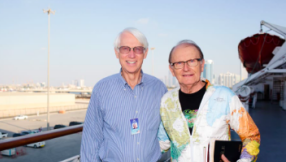
Tributes paid to Operation Mobilisation co-founder Dale Rhoton
Tributes have been paid to Dale Rhoton, one of the co-founders of international mission organisation Operation Mobilisation (OM), after his death at the age of 88.

Doctors should work for good of the patient, not facilitate suicide, says Christian Medical Fellowship
Suicide is always a tragedy that should be resisted, the CMF suggested.

Parents play decisive role in passing faith to the next generation, study finds
Parents who actively practise and discuss their faith at home are significantly more likely to see their children remain committed Christians into adulthood, according to a major new study.
VitaUp Beet Root Gummies with CoQ10 & Grape Seed - Nitric Oxide Circulation Support (60 Count)
$24.91
HDPE All-Weather Adirondack Chair with Built-In Cup Holder - Tool-Free Assembly (Grey)
$69.99
HOMETUK Clear Plastic Storage Bins with Dividers - 3-Pack Stackable Acrylic Organizer Containers for Fridge and Pantry
$19.99
G Gradual Men's Fishing Shirt - UPF 50+ Lightweight Short Sleeve Button Down with Zipper Pockets
$14.99
Everyfun 60" Rectangular Platform Tree Swing - 700lbs Heavy Duty Adjustable Outdoor Swing (Colorful)
$49.99
Ekouaer Women's Casual Loose Jumpsuit - One-Piece Printed Sleeveless Wide Leg Romper with Pockets
$14.99
ROTAKE TB3 20V Heavy Duty 1/2" Cordless Impact Wrench Kit - 1380 Ft-Lbs Torque
$132
Men's Athletic Running Shorts with Zipper Pockets - Lightweight & Quick Dry
$12.74
Modern Ceiling Fan with Light and Remote - Reversible Quiet DC Motor
$69.3
MOOKA H13 True HEPA Air Purifier for Home Large Room - 1076 sq ft Odor Eliminator
$39.97
Ekouaer Women's Satin Silky Pajama Set - Short Sleeve Pullover Top & Wide-Leg Pants
$13.99
Ekouaer 3-Piece Maternity & Nursing Pajamas Set - Short Sleeve Top with Shorts and Pants
$14.99
Sealy 2-Pack Tritech 16" Twin Inflatable Air Mattress with Built-in AC Pump
$0
INTEX Prism Frame 20ft x 52in Above Ground Pool Set - Round Steel Frame Swimming Pool
$695.99
Gardner Pet 43" Heavy Duty Dog Crate with Wheels - Indestructible Folding Metal Cage (Black)
$0
Elegant Mid-Century Modern Bar Stools - Set of 4
$395.99
Ergonomic Office Chair - Big and Tall Desk Chair with Adjustable Lumbar Support
$279.99
Magnelex American Flag Windshield Sun Shade - High-Resolution UV Reflective Heat Shield (X-Large)
$19.9
EVIQO 48 Amp NACS Level 2 EV Charger - Hardwired Smart WiFi Wall Charger for Tesla
$368.51
DBFIT Air Purifier for Home Large Room
$29.99