
Group of Eight leaders patched together a deal to fight climate change at a summit that wound up on Wednesday, but failed to convince big emerging economies that rich countries were doing enough.
Climate change was the most contentious topic at this year's G8 summit in Japan, which also tackled political problems from the crisis in Zimbabwe to worsening security in Afghanistan as well as soaring food and oil prices and poverty in Africa.
"There's been no huge breakthrough at this particular meeting, it is one step along the road," said Australian Prime Minister Kevin Rudd, who attended a climate change meeting on Wednesday where the G8 leaders were joined by eight more big polluters. "Of course, there's a long, long way to go."
That 16-member Major Economies Meeting group agreed that "deep cuts" in greenhouse gas emissions were needed to combat the global warming that is closely linked to rising prices already hitting vulnerable economies hard.
But bickering between rich and poorer countries kept most emerging economies from signing on to a goal of at least halving global emissions by 2050. Nor did the broader group come up with specific numbers for the interim targets they agreed advanced countries should set.
EU leader Jose Manuel Barroso, said, however, that to focus on the divisions would be missing the point.
"It is quite wrong to see this in terms of a confrontation between developed and developing countries," he said.
"Of course we accept the lion's share of responsibility but this is a global challenge, which requires a global response."
The leaders of Japan, Britain, Canada, Germany, France, Italy, Russia and the United States had embraced the 2050 goal a day earlier, but stressed their countries could not do it alone.
PAPERING OVER GAPS
The rich countries had to paper over deep gaps just to get their own climate change deal, with Europe and Japan urging bolder action while the United States opposed promising firm targets without assurances big emerging economies will act too.
U.S. President George W. Bush said "significant progress" was made on climate change at the summit, while Japan and the European Union also lauded the outcome.
Environmentalists, though, saw nothing to cheer.
"It's the stalemate we've had for a while," Kim Carstensen, director of the WWF's global climate initiative, told Reuters.
Expectations for this week's summit talks on climate were always low.
Many are sceptical that any significant new steps to combat global warming can be made until a new U.S. president comes to office in January 2009. It was a view shared by South Africa, one of five big emerging economies collectively called the G5.
"Until there's a change in the position of the United States, South Africa's feeling is that it will be very difficult for the G5 to move forward because they will always be forced to work on that level of the lowest common denominator," South African Environment Minister Marthinus van Schalkwyk told reporters.
Developing countries, along with the European Union and green groups, say rich countries must take the lead and specify interim targets for how to reach the mid-century goal, which scientists say is the minimum needed to prevent dangerous global warming.
AFGHANISTAN, AFRICA
India told the major economies meeting that developed countries had not done enough.
"This must change and you (the G8) must all show the leadership that you have always promised by taking and then delivering truly significant GHG (greenhouse gas) reductions," Indian Prime Minister Manmohan Singh told the meeting.
The stance of emerging nations is important. The G8 nations emit about 40 percent of mankind's greenhouse gas emissions. China and India together emit about 25 percent of the total, a proportion that is rising as their coal-fuelled economies boom.
Leaders of the G8 countries agreed at the summit to impose sanctions against Zimbabwe's leaders because of violence during the widely condemned re-election of President Robert Mugabe.
"There should be no safe haven and no hiding place for the criminal cabal that now make up the Mugabe regime," Prime Minister Gordon Brown told a news conference after the summit.
The G8 also urged Afghanistan's government to take more responsibility for its own security and reconstruction, and pledged to increase assistance to that country's army and police.
Canadian Prime Minister Stephen Harper said members agreed with "unprecedented unanimity" about the need to do much more.
Some 900 soldiers in a U.S.-led coalition force have died in Afghanistan since 2001, among them 90 Canadians.
The G8 countries reassured sceptics on Tuesday that they were "firmly committed" to an aid target for Africa that was pledged at the Gleneagles summit in 2005.
Aid workers and NGOs have expressed concern that donor countries would fail to meet a G8 pledge to raise annual aid levels by $50 billion (25.3 billion pounds) by 2010, half of which was to go to Africa.
The G8 leaders also acknowledged the economic threat from surging oil and food prices, which could drive millions more into poverty, but came up with no fresh initiatives to tackle what they said were complex problems requiring long-term solutions.
11% OFF

VitaUp Beet Root Gummies with CoQ10 & Grape Seed - Nitric Oxide Circulation Support (60 Count)
$24.91 $27.91
50% OFF
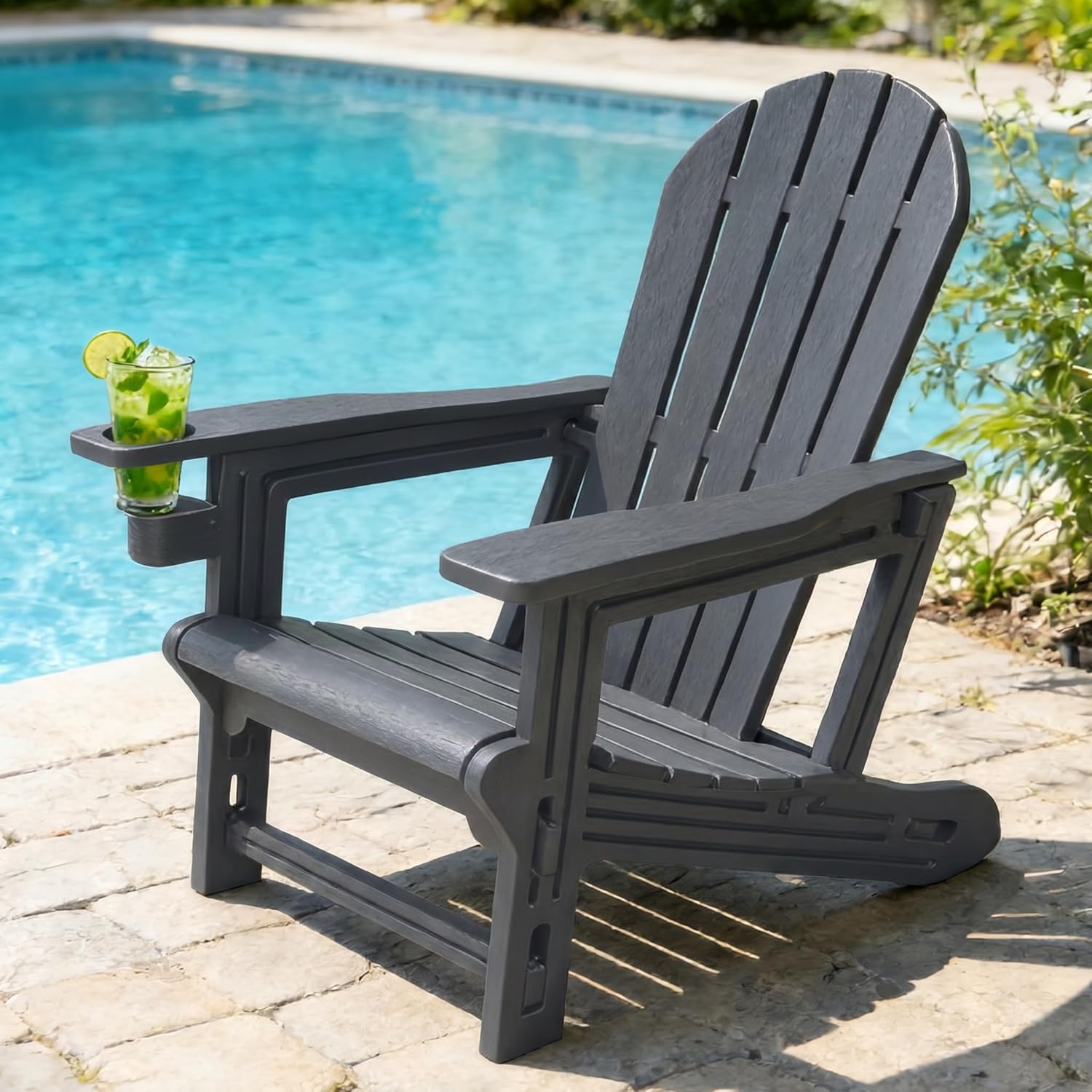
HDPE All-Weather Adirondack Chair with Built-In Cup Holder - Tool-Free Assembly (Grey)
$69.99 $139.99
60% OFF
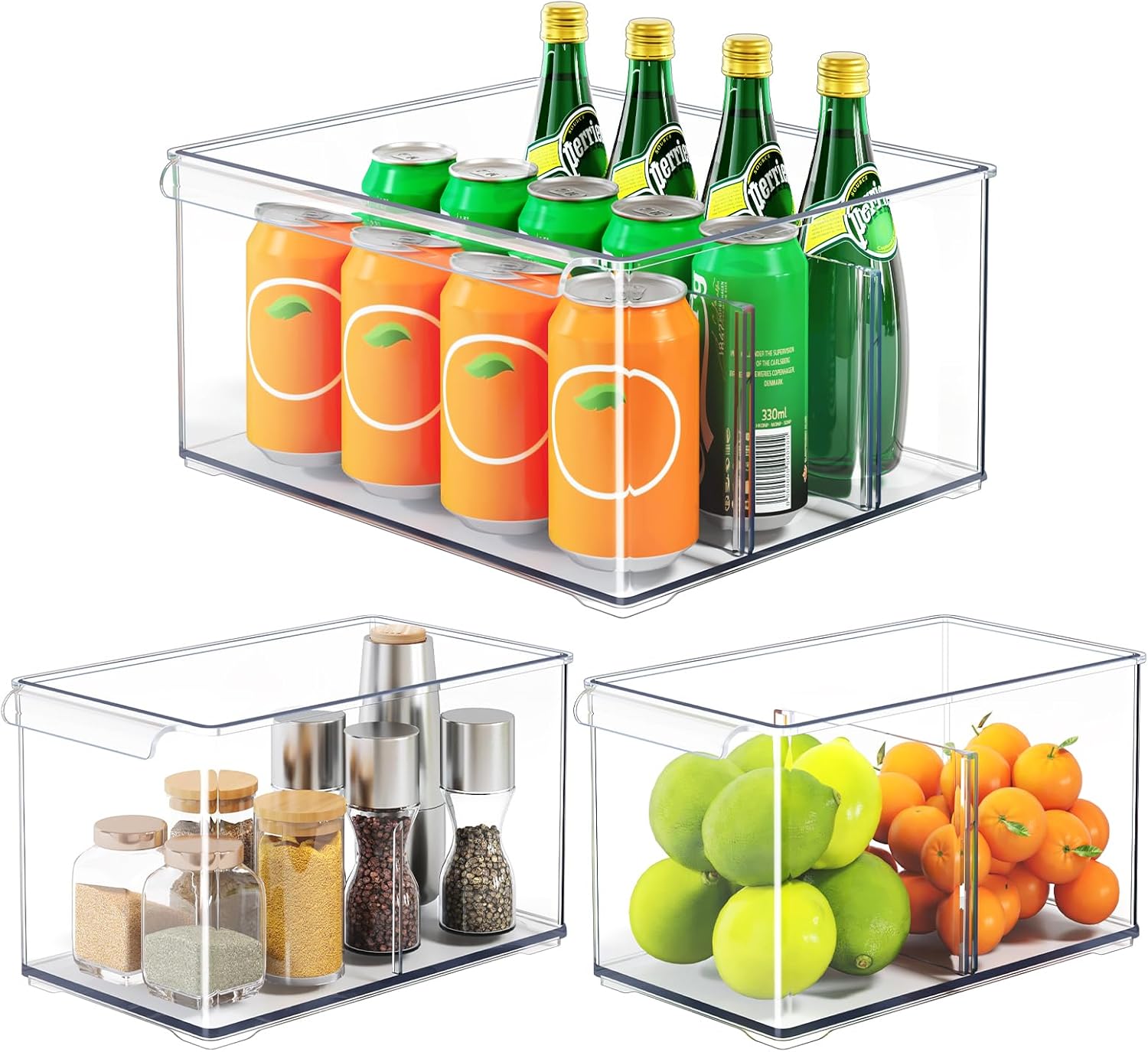
HOMETUK Clear Plastic Storage Bins with Dividers - 3-Pack Stackable Acrylic Organizer Containers for Fridge and Pantry
$19.99 $49.99
58% OFF
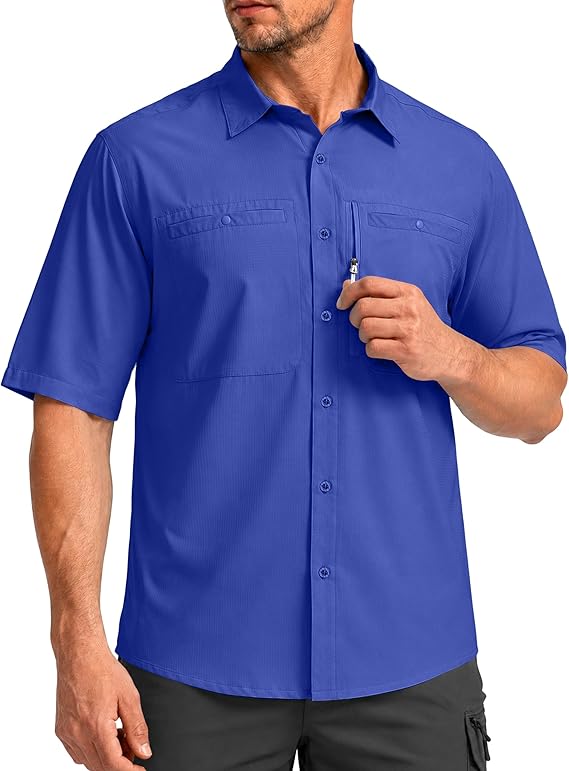
G Gradual Men's Fishing Shirt - UPF 50+ Lightweight Short Sleeve Button Down with Zipper Pockets
$14.99 $35.99
55% OFF
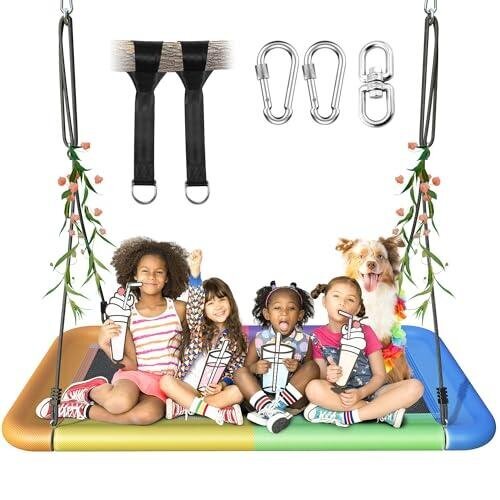
Everyfun 60" Rectangular Platform Tree Swing - 700lbs Heavy Duty Adjustable Outdoor Swing (Colorful)
$49.99 $110.99
61% OFF
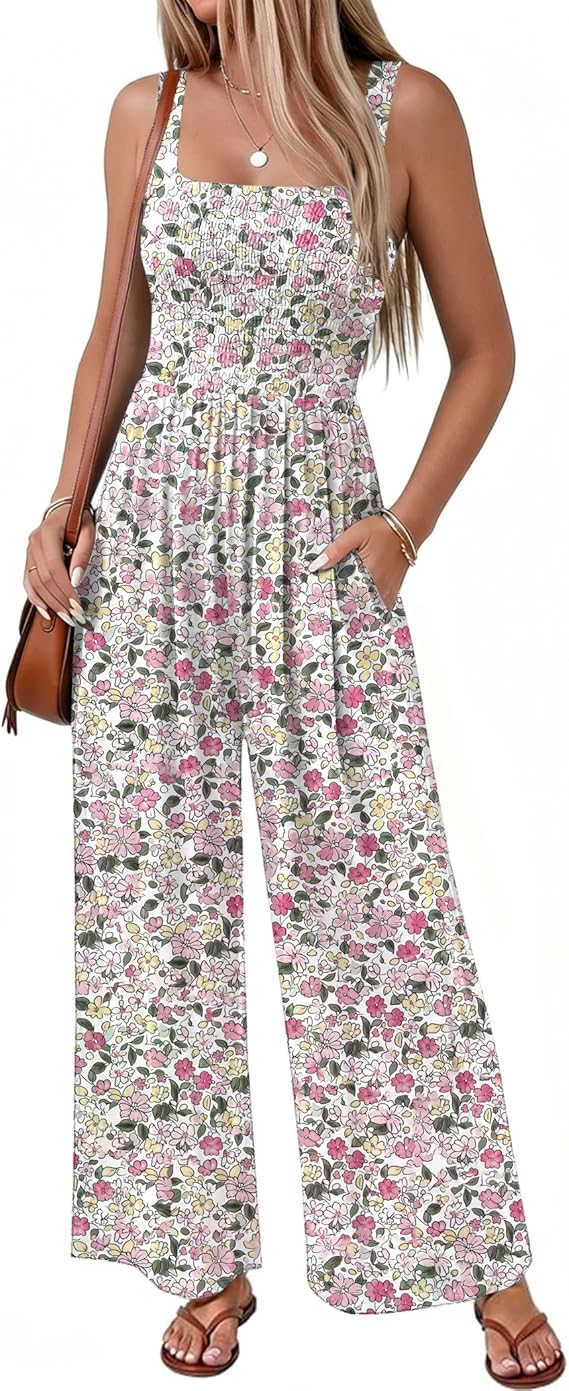
Ekouaer Women's Casual Loose Jumpsuit - One-Piece Printed Sleeveless Wide Leg Romper with Pockets
$14.99 $37.99
40% OFF
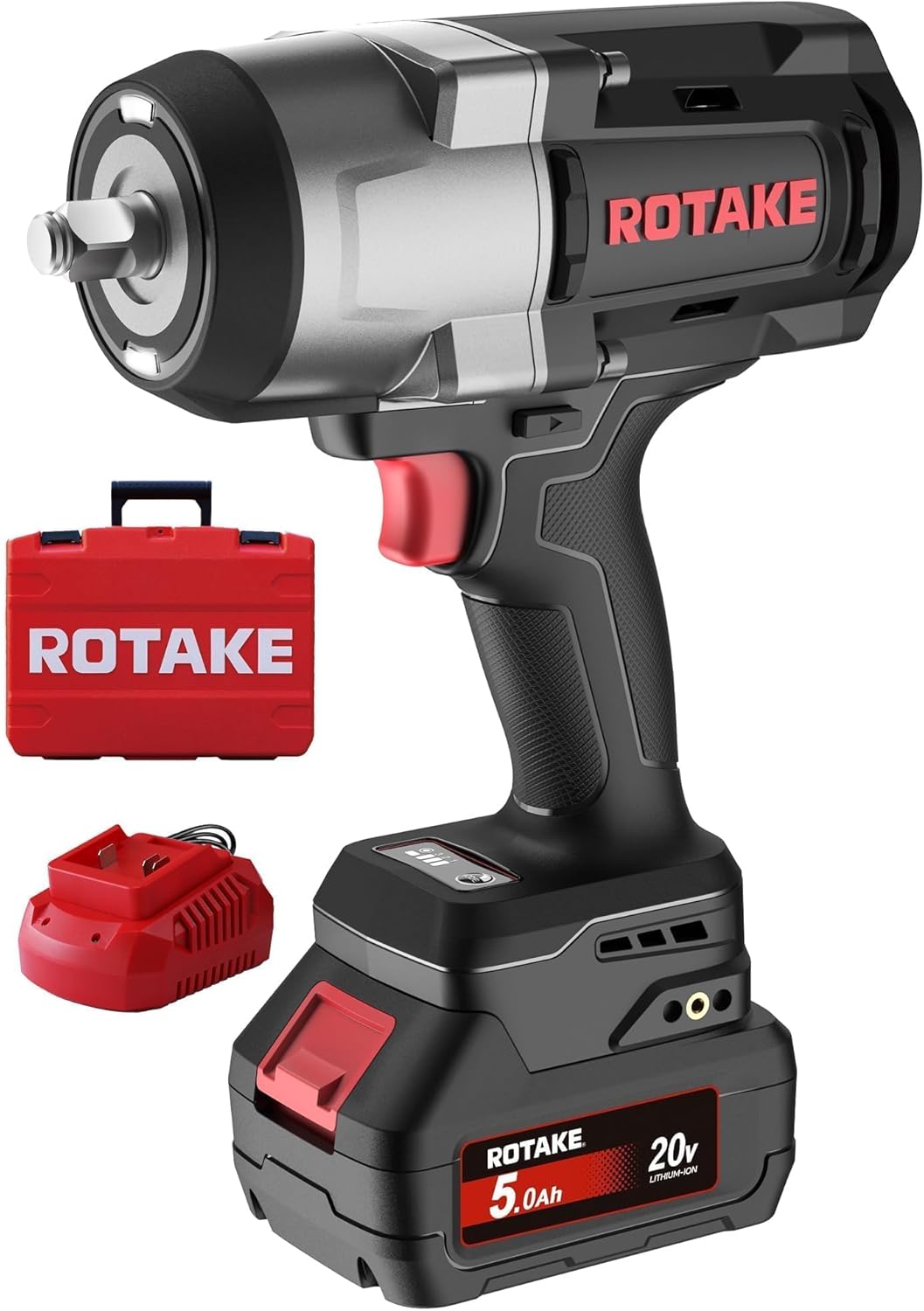
ROTAKE TB3 20V Heavy Duty 1/2" Cordless Impact Wrench Kit - 1380 Ft-Lbs Torque
$132 $219.99
36% OFF
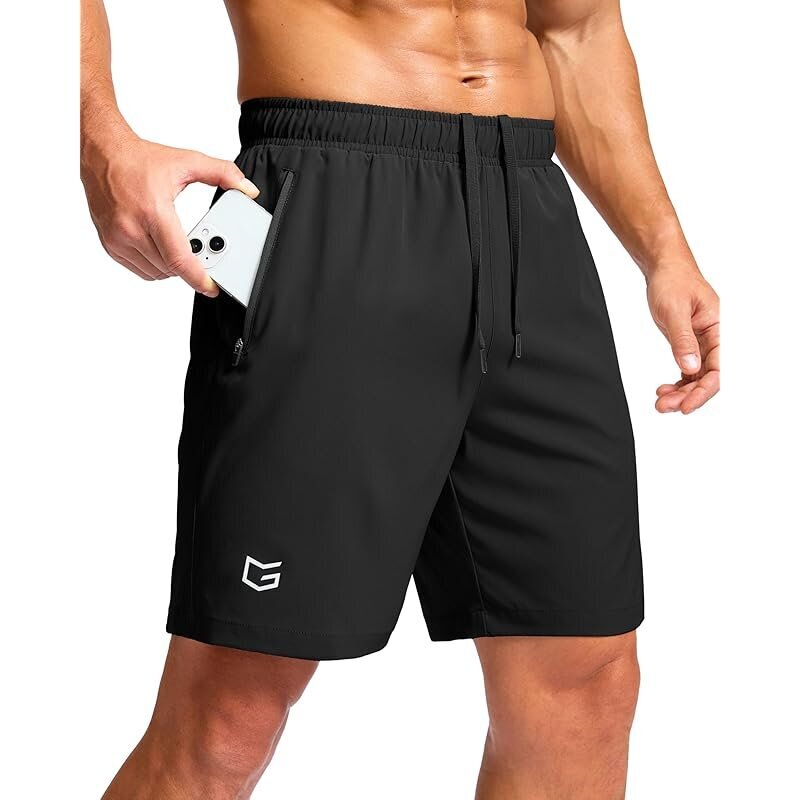
Men's Athletic Running Shorts with Zipper Pockets - Lightweight & Quick Dry
$12.74 $19.99
61% OFF
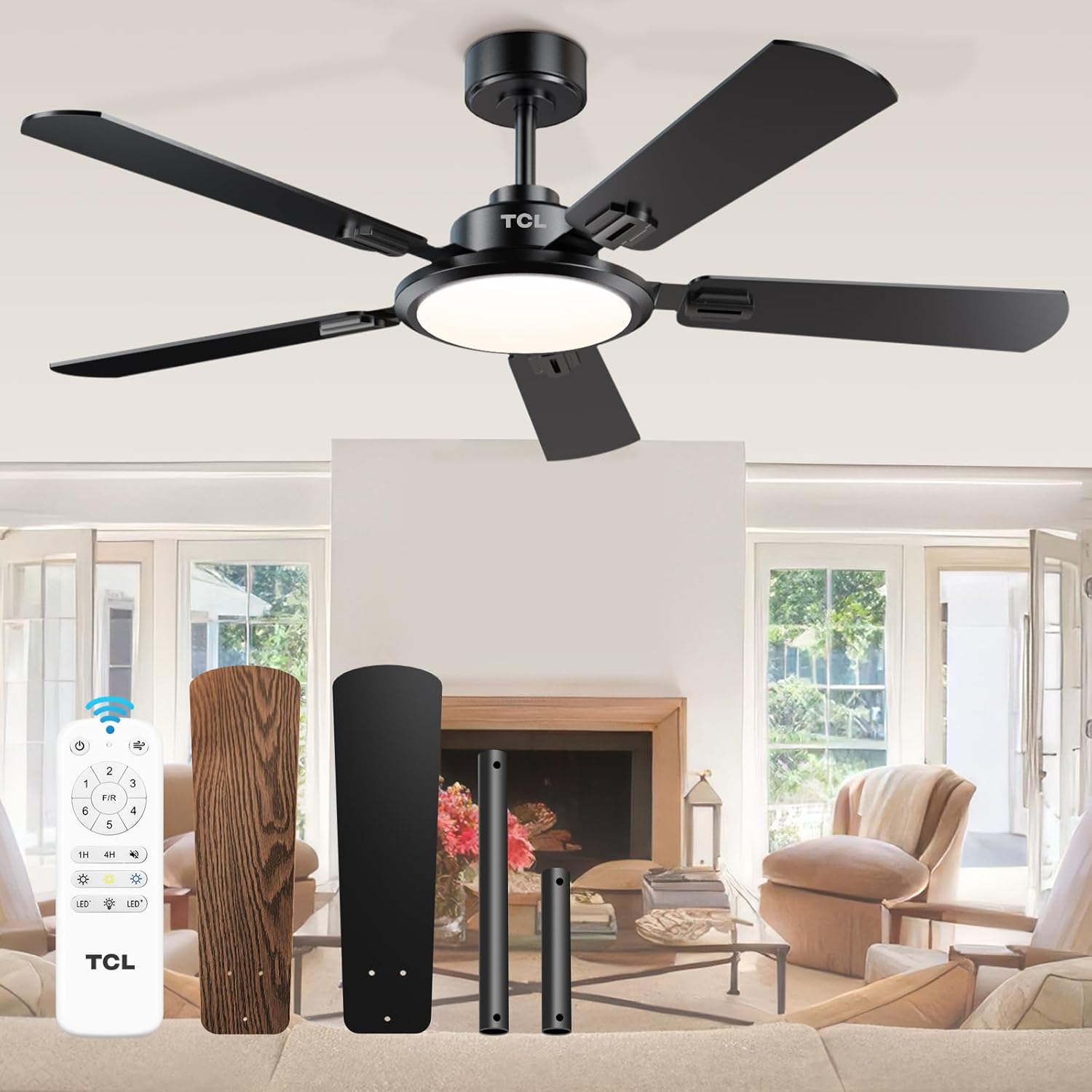
Modern Ceiling Fan with Light and Remote - Reversible Quiet DC Motor
$69.3 $179.99
50% OFF

MOOKA H13 True HEPA Air Purifier for Home Large Room - 1076 sq ft Odor Eliminator
$39.97 $79.95
60% OFF

Ekouaer Women's Satin Silky Pajama Set - Short Sleeve Pullover Top & Wide-Leg Pants
$13.99 $34.99
55% OFF

Ekouaer 3-Piece Maternity & Nursing Pajamas Set - Short Sleeve Top with Shorts and Pants
$14.99 $32.99
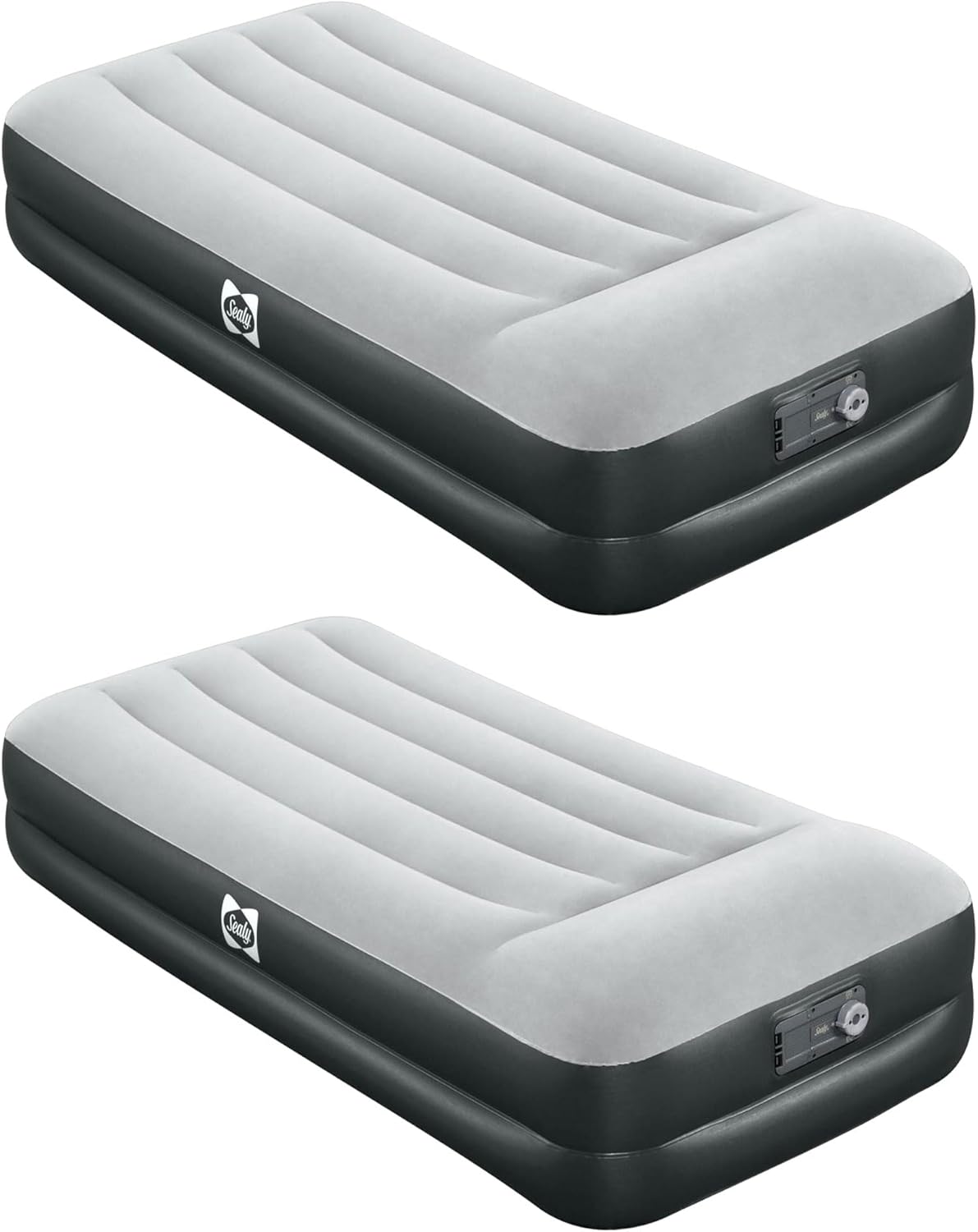
Sealy 2-Pack Tritech 16" Twin Inflatable Air Mattress with Built-in AC Pump
$0 $113.99
20% OFF
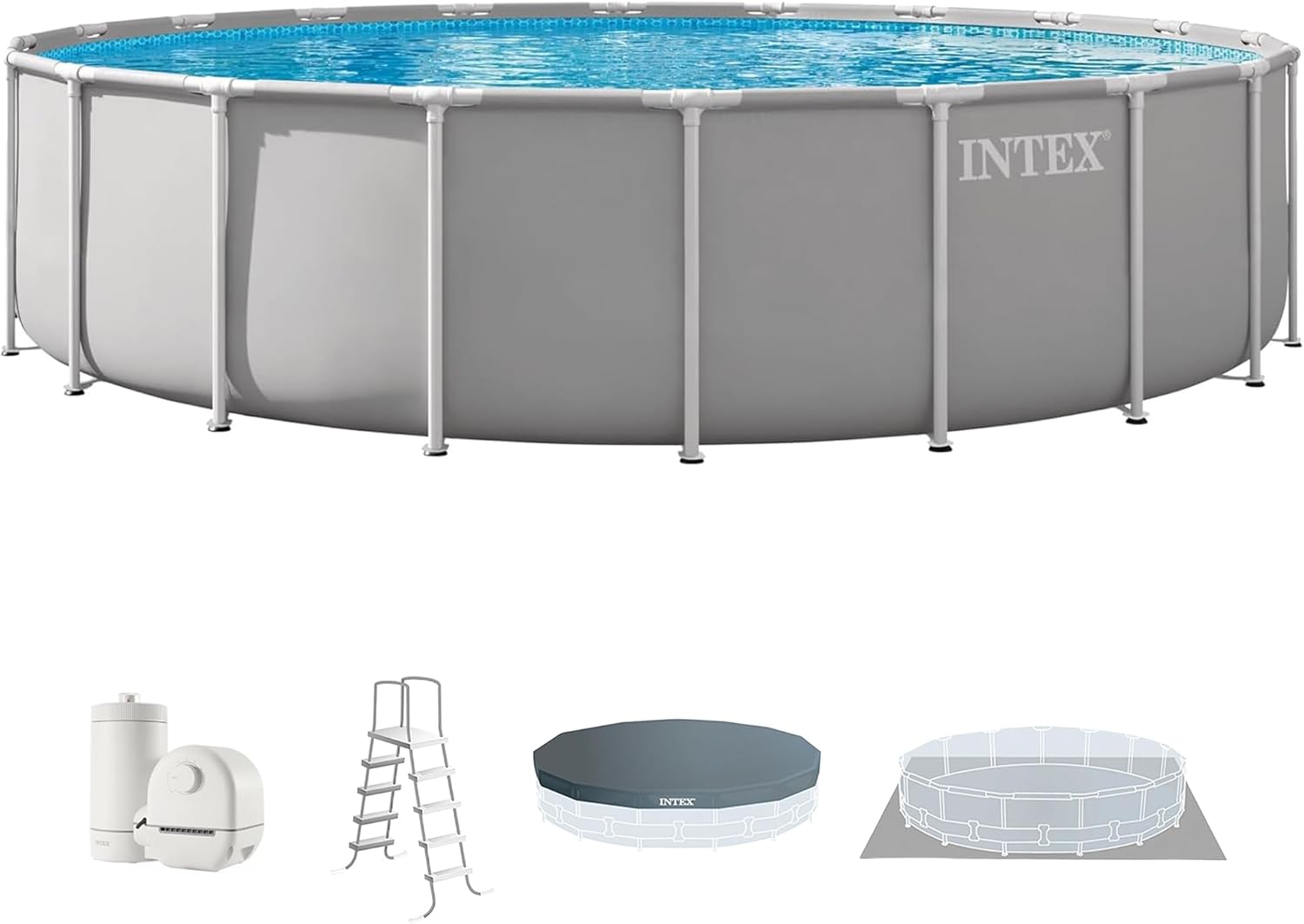
INTEX Prism Frame 20ft x 52in Above Ground Pool Set - Round Steel Frame Swimming Pool
$695.99 $869.99

Gardner Pet 43" Heavy Duty Dog Crate with Wheels - Indestructible Folding Metal Cage (Black)
$0 $149.99
12% OFF

Elegant Mid-Century Modern Bar Stools - Set of 4
$395.99 $449.99
23% OFF

Ergonomic Office Chair - Big and Tall Desk Chair with Adjustable Lumbar Support
$279.99 $363.99
26% OFF

Magnelex American Flag Windshield Sun Shade - High-Resolution UV Reflective Heat Shield (X-Large)
$19.9 $26.9
20% OFF
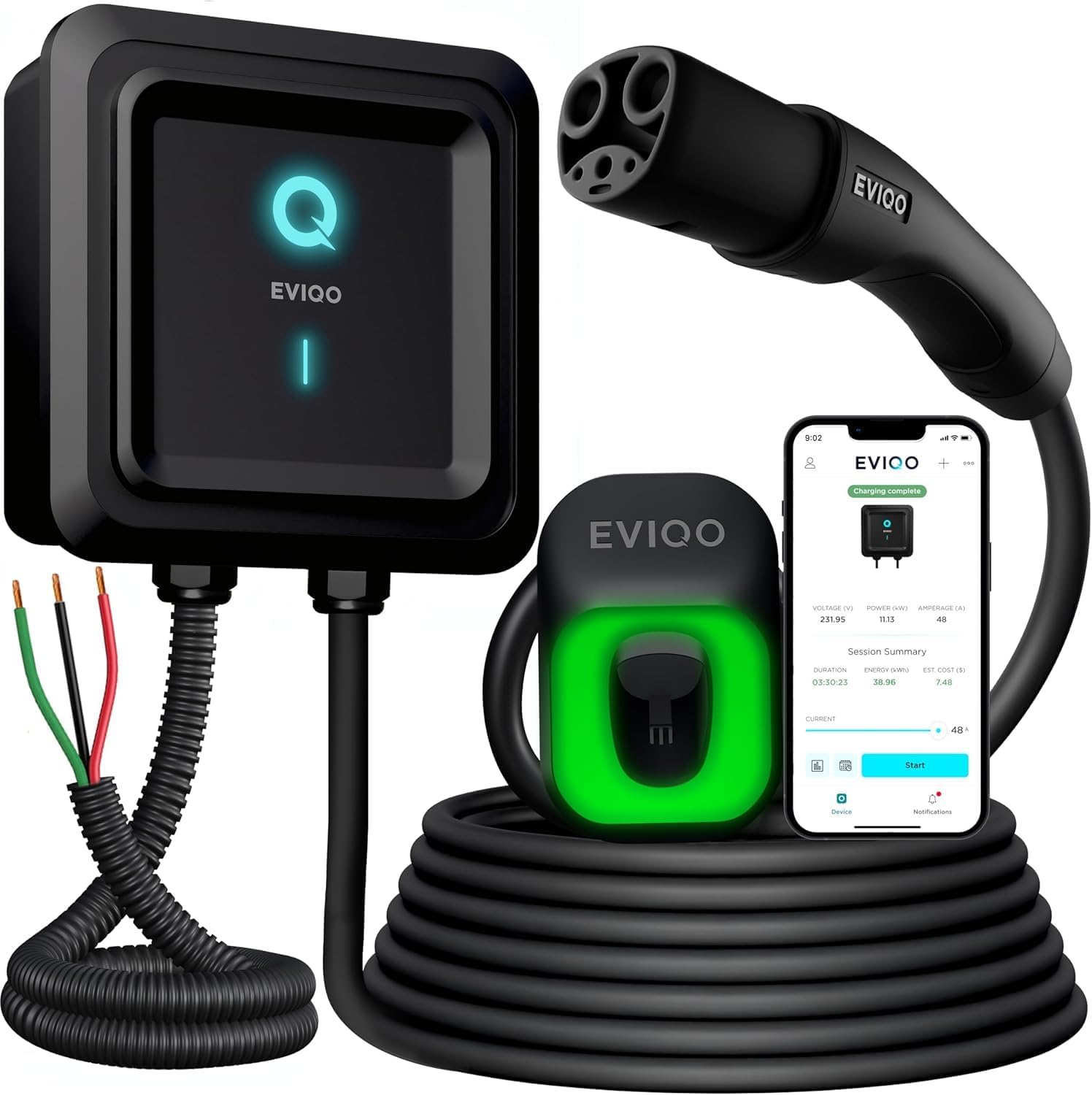
EVIQO 48 Amp NACS Level 2 EV Charger - Hardwired Smart WiFi Wall Charger for Tesla
$368.51 $458.55
50% OFF

DBFIT Air Purifier for Home Large Room
$29.99 $59.99




-
Historic Lancashire church secures £250,000 National Lottery grant for major roof repairs
-
Sunderland Minster PCC was right to push back over trans toilet sign
-

Bethel Church distances itself from Todd Bentley and Mike Bickle
-

Christian police officer reaches settlement over diversity training discrimination claim
-
Turkey's hidden Christian past: Extraordinary discoveries are rewriting the story of early Christianity
-

Washington Archdiocese parts ways with exorcist priest over UFO remarks
Most Popular
News
Churches must disciple well and listen well in response to rise of Christian nationalism
Churches have a task on their hands to raise standards of theological literacy in their congregations amid growing Christian nationalism, while at the same time listening to and engaging with the concerns of people in their flock.

A Christian response to the crisis facing young people
The Church has a wonderful message of hope to share with young people increasingly feeling a sense of nihilism and hopelessness at the state of the world, writes Tim Farron.
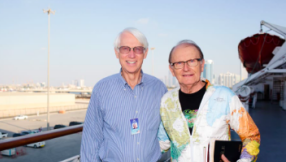
Tributes paid to Operation Mobilisation co-founder Dale Rhoton
Tributes have been paid to Dale Rhoton, one of the co-founders of international mission organisation Operation Mobilisation (OM), after his death at the age of 88.

Doctors should work for good of the patient, not facilitate suicide, says Christian Medical Fellowship
Suicide is always a tragedy that should be resisted, the CMF suggested.
VitaUp Beet Root Gummies with CoQ10 & Grape Seed - Nitric Oxide Circulation Support (60 Count)
$24.91
HDPE All-Weather Adirondack Chair with Built-In Cup Holder - Tool-Free Assembly (Grey)
$69.99
HOMETUK Clear Plastic Storage Bins with Dividers - 3-Pack Stackable Acrylic Organizer Containers for Fridge and Pantry
$19.99
G Gradual Men's Fishing Shirt - UPF 50+ Lightweight Short Sleeve Button Down with Zipper Pockets
$14.99
Everyfun 60" Rectangular Platform Tree Swing - 700lbs Heavy Duty Adjustable Outdoor Swing (Colorful)
$49.99
Ekouaer Women's Casual Loose Jumpsuit - One-Piece Printed Sleeveless Wide Leg Romper with Pockets
$14.99
ROTAKE TB3 20V Heavy Duty 1/2" Cordless Impact Wrench Kit - 1380 Ft-Lbs Torque
$132
Men's Athletic Running Shorts with Zipper Pockets - Lightweight & Quick Dry
$12.74
Modern Ceiling Fan with Light and Remote - Reversible Quiet DC Motor
$69.3
MOOKA H13 True HEPA Air Purifier for Home Large Room - 1076 sq ft Odor Eliminator
$39.97
Ekouaer Women's Satin Silky Pajama Set - Short Sleeve Pullover Top & Wide-Leg Pants
$13.99
Ekouaer 3-Piece Maternity & Nursing Pajamas Set - Short Sleeve Top with Shorts and Pants
$14.99
Sealy 2-Pack Tritech 16" Twin Inflatable Air Mattress with Built-in AC Pump
$0
INTEX Prism Frame 20ft x 52in Above Ground Pool Set - Round Steel Frame Swimming Pool
$695.99
Gardner Pet 43" Heavy Duty Dog Crate with Wheels - Indestructible Folding Metal Cage (Black)
$0
Elegant Mid-Century Modern Bar Stools - Set of 4
$395.99
Ergonomic Office Chair - Big and Tall Desk Chair with Adjustable Lumbar Support
$279.99
Magnelex American Flag Windshield Sun Shade - High-Resolution UV Reflective Heat Shield (X-Large)
$19.9
EVIQO 48 Amp NACS Level 2 EV Charger - Hardwired Smart WiFi Wall Charger for Tesla
$368.51
DBFIT Air Purifier for Home Large Room
$29.99