
Many pensioners in the Bulgarian village of Gorno Osenovo, who go to bed with the sunset and wake up at sunrise, have never heard of carbon dioxide. They don't get electricity either.
But a new plan by Brussels to make European Union energy companies pay for the carbon dioxide they emit from 2013 threatens to lift energy costs to the point where building grids to remote places like Gorno Osenovo would be impossible.
Perched on the hillsides of the Rila mountain in south-western Bulgaria, Gorno Osenovo is among a small number of villages in the Balkan country that have never been electrified.
Official data denies the existence of such places but the villagers say their battery-powered radio players have been reporting about more hikes in food and fuel prices.
"How can I afford to pay electricity and water bills with my pension of 100 levs ($80)?" said 83-year-old Ilinka Yaneva, fussing around her 19th-century stove.
Governments in eastern Europe, also worried about a backlash and already crippling fuel inflation, have joined forces to oppose the Brussels plan and protect voters incomes are still well below those in the West.
Energy prices in Bulgaria, the poorest EU nation and other former communist countries in eastern Europe were subsidized and kept artificially low for decades.
The majority of people in eastern Europe get their power mainly from coal - which has the highest emissions of carbon dioxide (CO2) among fossil fuels, according to the U.S. Energy Information Administration.
Poland, which depends on coal for more than 90 percent of power generation, will be among the hardest hit when the EU ends free handouts of carbon permits to energy firms.
The EU emissions trading scheme - the bloc's main tool to combat climate change - has been widely criticized by politicians, companies and analysts for handing out too many carbon permits, which some companies have sold on, pocketing billions of euros in windfall profits.
The government in Warsaw says introducing an auction system would lift power prices by 70 percent as utilities pass costs to consumers, hurting economic growth. Bulgaria, which gets nearly half its power from coal, expects a 30 percent rise in bills at least.
"This is a recipe for a recession in Poland," said Marta Petka, an economist at Raiffeisen bank in Warsaw. "If the rise in prices would occur over a year, year and a half, there would be no economy that could withstand such a shock."
Coal prices more than doubled last year due to production and logistical bottlenecks at a time of surging global demand.
JOBS FEARS
Poland is also concerned about possible closures at its huge mining industry, which employs some 140,000 people.
Together with Hungary, Romania, Slovakia, Bulgaria, the Czech Republic and the Baltics, it supports the idea of moving to an auction for the permits but argues it should be introduced gradually, to give time to reduce coal-dependence and catch up with richer neighbors.
"It is logical to expect a more conservative approach from poorer countries. Our economies are more vulnerable," said Ivanka Dilovska of Bulgaria's economy and energy ministry.
Politicians also worry that carbon dioxide auctions would reduce the competitiveness of power-intensive industries, repelling investors.
"In such a case it would be very hard to conduct business in Poland," said Luis Miguel Cantu, head of Polish operations at global cement maker Cemex.
"At the moment we are working at full capacity and we are thinking about investing more, but we will not make any decisions before the CO2 scheme gets sorted out," he added.
POLITICAL MOTIVES
But some economists and EU experts say fears in the east are overstated, premature and politically tainted by governments pressured by voter anger over rising food and fuel prices.
The bloc's trading scheme has been designed to accommodate growth in the newer members, they say.
"From a political perspective, it's a much a more difficult time to sell anything that is generally viewed as leading to price increases," said Jon Levy, an economist at Eurasia Group.
Much could change after 2012, as the shape of a future global climate pact, including whether big emitters like the United States and China would join it, is uncertain.
Most East European countries are slow to open energy markets for competition, privatize state monopolies and improve efficiency and the carbon dioxide scheme must not be used as an excuse to keep procrastinating, analysts say.
They argue power prices in eastern Europe need to rise anyway to encourage investment in upgrading Soviet-era grids and building new plants to avoid shortages and blackouts.
Poland alone, which has total installed capacity of about 35,000 MW, will have to add 1,000 megawatts a year to feed booming economic growth and replace ageing plants, analysts say.
Most countries also have yet to abolish a communist legacy of state-controlled household power and gas prices that are about 30-40 percent lower on average than those in the West.
"These countries have to do something. It's a long-term policy and they need to start now," said Colette Lewiner, director Energy, Utilities & Chemicals at consultancy Capgemini. "They can do a lot, not just waste energy for nothing."
BLACKOUTS
Rapid steps to improve efficiency, stop leakages and cut transmission losses are badly needed as analysts forecast annual energy demand will grow by an average 2-3 percent in the region.
Earlier this month tourists were trapped in elevators when the Bulgarian Black Sea resort of Sunny Beach had a power blackout because poor infrastructure could not match growing consumption.
Big projects such as Hungary's 2,400 MW gas-fired power plant and nuclear plants in Lithuania, Bulgaria and Romania are not due onstream before 2013-2015.
Even with planned new nuclear capacity, Eastern Europeans say they cannot afford to abandon coal as natural gas - the other cleaner option - would increase dependence on Russia. This contradicts EU efforts to ease reliance on Russian gas, they say.
"We need to find a compromise that should not be at the expense of our energy independence," said Dilovska.
But the switch to gas is happening. Czech power utility CEZ has said it will redirect one third of an up-to $10 billion investment programme from upgrading coal plants to building new gas-fired stations, to tie in with the EU auctioning scheme.
Small projects to build wind and solar parks are also mushrooming in the region, although officials doubt renewable energy would ever play a big role.
Back in Gorno Osenovo, the villagers have been let down by renewables. Three years ago a Bulgarian company erected several solar-powered street lamps but the light went off a few months later.
"No one has ever come to repair them. No one really cares," said Kiril Nikolov, 71.
11% OFF

VitaUp Beet Root Gummies with CoQ10 & Grape Seed - Nitric Oxide Circulation Support (60 Count)
$24.91 $27.91
50% OFF

HDPE All-Weather Adirondack Chair with Built-In Cup Holder - Tool-Free Assembly (Grey)
$69.99 $139.99
60% OFF

HOMETUK Clear Plastic Storage Bins with Dividers - 3-Pack Stackable Acrylic Organizer Containers for Fridge and Pantry
$19.99 $49.99
58% OFF

G Gradual Men's Fishing Shirt - UPF 50+ Lightweight Short Sleeve Button Down with Zipper Pockets
$14.99 $35.99
55% OFF

Everyfun 60" Rectangular Platform Tree Swing - 700lbs Heavy Duty Adjustable Outdoor Swing (Colorful)
$49.99 $110.99
61% OFF

Ekouaer Women's Casual Loose Jumpsuit - One-Piece Printed Sleeveless Wide Leg Romper with Pockets
$14.99 $37.99
40% OFF
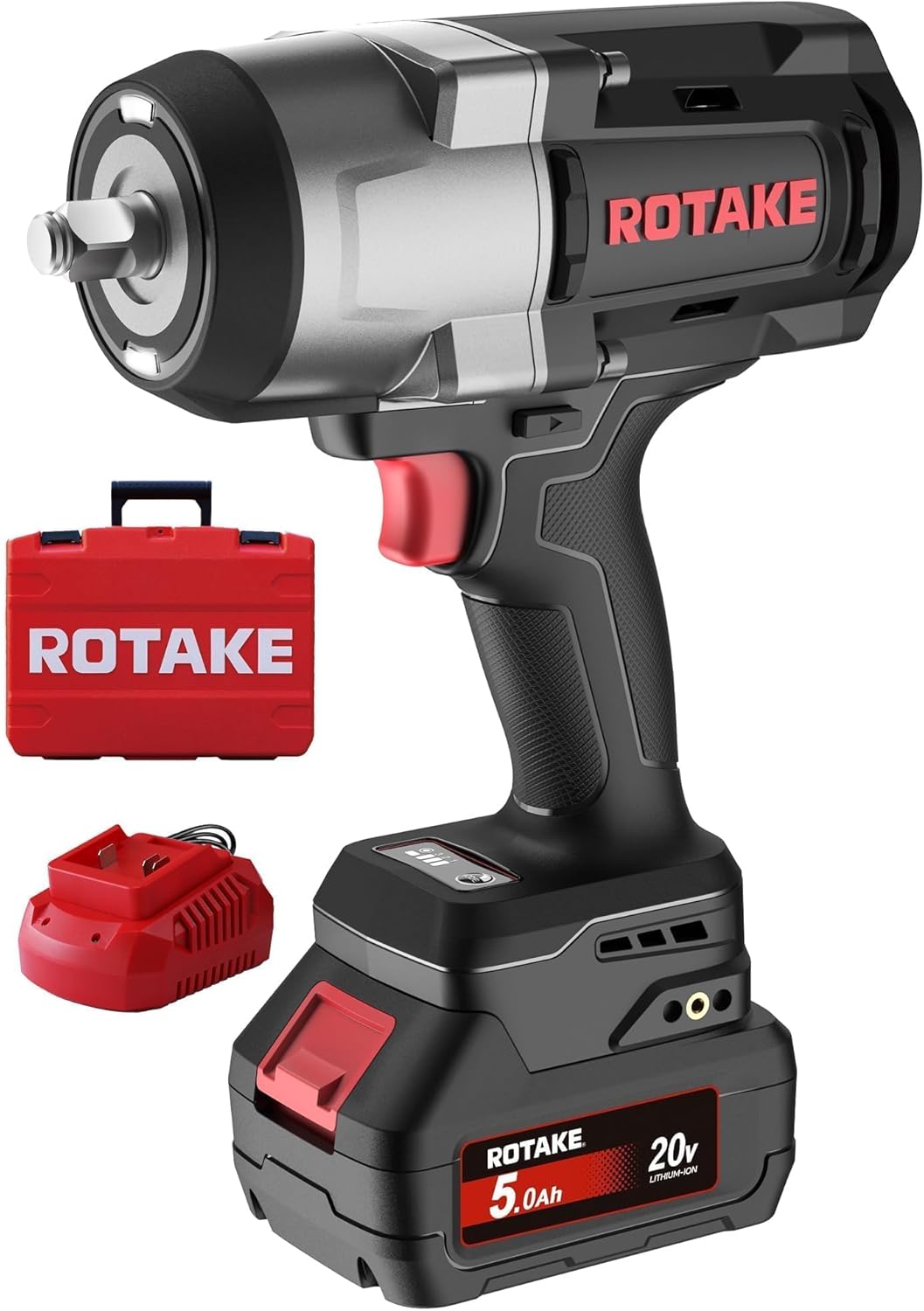
ROTAKE TB3 20V Heavy Duty 1/2" Cordless Impact Wrench Kit - 1380 Ft-Lbs Torque
$132 $219.99
36% OFF

Men's Athletic Running Shorts with Zipper Pockets - Lightweight & Quick Dry
$12.74 $19.99
61% OFF
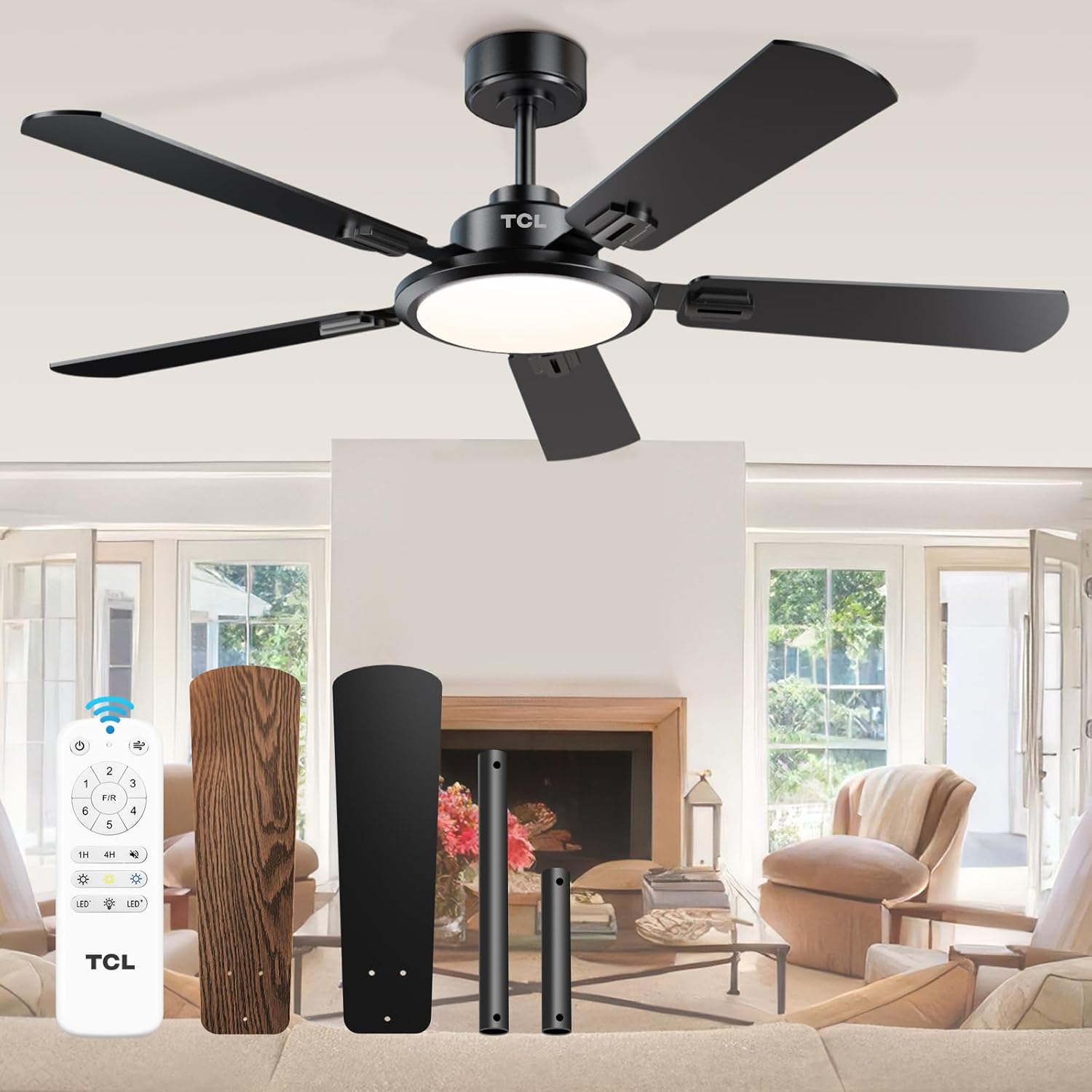
Modern Ceiling Fan with Light and Remote - Reversible Quiet DC Motor
$69.3 $179.99
50% OFF

MOOKA H13 True HEPA Air Purifier for Home Large Room - 1076 sq ft Odor Eliminator
$39.97 $79.95
60% OFF

Ekouaer Women's Satin Silky Pajama Set - Short Sleeve Pullover Top & Wide-Leg Pants
$13.99 $34.99
55% OFF

Ekouaer 3-Piece Maternity & Nursing Pajamas Set - Short Sleeve Top with Shorts and Pants
$14.99 $32.99
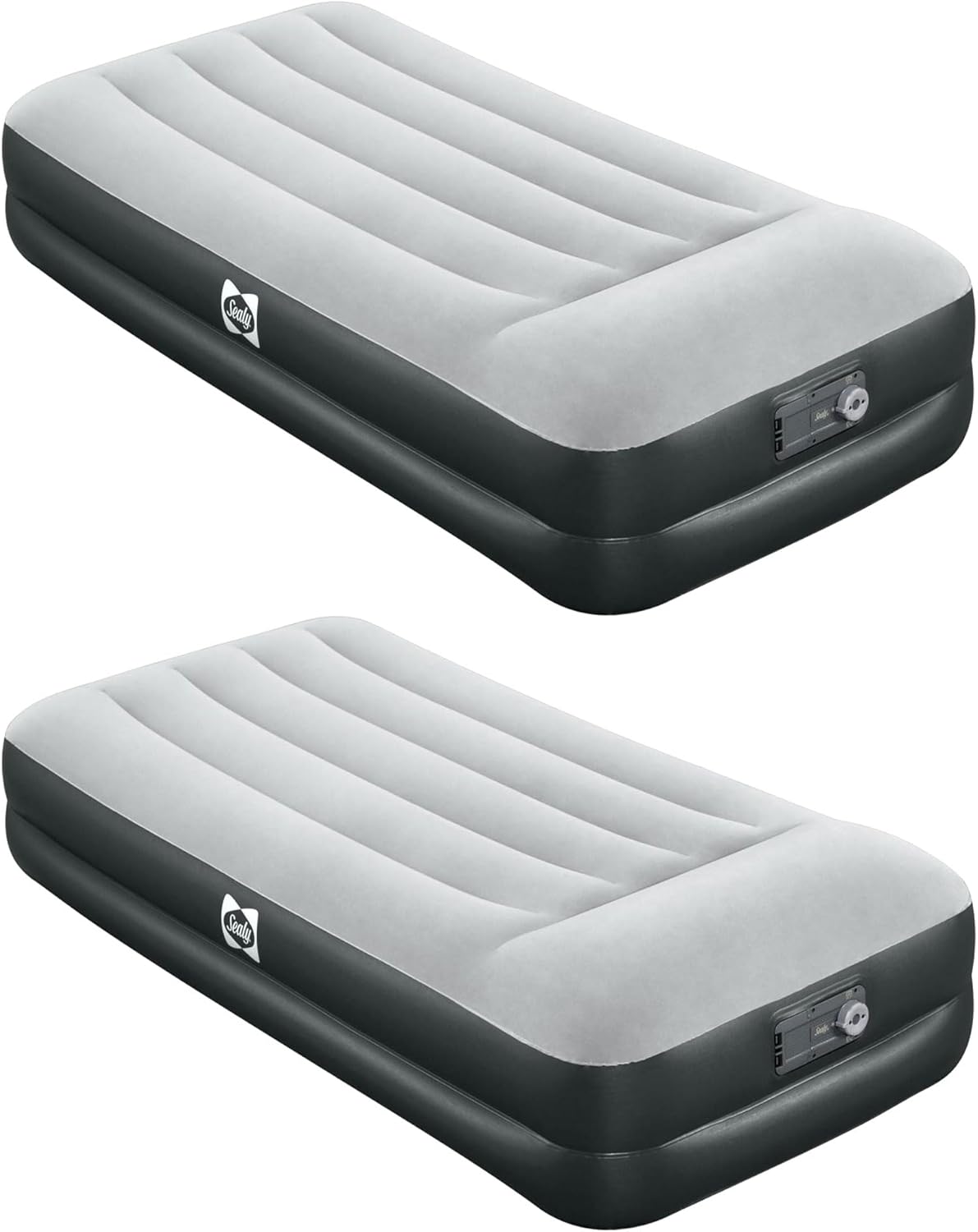
Sealy 2-Pack Tritech 16" Twin Inflatable Air Mattress with Built-in AC Pump
$0 $113.99
20% OFF
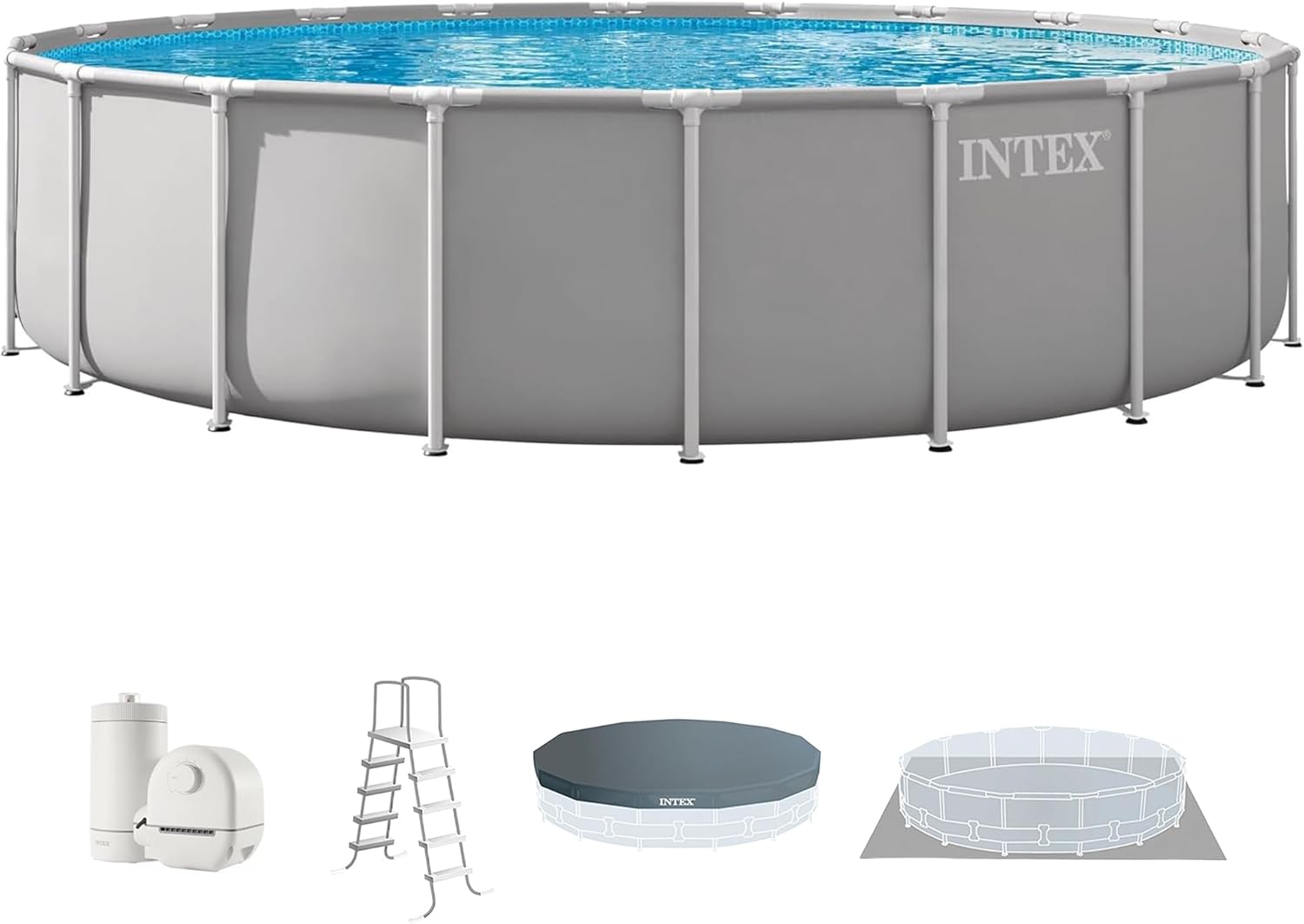
INTEX Prism Frame 20ft x 52in Above Ground Pool Set - Round Steel Frame Swimming Pool
$695.99 $869.99

Gardner Pet 43" Heavy Duty Dog Crate with Wheels - Indestructible Folding Metal Cage (Black)
$0 $149.99
12% OFF

Elegant Mid-Century Modern Bar Stools - Set of 4
$395.99 $449.99
23% OFF
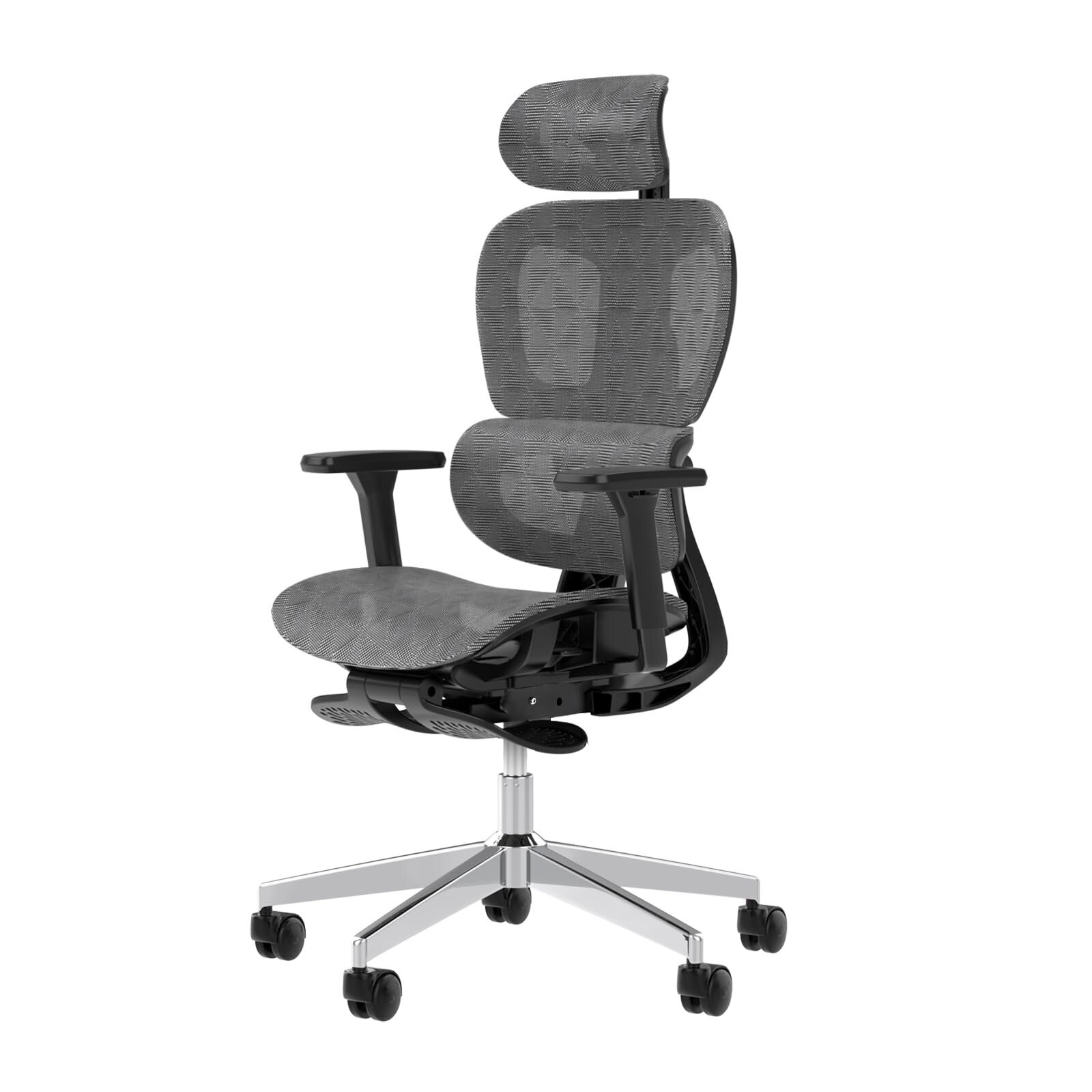
Ergonomic Office Chair - Big and Tall Desk Chair with Adjustable Lumbar Support
$279.99 $363.99
26% OFF

Magnelex American Flag Windshield Sun Shade - High-Resolution UV Reflective Heat Shield (X-Large)
$19.9 $26.9
20% OFF
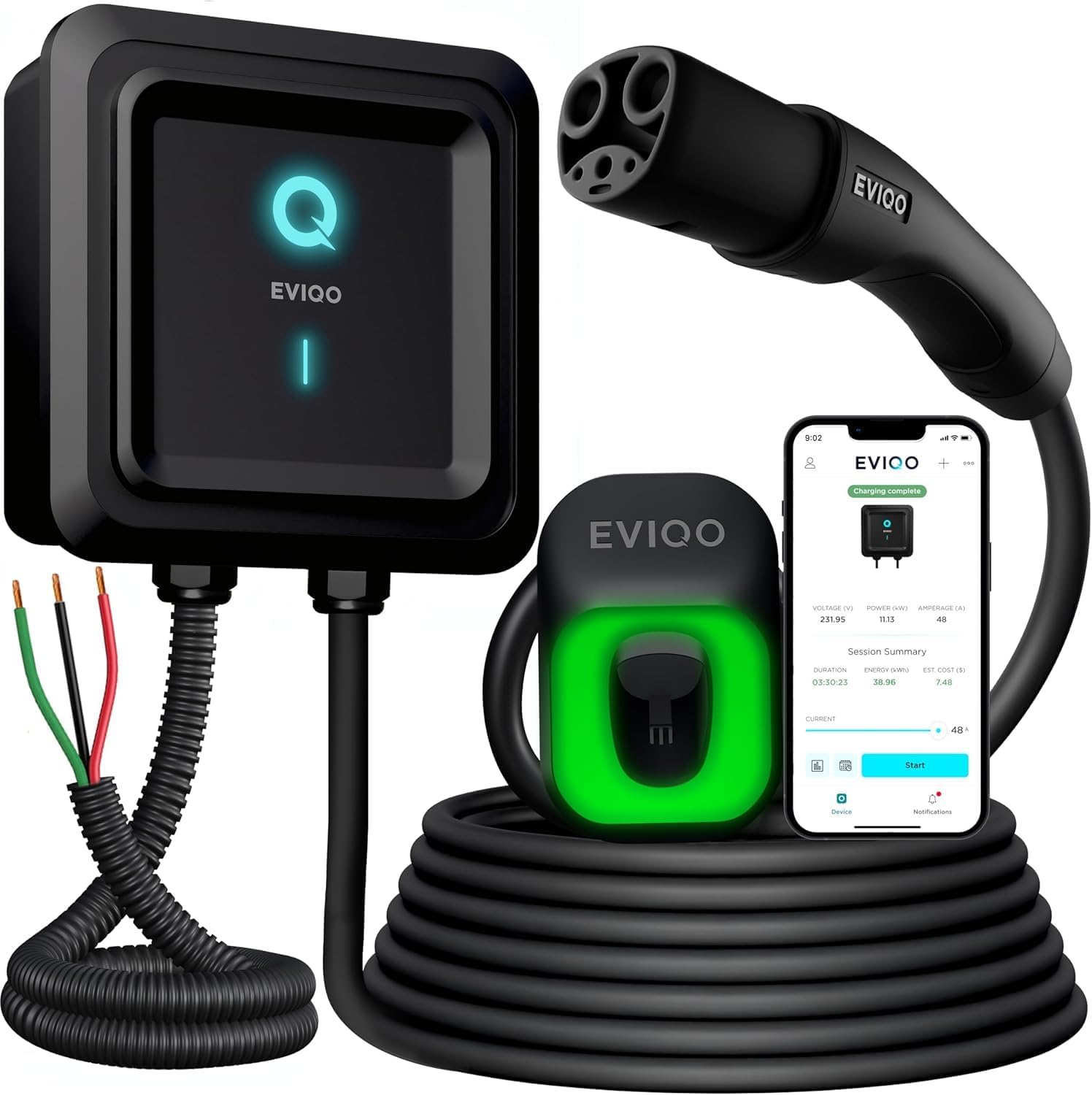
EVIQO 48 Amp NACS Level 2 EV Charger - Hardwired Smart WiFi Wall Charger for Tesla
$368.51 $458.55
50% OFF

DBFIT Air Purifier for Home Large Room
$29.99 $59.99




-

Historic Lancashire church secures £250,000 National Lottery grant for major roof repairs
-

Sunderland Minster PCC was right to push back over trans toilet sign
-

Secular group targets church over online preaching
-

Bethel Church distances itself from Todd Bentley and Mike Bickle
-

Christian police officer reaches settlement over diversity training discrimination claim
-

Christian loses case to remove LGBT symbols from workplace
Most Popular
News
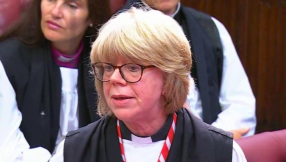
Archbishop of Canterbury highlights benefits and risks of AI
Archbishop Sarah Mullally joined the Pope in raising concerns about AI.

Church of England more than doubles conservation grants
The significant rise in funding was attributed partly to support from the National Lottery Heritage Fund.

Male silence has helped shape UK abortion culture
“Men and abortion is an area that is even more silenced than many of the other areas connected with women and abortion, which are silenced," says bioethicist Dr Anthony McCarthy.

Diary of a CEO’s Steven Bartlett and John Lennox discuss AI, faith and the search for meaning
The Oxford professor shared fears of a “colossal power grab” as AI continues to evolve.
VitaUp Beet Root Gummies with CoQ10 & Grape Seed - Nitric Oxide Circulation Support (60 Count)
$24.91
HDPE All-Weather Adirondack Chair with Built-In Cup Holder - Tool-Free Assembly (Grey)
$69.99
HOMETUK Clear Plastic Storage Bins with Dividers - 3-Pack Stackable Acrylic Organizer Containers for Fridge and Pantry
$19.99
G Gradual Men's Fishing Shirt - UPF 50+ Lightweight Short Sleeve Button Down with Zipper Pockets
$14.99
Everyfun 60" Rectangular Platform Tree Swing - 700lbs Heavy Duty Adjustable Outdoor Swing (Colorful)
$49.99
Ekouaer Women's Casual Loose Jumpsuit - One-Piece Printed Sleeveless Wide Leg Romper with Pockets
$14.99
ROTAKE TB3 20V Heavy Duty 1/2" Cordless Impact Wrench Kit - 1380 Ft-Lbs Torque
$132
Men's Athletic Running Shorts with Zipper Pockets - Lightweight & Quick Dry
$12.74
Modern Ceiling Fan with Light and Remote - Reversible Quiet DC Motor
$69.3
MOOKA H13 True HEPA Air Purifier for Home Large Room - 1076 sq ft Odor Eliminator
$39.97
Ekouaer Women's Satin Silky Pajama Set - Short Sleeve Pullover Top & Wide-Leg Pants
$13.99
Ekouaer 3-Piece Maternity & Nursing Pajamas Set - Short Sleeve Top with Shorts and Pants
$14.99
Sealy 2-Pack Tritech 16" Twin Inflatable Air Mattress with Built-in AC Pump
$0
INTEX Prism Frame 20ft x 52in Above Ground Pool Set - Round Steel Frame Swimming Pool
$695.99
Gardner Pet 43" Heavy Duty Dog Crate with Wheels - Indestructible Folding Metal Cage (Black)
$0
Elegant Mid-Century Modern Bar Stools - Set of 4
$395.99
Ergonomic Office Chair - Big and Tall Desk Chair with Adjustable Lumbar Support
$279.99
Magnelex American Flag Windshield Sun Shade - High-Resolution UV Reflective Heat Shield (X-Large)
$19.9
EVIQO 48 Amp NACS Level 2 EV Charger - Hardwired Smart WiFi Wall Charger for Tesla
$368.51
DBFIT Air Purifier for Home Large Room
$29.99