
A delegation from Christian Solidarity Worldwide (CSW) has just returned this week from a visit to Pakistan. Through meetings with former blasphemy prisoners in hiding, as well as church leaders, Parliamentarians, human rights activists, lawyers and women victims of sexual harassment and violence, CSW expressed their deep concern over the threat of the blasphemy law on the rights of religious minorities in Pakistan, especially the Christian population.
Pakistan is a Muslim dominated country. Adopted in 1986, Pakistan’s Blasphemy law imposes life imprisonment on anyone insulting the Qu‘ran and the death penalty on anyone defiling the name of Mohammed. However, one of the major complaints about the law is it is often misused to settle personal vendettas and arguments over property or money, particularly against the minority Christian community.
According to the National Commission for Justice and Peace of the Catholic Bishops Conference, between 1986 and 2003 at least 280 blasphemy cases were registered, more than 4,000 people have been accused of blasphemy. Of these, 254 cases were against Muslims; 203 Ahmadis; 78 Christians; 8 Hindus. There are currently over 30 blasphemy cases under trial or awaiting trial, including several Christians. Currently, some 560 people have been charged.
Minority and human rights activists have repeatedly called for the law’s repeal. One prominent campaigner for the rights of religious minorities told CSW, “We Christians are living among the hunting dogs. They want to see us dead. People who criticise the authorities, who are bold and active, are on a hit list.”
The CSW team met former blasphemy prisoner Aslam Masih, who spent almost five years in jail under two life sentences for blasphemy. He was seriously tortured in the prison, and even though he has now been released, he has to live a life of hiding.
His lawyer said, “He has no choice but to live in hiding. He lives in danger. A normal life is not possible for a former blasphemy prisoner in this society, even if he has been acquitted.”
Some reports even said that anyone charged with blasphemy in Pakistan, even if they are found innocent, becomes a target for Islamic extremists for the rest of their lives.
A lawyer who has represented many people, Muslim and non-Muslim, who are accused of blasphemy, was told by militant Islamists who beat him, held a gun to his head and warned, “We will not leave you. You are an enemy of Islam.”
In North-West Frontier Province (NWFP), which is governed by the pro-Taliban extremist group, the Muttahia Majlis-e-Amal (MMA), Islamic practices have been imposed on the province, despite reservations by the Council on Islamic Ideology.
The Director of the Human Rights Commission of Pakistan, I.A. Rehman, argues that the law will create “a vigilante force that will interfere in ordinary people’s lives. The weaker elements in society - women, minorities, children and workers – will be hit hardest. It will create a climate of fear.”
The All Pakistan Minorities Alliance (APMA), a prominent human rights advocacy organisation representing all religious minorities, has launched a campaign against the law in NWFP. As a result, activists such as APMA Chairman Shahbaz Bhatti have received threats from extremists and have been warned to halt the campaign immediately.
CSW is campaigning for the repeal of the blasphemy laws, and has urged President Musharraf to use his authority to prevent the implementation of the Hisba Act in NWFP.
“The blasphemy laws have been so widely abused for so long. Muslims and non-Muslims are affected by these unjust laws, and lives are torn apart,” said CSW’s Advocacy Director, Alexa Papadouris.
“We welcome the reformist tone that President Musharraf has set, but we urge him to go further. Procedural reform will not achieve anything. These laws must be repealed. If the President wants Pakistan to become an outward-looking, modern society accepted by the international community, then he must prevent the Hisba Act and curb the growth of extremism.”
11% OFF

VitaUp Beet Root Gummies with CoQ10 & Grape Seed - Nitric Oxide Circulation Support (60 Count)
$24.91 $27.91
50% OFF
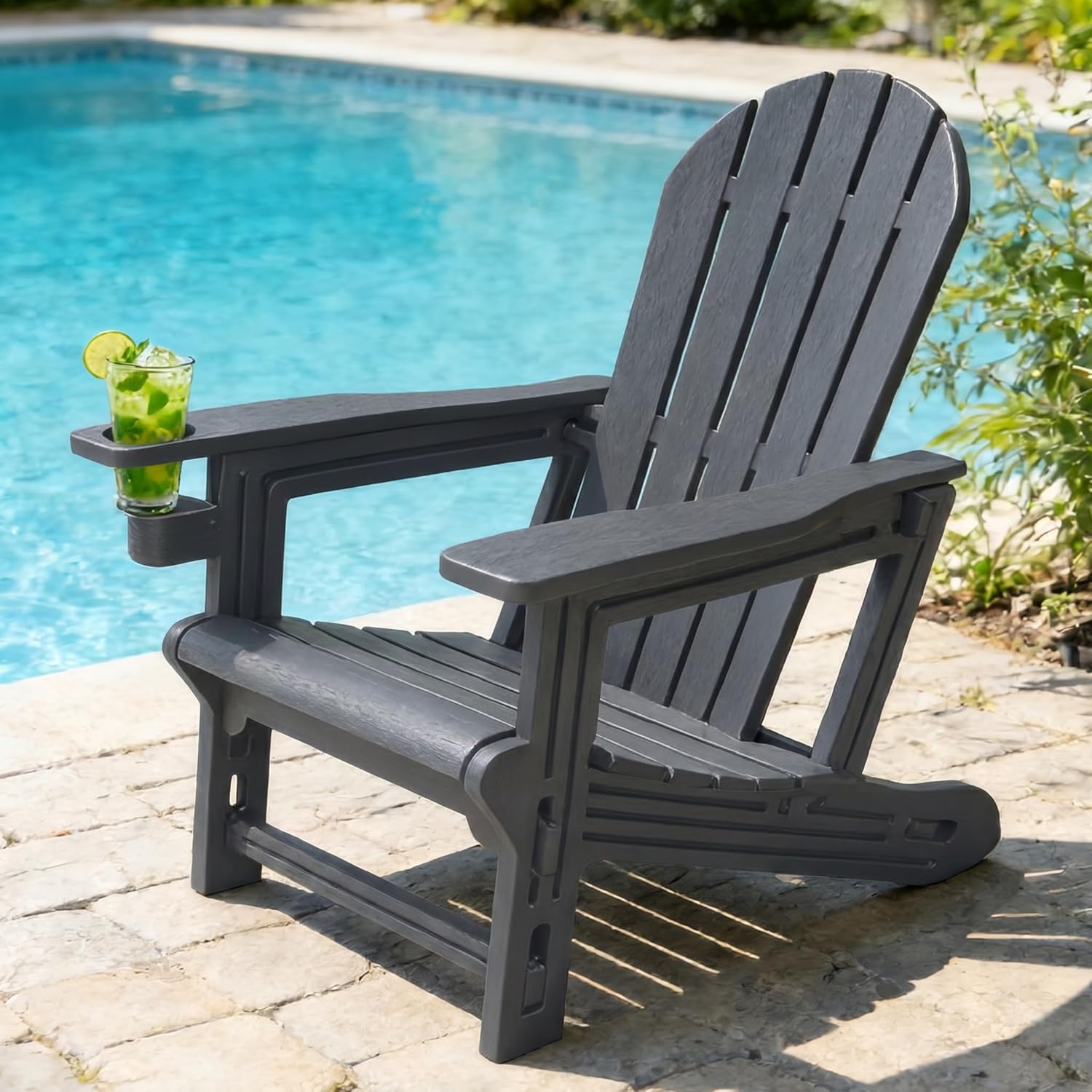
HDPE All-Weather Adirondack Chair with Built-In Cup Holder - Tool-Free Assembly (Grey)
$69.99 $139.99
60% OFF

HOMETUK Clear Plastic Storage Bins with Dividers - 3-Pack Stackable Acrylic Organizer Containers for Fridge and Pantry
$19.99 $49.99
58% OFF
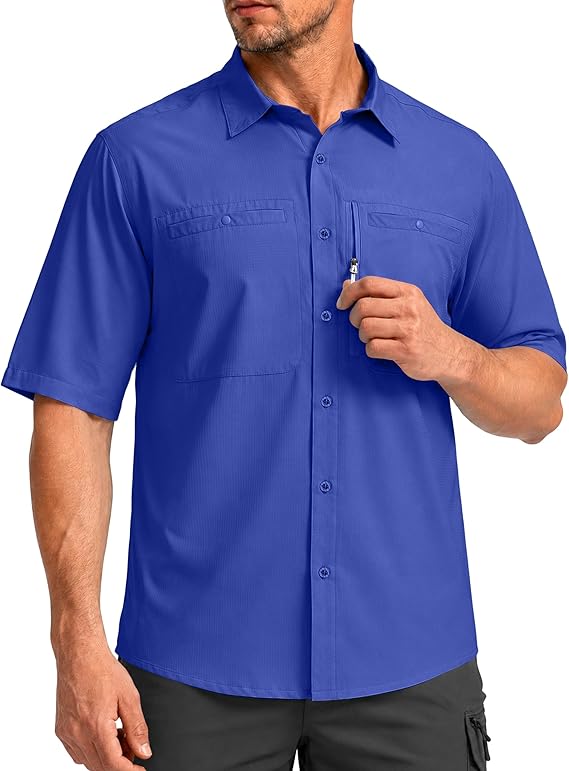
G Gradual Men's Fishing Shirt - UPF 50+ Lightweight Short Sleeve Button Down with Zipper Pockets
$14.99 $35.99
55% OFF
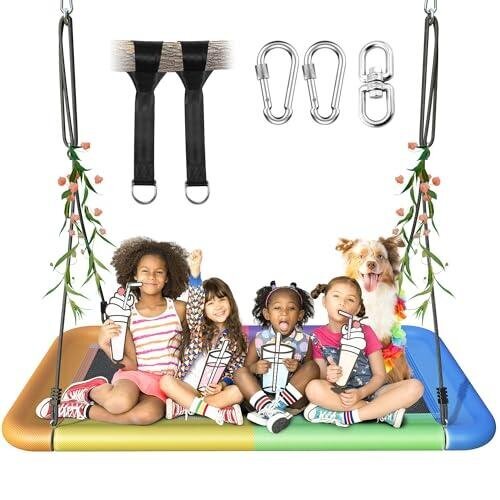
Everyfun 60" Rectangular Platform Tree Swing - 700lbs Heavy Duty Adjustable Outdoor Swing (Colorful)
$49.99 $110.99
61% OFF
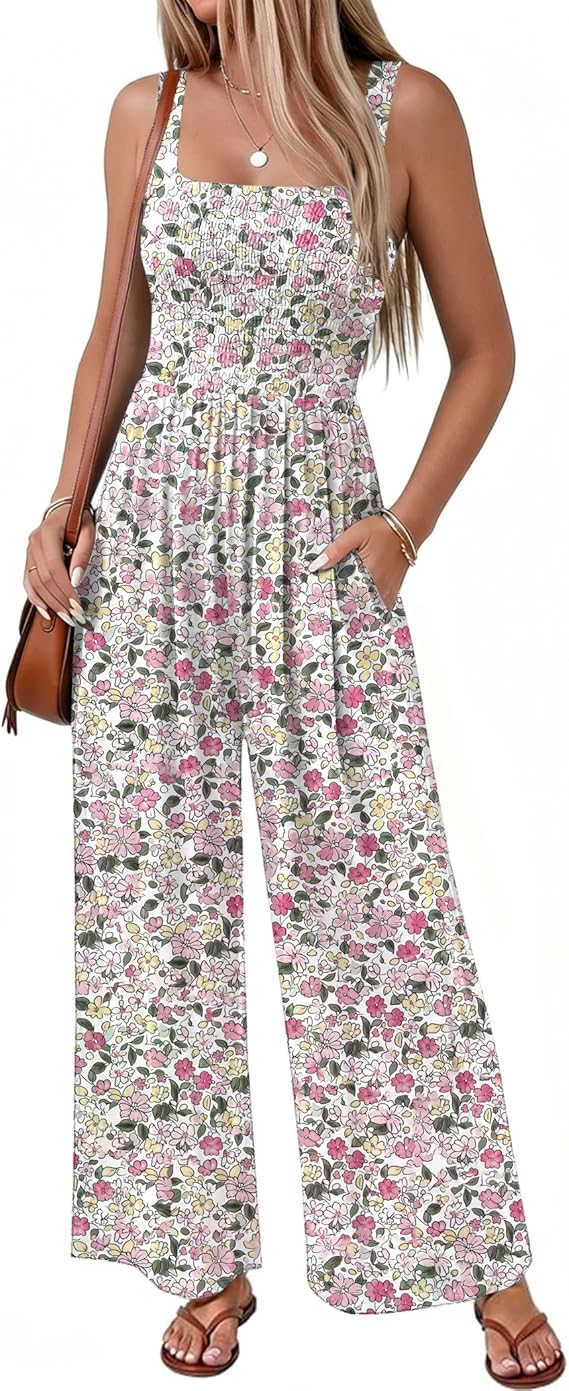
Ekouaer Women's Casual Loose Jumpsuit - One-Piece Printed Sleeveless Wide Leg Romper with Pockets
$14.99 $37.99
40% OFF
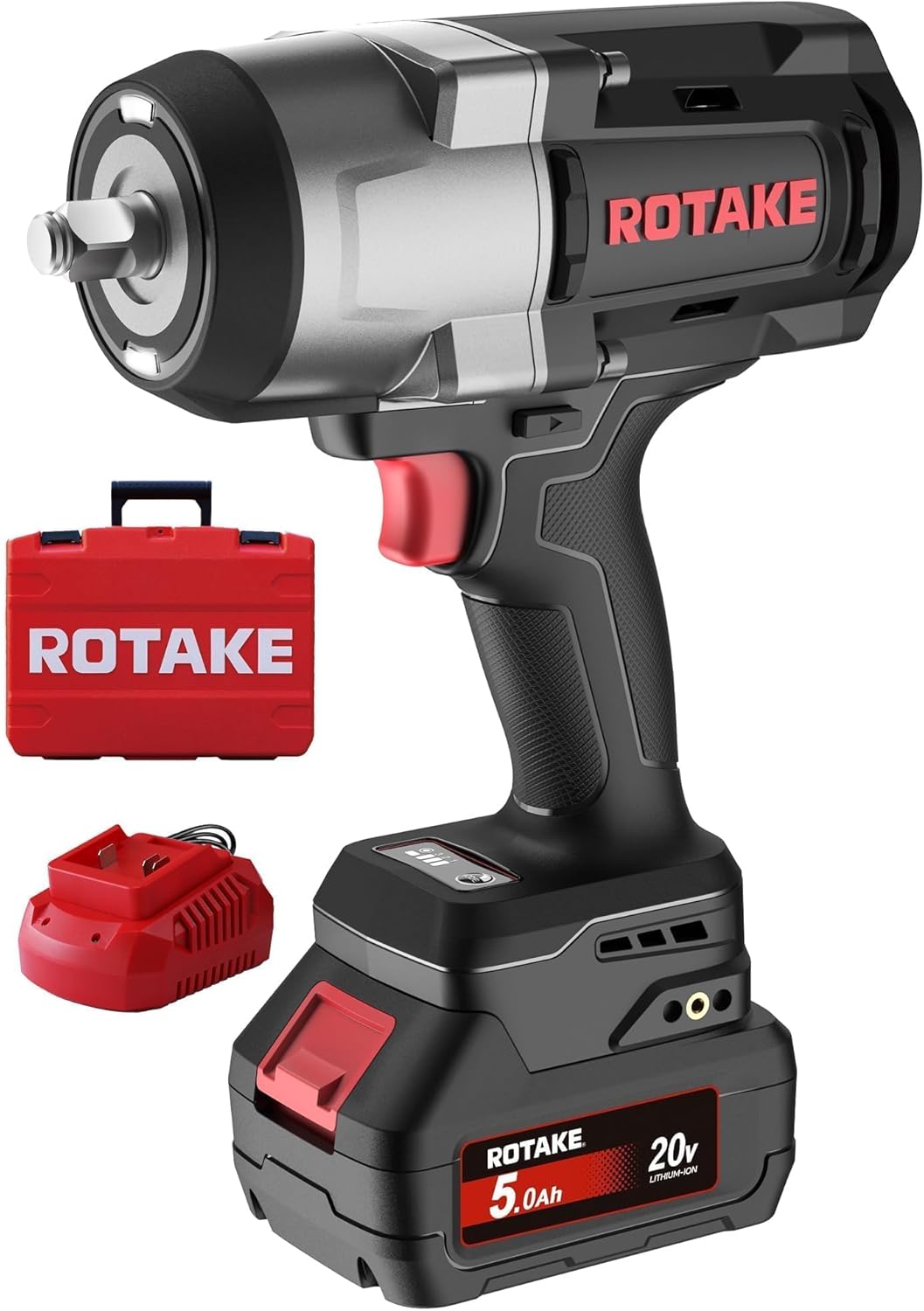
ROTAKE TB3 20V Heavy Duty 1/2" Cordless Impact Wrench Kit - 1380 Ft-Lbs Torque
$132 $219.99
36% OFF
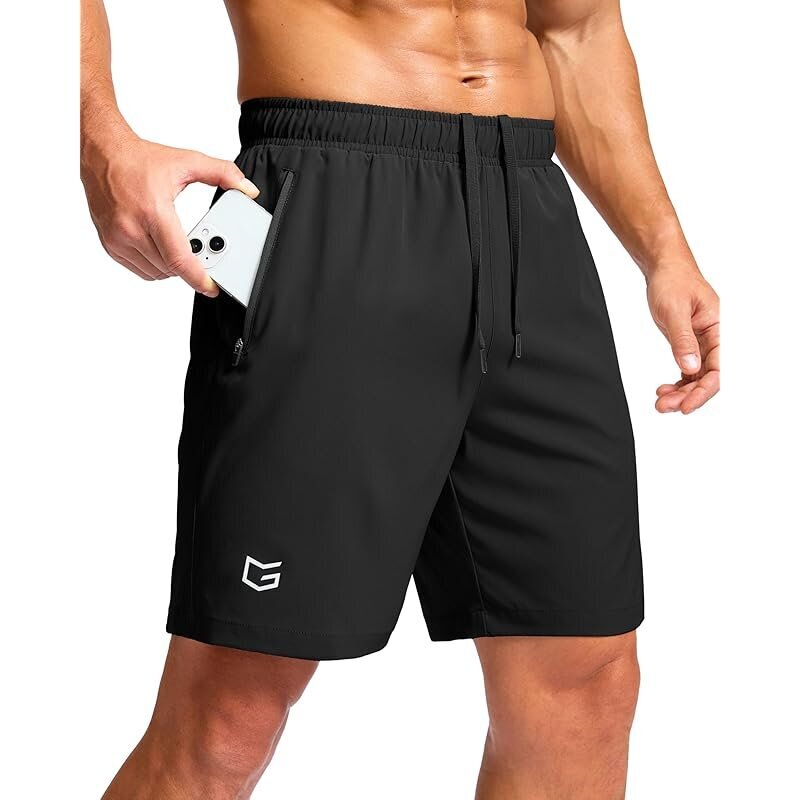
Men's Athletic Running Shorts with Zipper Pockets - Lightweight & Quick Dry
$12.74 $19.99
61% OFF
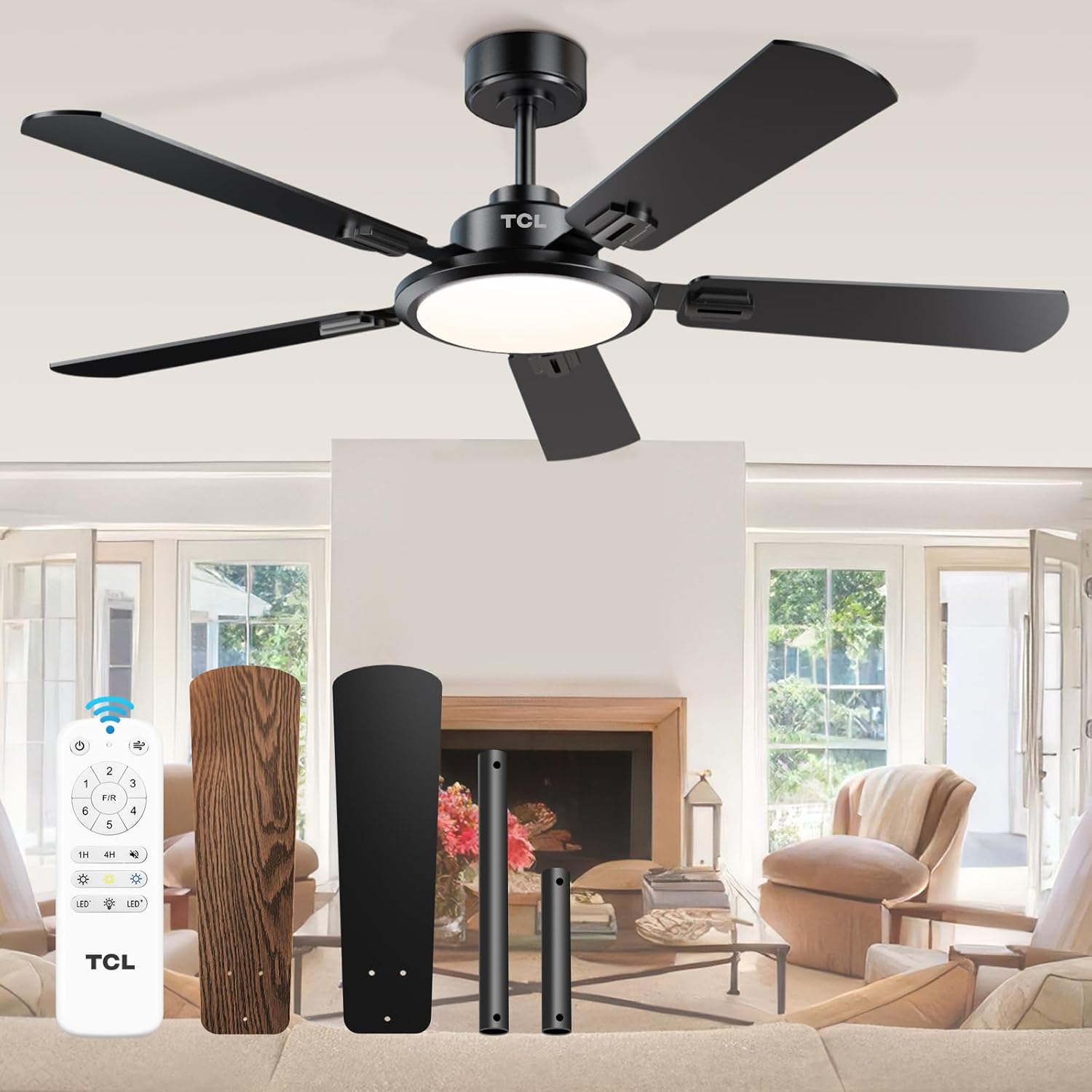
Modern Ceiling Fan with Light and Remote - Reversible Quiet DC Motor
$69.3 $179.99
50% OFF
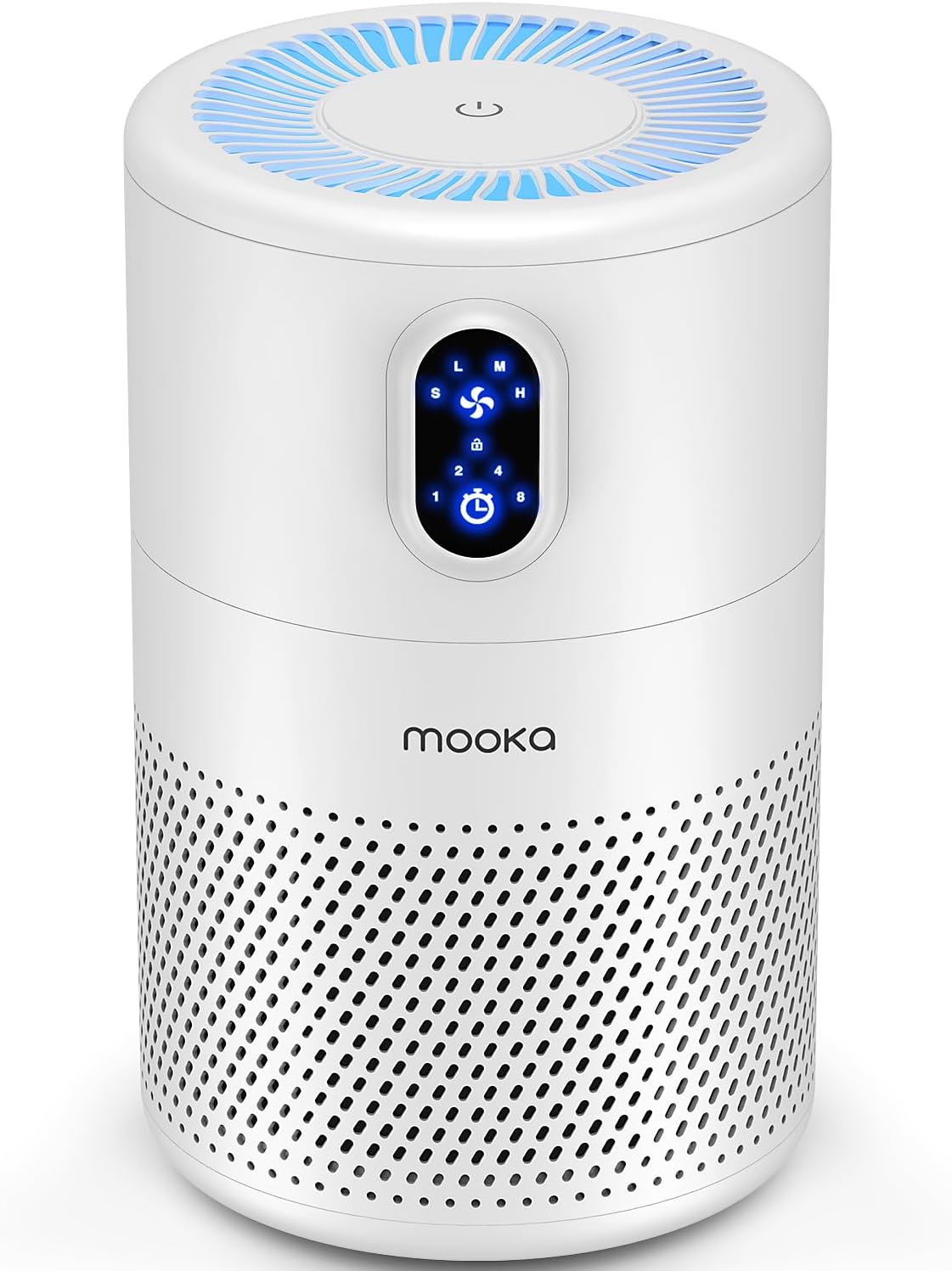
MOOKA H13 True HEPA Air Purifier for Home Large Room - 1076 sq ft Odor Eliminator
$39.97 $79.95
60% OFF

Ekouaer Women's Satin Silky Pajama Set - Short Sleeve Pullover Top & Wide-Leg Pants
$13.99 $34.99
55% OFF

Ekouaer 3-Piece Maternity & Nursing Pajamas Set - Short Sleeve Top with Shorts and Pants
$14.99 $32.99
Sealy 2-Pack Tritech 16" Twin Inflatable Air Mattress with Built-in AC Pump
$0 $113.99
20% OFF
INTEX Prism Frame 20ft x 52in Above Ground Pool Set - Round Steel Frame Swimming Pool
$695.99 $869.99

Gardner Pet 43" Heavy Duty Dog Crate with Wheels - Indestructible Folding Metal Cage (Black)
$0 $149.99
12% OFF

Elegant Mid-Century Modern Bar Stools - Set of 4
$395.99 $449.99
23% OFF

Ergonomic Office Chair - Big and Tall Desk Chair with Adjustable Lumbar Support
$279.99 $363.99
26% OFF

Magnelex American Flag Windshield Sun Shade - High-Resolution UV Reflective Heat Shield (X-Large)
$19.9 $26.9
20% OFF
EVIQO 48 Amp NACS Level 2 EV Charger - Hardwired Smart WiFi Wall Charger for Tesla
$368.51 $458.55
50% OFF

DBFIT Air Purifier for Home Large Room
$29.99 $59.99




-

Historic Lancashire church secures £250,000 National Lottery grant for major roof repairs
-
Sunderland Minster PCC was right to push back over trans toilet sign
-

Bethel Church distances itself from Todd Bentley and Mike Bickle
-

Christian police officer reaches settlement over diversity training discrimination claim
-
Turkey's hidden Christian past: Extraordinary discoveries are rewriting the story of early Christianity
-

Washington Archdiocese parts ways with exorcist priest over UFO remarks
Most Popular
News
Churches must disciple well and listen well in response to rise of Christian nationalism
Churches have a task on their hands to raise standards of theological literacy in their congregations amid growing Christian nationalism, while at the same time listening to and engaging with the concerns of people in their flock.

A Christian response to the crisis facing young people
The Church has a wonderful message of hope to share with young people increasingly feeling a sense of nihilism and hopelessness at the state of the world, writes Tim Farron.

Tributes paid to Operation Mobilisation co-founder Dale Rhoton
Tributes have been paid to Dale Rhoton, one of the co-founders of international mission organisation Operation Mobilisation (OM), after his death at the age of 88.

Doctors should work for good of the patient, not facilitate suicide, says Christian Medical Fellowship
Suicide is always a tragedy that should be resisted, the CMF suggested.
VitaUp Beet Root Gummies with CoQ10 & Grape Seed - Nitric Oxide Circulation Support (60 Count)
$24.91
HDPE All-Weather Adirondack Chair with Built-In Cup Holder - Tool-Free Assembly (Grey)
$69.99
HOMETUK Clear Plastic Storage Bins with Dividers - 3-Pack Stackable Acrylic Organizer Containers for Fridge and Pantry
$19.99
G Gradual Men's Fishing Shirt - UPF 50+ Lightweight Short Sleeve Button Down with Zipper Pockets
$14.99
Everyfun 60" Rectangular Platform Tree Swing - 700lbs Heavy Duty Adjustable Outdoor Swing (Colorful)
$49.99
Ekouaer Women's Casual Loose Jumpsuit - One-Piece Printed Sleeveless Wide Leg Romper with Pockets
$14.99
ROTAKE TB3 20V Heavy Duty 1/2" Cordless Impact Wrench Kit - 1380 Ft-Lbs Torque
$132
Men's Athletic Running Shorts with Zipper Pockets - Lightweight & Quick Dry
$12.74
Modern Ceiling Fan with Light and Remote - Reversible Quiet DC Motor
$69.3
MOOKA H13 True HEPA Air Purifier for Home Large Room - 1076 sq ft Odor Eliminator
$39.97
Ekouaer Women's Satin Silky Pajama Set - Short Sleeve Pullover Top & Wide-Leg Pants
$13.99
Ekouaer 3-Piece Maternity & Nursing Pajamas Set - Short Sleeve Top with Shorts and Pants
$14.99
Sealy 2-Pack Tritech 16" Twin Inflatable Air Mattress with Built-in AC Pump
$0
INTEX Prism Frame 20ft x 52in Above Ground Pool Set - Round Steel Frame Swimming Pool
$695.99
Gardner Pet 43" Heavy Duty Dog Crate with Wheels - Indestructible Folding Metal Cage (Black)
$0
Elegant Mid-Century Modern Bar Stools - Set of 4
$395.99
Ergonomic Office Chair - Big and Tall Desk Chair with Adjustable Lumbar Support
$279.99
Magnelex American Flag Windshield Sun Shade - High-Resolution UV Reflective Heat Shield (X-Large)
$19.9
EVIQO 48 Amp NACS Level 2 EV Charger - Hardwired Smart WiFi Wall Charger for Tesla
$368.51
DBFIT Air Purifier for Home Large Room
$29.99