
Chinese troops racing to drain an "earthquake lake" made substantial progress digging a diversion channel and have created emergency escape paths in case a mud and rock dam gives way.
The landslide-blocked river at Tangjiashan in southwest China is now the most pressing danger after an earthquake devastated the region on May 12.
Meanwhile, an official investigator pinpointed the poor design and construction of at least one of the many schools that collapsed during the 7.9 magnitude quake, killing thousands of children.
The death toll from the quake is more than 68,500 and is sure to rise with nearly 20,000 missing. Aftershocks have toppled 420,000 houses, most already uninhabitable.
A massive relief effort to provide food, tents and clothing for millions and rebuild houses and infrastructure is expected to take up to three years.
At the unstable Tangjiashan lake, hundreds of troops have removed more than a third of the earth for a channel intended to ease pressure from the rising waters in the mountainous province of Sichuan, an official spokesman said on Friday.
"The work on the blocked lake is going smoothly and at this pace it should be completed soon," said Zhou Hua, an official from nearby Mianyang city involved in the drainage effort.
Zhou declined to say when the operation was likely to finish. But up to 190,000 residents downstream had moved to higher ground - usually hillsides close to where they were living before - to avoid a surge of water if the blockage suddenly gave way.
"At this stage, the situation is under control, but we've set in place this contingency plan to minimise any possible damage."
Xinhua news agency said the water level was nearly 23 metres (75 feet) below the lowest point of the barrier, which experts have said could give way quickly once breached. Troops have also built escape paths in the event that happens, Xinhua said.
Post-quake reconstruction work has only just begun, and tens of thousands of survivors are now threatened by more than 30 quake lakes, formed by landslides, that could break through the natural dams, flooding downstream towns and reservoirs.
Donations from home and abroad had reached 37.3 billion yuan (2.72 billion pounds) by Thursday. China has also enacted a special statute to punish those found misusing relief goods and donations and Beijing has sent 300 auditors to the area.
Japan had shelved plans for its military to fly tents and blankets to China, a Japanese government official said on Friday, after messages on Chinese Internet sites linked the plan to Tokyo's World War Two atrocities in the country.
CHILDREN
Domestic media reports compiled by Reuters put the combined toll from deaths of children and teachers in the rubble of schools at more than 9,000. The Chinese public has been outraged by the disproportionate number.
An official investigator said one the schools that crumpled, the Juyuan Middle School, where hundreds of children died, was fatally weakened by poor design and materials.
"There were certainly problems with site selection, the building's structure and structural features, the construction and materials," Chen Baosheng, an expert from Tongji University in Shanghai, told the Southern Weekend.
And an education official in Sichuan has withdrawn from the Beijing Olympic torch rally in atonement.
The number of prospective orphans in the quake area has dropped dramatically as more children were reunited with their parents, Xinhua quoted local officials as saying.
There were about 1,000 "unclaimed children" in Sichuan as of Wednesday, down from more than 8,000 immediately after the earthquake, Xinhua said, adding civil affairs authorities had been overwhelmed by calls seeking to adopt those quake orphans.
The Ministry of Education has ordered universities to recruit more high school students in Sichuan - 2 percent more than the original quotas - in the upcoming national college entrance exams. Many in the quake area have had to prepare for the competitive test in makeshift classrooms in tents.
On Friday, China's first astronaut, Yang Liwei, visited such a school in a tent city in Mianyang, one of the worst-hit areas.
"As science and technology make progress, you will definitely realise a more ambitious dream by landing on the moon and Mars," Yang said, trying to cheer on a class in a Children's Day event shown on state television.
11% OFF

VitaUp Beet Root Gummies with CoQ10 & Grape Seed - Nitric Oxide Circulation Support (60 Count)
$24.91 $27.91
50% OFF

HDPE All-Weather Adirondack Chair with Built-In Cup Holder - Tool-Free Assembly (Grey)
$69.99 $139.99
60% OFF

HOMETUK Clear Plastic Storage Bins with Dividers - 3-Pack Stackable Acrylic Organizer Containers for Fridge and Pantry
$19.99 $49.99
58% OFF

G Gradual Men's Fishing Shirt - UPF 50+ Lightweight Short Sleeve Button Down with Zipper Pockets
$14.99 $35.99
55% OFF

Everyfun 60" Rectangular Platform Tree Swing - 700lbs Heavy Duty Adjustable Outdoor Swing (Colorful)
$49.99 $110.99
61% OFF

Ekouaer Women's Casual Loose Jumpsuit - One-Piece Printed Sleeveless Wide Leg Romper with Pockets
$14.99 $37.99
40% OFF

ROTAKE TB3 20V Heavy Duty 1/2" Cordless Impact Wrench Kit - 1380 Ft-Lbs Torque
$132 $219.99
36% OFF

Men's Athletic Running Shorts with Zipper Pockets - Lightweight & Quick Dry
$12.74 $19.99
61% OFF

Modern Ceiling Fan with Light and Remote - Reversible Quiet DC Motor
$69.3 $179.99
50% OFF

MOOKA H13 True HEPA Air Purifier for Home Large Room - 1076 sq ft Odor Eliminator
$39.97 $79.95
60% OFF

Ekouaer Women's Satin Silky Pajama Set - Short Sleeve Pullover Top & Wide-Leg Pants
$13.99 $34.99
55% OFF

Ekouaer 3-Piece Maternity & Nursing Pajamas Set - Short Sleeve Top with Shorts and Pants
$14.99 $32.99

Sealy 2-Pack Tritech 16" Twin Inflatable Air Mattress with Built-in AC Pump
$0 $113.99
20% OFF

INTEX Prism Frame 20ft x 52in Above Ground Pool Set - Round Steel Frame Swimming Pool
$695.99 $869.99

Gardner Pet 43" Heavy Duty Dog Crate with Wheels - Indestructible Folding Metal Cage (Black)
$0 $149.99
12% OFF

Elegant Mid-Century Modern Bar Stools - Set of 4
$395.99 $449.99
23% OFF

Ergonomic Office Chair - Big and Tall Desk Chair with Adjustable Lumbar Support
$279.99 $363.99
26% OFF

Magnelex American Flag Windshield Sun Shade - High-Resolution UV Reflective Heat Shield (X-Large)
$19.9 $26.9
20% OFF
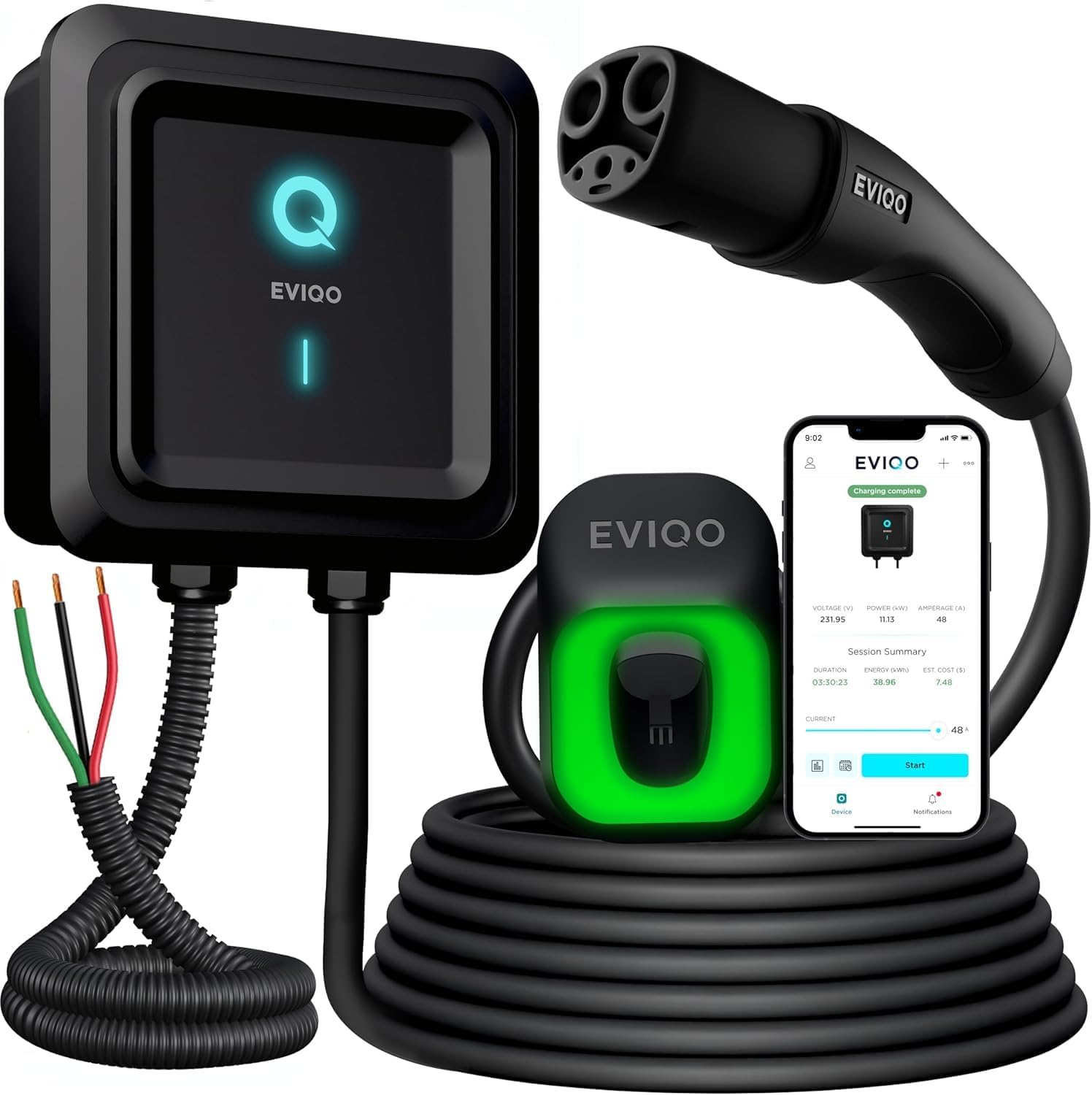
EVIQO 48 Amp NACS Level 2 EV Charger - Hardwired Smart WiFi Wall Charger for Tesla
$368.51 $458.55
50% OFF

DBFIT Air Purifier for Home Large Room
$29.99 $59.99




-

Historic Lancashire church secures £250,000 National Lottery grant for major roof repairs
-

Sunderland Minster PCC was right to push back over trans toilet sign
-

Bethel Church distances itself from Todd Bentley and Mike Bickle
-

Christian police officer reaches settlement over diversity training discrimination claim
-
Turkey's hidden Christian past: Extraordinary discoveries are rewriting the story of early Christianity
-

Washington Archdiocese parts ways with exorcist priest over UFO remarks
Most Popular
News

A Christian response to the crisis facing young people
The Church has a wonderful message of hope to share with young people increasingly feeling a sense of nihilism and hopelessness at the state of the world, writes Tim Farron.

Tributes paid to Operation Mobilisation co-founder Dale Rhoton
Tributes have been paid to Dale Rhoton, one of the co-founders of international mission organisation Operation Mobilisation (OM), after his death at the age of 88.

Doctors should work for good of the patient, not facilitate suicide, says Christian Medical Fellowship
Suicide is always a tragedy that should be resisted, the CMF suggested.

Parents play decisive role in passing faith to the next generation, study finds
Parents who actively practise and discuss their faith at home are significantly more likely to see their children remain committed Christians into adulthood, according to a major new study.
VitaUp Beet Root Gummies with CoQ10 & Grape Seed - Nitric Oxide Circulation Support (60 Count)
$24.91
HDPE All-Weather Adirondack Chair with Built-In Cup Holder - Tool-Free Assembly (Grey)
$69.99
HOMETUK Clear Plastic Storage Bins with Dividers - 3-Pack Stackable Acrylic Organizer Containers for Fridge and Pantry
$19.99
G Gradual Men's Fishing Shirt - UPF 50+ Lightweight Short Sleeve Button Down with Zipper Pockets
$14.99
Everyfun 60" Rectangular Platform Tree Swing - 700lbs Heavy Duty Adjustable Outdoor Swing (Colorful)
$49.99
Ekouaer Women's Casual Loose Jumpsuit - One-Piece Printed Sleeveless Wide Leg Romper with Pockets
$14.99
ROTAKE TB3 20V Heavy Duty 1/2" Cordless Impact Wrench Kit - 1380 Ft-Lbs Torque
$132
Men's Athletic Running Shorts with Zipper Pockets - Lightweight & Quick Dry
$12.74
Modern Ceiling Fan with Light and Remote - Reversible Quiet DC Motor
$69.3
MOOKA H13 True HEPA Air Purifier for Home Large Room - 1076 sq ft Odor Eliminator
$39.97
Ekouaer Women's Satin Silky Pajama Set - Short Sleeve Pullover Top & Wide-Leg Pants
$13.99
Ekouaer 3-Piece Maternity & Nursing Pajamas Set - Short Sleeve Top with Shorts and Pants
$14.99
Sealy 2-Pack Tritech 16" Twin Inflatable Air Mattress with Built-in AC Pump
$0
INTEX Prism Frame 20ft x 52in Above Ground Pool Set - Round Steel Frame Swimming Pool
$695.99
Gardner Pet 43" Heavy Duty Dog Crate with Wheels - Indestructible Folding Metal Cage (Black)
$0
Elegant Mid-Century Modern Bar Stools - Set of 4
$395.99
Ergonomic Office Chair - Big and Tall Desk Chair with Adjustable Lumbar Support
$279.99
Magnelex American Flag Windshield Sun Shade - High-Resolution UV Reflective Heat Shield (X-Large)
$19.9
EVIQO 48 Amp NACS Level 2 EV Charger - Hardwired Smart WiFi Wall Charger for Tesla
$368.51
DBFIT Air Purifier for Home Large Room
$29.99