
President George W. Bush offered relatively upbeat assessments of the wars in Iraq and Afghanistan that failed to address how hard it may be for his successor to stabilize them, analysts said.
In his final State of the Union speech on Monday, the outgoing Republican president argued that over the past year Iraq has seen declining violence and growing political reconciliation among its main Shi'ite, Sunni and Kurdish ethnic groups.
In Afghanistan, he described "a nation that was once a safe haven for al Qaeda" as "a young democracy where boys and girls are going to school, new roads and hospitals are being built, and people are looking to the future with new hope."
In both cases, analysts said Bush painted an unduly rosy picture and omitted key factors that threaten their stability.
"There has been a substantial decrease in violence (in Iraq) -- that is undeniable -- but there really has been little fundamental progress toward political reconciliation that the president trumpeted today," said Kurt Campbell, chief executive of the Center for a New American Security think tank.
Bush largely attributed the decline in the violence in Iraq to the "surge" of troops that he ordered a year ago and to the emergence of Sunni groups willing to make common cause with U.S. forces to fight against Al Qaeda in Iraq militants.
Carlos Pascual, director of foreign policy at the Brookings Institution, said the 80,000 Sunni militia members fighting with the Americans were not integrated into Iraqi security forces and deeply distrust the Shi'ite-dominated government.
Two other factors contributing to the decline in violence are anti-American Shi'ite cleric Moqtada al-Sadr's decision to suspend operations by his Mehdi Army militia and an apparent reduction in Iran's support for Shi'ite insurgents.
Both decisions could be reversed, worsening the situation.
"This is not a balance of stability that gives one much confidence," Pascual said.
'ENORMOUS PERIL'
Bush said 20,000 U.S. forces injected into Iraq during the surge would gradually come home this year, leaving roughly 140,000 troops in the country. He made no promises on further reductions, saying this depended on conditions on the ground.
Analysts said this likely meant that the next president will have come into office with more than 100,000 troops in Iraq.
While praising the work of NATO forces in Afghanistan, Bush made no mention of sniping in the alliance that some members are reluctant to allow their troops to go into combat, of the burgeoning opium trade or of the rise in suicide bombings.
The United States recently announced plans to send 3,200 more U.S. troops to Afghanistan, an implicit acknowledgment that it has not gotten the help from its allies that it had hoped and is therefore coming up with the manpower itself.
"The best case scenario is that we have a steady state in Afghanistan and Iraq and that neither of the two deteriorates further" before Bush leaves office, Pascual said.
"If you look at the (next president's) inheritance, we are going to have two wars raging, with probably something like 130,000 or 150,000 troops engaged," Campbell said. "We have got a huge challenge with a rising China, serious worries in Pakistan and Iran and the total absence of Middle East peace."
"I don't think he adequately reflected that ... we are in the midst of one of the most difficult and tragic experiences in our foreign policy ... with enormous peril," he added.
In his speech, Bush made no mention of North Korea, an area where the administration can claim some progress. North Korea has taken steps toward giving up its nuclear weapons, allowing the disablement of its nuclear facilities at Yongbyon.
He also spent relatively little time on the Middle East, stressing his desire to see Israelis and Palestinians strike a peace deal before he leaves office but did not talk about the many difficulties on the ground.
"What must be bittersweet for him is that he had hoped to be handing off successes to the next president, but all the things he cares about on the foreign policy front are going to be profound challenges for his successor," said Jon Alterman, director of the Middle East program at the CSIS think tank.
11% OFF

VitaUp Beet Root Gummies with CoQ10 & Grape Seed - Nitric Oxide Circulation Support (60 Count)
$24.91 $27.91
50% OFF

HDPE All-Weather Adirondack Chair with Built-In Cup Holder - Tool-Free Assembly (Grey)
$69.99 $139.99
60% OFF

HOMETUK Clear Plastic Storage Bins with Dividers - 3-Pack Stackable Acrylic Organizer Containers for Fridge and Pantry
$19.99 $49.99
58% OFF

G Gradual Men's Fishing Shirt - UPF 50+ Lightweight Short Sleeve Button Down with Zipper Pockets
$14.99 $35.99
55% OFF

Everyfun 60" Rectangular Platform Tree Swing - 700lbs Heavy Duty Adjustable Outdoor Swing (Colorful)
$49.99 $110.99
61% OFF

Ekouaer Women's Casual Loose Jumpsuit - One-Piece Printed Sleeveless Wide Leg Romper with Pockets
$14.99 $37.99
40% OFF
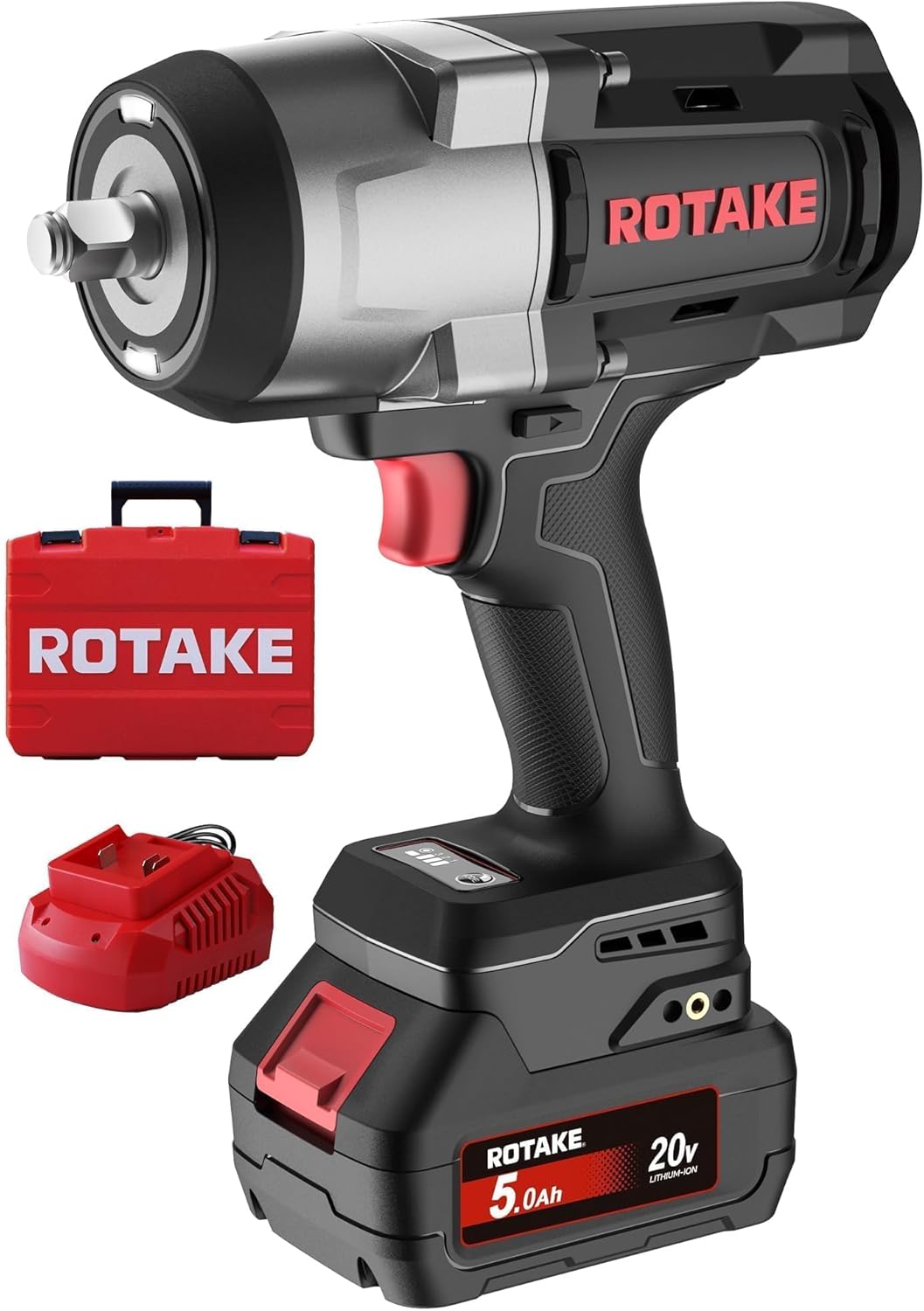
ROTAKE TB3 20V Heavy Duty 1/2" Cordless Impact Wrench Kit - 1380 Ft-Lbs Torque
$132 $219.99
36% OFF

Men's Athletic Running Shorts with Zipper Pockets - Lightweight & Quick Dry
$12.74 $19.99
61% OFF

Modern Ceiling Fan with Light and Remote - Reversible Quiet DC Motor
$69.3 $179.99
50% OFF

MOOKA H13 True HEPA Air Purifier for Home Large Room - 1076 sq ft Odor Eliminator
$39.97 $79.95
60% OFF

Ekouaer Women's Satin Silky Pajama Set - Short Sleeve Pullover Top & Wide-Leg Pants
$13.99 $34.99
55% OFF

Ekouaer 3-Piece Maternity & Nursing Pajamas Set - Short Sleeve Top with Shorts and Pants
$14.99 $32.99

Sealy 2-Pack Tritech 16" Twin Inflatable Air Mattress with Built-in AC Pump
$0 $113.99
20% OFF

INTEX Prism Frame 20ft x 52in Above Ground Pool Set - Round Steel Frame Swimming Pool
$695.99 $869.99

Gardner Pet 43" Heavy Duty Dog Crate with Wheels - Indestructible Folding Metal Cage (Black)
$0 $149.99
12% OFF

Elegant Mid-Century Modern Bar Stools - Set of 4
$395.99 $449.99
23% OFF

Ergonomic Office Chair - Big and Tall Desk Chair with Adjustable Lumbar Support
$279.99 $363.99
26% OFF

Magnelex American Flag Windshield Sun Shade - High-Resolution UV Reflective Heat Shield (X-Large)
$19.9 $26.9
20% OFF

EVIQO 48 Amp NACS Level 2 EV Charger - Hardwired Smart WiFi Wall Charger for Tesla
$368.51 $458.55
50% OFF

DBFIT Air Purifier for Home Large Room
$29.99 $59.99




-

Historic Lancashire church secures £250,000 National Lottery grant for major roof repairs
-
Sunderland Minster PCC was right to push back over trans toilet sign
-

Bethel Church distances itself from Todd Bentley and Mike Bickle
-

Christian police officer reaches settlement over diversity training discrimination claim
-
Turkey's hidden Christian past: Extraordinary discoveries are rewriting the story of early Christianity
-

Washington Archdiocese parts ways with exorcist priest over UFO remarks
Most Popular
News
Churches must disciple well and listen well in response to rise of Christian nationalism
Churches have a task on their hands to raise standards of theological literacy in their congregations amid growing Christian nationalism, while at the same time listening to and engaging with the concerns of people in their flock.

A Christian response to the crisis facing young people
The Church has a wonderful message of hope to share with young people increasingly feeling a sense of nihilism and hopelessness at the state of the world, writes Tim Farron.

Tributes paid to Operation Mobilisation co-founder Dale Rhoton
Tributes have been paid to Dale Rhoton, one of the co-founders of international mission organisation Operation Mobilisation (OM), after his death at the age of 88.

Doctors should work for good of the patient, not facilitate suicide, says Christian Medical Fellowship
Suicide is always a tragedy that should be resisted, the CMF suggested.
VitaUp Beet Root Gummies with CoQ10 & Grape Seed - Nitric Oxide Circulation Support (60 Count)
$24.91
HDPE All-Weather Adirondack Chair with Built-In Cup Holder - Tool-Free Assembly (Grey)
$69.99
HOMETUK Clear Plastic Storage Bins with Dividers - 3-Pack Stackable Acrylic Organizer Containers for Fridge and Pantry
$19.99
G Gradual Men's Fishing Shirt - UPF 50+ Lightweight Short Sleeve Button Down with Zipper Pockets
$14.99
Everyfun 60" Rectangular Platform Tree Swing - 700lbs Heavy Duty Adjustable Outdoor Swing (Colorful)
$49.99
Ekouaer Women's Casual Loose Jumpsuit - One-Piece Printed Sleeveless Wide Leg Romper with Pockets
$14.99
ROTAKE TB3 20V Heavy Duty 1/2" Cordless Impact Wrench Kit - 1380 Ft-Lbs Torque
$132
Men's Athletic Running Shorts with Zipper Pockets - Lightweight & Quick Dry
$12.74
Modern Ceiling Fan with Light and Remote - Reversible Quiet DC Motor
$69.3
MOOKA H13 True HEPA Air Purifier for Home Large Room - 1076 sq ft Odor Eliminator
$39.97
Ekouaer Women's Satin Silky Pajama Set - Short Sleeve Pullover Top & Wide-Leg Pants
$13.99
Ekouaer 3-Piece Maternity & Nursing Pajamas Set - Short Sleeve Top with Shorts and Pants
$14.99
Sealy 2-Pack Tritech 16" Twin Inflatable Air Mattress with Built-in AC Pump
$0
INTEX Prism Frame 20ft x 52in Above Ground Pool Set - Round Steel Frame Swimming Pool
$695.99
Gardner Pet 43" Heavy Duty Dog Crate with Wheels - Indestructible Folding Metal Cage (Black)
$0
Elegant Mid-Century Modern Bar Stools - Set of 4
$395.99
Ergonomic Office Chair - Big and Tall Desk Chair with Adjustable Lumbar Support
$279.99
Magnelex American Flag Windshield Sun Shade - High-Resolution UV Reflective Heat Shield (X-Large)
$19.9
EVIQO 48 Amp NACS Level 2 EV Charger - Hardwired Smart WiFi Wall Charger for Tesla
$368.51
DBFIT Air Purifier for Home Large Room
$29.99