
Australian troops began arriving in East Timor on Tuesday to help enforce a state of emergency declared after a double assassination attempt that left the tiny nation's president in hospital with triple gunshot wounds.
An Australian warship also arrived off the Dili coast on Tuesday to support the first of 200 fast reaction troops sent to reinforce international security forces as doctors said President Jose Ramos-Horta would remain on life support until next week.
In the Australian city of Darwin, where Ramos-Horta was airlifted with gunshot wounds in the chest, back and stomach, doctors were planning more surgery.
"His condition remains extremely serious, but by the same token, stable," Royal Darwin Hospital general manager Len Notaras told reporters, adding the President would need more surgery in the next 24-36 hours.
"He will be in an induced coma until at least Thursday, intensive care until Sunday or Monday of next week," he said.
In the capital Dili, East Timor's interim president Vicente Guterres declared a state of emergency and appealed for calm, after apparently coordinated attacks against the president and prime minister threw the young nation into a fresh crisis.
Around 1,600 U.N. police, backed by about 1,000 Australian soldiers, were patrolling Dili and other cities amid fears of fresh violence by rebel soldiers, whose leader Alfredo Reinado was killed in the surprise early morning assault.
"The government of East Timor is in firm control," said Australian Prime Minister Kevin Rudd, ahead of a visit to the troubled nation later this week.
INTERNATIONAL FORCES CRITICISED
The commander of East Timor's military, Brigadier General Taur Matan Ruak, called for an investigation into Monday's attacks and questioned the role of international forces.
"There has been a lack of capacity shown by the international forces who have primary responsibility for the security within Timor Leste (East Timor)," he told a news conference.
He also urged the public and media to persuade Reinado's followers, who had fled into the jungle, to return for dialogue.
Schools, businesses and government institutions were open in Dili, as local police stopped and checked cars, but the calm appeared uneasy and residents admitted they were nervous.
Meetings and protests are banned under the emergency, and all citizens must stay home between the hours of 8 p.m. and 6 a.m.
"I am going back home early because I'm afraid of gang fighting or protests," said Antonio Gomes, a high school student.
Ramos-Horta, 58, who shared the Nobel Peace Prize in 1996 for waging a nonviolent struggle for independence, was shot at his home early on Monday by renegade soldiers.
His bodyguard was injured and two rebel soldiers died in the shoot-out, which the East Timor government said was a coup attempt. One of the dead men was identified as Reinado.
Prime Minister Xanana Gusmao escaped a similar attack that left his car riddled with bullets.
U.S. President George W. Bush condemned the assassination attempts. "Those who are responsible must know that they cannot derail democracy in Timor-Leste," Bush said in a statement.
Australia's Foreign Minister Stephen Smith, who was meeting his East Timor counterpart Zacarias da Costa in Darwin on Tuesday, has said that up to 20 rebels were involved in the assassination attacks, divided into two groups of 10.
"Now we would hope that given that the rogue ring leader is now dead that there might be some peaceful and amicable way of his supporters returning to the fold or at least handing in their arms," said Smith.
Asia's youngest nation has been unable to achieve stability since hard-won independence. The army tore apart along regional lines in 2006, triggering factional violence that killed 37 people and drove 150,000 from their homes.
Foreign troops were needed to restore order.
Reinado had led a revolt against the government and was charged with murder during the 2006 factional violence.
But Ramos-Horta had met Reinado for talks as recently as January in a bid to reach a deal in which rebels would give arms in return for talks on outstanding grievances and legal issues.
Analysts said a split among Reinado's rebel soldiers may have led to the attack by backing the rebel leader into a corner.
"In recent weeks, significant divisions have emerged amongst the sacked 600 soldiers. Large groups of whom have been wanting to go it alone and get a negotiated settlement," Mark Aarons, co-author of "East Timor: A Western Made Tragedy", wrote in the Australian newspaper.
The former Portuguese colony of almost 1 million people gained full independence in 2002 after a U.N.-sponsored vote in 1999, marred by violence, ended more than two decades of brutal Indonesian occupation.
The predominantly Roman Catholic country, though one of Asia's poorest nations, straddles key shipping lanes, is strategically important for neighbours Australia and Indonesia, and has potentially lucrative oil and gas reserves.
11% OFF

VitaUp Beet Root Gummies with CoQ10 & Grape Seed - Nitric Oxide Circulation Support (60 Count)
$24.91 $27.91
50% OFF
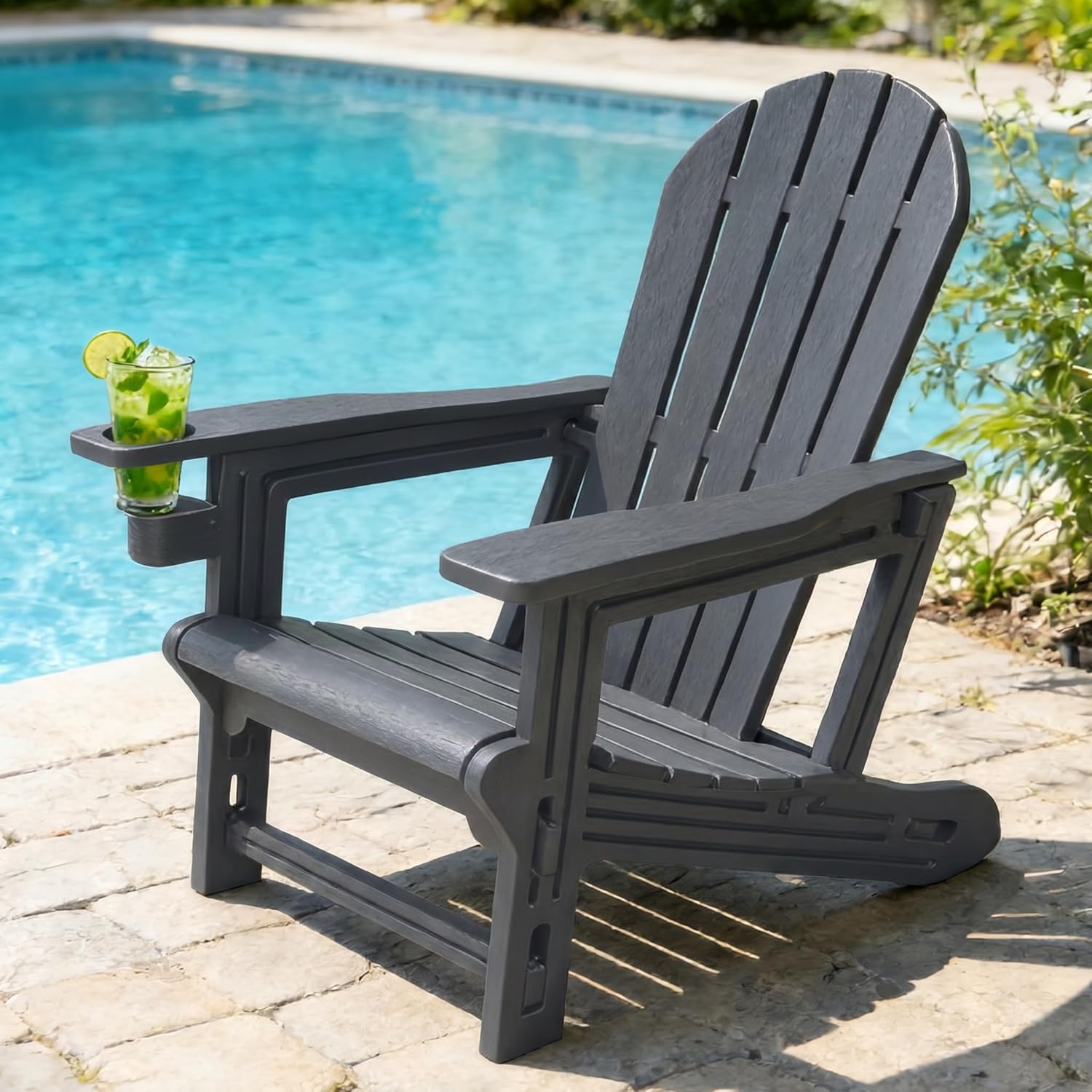
HDPE All-Weather Adirondack Chair with Built-In Cup Holder - Tool-Free Assembly (Grey)
$69.99 $139.99
60% OFF

HOMETUK Clear Plastic Storage Bins with Dividers - 3-Pack Stackable Acrylic Organizer Containers for Fridge and Pantry
$19.99 $49.99
58% OFF
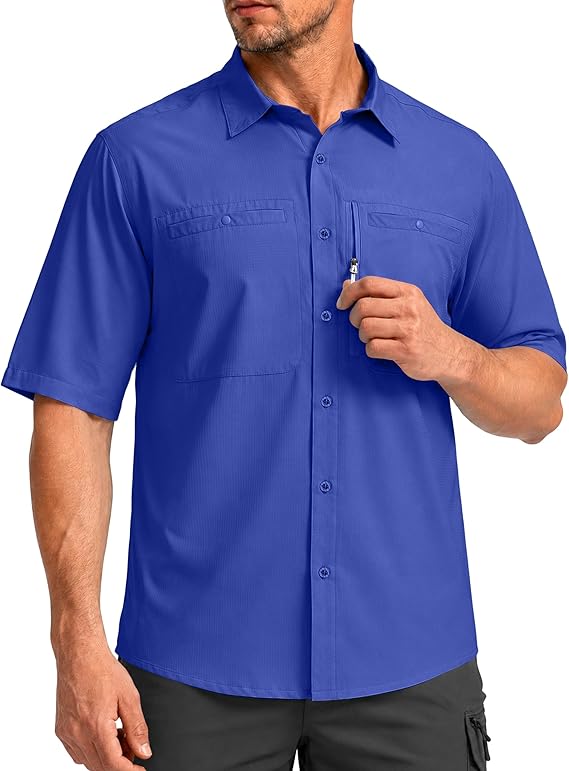
G Gradual Men's Fishing Shirt - UPF 50+ Lightweight Short Sleeve Button Down with Zipper Pockets
$14.99 $35.99
55% OFF

Everyfun 60" Rectangular Platform Tree Swing - 700lbs Heavy Duty Adjustable Outdoor Swing (Colorful)
$49.99 $110.99
61% OFF

Ekouaer Women's Casual Loose Jumpsuit - One-Piece Printed Sleeveless Wide Leg Romper with Pockets
$14.99 $37.99
40% OFF

ROTAKE TB3 20V Heavy Duty 1/2" Cordless Impact Wrench Kit - 1380 Ft-Lbs Torque
$132 $219.99
36% OFF
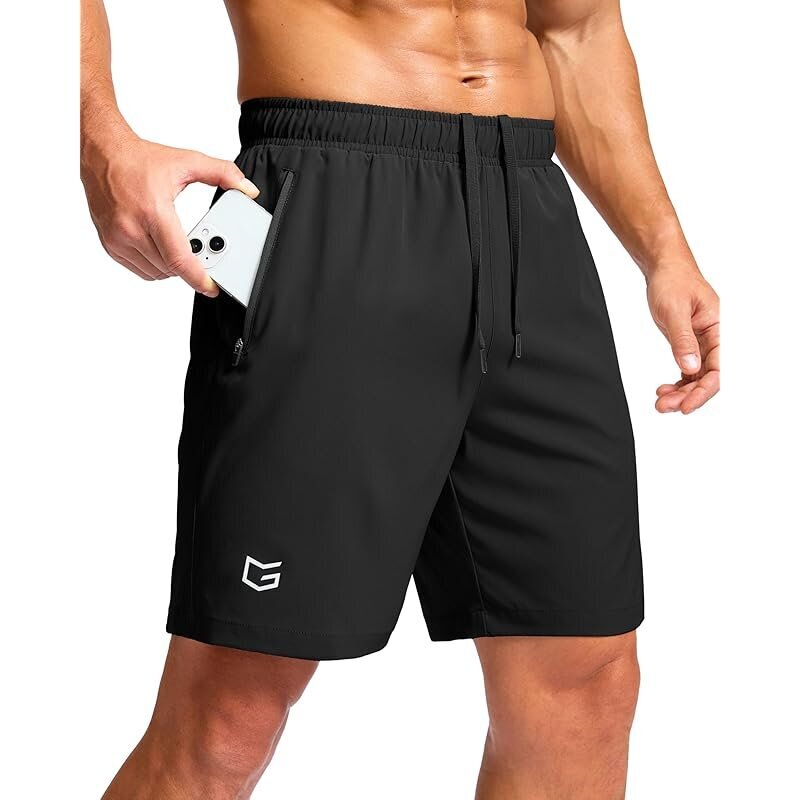
Men's Athletic Running Shorts with Zipper Pockets - Lightweight & Quick Dry
$12.74 $19.99
61% OFF
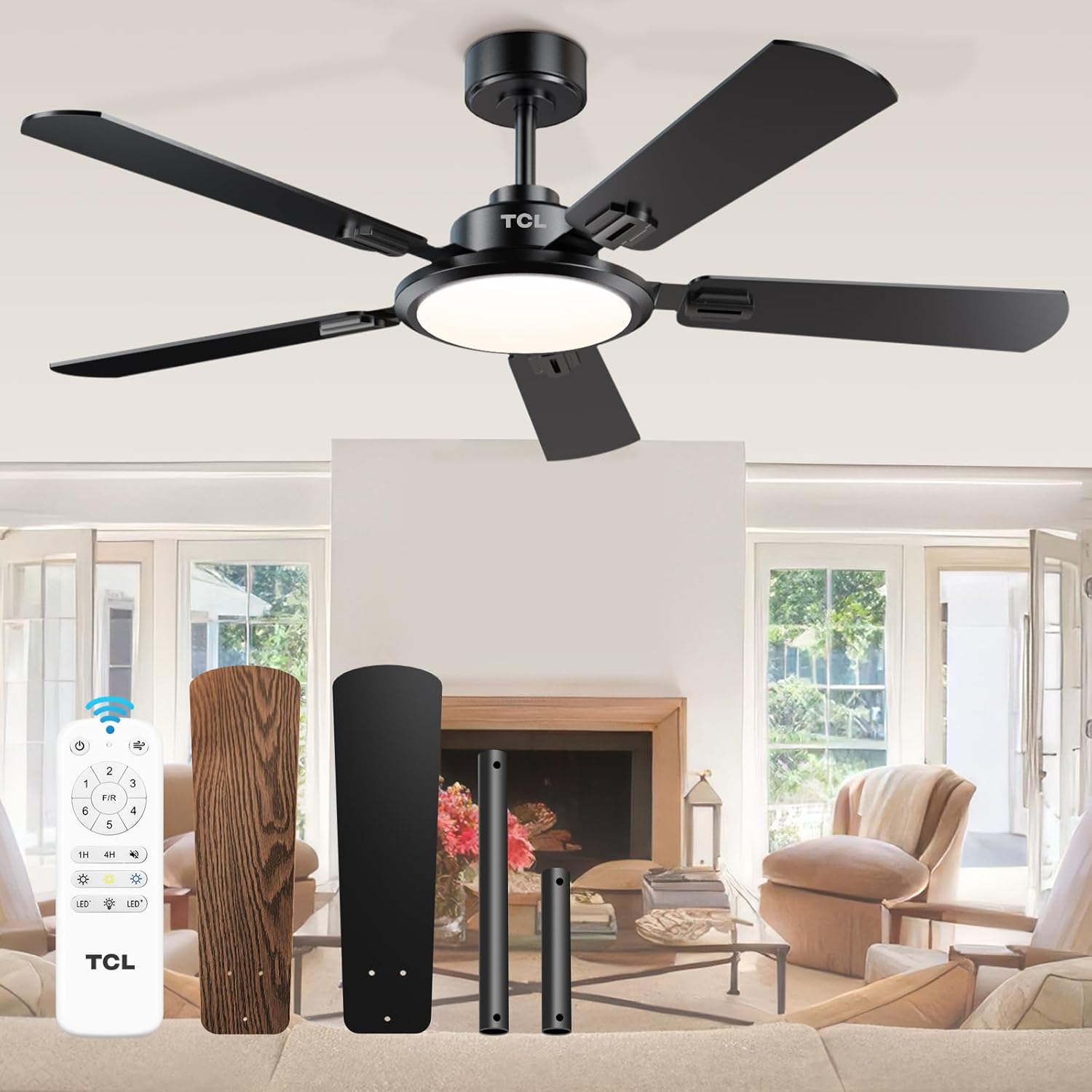
Modern Ceiling Fan with Light and Remote - Reversible Quiet DC Motor
$69.3 $179.99
50% OFF

MOOKA H13 True HEPA Air Purifier for Home Large Room - 1076 sq ft Odor Eliminator
$39.97 $79.95
60% OFF

Ekouaer Women's Satin Silky Pajama Set - Short Sleeve Pullover Top & Wide-Leg Pants
$13.99 $34.99
55% OFF

Ekouaer 3-Piece Maternity & Nursing Pajamas Set - Short Sleeve Top with Shorts and Pants
$14.99 $32.99
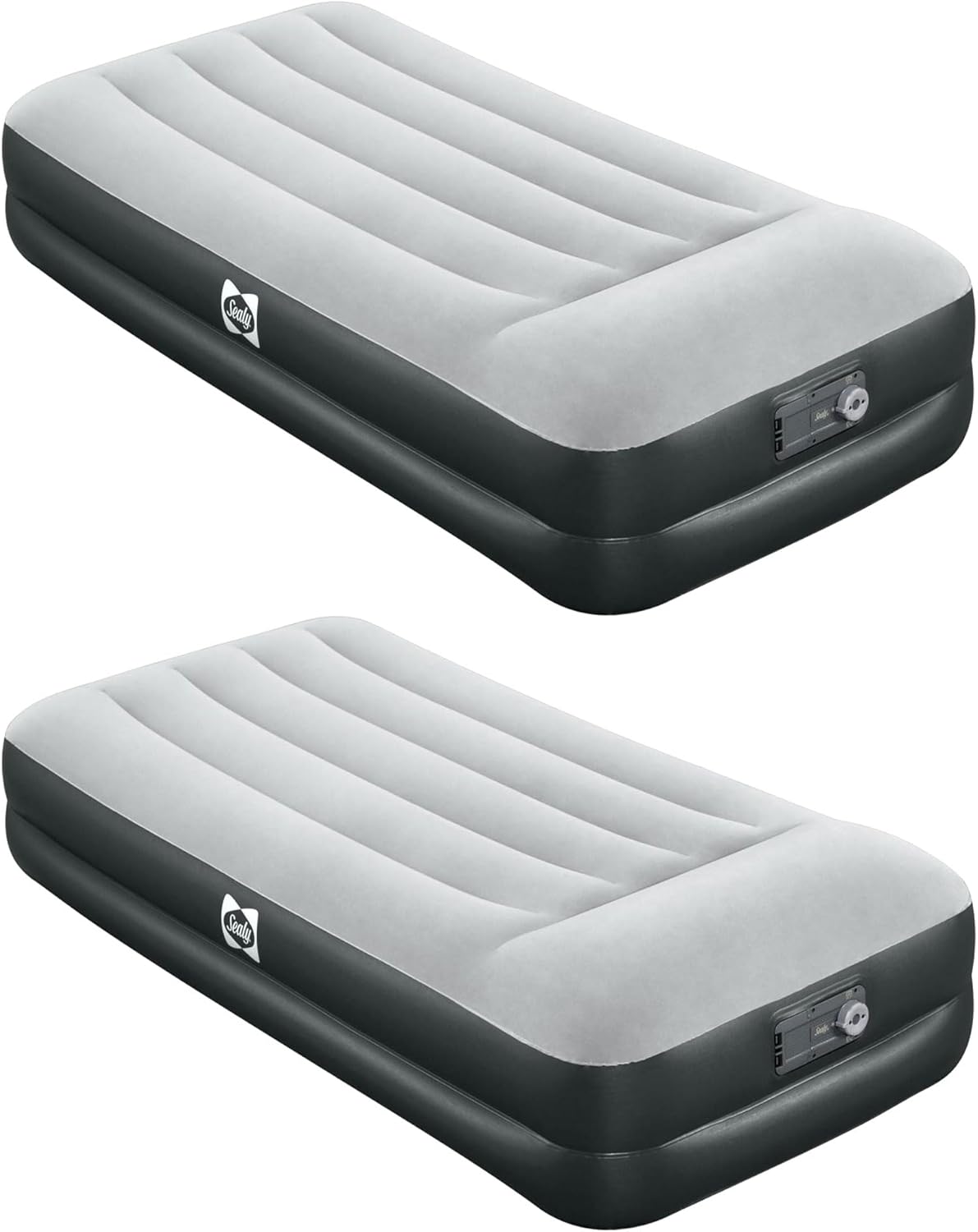
Sealy 2-Pack Tritech 16" Twin Inflatable Air Mattress with Built-in AC Pump
$0 $113.99
20% OFF
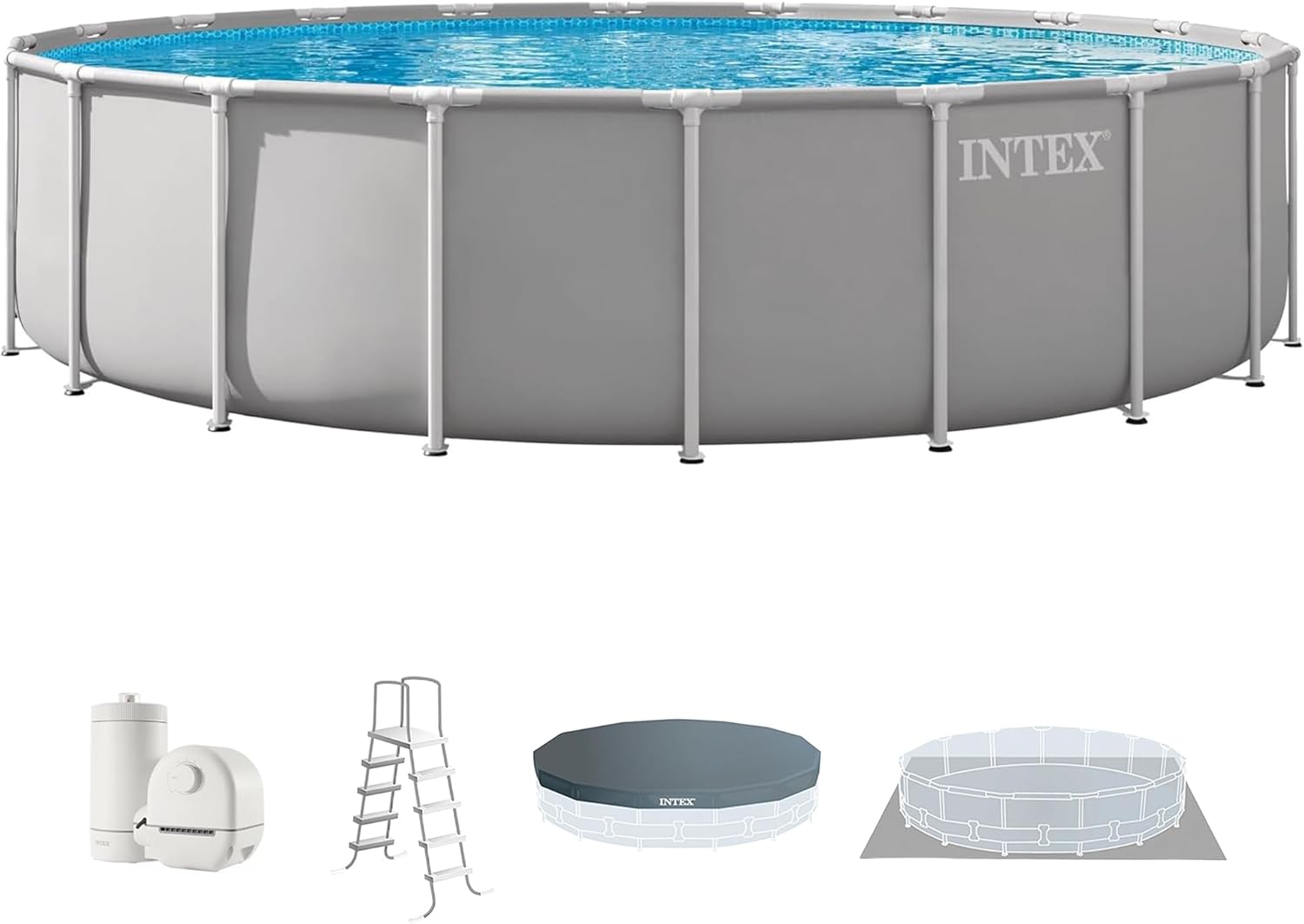
INTEX Prism Frame 20ft x 52in Above Ground Pool Set - Round Steel Frame Swimming Pool
$695.99 $869.99

Gardner Pet 43" Heavy Duty Dog Crate with Wheels - Indestructible Folding Metal Cage (Black)
$0 $149.99
12% OFF

Elegant Mid-Century Modern Bar Stools - Set of 4
$395.99 $449.99
23% OFF

Ergonomic Office Chair - Big and Tall Desk Chair with Adjustable Lumbar Support
$279.99 $363.99
26% OFF

Magnelex American Flag Windshield Sun Shade - High-Resolution UV Reflective Heat Shield (X-Large)
$19.9 $26.9
20% OFF
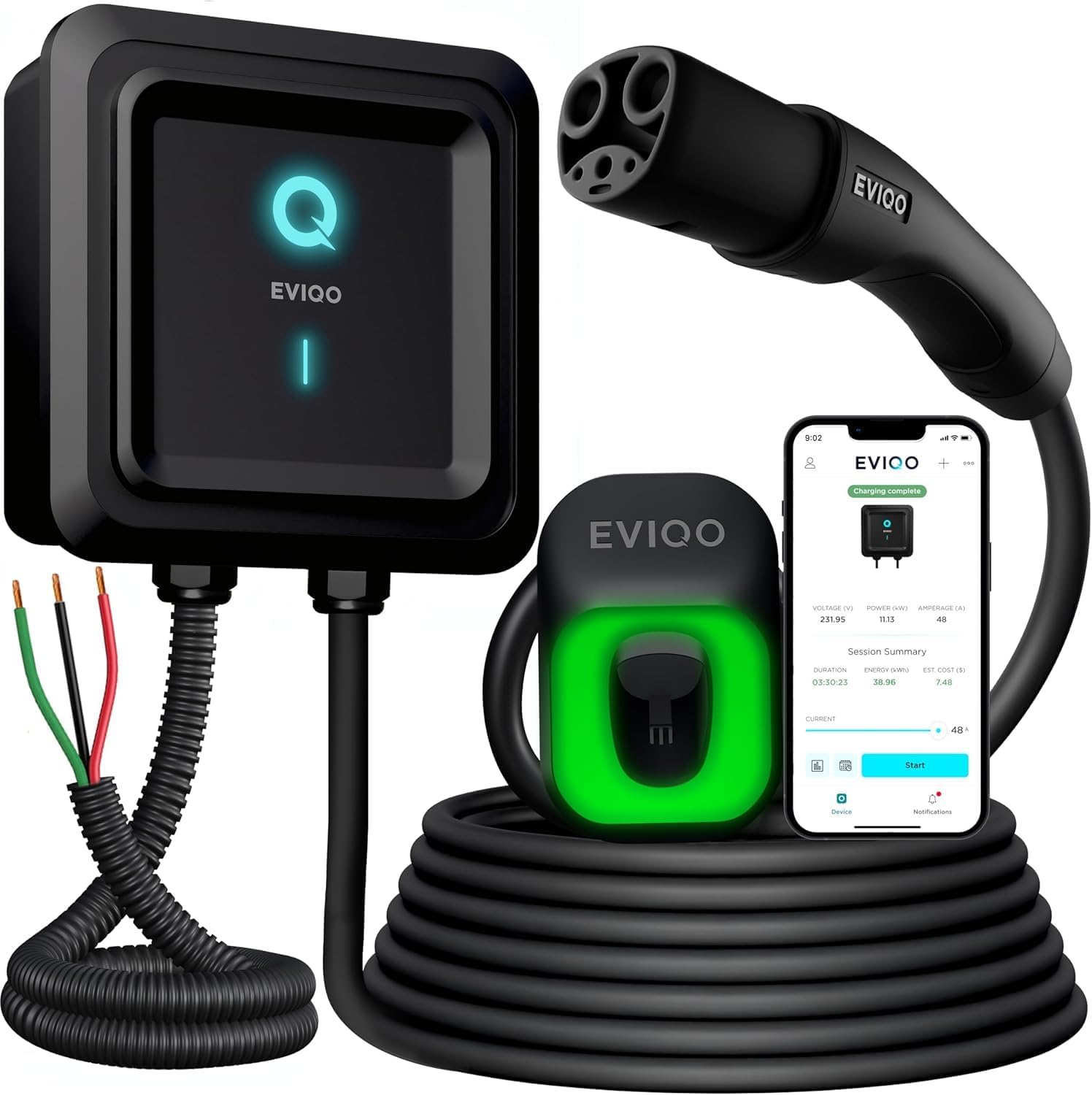
EVIQO 48 Amp NACS Level 2 EV Charger - Hardwired Smart WiFi Wall Charger for Tesla
$368.51 $458.55
50% OFF

DBFIT Air Purifier for Home Large Room
$29.99 $59.99




-

Historic Lancashire church secures £250,000 National Lottery grant for major roof repairs
-

Sunderland Minster PCC was right to push back over trans toilet sign
-

Bethel Church distances itself from Todd Bentley and Mike Bickle
-

Christian police officer reaches settlement over diversity training discrimination claim
-
Turkey's hidden Christian past: Extraordinary discoveries are rewriting the story of early Christianity
-

Washington Archdiocese parts ways with exorcist priest over UFO remarks
Most Popular
News

Churches must disciple well and listen well in response to rise of Christian nationalism
Churches have a task on their hands to raise standards of theological literacy in their congregations amid growing Christian nationalism, while at the same time listening to and engaging with the concerns of people in their flock.

A Christian response to the crisis facing young people
The Church has a wonderful message of hope to share with young people increasingly feeling a sense of nihilism and hopelessness at the state of the world, writes Tim Farron.

Tributes paid to Operation Mobilisation co-founder Dale Rhoton
Tributes have been paid to Dale Rhoton, one of the co-founders of international mission organisation Operation Mobilisation (OM), after his death at the age of 88.

Doctors should work for good of the patient, not facilitate suicide, says Christian Medical Fellowship
Suicide is always a tragedy that should be resisted, the CMF suggested.
VitaUp Beet Root Gummies with CoQ10 & Grape Seed - Nitric Oxide Circulation Support (60 Count)
$24.91
HDPE All-Weather Adirondack Chair with Built-In Cup Holder - Tool-Free Assembly (Grey)
$69.99
HOMETUK Clear Plastic Storage Bins with Dividers - 3-Pack Stackable Acrylic Organizer Containers for Fridge and Pantry
$19.99
G Gradual Men's Fishing Shirt - UPF 50+ Lightweight Short Sleeve Button Down with Zipper Pockets
$14.99
Everyfun 60" Rectangular Platform Tree Swing - 700lbs Heavy Duty Adjustable Outdoor Swing (Colorful)
$49.99
Ekouaer Women's Casual Loose Jumpsuit - One-Piece Printed Sleeveless Wide Leg Romper with Pockets
$14.99
ROTAKE TB3 20V Heavy Duty 1/2" Cordless Impact Wrench Kit - 1380 Ft-Lbs Torque
$132
Men's Athletic Running Shorts with Zipper Pockets - Lightweight & Quick Dry
$12.74
Modern Ceiling Fan with Light and Remote - Reversible Quiet DC Motor
$69.3
MOOKA H13 True HEPA Air Purifier for Home Large Room - 1076 sq ft Odor Eliminator
$39.97
Ekouaer Women's Satin Silky Pajama Set - Short Sleeve Pullover Top & Wide-Leg Pants
$13.99
Ekouaer 3-Piece Maternity & Nursing Pajamas Set - Short Sleeve Top with Shorts and Pants
$14.99
Sealy 2-Pack Tritech 16" Twin Inflatable Air Mattress with Built-in AC Pump
$0
INTEX Prism Frame 20ft x 52in Above Ground Pool Set - Round Steel Frame Swimming Pool
$695.99
Gardner Pet 43" Heavy Duty Dog Crate with Wheels - Indestructible Folding Metal Cage (Black)
$0
Elegant Mid-Century Modern Bar Stools - Set of 4
$395.99
Ergonomic Office Chair - Big and Tall Desk Chair with Adjustable Lumbar Support
$279.99
Magnelex American Flag Windshield Sun Shade - High-Resolution UV Reflective Heat Shield (X-Large)
$19.9
EVIQO 48 Amp NACS Level 2 EV Charger - Hardwired Smart WiFi Wall Charger for Tesla
$368.51
DBFIT Air Purifier for Home Large Room
$29.99