
SYDNEY - Asia-Pacific leaders agreed on Saturday to adopt a "long-term aspirational goal" to reduce greenhouse gas emissions, Australian Prime Minister John Howard said.
Howard said 21 Asia-Pacific leaders meeting in Sydney agreed on the need for all nations, developing and developed, to contribute according to their own capacities and circumstances to reducing greenhouse gases.
"We are serious about addressing in a sensible way, compatible with our different economic needs, the great challenge of climate change," Howard told reporters at the end of the first day of the weekend summit of the Asia Pacific Economic Cooperation (APEC).
"This demonstrates the relevance of APEC. It demonstrates that APEC is very much alive and kicking."
Green groups thought otherwise.
"The Sydney Declaration is really just a Sydney distraction from real action on climate change," Greenpeace energy campaigner Catehrine Fitzpatrick said. "The failure of APEC to produce meaningful progress on climate change confirms that the place to do this is at the Kyoto negotiations in Bali in December."
Proponents of the declaration say it sets the stage for the U.N. climate convention's annual summit in Bali, Indonesia in December, which is looking for a successor to the existing U.N. pact, known as the Kyoto Protocol, due to expire in 2012.
The declaration was seen as a compromise between the rich and poor APEC economies, which together account for about 60 percent of the world's economy.
REVERSING CLIMATE CHANGE
But it calls for a global objective that would prevent "dangerous human interference with the climate system..
"The world needs to slow, stop and then reverse the growth of global greenhouse gas emissions," the declaration says
Developing economies, led by China and Indonesia, opposed any wording that commits them to binding targets, believing it would hinder economic development. They argue developed nations should take more responsibility for climate change.
The 21 leaders of the Asia Pacific Economic Cooperation (APEC) forum met behind a tight security cordon at Sydney Opera House, as thousands of protesters marched nearby against U.S. President George W. Bush, the Iraq war, global warming and a hodgepodge of other causes.
They emerged at midday for the annual "funny shirts photo op", this time dressed in Australian stockmen's raincoats on a brisk, overcast spring day before returning to their Sydney Opera House redoubt to work on the climate change statement.
Bush has had a whirlwind round of meetings with other leaders on his four-day visit, including Chinese President Hu Jintao, Russian President Vladimir Putin, Japanese premier Shinzo Abe, Australia's John Howard and leaders of Southeast Asian countries.
On Saturday, he met Abe and Howard for a trilateral summit, that was expected to publicly urge China to be more transparent about its military build-up.
A senior Japanese government official said the three leaders agreed to deal "constructively" with Beijing, which had cast a wary eye on the meeting, fearing it could turn into an alliance aimed at containing China.
KALEIDOSCOPE OF PROTESTS
Instead, India dominated the discussions, Australian Foreign Minister Alexander Downer said.
"I think there is a recognition now that India is a coming great power," Australian Foreign Minister Alexander Downer told reporters after the trilateral summit.
Police had feared the protest march near Sydney Opera House would become a flashpoint for a full-scale riot, but in the end Saturday's anti-APEC march was a peaceful, kaleidoscope of protests. Nine were arrested after scuffling with police.
Now Sydneysiders are questioning whether the $140 million operation featuring 5,000 police and troops, a mine sweeper in Sydney Harbour, the security fence cutting the city in half and the purchase of a water cannon, may have been a little excessive.
"The biggest reason we're all here is to protest at just how much is being spent on security," Sydney community worker Bridget Hennessey said at Saturday's march.
A week of protests have been non-violent and even farcical. About 50 people turned up in a city park on Friday to bare their buttocks in a "21-bum salute" to Bush.
Earlier this week, a television comedy troupe, posing as the Canadian delegation, drove their motorcade through two checkpoints to within metres of Bush's hotel -- with one of them made up to look like Osama bin Laden sitting in the back, and the designation "Insecurity" written on their convention passes.
11% OFF

VitaUp Beet Root Gummies with CoQ10 & Grape Seed - Nitric Oxide Circulation Support (60 Count)
$24.91 $27.91
50% OFF

HDPE All-Weather Adirondack Chair with Built-In Cup Holder - Tool-Free Assembly (Grey)
$69.99 $139.99
60% OFF

HOMETUK Clear Plastic Storage Bins with Dividers - 3-Pack Stackable Acrylic Organizer Containers for Fridge and Pantry
$19.99 $49.99
58% OFF

G Gradual Men's Fishing Shirt - UPF 50+ Lightweight Short Sleeve Button Down with Zipper Pockets
$14.99 $35.99
55% OFF

Everyfun 60" Rectangular Platform Tree Swing - 700lbs Heavy Duty Adjustable Outdoor Swing (Colorful)
$49.99 $110.99
61% OFF

Ekouaer Women's Casual Loose Jumpsuit - One-Piece Printed Sleeveless Wide Leg Romper with Pockets
$14.99 $37.99
40% OFF
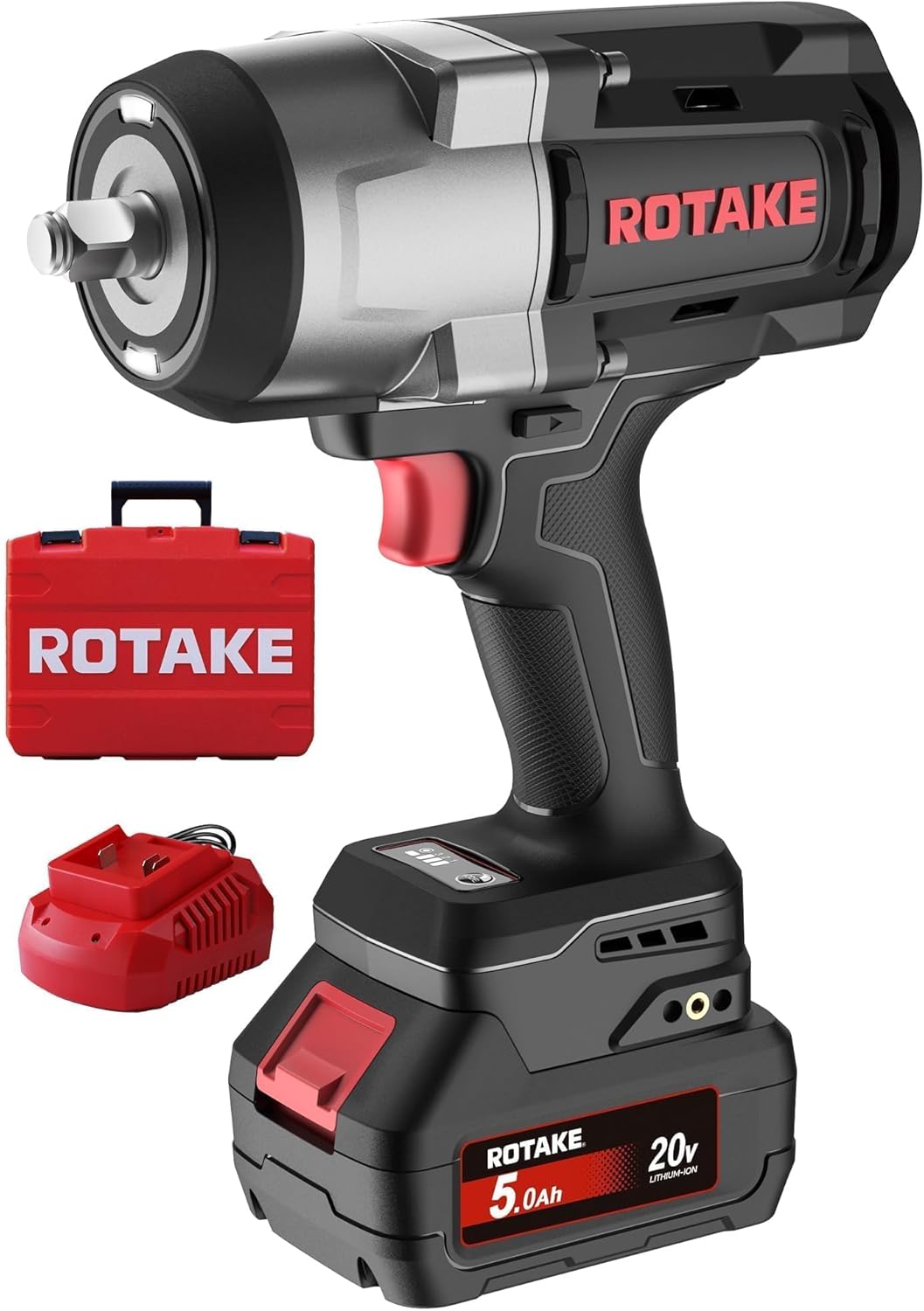
ROTAKE TB3 20V Heavy Duty 1/2" Cordless Impact Wrench Kit - 1380 Ft-Lbs Torque
$132 $219.99
36% OFF

Men's Athletic Running Shorts with Zipper Pockets - Lightweight & Quick Dry
$12.74 $19.99
61% OFF

Modern Ceiling Fan with Light and Remote - Reversible Quiet DC Motor
$69.3 $179.99
50% OFF

MOOKA H13 True HEPA Air Purifier for Home Large Room - 1076 sq ft Odor Eliminator
$39.97 $79.95
60% OFF

Ekouaer Women's Satin Silky Pajama Set - Short Sleeve Pullover Top & Wide-Leg Pants
$13.99 $34.99
55% OFF

Ekouaer 3-Piece Maternity & Nursing Pajamas Set - Short Sleeve Top with Shorts and Pants
$14.99 $32.99

Sealy 2-Pack Tritech 16" Twin Inflatable Air Mattress with Built-in AC Pump
$0 $113.99
20% OFF

INTEX Prism Frame 20ft x 52in Above Ground Pool Set - Round Steel Frame Swimming Pool
$695.99 $869.99

Gardner Pet 43" Heavy Duty Dog Crate with Wheels - Indestructible Folding Metal Cage (Black)
$0 $149.99
12% OFF

Elegant Mid-Century Modern Bar Stools - Set of 4
$395.99 $449.99
23% OFF

Ergonomic Office Chair - Big and Tall Desk Chair with Adjustable Lumbar Support
$279.99 $363.99
26% OFF

Magnelex American Flag Windshield Sun Shade - High-Resolution UV Reflective Heat Shield (X-Large)
$19.9 $26.9
20% OFF

EVIQO 48 Amp NACS Level 2 EV Charger - Hardwired Smart WiFi Wall Charger for Tesla
$368.51 $458.55
50% OFF

DBFIT Air Purifier for Home Large Room
$29.99 $59.99




-

Historic Lancashire church secures £250,000 National Lottery grant for major roof repairs
-

Sunderland Minster PCC was right to push back over trans toilet sign
-

Bethel Church distances itself from Todd Bentley and Mike Bickle
-

Christian police officer reaches settlement over diversity training discrimination claim
-
Turkey's hidden Christian past: Extraordinary discoveries are rewriting the story of early Christianity
-

Washington Archdiocese parts ways with exorcist priest over UFO remarks
Most Popular
News
Churches must disciple well and listen well in response to rise of Christian nationalism
Churches have a task on their hands to raise standards of theological literacy in their congregations amid growing Christian nationalism, while at the same time listening to and engaging with the concerns of people in their flock.

A Christian response to the crisis facing young people
The Church has a wonderful message of hope to share with young people increasingly feeling a sense of nihilism and hopelessness at the state of the world, writes Tim Farron.
Tributes paid to Operation Mobilisation co-founder Dale Rhoton
Tributes have been paid to Dale Rhoton, one of the co-founders of international mission organisation Operation Mobilisation (OM), after his death at the age of 88.

Doctors should work for good of the patient, not facilitate suicide, says Christian Medical Fellowship
Suicide is always a tragedy that should be resisted, the CMF suggested.
VitaUp Beet Root Gummies with CoQ10 & Grape Seed - Nitric Oxide Circulation Support (60 Count)
$24.91
HDPE All-Weather Adirondack Chair with Built-In Cup Holder - Tool-Free Assembly (Grey)
$69.99
HOMETUK Clear Plastic Storage Bins with Dividers - 3-Pack Stackable Acrylic Organizer Containers for Fridge and Pantry
$19.99
G Gradual Men's Fishing Shirt - UPF 50+ Lightweight Short Sleeve Button Down with Zipper Pockets
$14.99
Everyfun 60" Rectangular Platform Tree Swing - 700lbs Heavy Duty Adjustable Outdoor Swing (Colorful)
$49.99
Ekouaer Women's Casual Loose Jumpsuit - One-Piece Printed Sleeveless Wide Leg Romper with Pockets
$14.99
ROTAKE TB3 20V Heavy Duty 1/2" Cordless Impact Wrench Kit - 1380 Ft-Lbs Torque
$132
Men's Athletic Running Shorts with Zipper Pockets - Lightweight & Quick Dry
$12.74
Modern Ceiling Fan with Light and Remote - Reversible Quiet DC Motor
$69.3
MOOKA H13 True HEPA Air Purifier for Home Large Room - 1076 sq ft Odor Eliminator
$39.97
Ekouaer Women's Satin Silky Pajama Set - Short Sleeve Pullover Top & Wide-Leg Pants
$13.99
Ekouaer 3-Piece Maternity & Nursing Pajamas Set - Short Sleeve Top with Shorts and Pants
$14.99
Sealy 2-Pack Tritech 16" Twin Inflatable Air Mattress with Built-in AC Pump
$0
INTEX Prism Frame 20ft x 52in Above Ground Pool Set - Round Steel Frame Swimming Pool
$695.99
Gardner Pet 43" Heavy Duty Dog Crate with Wheels - Indestructible Folding Metal Cage (Black)
$0
Elegant Mid-Century Modern Bar Stools - Set of 4
$395.99
Ergonomic Office Chair - Big and Tall Desk Chair with Adjustable Lumbar Support
$279.99
Magnelex American Flag Windshield Sun Shade - High-Resolution UV Reflective Heat Shield (X-Large)
$19.9
EVIQO 48 Amp NACS Level 2 EV Charger - Hardwired Smart WiFi Wall Charger for Tesla
$368.51
DBFIT Air Purifier for Home Large Room
$29.99