
|PIC1|"We do not have an open conflict right nowbut guns keep taking their toll within communities still today," says Josefina Sandemba, a pastor from the Evangelical Congregational Church in Angola (IECA) who was briefing a Living Letters team visiting the country on behalf of the World Council of Churches (WCC) in late July.
Living Letters are small ecumenical teams. Within the framework of the WCC Decade to Overcome Violence, they travel to different parts of the world where Christians are striving to promote peace.
After the 14 year-long independence war with Portugal ended in 1975, Angola suffered a 27-year civil war which killed hundreds of thousands of people, left scores of internally displaced and devastated the economy and infrastructure.
Despite the current post-war reconstruction boom – Angola is one of Africa's major oil producers – two thirds of its population of 17.5 million live on less than two US dollars a day, the World Bank estimates. Life expectancy is about 41 years for men and 44 years for women.
"Almost every family has been affected one way or another by the long decades of war. As a consequence, major situations of trauma are widespread", says Sandemba, who is responsible for the women's work at the Council of Christian Churches in Angola (CICA).
In this context, women pay the highest price, Sandemba adds. "They live with former combatants, now demobilised, or with relatives who have suffered amputations or other injuries, and in many cases they live under the poverty line."
In Luanda, the country's capital, "women typically leave home at 3 am to look for saleable goods, and often walk through the whole city, sometimes pregnant or carrying little children", she explained. "When they reach home, at about 10 pm, they might have earned 200 kwanzas (less than $3), but if sales were not good, there may not be anything for dinner."
Hard, exhausting work to feed their families is not the only hardship women face in Angola. Although statistical data is nonexistent or unreliable, concern about growing levels of violence against women both at home and on the streets is widespread.
Paulo de Almeida, the national police chief has reportedly said that "rapes are taking place daily", constituting a worrying and growing "phenomenon that nobody can explain". But women do not seem to be safer in their homes either.
"The issue of domestic violence is taking frightening dimensions", says the Rev José Antonio, general secretary of the Evangelical Reformed Church of Angola (IERA). This happens mainly in Luanda, but also in other places, he adds.
The causes of this increase are complex. "The war has left a heritage of misery as well as an impact on the culture, and domestic violence is one of its outcomes", says the Rev Rui García Filho, general secretary of the Evangelical Baptist Church in Angola.
The post-war period "has brought an inversion in traditional gender roles", points out Noé Alberto, a member of the Mennonite Church who is responsible for CICA's Justice and Peace department. Men who feel disempowered see the active role assumed by their female partners as a threat to their identities, and violence appears all too often as a handy response.
Taking sides with women
In the heart of Petrangol, a poor neighbourhood with bumpy and dusty streets in the outskirts of Luanda, the headquarters of the Young Women's Christian Association are filled with laughter as some 15 young women enthusiastically participate in a literacy session.
Mariana Afonso, a 24-year-old member of the IERA and a mother of five told the Living Letters group about the difference that being able to read has made in her life. "A husband shows a different kind of respect if you are able to read," she said.
"And you do not have to take it anymore from anyone who lies to you," added another young woman.
"In addition to learning reading and writing skills they also discuss social problems and together seek solutions," says literacy teacher Juliana Feliciano, a member of IECA. "I help them to discover what they already know," says Feliciano, who sees her role more as that of an adviser.
Learning literacy skills is important in a context in which war, poverty and cultural patterns that privilege boys converge to postpone girls' education. The CICA ran a three-year "Literacy for social change" programme with groups in 13 provinces until 2007.
Lack of funding is an ever-present obstacle. The women's department psycho-social work on war traumas has been scaled down and their project of a dedicated centre seeks more donor support. "Whilst the international community sees Angola as a rich country, communities are lacking the most basic things and donors' requirements often do not take into account our reality,, says CICA relief and development director António Lopes.
Today, the CICA women's department offers capacity building for small business and the use of micro-credits, as well as seminars on gender equality at its member churches' premises. "As the supremacy of men above women is still a fact today, in order to overcome domestic violence we need to work with the new generations," says Sandemba.
In spite of the many difficulties, the CICA general secretary Rev Luis Nguimbi is optimistic. "When guns spoke loudly, churches contributed to achieve peace. Today, churches are confronting domestic violence – this will also become part of history."
11% OFF

VitaUp Beet Root Gummies with CoQ10 & Grape Seed - Nitric Oxide Circulation Support (60 Count)
$24.91 $27.91
50% OFF
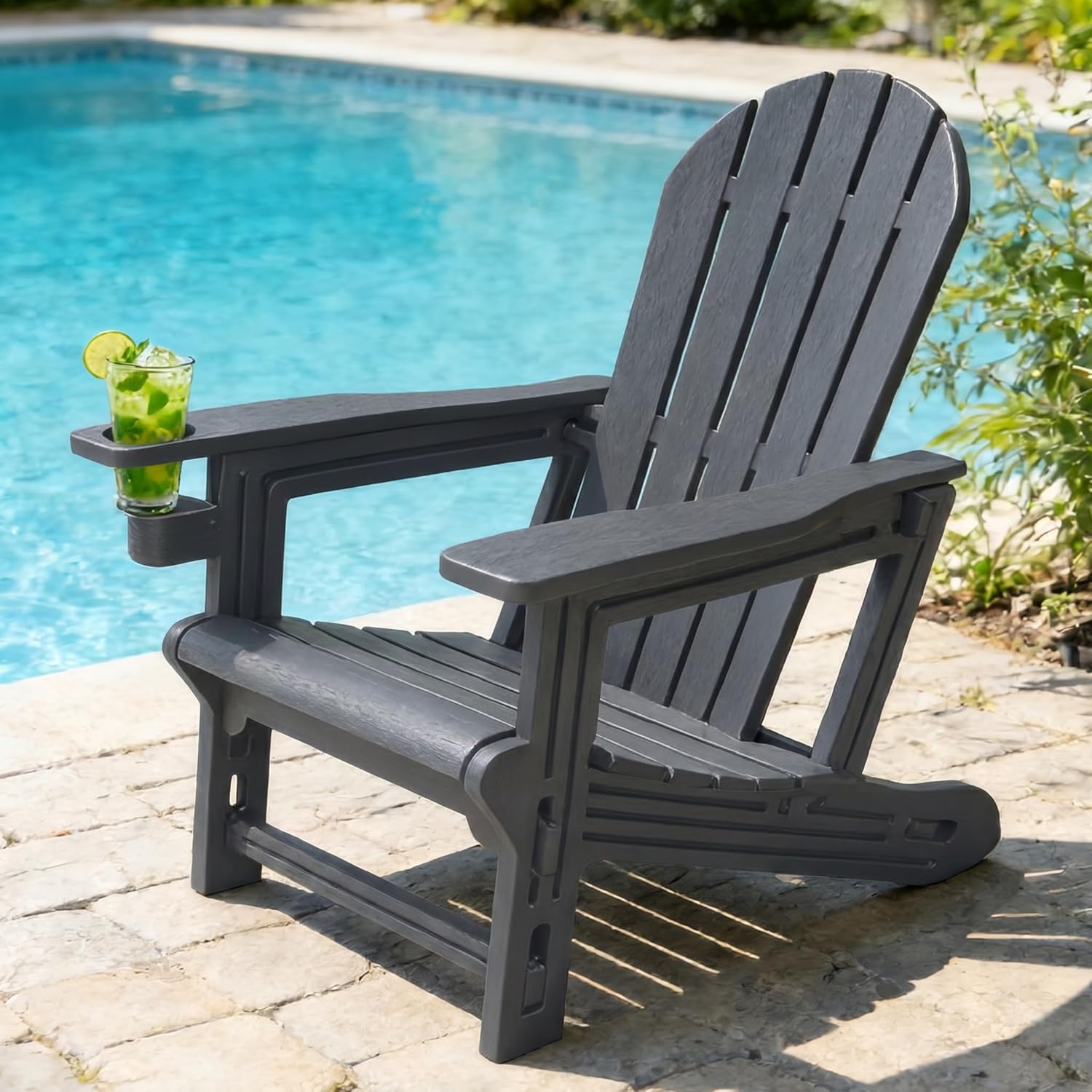
HDPE All-Weather Adirondack Chair with Built-In Cup Holder - Tool-Free Assembly (Grey)
$69.99 $139.99
60% OFF

HOMETUK Clear Plastic Storage Bins with Dividers - 3-Pack Stackable Acrylic Organizer Containers for Fridge and Pantry
$19.99 $49.99
58% OFF
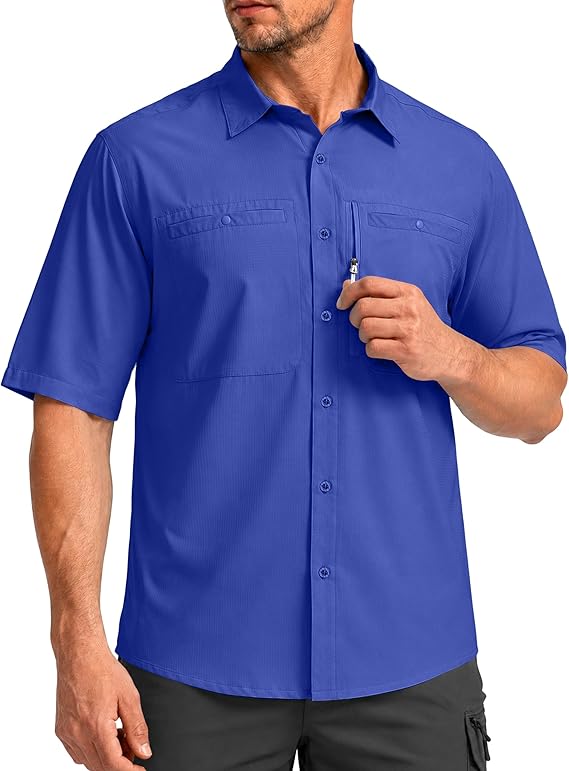
G Gradual Men's Fishing Shirt - UPF 50+ Lightweight Short Sleeve Button Down with Zipper Pockets
$14.99 $35.99
55% OFF
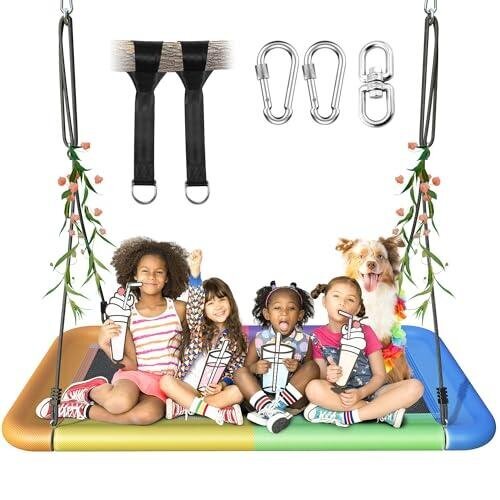
Everyfun 60" Rectangular Platform Tree Swing - 700lbs Heavy Duty Adjustable Outdoor Swing (Colorful)
$49.99 $110.99
61% OFF
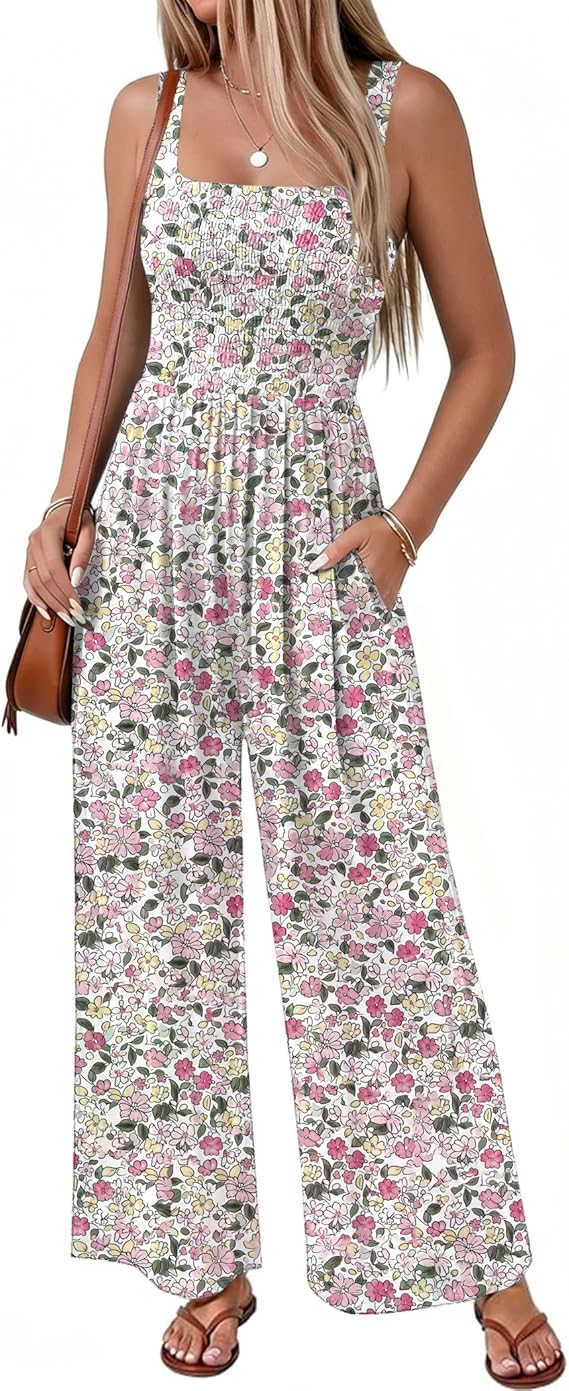
Ekouaer Women's Casual Loose Jumpsuit - One-Piece Printed Sleeveless Wide Leg Romper with Pockets
$14.99 $37.99
40% OFF
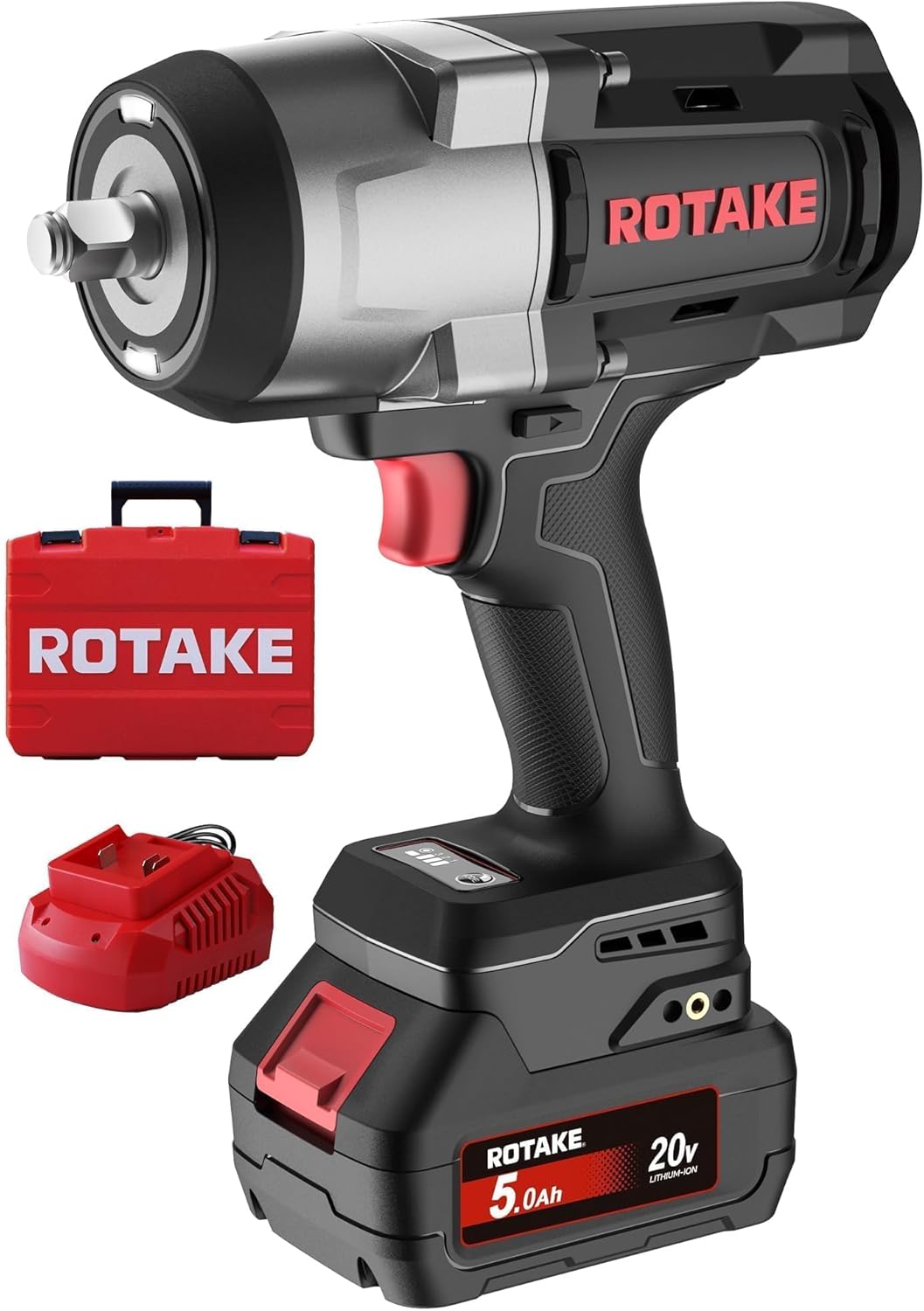
ROTAKE TB3 20V Heavy Duty 1/2" Cordless Impact Wrench Kit - 1380 Ft-Lbs Torque
$132 $219.99
36% OFF
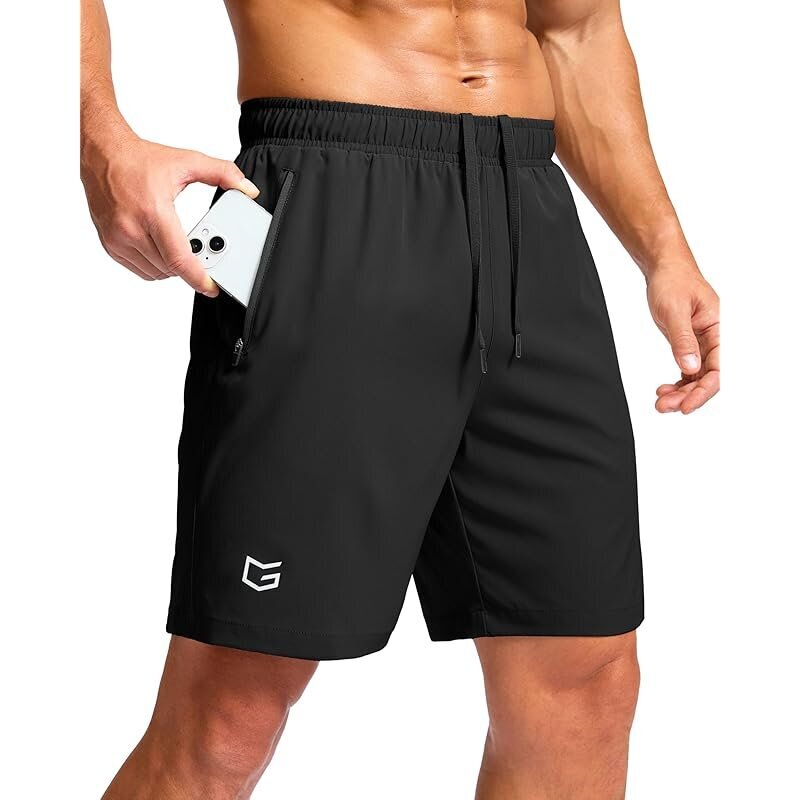
Men's Athletic Running Shorts with Zipper Pockets - Lightweight & Quick Dry
$12.74 $19.99
61% OFF
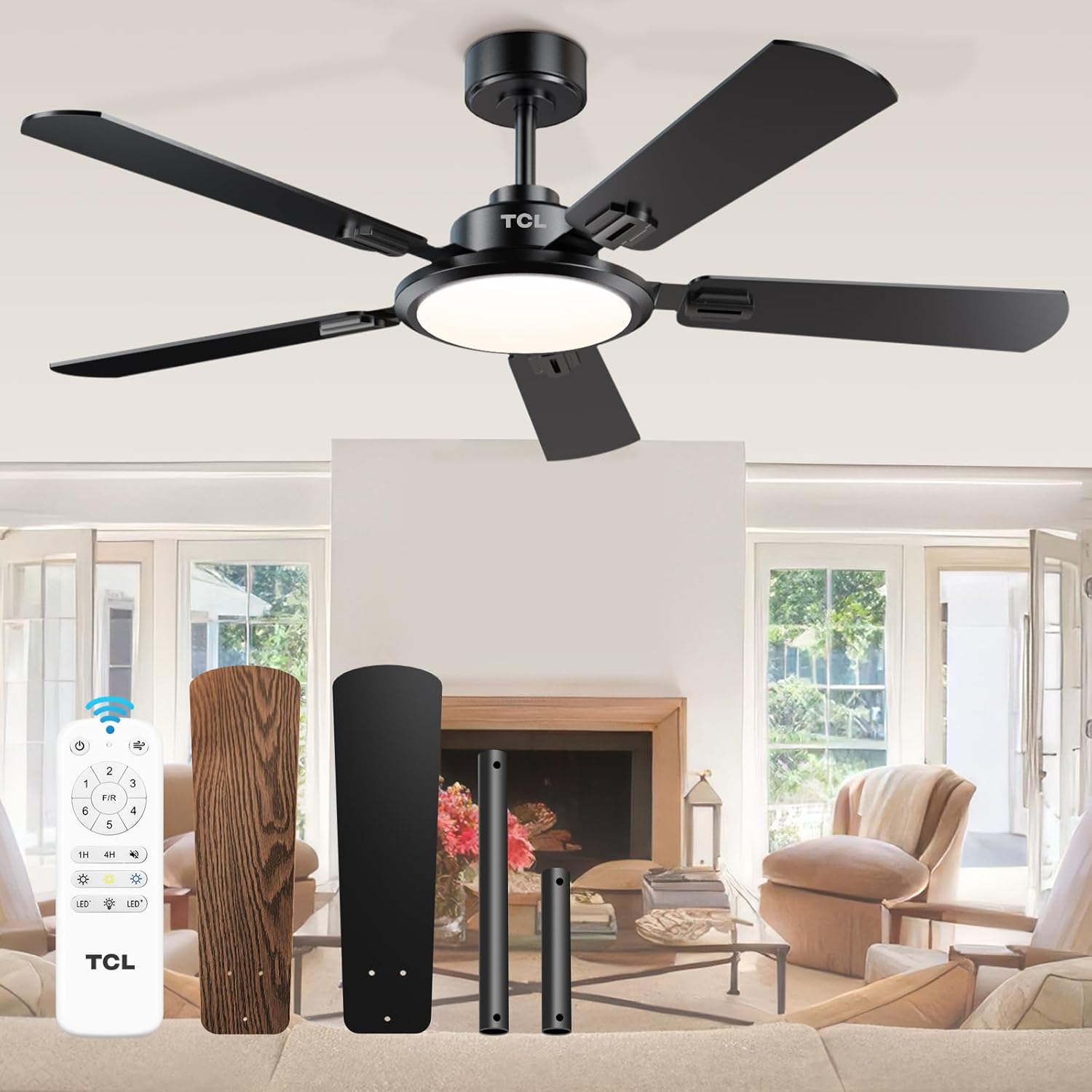
Modern Ceiling Fan with Light and Remote - Reversible Quiet DC Motor
$69.3 $179.99
50% OFF

MOOKA H13 True HEPA Air Purifier for Home Large Room - 1076 sq ft Odor Eliminator
$39.97 $79.95
60% OFF

Ekouaer Women's Satin Silky Pajama Set - Short Sleeve Pullover Top & Wide-Leg Pants
$13.99 $34.99
55% OFF

Ekouaer 3-Piece Maternity & Nursing Pajamas Set - Short Sleeve Top with Shorts and Pants
$14.99 $32.99
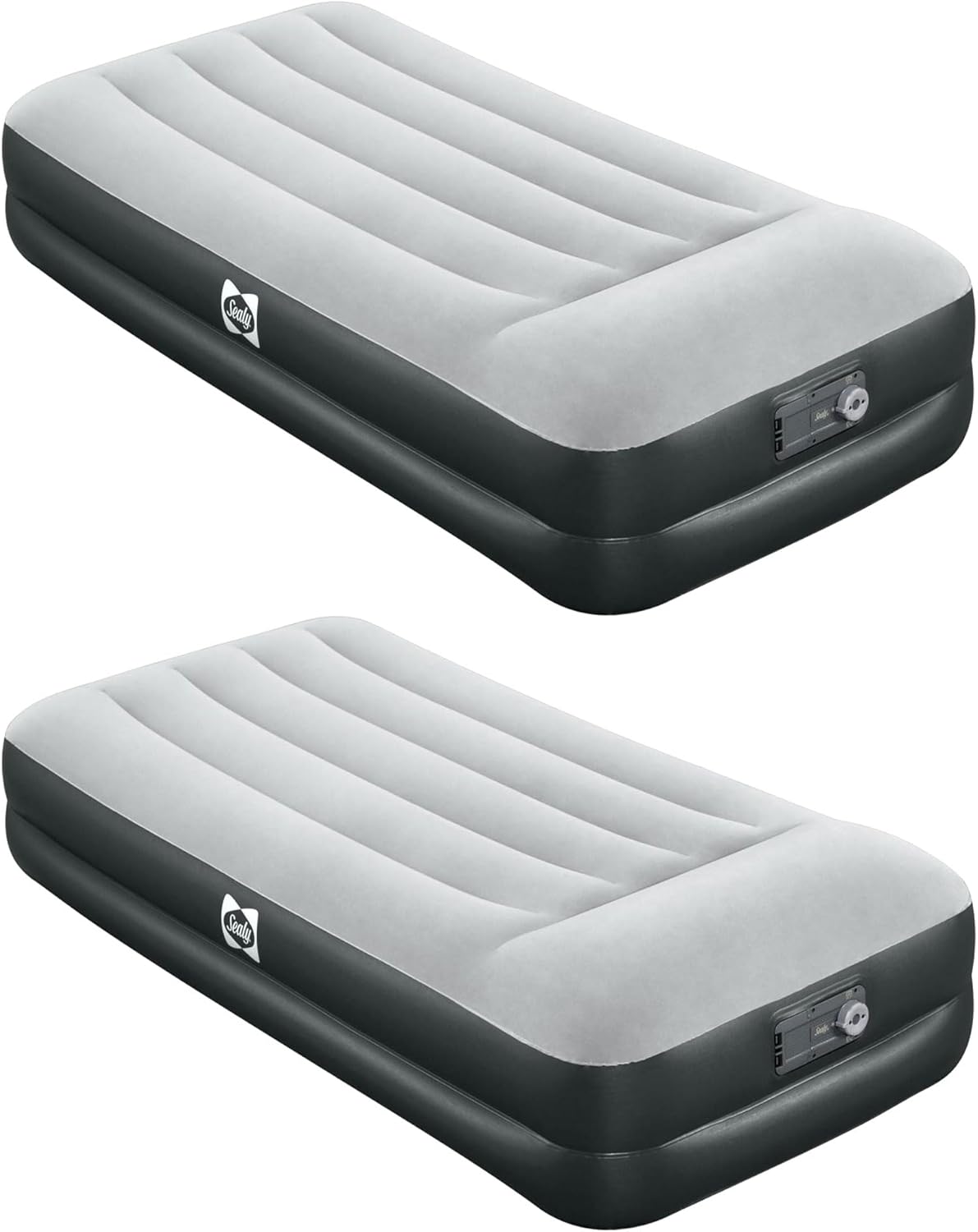
Sealy 2-Pack Tritech 16" Twin Inflatable Air Mattress with Built-in AC Pump
$0 $113.99
20% OFF
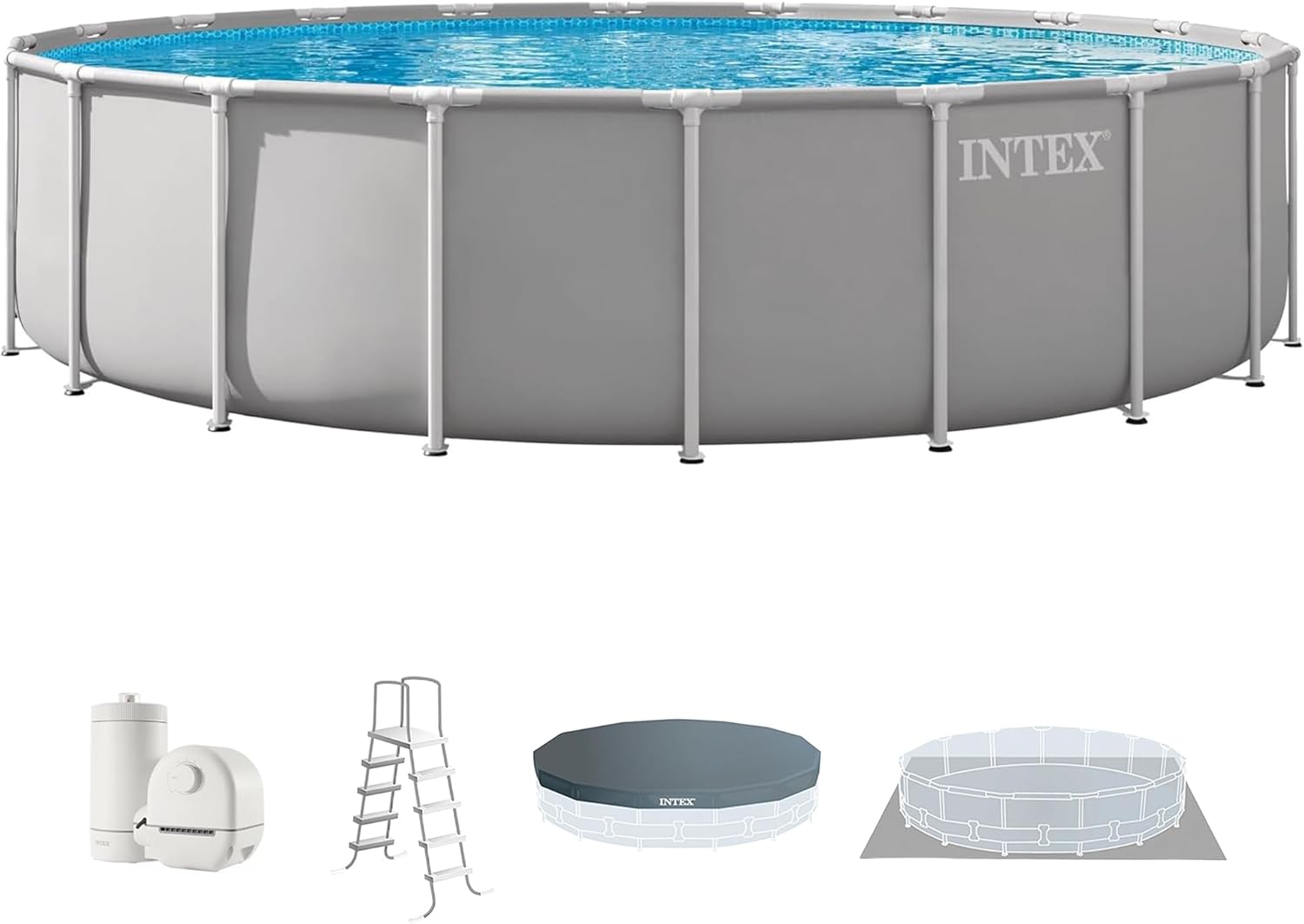
INTEX Prism Frame 20ft x 52in Above Ground Pool Set - Round Steel Frame Swimming Pool
$695.99 $869.99

Gardner Pet 43" Heavy Duty Dog Crate with Wheels - Indestructible Folding Metal Cage (Black)
$0 $149.99
12% OFF

Elegant Mid-Century Modern Bar Stools - Set of 4
$395.99 $449.99
23% OFF
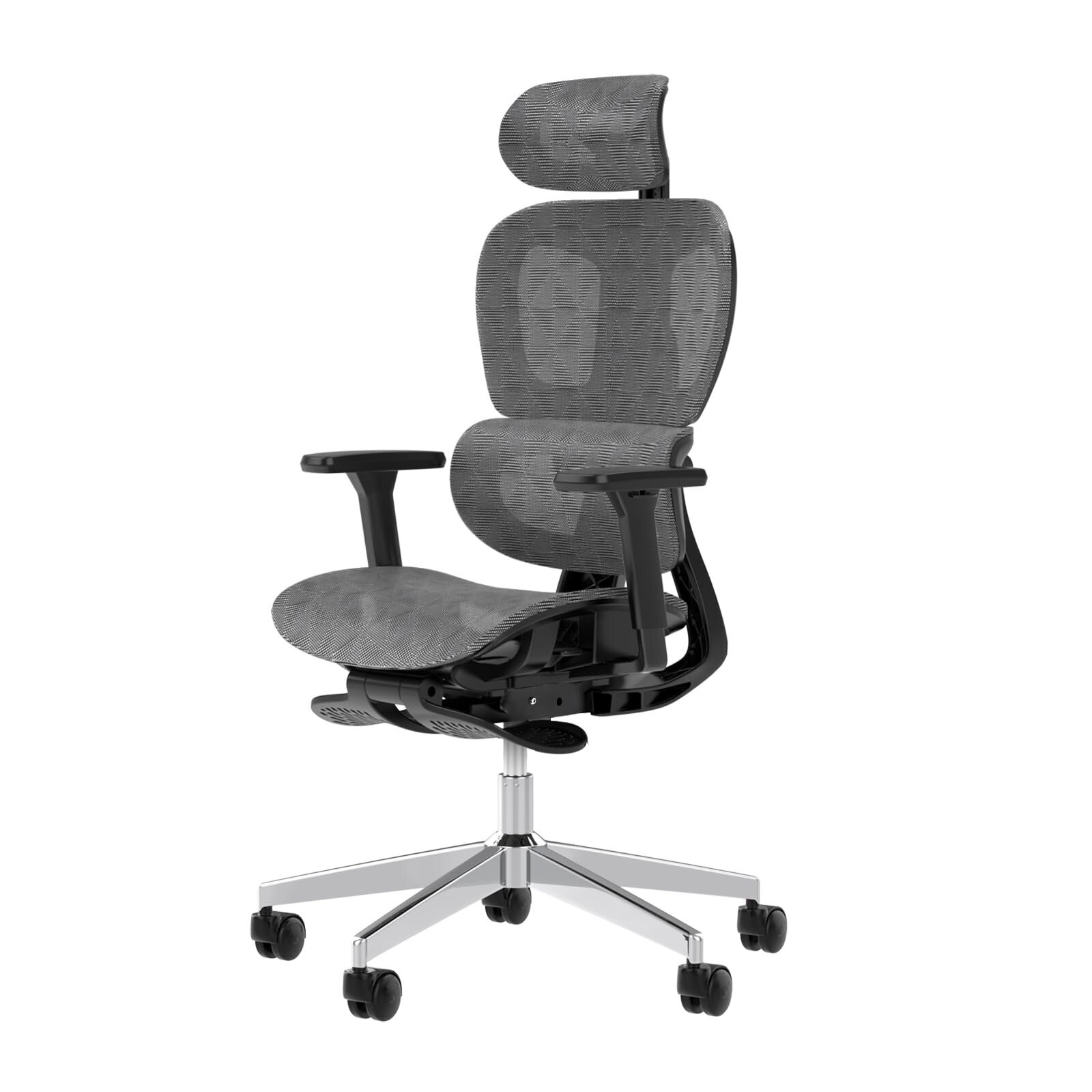
Ergonomic Office Chair - Big and Tall Desk Chair with Adjustable Lumbar Support
$279.99 $363.99
26% OFF

Magnelex American Flag Windshield Sun Shade - High-Resolution UV Reflective Heat Shield (X-Large)
$19.9 $26.9
20% OFF
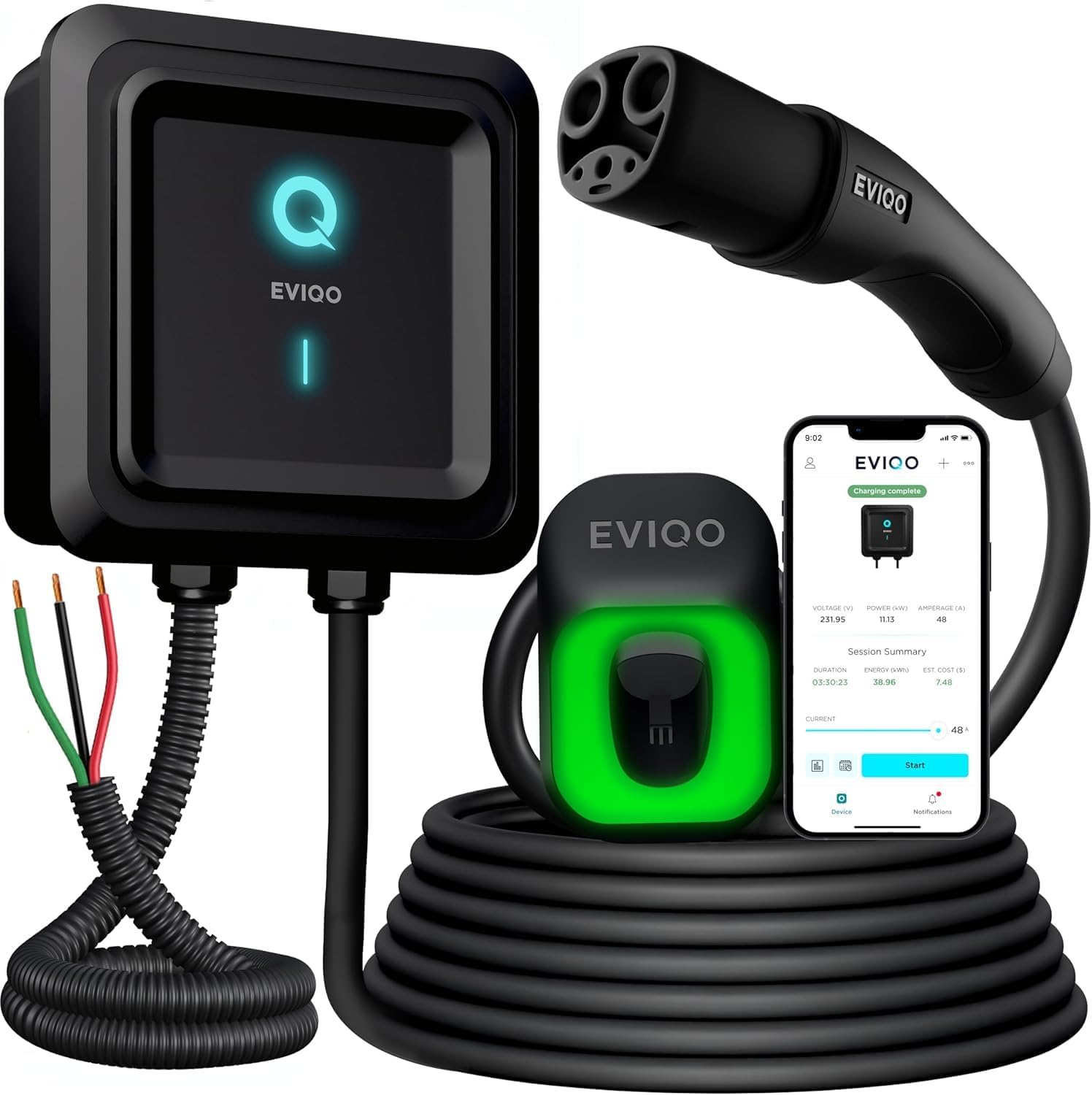
EVIQO 48 Amp NACS Level 2 EV Charger - Hardwired Smart WiFi Wall Charger for Tesla
$368.51 $458.55
50% OFF

DBFIT Air Purifier for Home Large Room
$29.99 $59.99




-

Historic Lancashire church secures £250,000 National Lottery grant for major roof repairs
-

Sunderland Minster PCC was right to push back over trans toilet sign
-

Bethel Church distances itself from Todd Bentley and Mike Bickle
-

Christian police officer reaches settlement over diversity training discrimination claim
-
Turkey's hidden Christian past: Extraordinary discoveries are rewriting the story of early Christianity
-

Washington Archdiocese parts ways with exorcist priest over UFO remarks
Most Popular
News

Churches must disciple well and listen well in response to rise of Christian nationalism
Churches have a task on their hands to raise standards of theological literacy in their congregations amid growing Christian nationalism, while at the same time listening to and engaging with the concerns of people in their flock.

A Christian response to the crisis facing young people
The Church has a wonderful message of hope to share with young people increasingly feeling a sense of nihilism and hopelessness at the state of the world, writes Tim Farron.

Tributes paid to Operation Mobilisation co-founder Dale Rhoton
Tributes have been paid to Dale Rhoton, one of the co-founders of international mission organisation Operation Mobilisation (OM), after his death at the age of 88.

Doctors should work for good of the patient, not facilitate suicide, says Christian Medical Fellowship
Suicide is always a tragedy that should be resisted, the CMF suggested.
VitaUp Beet Root Gummies with CoQ10 & Grape Seed - Nitric Oxide Circulation Support (60 Count)
$24.91
HDPE All-Weather Adirondack Chair with Built-In Cup Holder - Tool-Free Assembly (Grey)
$69.99
HOMETUK Clear Plastic Storage Bins with Dividers - 3-Pack Stackable Acrylic Organizer Containers for Fridge and Pantry
$19.99
G Gradual Men's Fishing Shirt - UPF 50+ Lightweight Short Sleeve Button Down with Zipper Pockets
$14.99
Everyfun 60" Rectangular Platform Tree Swing - 700lbs Heavy Duty Adjustable Outdoor Swing (Colorful)
$49.99
Ekouaer Women's Casual Loose Jumpsuit - One-Piece Printed Sleeveless Wide Leg Romper with Pockets
$14.99
ROTAKE TB3 20V Heavy Duty 1/2" Cordless Impact Wrench Kit - 1380 Ft-Lbs Torque
$132
Men's Athletic Running Shorts with Zipper Pockets - Lightweight & Quick Dry
$12.74
Modern Ceiling Fan with Light and Remote - Reversible Quiet DC Motor
$69.3
MOOKA H13 True HEPA Air Purifier for Home Large Room - 1076 sq ft Odor Eliminator
$39.97
Ekouaer Women's Satin Silky Pajama Set - Short Sleeve Pullover Top & Wide-Leg Pants
$13.99
Ekouaer 3-Piece Maternity & Nursing Pajamas Set - Short Sleeve Top with Shorts and Pants
$14.99
Sealy 2-Pack Tritech 16" Twin Inflatable Air Mattress with Built-in AC Pump
$0
INTEX Prism Frame 20ft x 52in Above Ground Pool Set - Round Steel Frame Swimming Pool
$695.99
Gardner Pet 43" Heavy Duty Dog Crate with Wheels - Indestructible Folding Metal Cage (Black)
$0
Elegant Mid-Century Modern Bar Stools - Set of 4
$395.99
Ergonomic Office Chair - Big and Tall Desk Chair with Adjustable Lumbar Support
$279.99
Magnelex American Flag Windshield Sun Shade - High-Resolution UV Reflective Heat Shield (X-Large)
$19.9
EVIQO 48 Amp NACS Level 2 EV Charger - Hardwired Smart WiFi Wall Charger for Tesla
$368.51
DBFIT Air Purifier for Home Large Room
$29.99